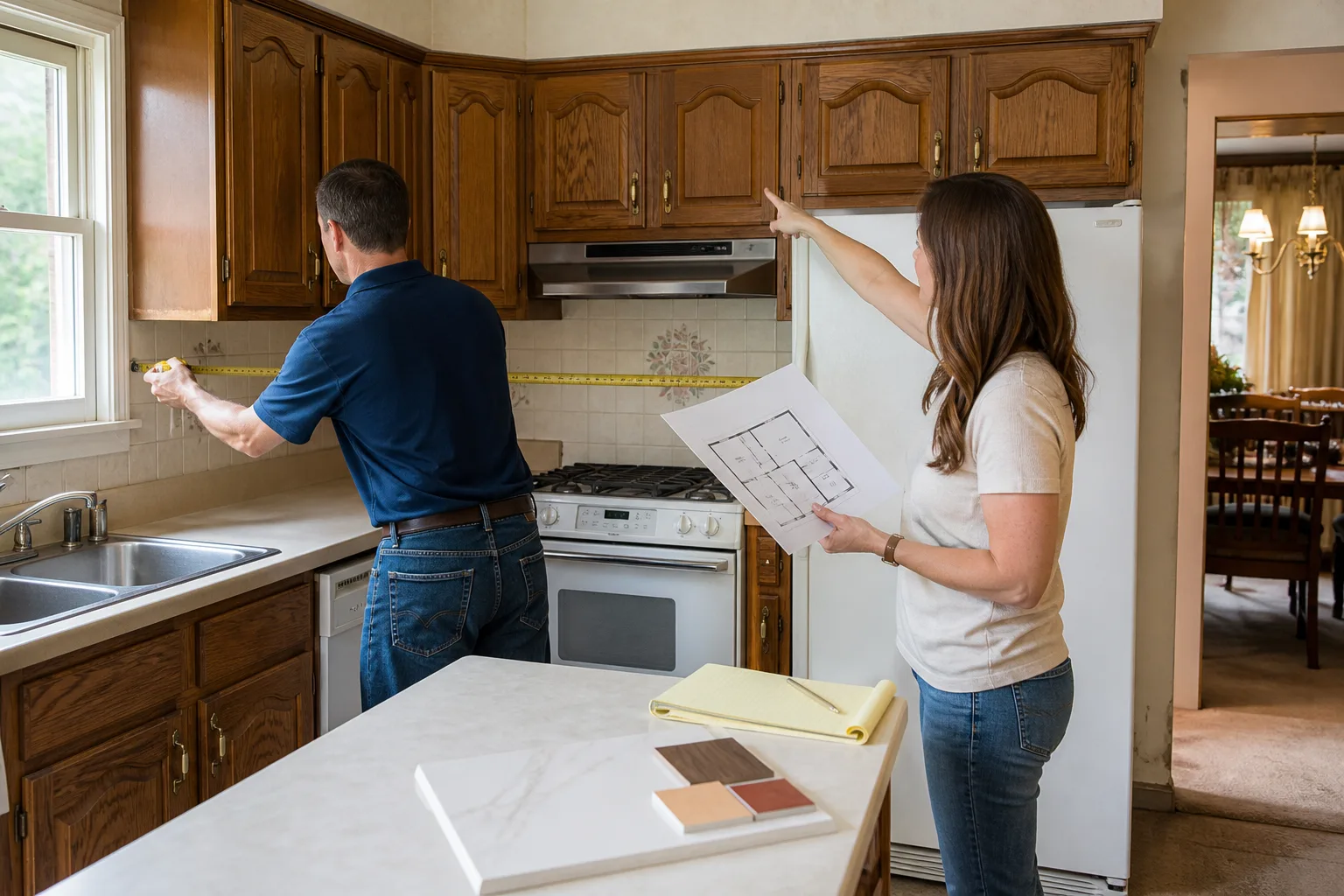






Free written scope consultation - allowances, timeline, and change-order rules on paper before a single trade is scheduled
Styles & brands we work with
- Kitchen remodeling
- Bathroom remodeling
- Home additions & ADU
- Roofing
- Windows & doors
- Driveway & pavers
- Fence
See the difference
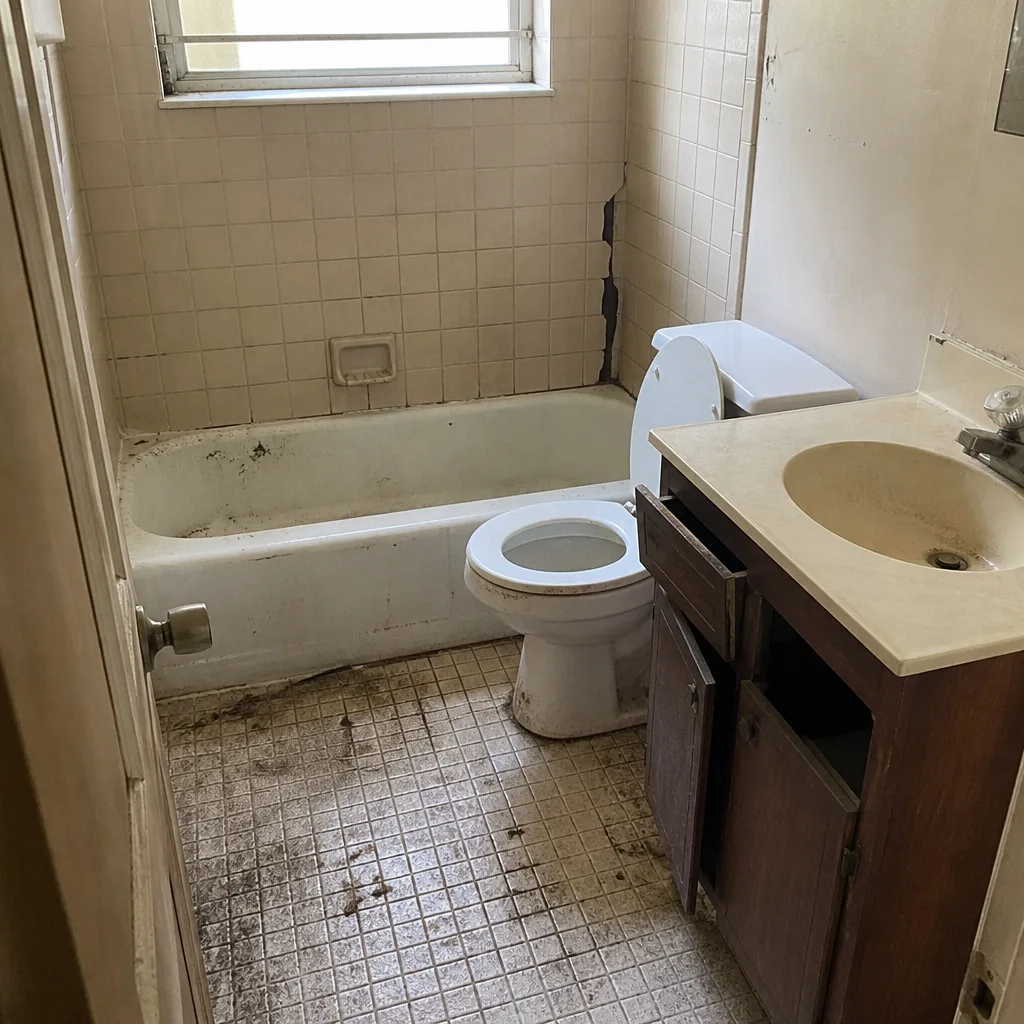 Before
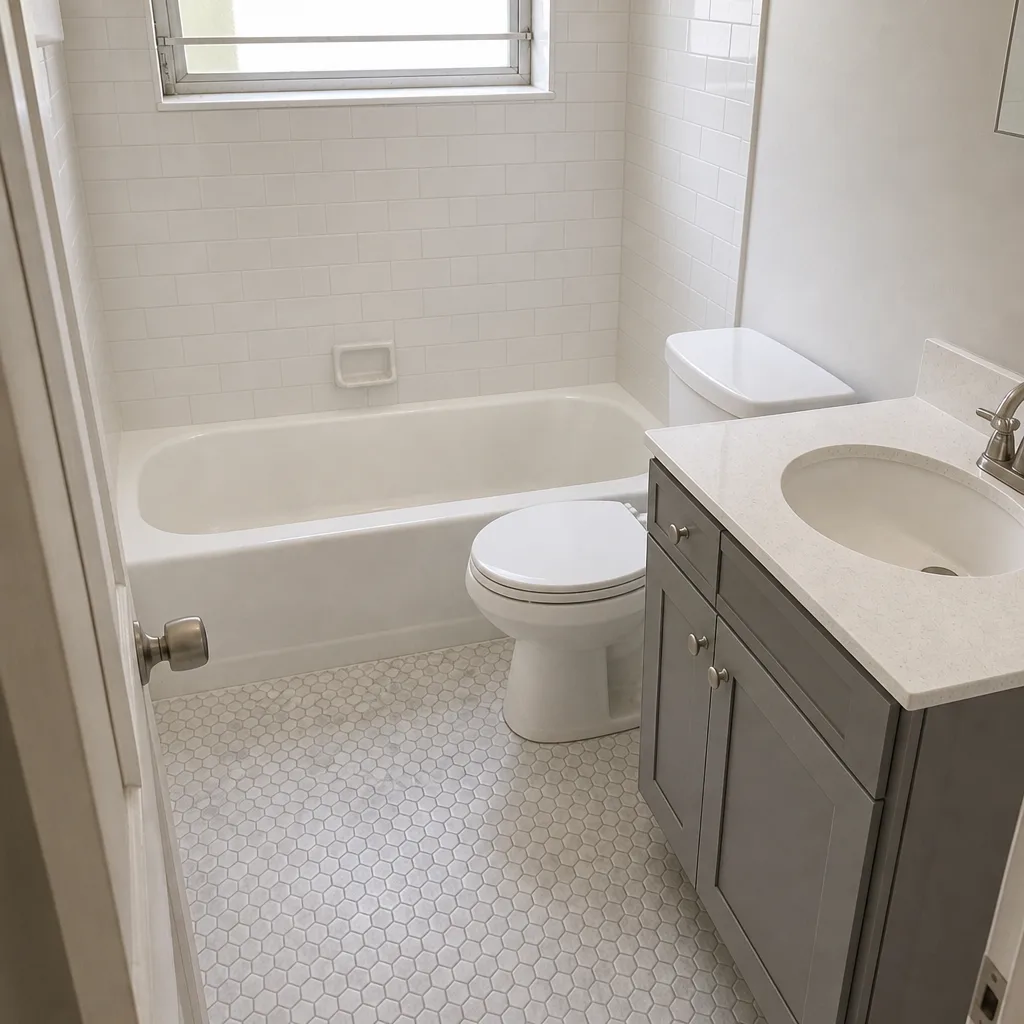 After
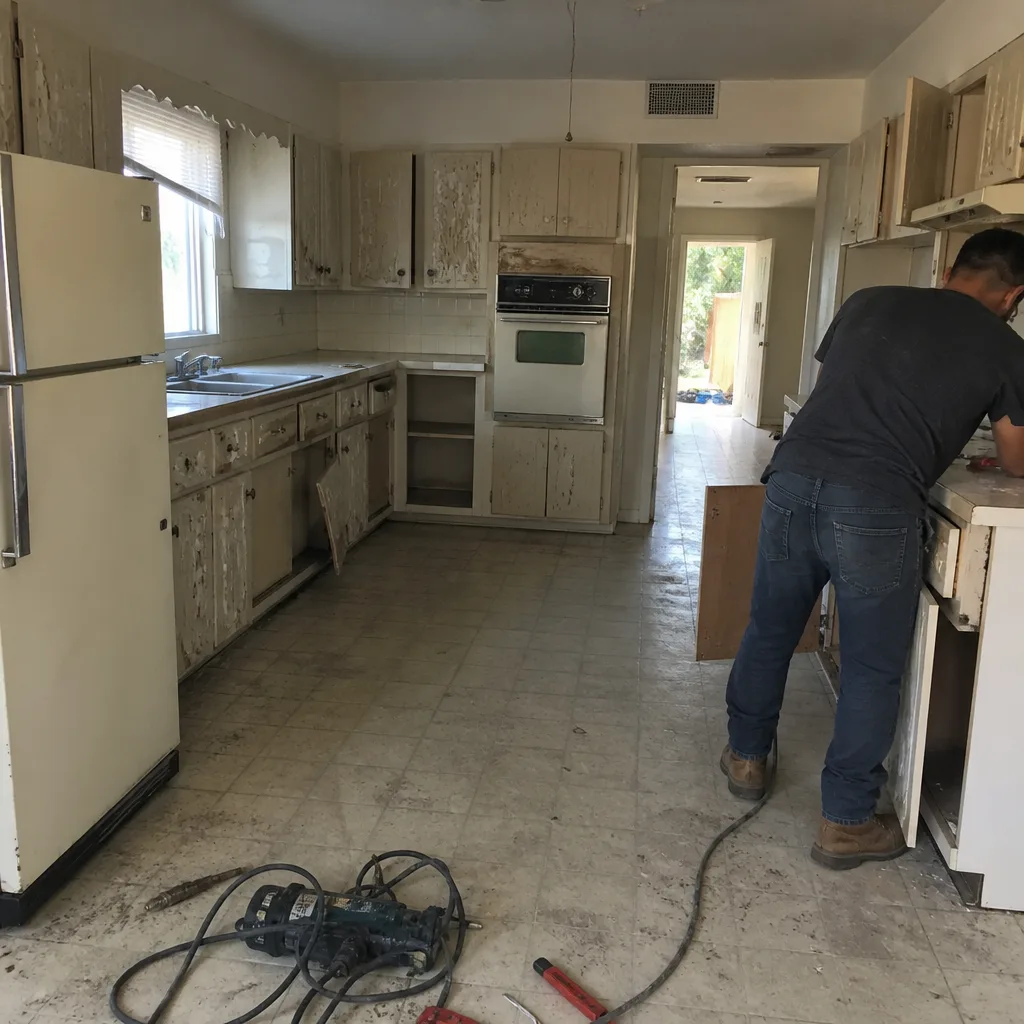 Before
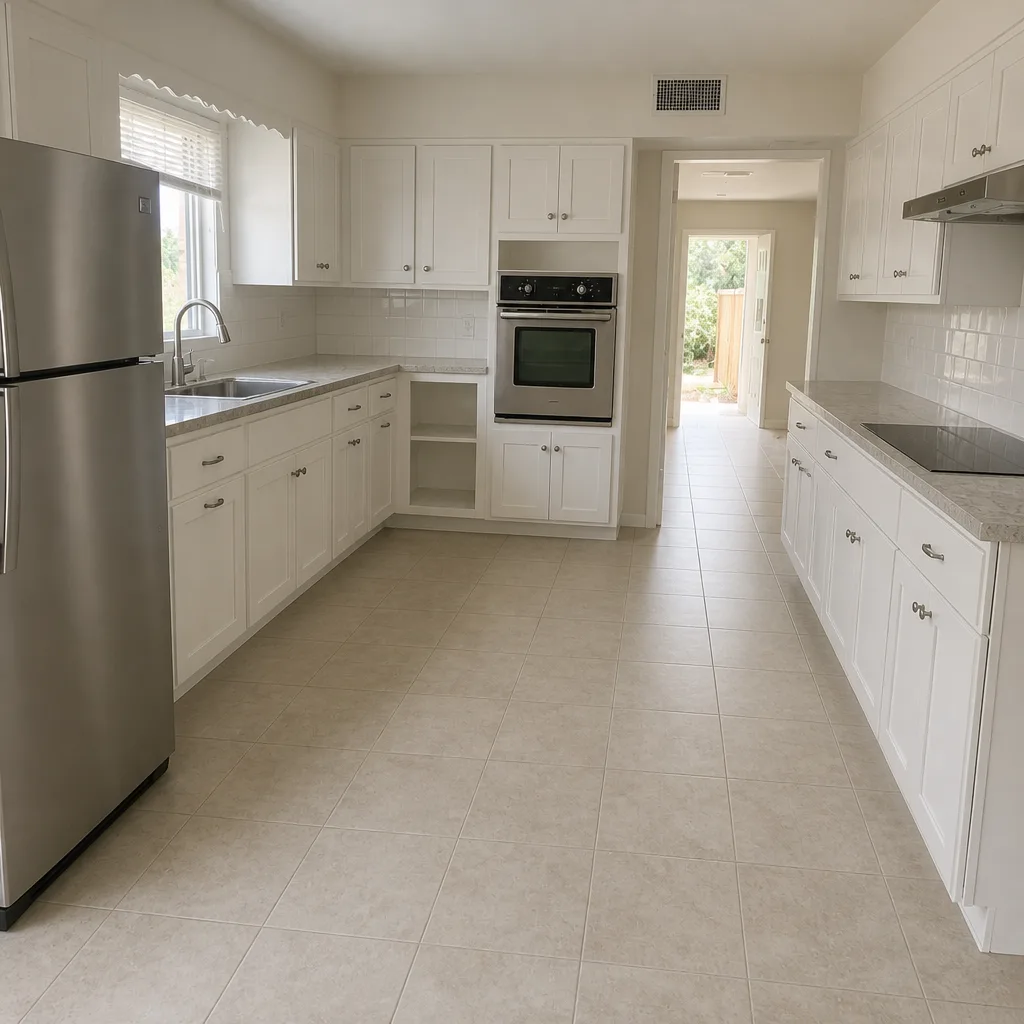 After
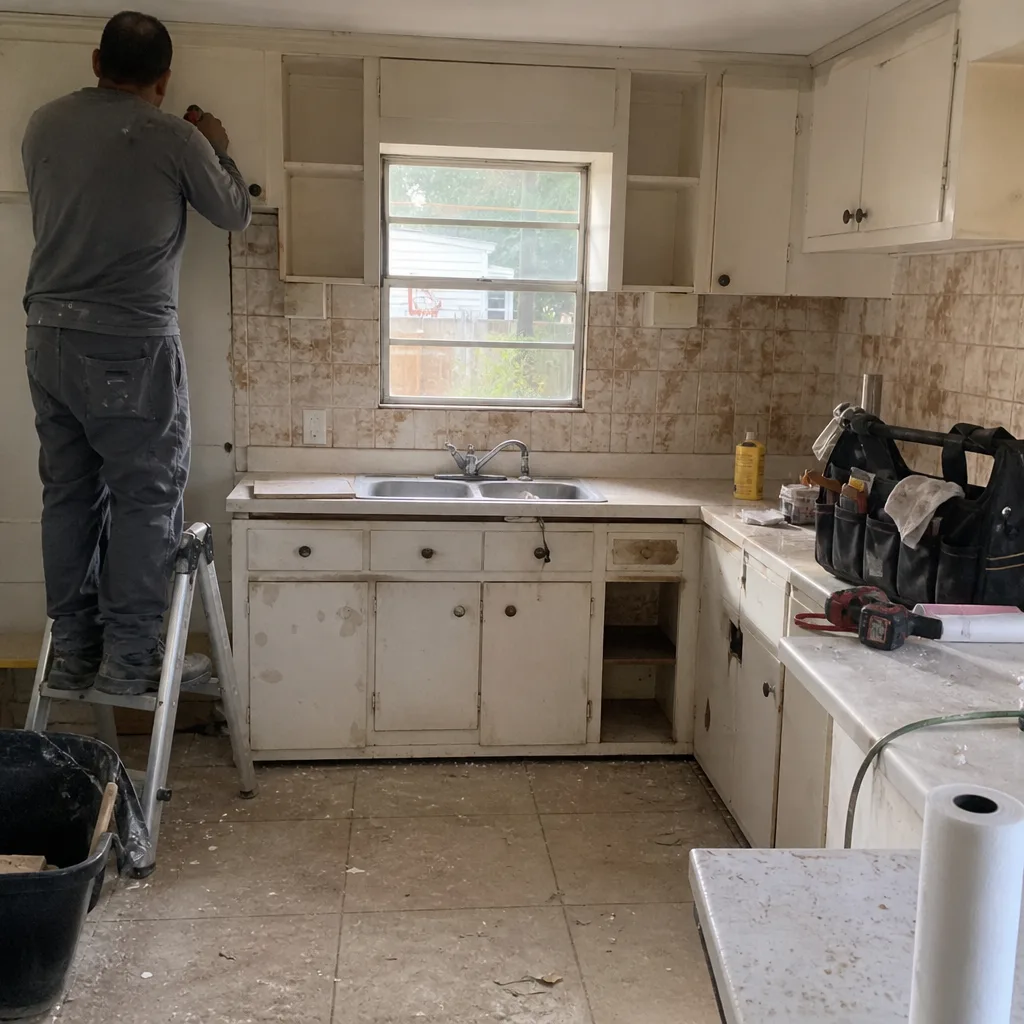 Before
 After
What Does a General Contractor Do in North Miami, FL?
A general contractor in North Miami is the person who holds the license, pulls the permits, and takes legal responsibility for the entire job, from the first plans review to the final certificate of occupancy. In North Miami specifically, that means steering your project through Miami-Dade’s High Velocity Hurricane Zone rules, submitting NOA product approvals before the first inspection, and coordinating each trade’s sign-off in sequence. That coordination is the actual product you’re buying.
Most “what does a general contractor do” articles stop at “schedules trades and orders materials.” That’s like describing a ship’s captain as someone who steers. The steering is the easy part. The hard part is the chain of accountability, and in North Miami that chain runs straight through the county building department. Call (888) 255-7411 if you want to talk through a project before it starts.

The Part Nobody Tells You: Miami-Dade’s Inspection Chain
Miami-Dade runs its own product approval system. A window, a door, a roof panel, a shutter: each one needs a Notice of Acceptance (NOA) on file with the county before it can be installed on a permitted job. No NOA, no inspection, no progress. That single rule derails more North Miami renovations than bad weather ever does.
Here’s the sequence your contractor owns, in plain language:
- Permit application and plans review. Your plans go to the county with wind-load calculations sized for the HVHZ. A missing calc means a comment, and a comment means another two weeks.
- Pre-inspection submittals. NOAs for every impact product, submitted before the inspector shows up, not after.
- Rough-in inspections by trade. Electrical, plumbing, and framing each get their own inspection. Miss one and the next phase can’t start.
- Product-approval verification. The inspector checks that what’s on the wall matches what was approved. Substitutions kill sign-off.
- Final inspection and certificate of occupancy. CO in hand or you can’t legally occupy the finished space.
The homeowner doesn’t manage any of this. The GC does, because the GC’s name is on the permit. If a document is missing at the wrong hour, the project stalls, and the stall lands on the contractor’s schedule, not yours.
The Continuous Load Path, Explained Without the Engineering Jargon
The continuous load path is the unbroken connection that carries wind force from your roof down through the walls to the foundation. Roof sheathing to truss. Truss to wall. Wall to foundation. Every link has to hold, because a wind event doesn’t care that three of the four connections were done well.
Why this matters for a renovation: every trade that touches the structure has a chance to break that path. A roofer who re-decks without re-nailing to the current schedule. A framer who cuts a tie-down strap to run a wire. An electrician who drills a top plate without a nail plate. None of those show up on a visual walk-through. All of them show up at inspection, or worse, in a storm.
The GC’s job is to make sure each subcontractor’s work preserves the load path before the next trade arrives. It’s a coordination function you’ll never see. It’s also the difference between passing and starting over.
What a Contractor Actually Does on a Pre-Andrew CBS Block Home
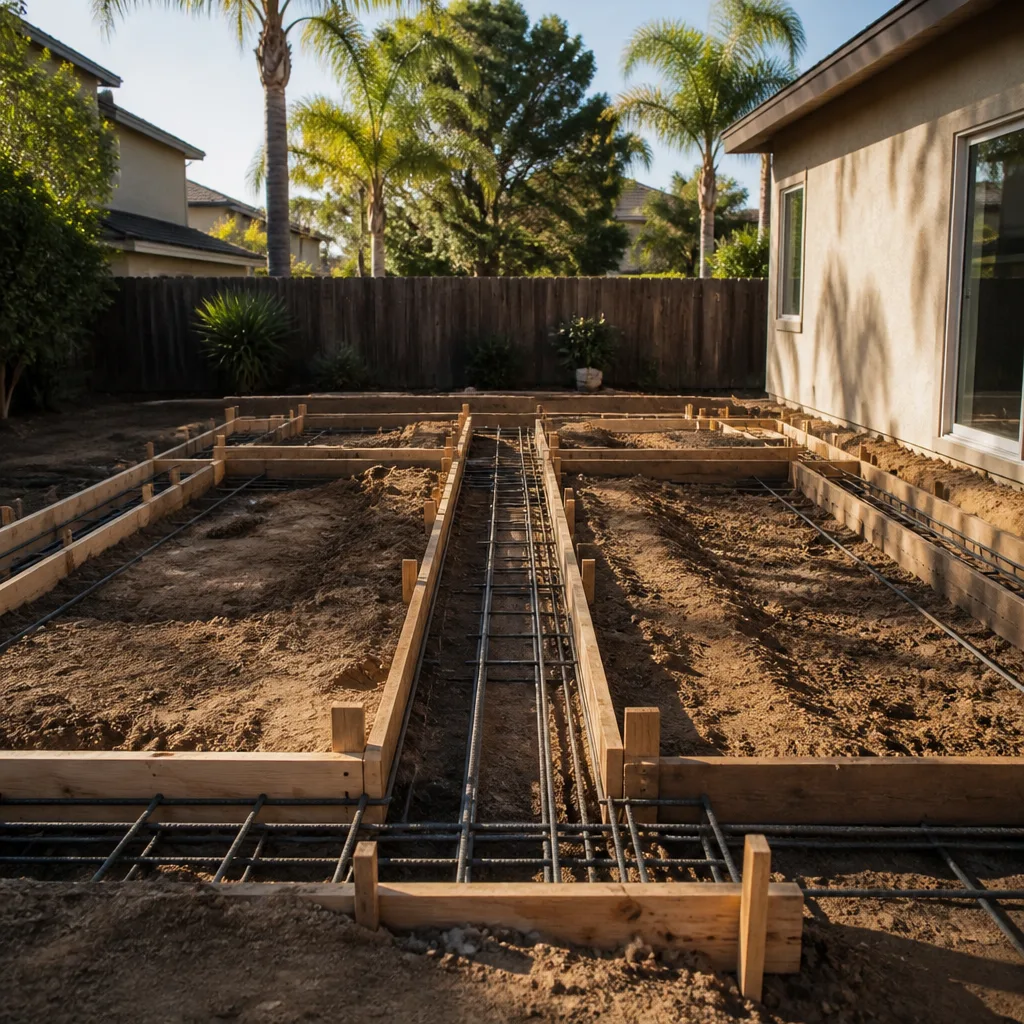
North Miami’s housing stock is largely 1950s to 1970s single-family ranch homes and small stucco-over-CBS block houses, with a newer wave of mid-rise and townhome infill layered in. Many of those older homes were built before 1994, before Florida split its code into the hurricane-hardened standard we use now.
On a pre-Andrew home, the planning phase is where the real work happens. Before demo, a good contractor identifies which parts of the existing structure need retrofit:
- Roof deck re-nailing to the current pattern if the sheathing is coming open
- Tie-down straps at the truss-to-wall connection, if they’re missing or undersized
- Shutter compliance and impact-rated opening upgrades that meet current HVHZ approval
- Stucco and flashing details where decades of sun and humidity have opened the assembly
Those items belong in the written price up front, not as change orders after the drywall comes off. That’s exactly how Penhallow Remodeling North Miami builds its scope: a written number before any work starts, so the figure on day one is the figure on the invoice. We install James Hardie siding and Kohler and Moen fixtures for the same reason; recognized trade brands come with their own warranties layered under ours.
What the GC Manages That You Never See
Holding the license means holding the liability. When a licensed electrician works under your GC’s permit and does defective work, the GC’s insurance and guarantee answer for it, not the sub’s verbal promise at the kitchen table. That’s the structural reason a GC exists as a separate role: someone has to be the accountable interface, and it has to be the person whose name the county has on file.
In practice, day to day, your contractor is:
- Sequencing trades so no one sits idle and no one runs ahead of an inspection
- Verifying each sub’s license and insurance before they touch your home
- Managing deliveries and holding materials on site against weather
- Running the punch list and staying financially on the hook through the guarantee period
For a North Miami project, add floodplain rules and elevation requirements for low-lying blocks and barrier-island-side parcels, which can dictate the build height as much as wind code does. A rebuild may legally have to sit higher than the house next door. That’s not a detail a homeowner should be trying to research on their own.
Where the Written Scope Fits In
Your written price is more than a quote. It’s the GC’s formal scope document: it defines exactly what the contractor is coordinating and what “done” looks like before the first trade arrives. If the scope is vague, the coordination is vague, and the change orders start.
That’s why Penhallow operates under the 365-Day Done Right Promise: if any part of the work fails inside the guarantee period, we come back and fix it at no charge, backed in writing on every project. Our technicians have up to 22 years of experience, are background-checked, and arrive in uniform. A live person answers the phone around the clock, so you’re never talking to a voicemail prompt when something needs attention.
If you’re weighing a remodel, kitchen remodels in North Miami typically run $16,520-$53,100 depending on layout, cabinet line, and countertop material, and full bathroom remodels run $10,620-$33,040. Those are the working numbers behind a written estimate. To see the full range of what we build, visit our home page.
FAQs
Usually yes, for anything involving structural changes, permits, or multiple trades. Miami-Dade’s High Velocity Hurricane Zone rules require permits and inspection sign-off for most renovation work, and the permit is typically pulled by a licensed GC or the individual trade. If your project touches the roof, walls, electrical, or plumbing, plan on a contractor being involved.
The general contractor is responsible. Because the GC holds the license, pulls the permits, and carries the liability, if a subcontractor performs defective work, the GC’s guarantee protects you. That’s the point of hiring one instead of scheduling trades yourself.
Typical plans review runs several weeks for a full remodel, longer for anything with wind-load calculations that need revision. The inspection phase extends the timeline further because trades have to be sequenced around county availability. A well-managed GC builds this into the schedule from the start rather than discovering it mid-project.
Yes, for North Miami projects especially. A contractor who knows the HVHZ approval requirements can flag product substitutions, retrofit needs, or elevation issues during planning, while changes are still cheap. Walking in with a locked design and then discovering a window doesn’t have an NOA costs more.
If you’d rather have it looked at, Penhallow Remodeling North Miami offers a no-pressure assessment in North Miami. Call (888) 255-7411 for a free estimate and a written price before any work starts.
Written by the team at Penhallow Remodeling North Miami, serving North Miami, FL.