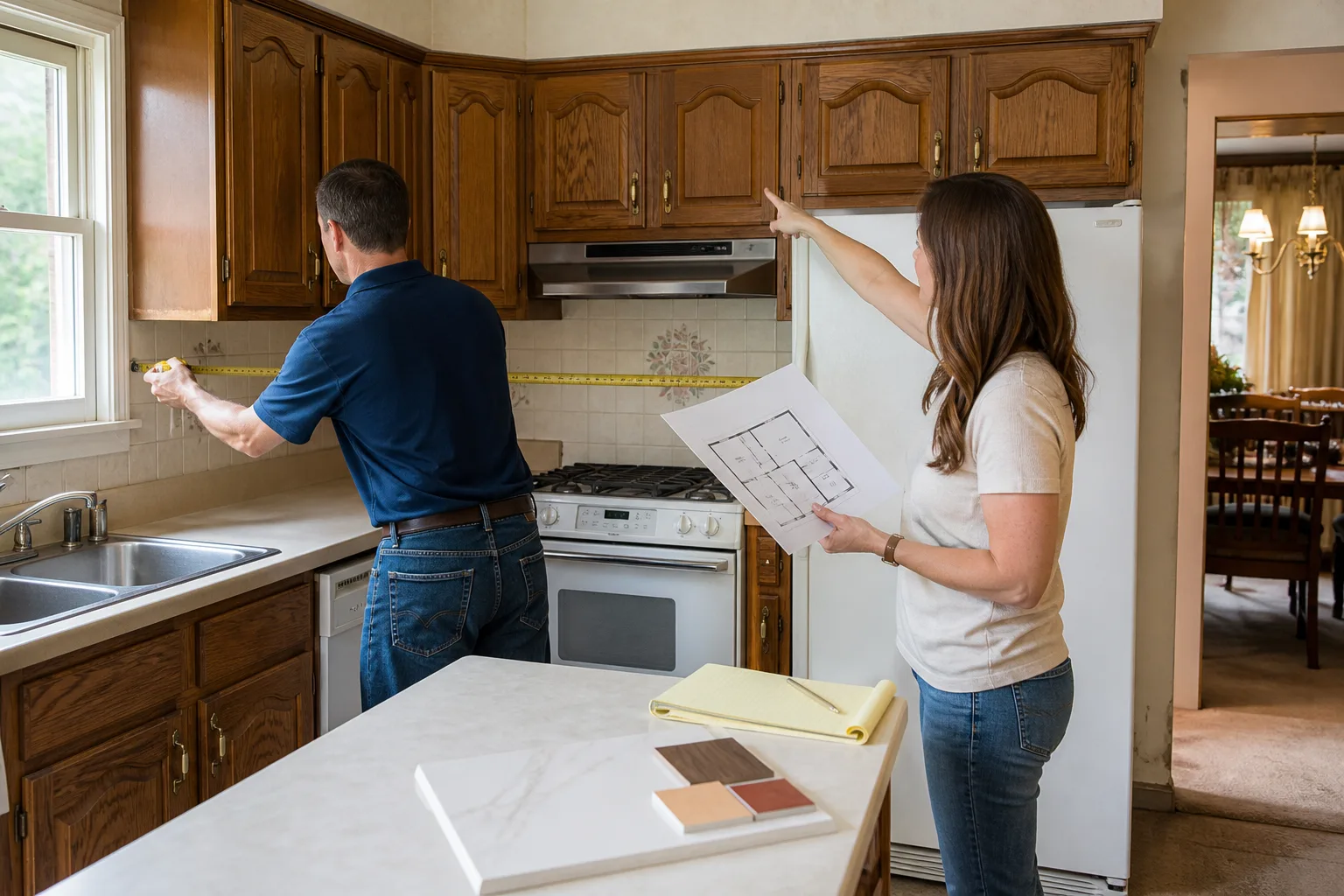
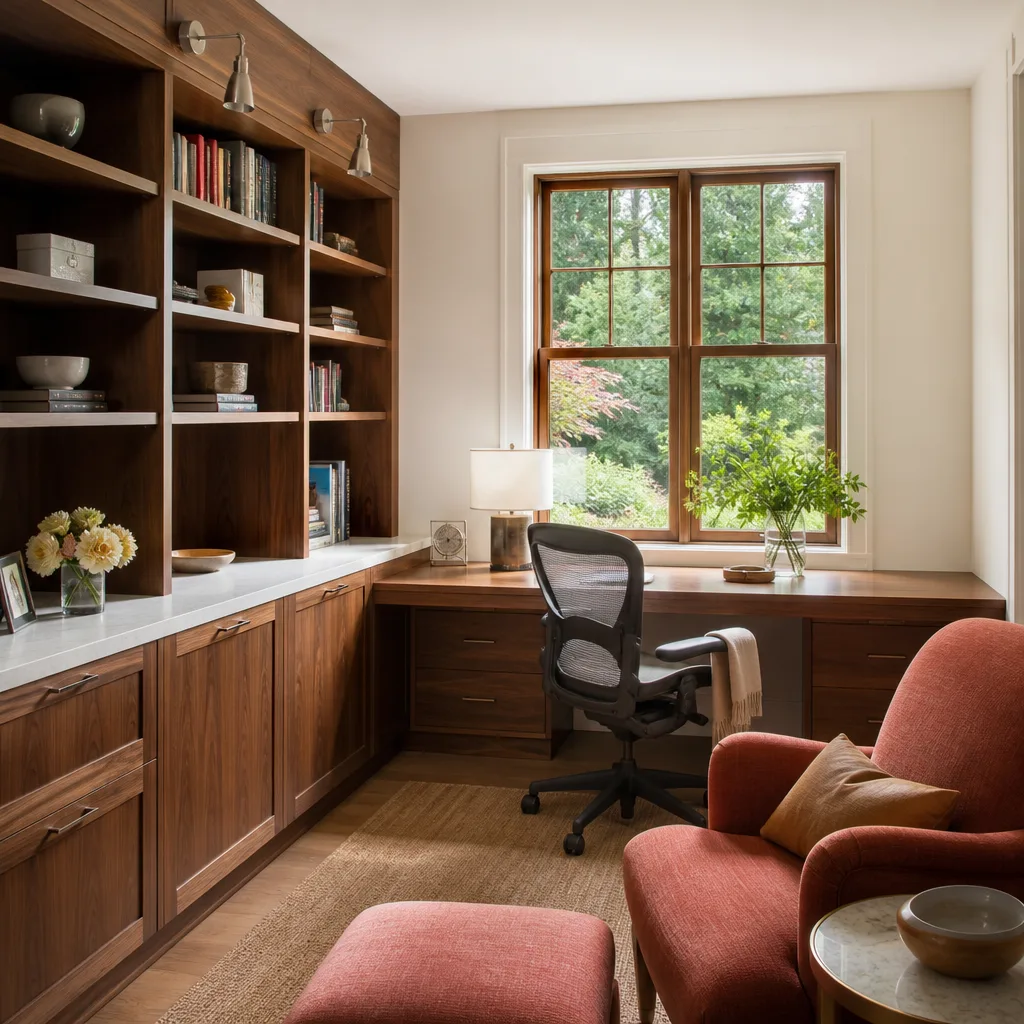


Free written scope consultation - allowances, timeline, and change-order rules on paper before a single trade is scheduled
Styles & brands we work with
- Kitchen remodeling
- Bathroom remodeling
- Home additions & ADU
- Roofing
- Windows & doors
- Driveway & pavers
- Fence
See the difference
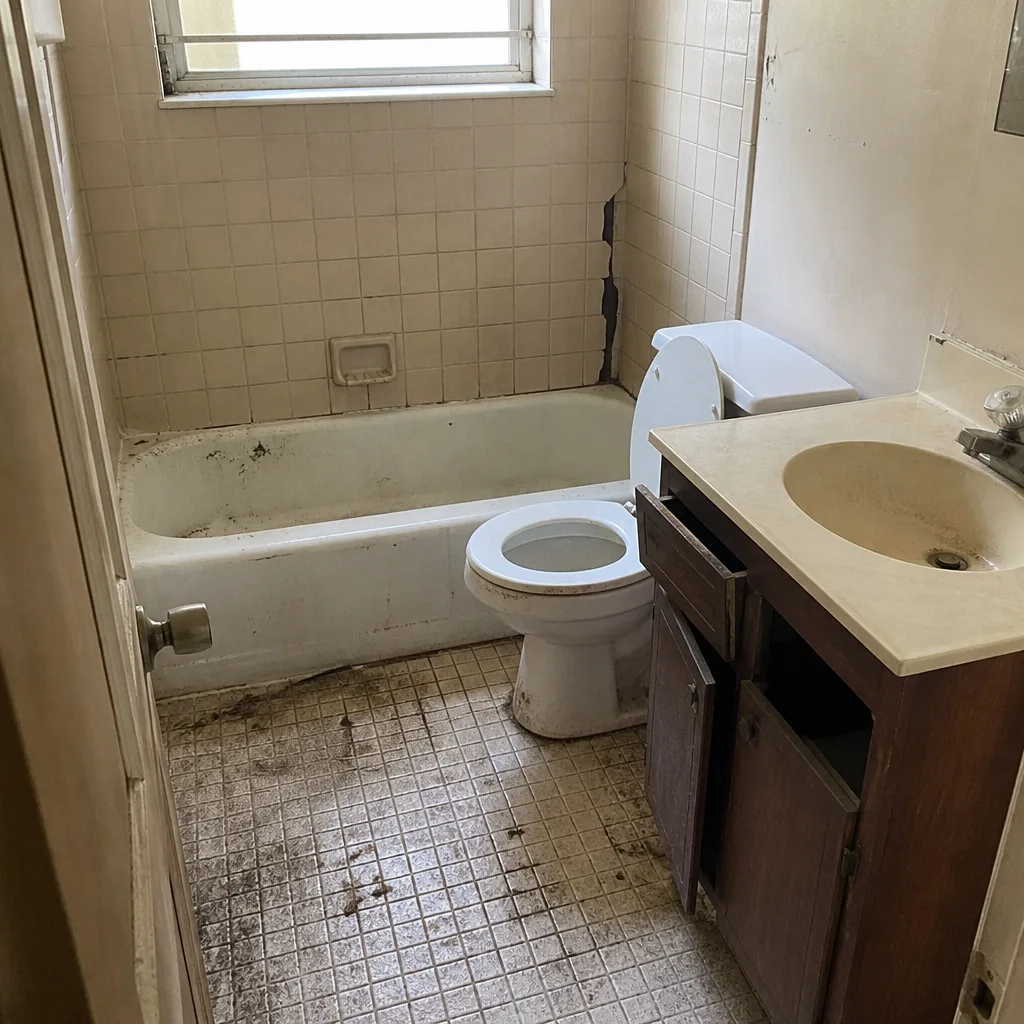 Before
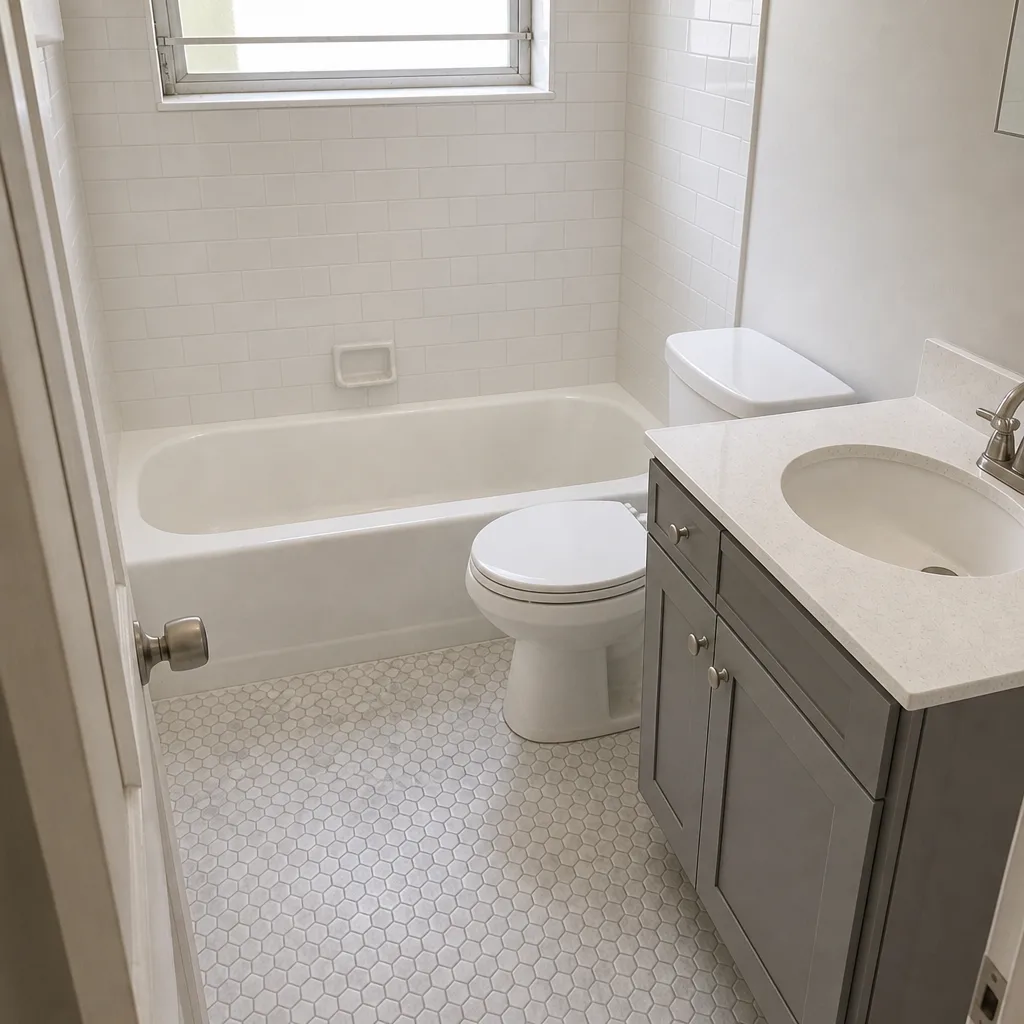 After
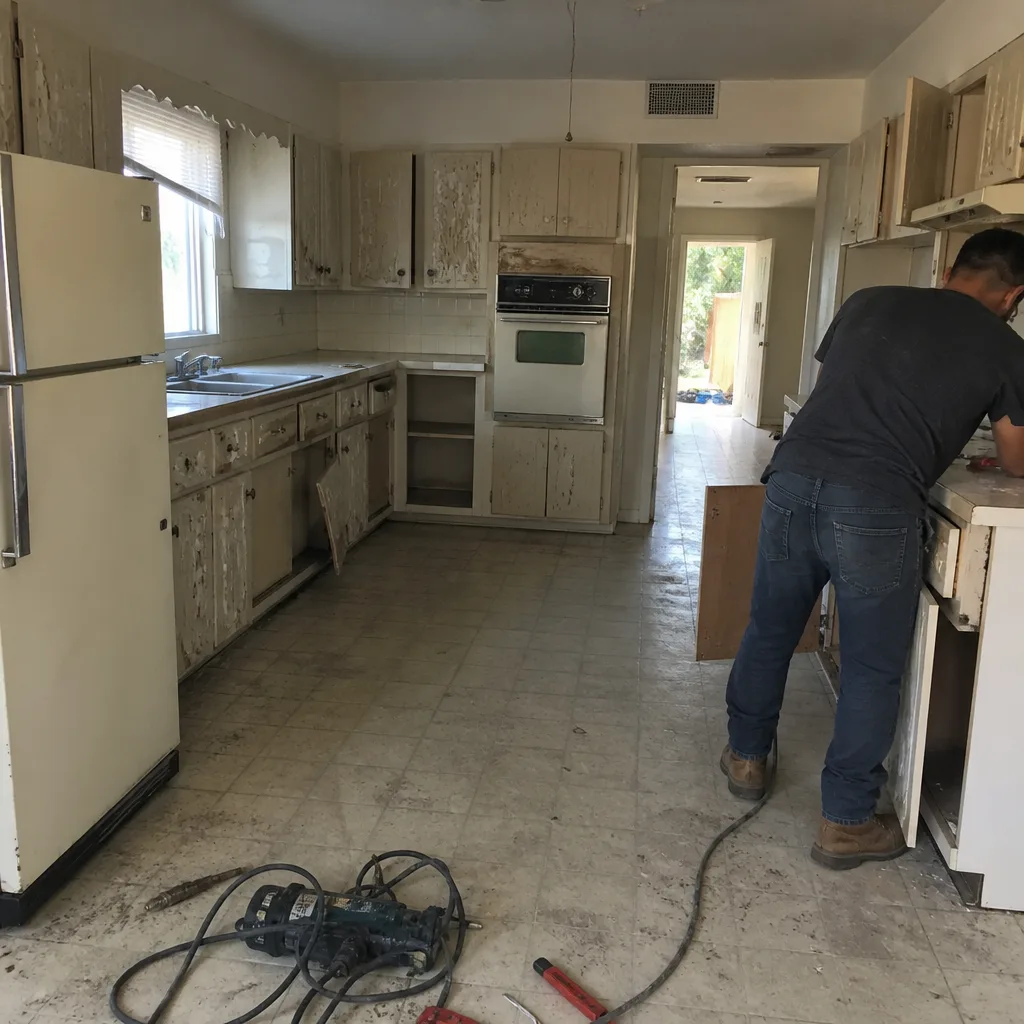 Before
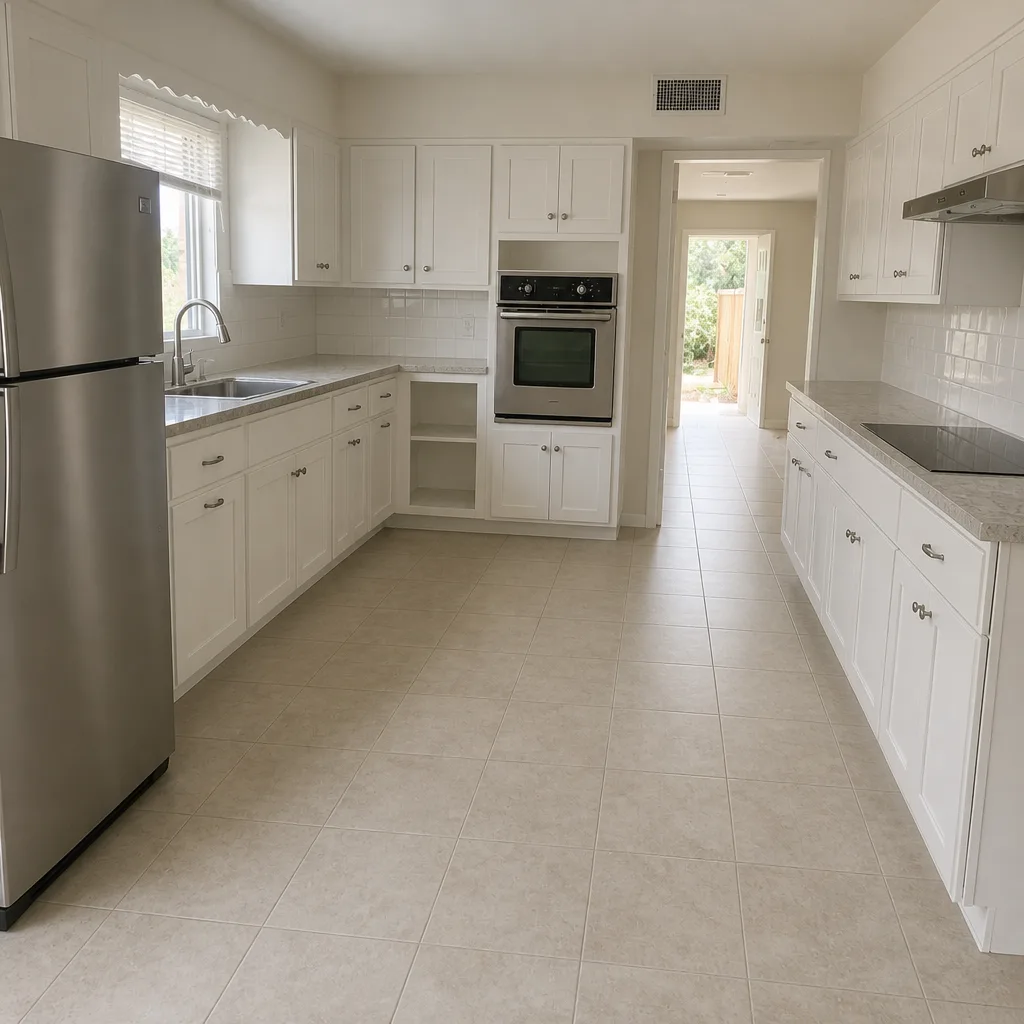 After
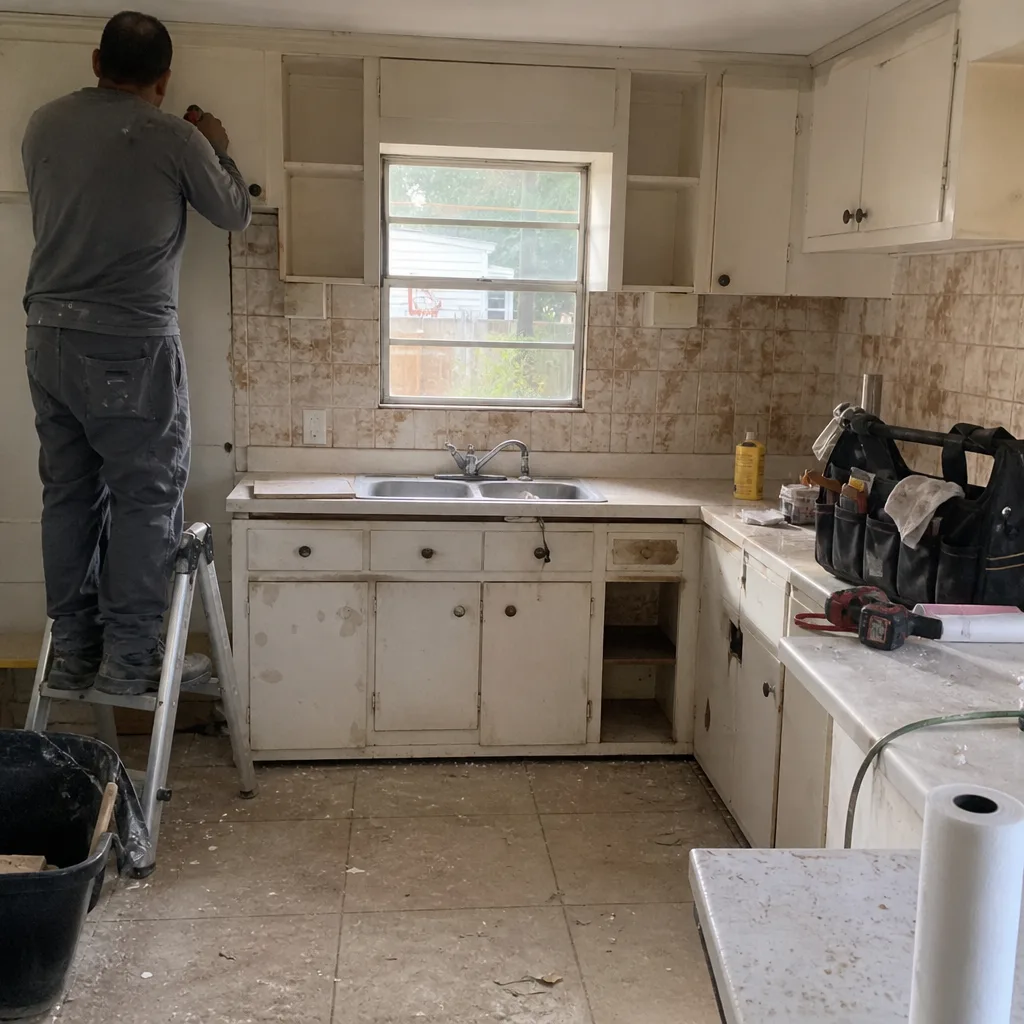 Before
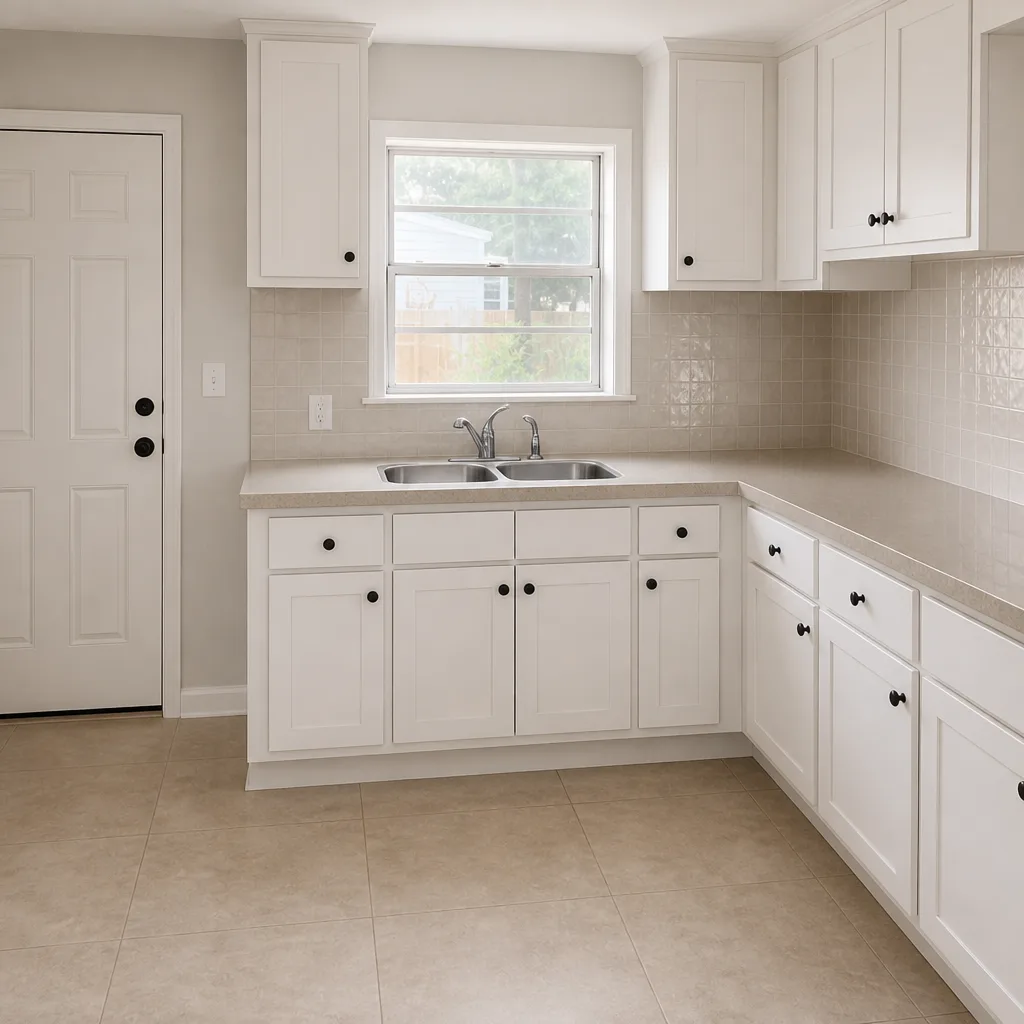 After
Attached vs Detached ADU in North Miami: Which One Actually Costs Less?
Choose detached unless your lot can’t fit a separate footprint or you specifically need the unit connected for family caregiving. On most North Miami lots, a detached ADU is the lower-risk path because it sidesteps a code trigger that attached units can’t avoid: connecting new construction to a pre-Andrew CBS block home often forces the existing roof-to-wall connections up to current High Velocity Hurricane Zone (HVHZ) standards before Miami-Dade will approve the shared wall. That retrofit can add real money to a project before a single new wall goes up. Detached construction starts clean. Call Penhallow Remodeling North Miami at (888) 255-7411 for a written comparison of both paths on your specific lot.

Why Attached ADUs Get Expensive in North Miami Before Framing Starts
Here’s the scenario we see most often. A homeowner on a 1960s ranch block between 120th and 135th Streets looks at an attached ADU because it seems like the cheaper square footage. Then the plan reviewer flags the original roof-to-wall connection, and the budget shifts.
Older North Miami homes were built with toenail or early strap connections that were fine in their day. They don’t meet the continuous load-path requirements now required across the HVHZ. When you attach a new structure to that wall, you’ve created a code trigger: the county now evaluates the connection between old and new. That means bringing the existing connection up to current standard, which means opening walls, adding hardware, and re-inspecting. A detached ADU never touches that connection, so the obligation never appears.
North Miami sits in the heart of Miami-Dade’s HVHZ, which is the strictest wind-mitigation regime in the state. NOA-approved impact products, continuous load paths, product approval on nearly everything, and inspection through Miami-Dade’s own system rather than a generic Florida code. The post-1994 code split between pre-Andrew and newer homes is exactly why two houses on the same block can carry wildly different retrofit bills.
Side-by-Side: What Each Footprint Actually Costs You
| Factor | Attached ADU | Detached ADU |
|---|---|---|
| Pre-Andrew roof-to-wall retrofit | Often triggered by the shared wall | Not triggered |
| Entrance & rental appeal | Shared entry unless you build a separate one | Fully private entrance, better rental draw |
| Utility metering | Typically shared with main home | Can have a separate meter |
| Insurance | Covered under main home policy | May qualify for its own policy |
| Flood-zone elevation | Shares the main home’s elevation certificate | Independently evaluated; may need higher finished floor |
| Cooling load | Shared wall means shared heat unless you build a full air barrier and separate mini-split | Independent HVAC from day one |
Typical ADU construction in North Miami runs $106,200-$259,600 depending on footprint, finishes, and whether retrofits enter the picture. A full home addition in the same market runs $53,100-$153,400. Those are real ranges, not ballpark teasers, and the numbers shift based on what the county finds once walls open.

The Livability Detail Most Comparisons Skip
North Miami’s year-round heat and humidity make the shared-wall question a comfort question, not just a cost question. An attached ADU shares a cooling load with the main house unless you install a full wall-to-ceiling air barrier and a separate mini-split system. That’s a line item that belongs in the comparison from the start. Homeowners who skip it end up with a unit that’s 6 degrees warmer than the main house in August and a renter who notices.
A detached unit gets its own HVAC, its own wall assembly, and its own private entry, which matters for rental appeal. On a corner or rear-access lot, a detached ADU can also carry its own utility meter, which sharpens the rental pitch and can let it qualify for a separate insurance policy. Those are real advantages when you’re weighing an income unit against a family unit.
Where Detached Gets Complicated: Flood Elevation
On low-lying North Miami blocks and the barrier island side, flood-zone elevation requirements and the city’s floodplain rules can dictate a project as much as wind code. Attached units share the main home’s flood-zone elevation certificate. Detached units on the same lot must be independently evaluated, and on some blocks that means a higher finished floor elevation than the attached option would require. A rebuild may have to sit higher than the house next door.
That’s the one situation where attached can win on cost: if the detached finished floor elevation pushes you into extra fill, piling, or a taller stem wall, the retrofit savings on the detached side can shrink fast. This is why we price both footprints on your actual lot before recommending one.
How Penhallow Prices Both Paths in Writing
Penhallow Remodeling North Miami is a general contractor focused on kitchen remodeling, bathroom remodeling, and whole-home remodels, including ADU construction and home additions. Every homeowner gets a written price before any work starts, and that written price covers both the attached and detached path where the lot supports it, including any pre-Andrew retrofit obligation the county flags. You see the true cost delta on paper before you choose a footprint.
Here’s what that looks like in practice:
- Written price up front. Not an estimate range, not a verbal ballpark. A number you can hold us to, including retrofit allowances spelled out separately.
- 365-Day Done Right Promise. If something we built fails inside the guarantee period, we come back and fix it at no charge. Backed in writing on every project.
- Background-checked, uniformed technicians on every job, so you know exactly who is in your home.
- A live person answers the phone 24/7. No voicemail maze, no callback window.
- Materials from recognized trade brands. KraftMaid and Wellborn cabinetry, Cambria, Silestone and Caesarstone countertops, Kohler and Moen fixtures, James Hardie siding. When an ADU calls for impact-rated openings, we work with lines like CGI, CWS, and ES Windows.
Our technicians have up to 22 years of experience, which matters when the job is a pre-Andrew retrofit that has to pass Miami-Dade inspection on the first walkthrough. We operate under The Kingswell Way: say the price before the work, show up in the window we gave, leave the place cleaner than we found it. Penhallow is part of the Kingswell family of companies, and each location is independently owned and operated.
For more on our full range of work, see our home remodeling services and our North Miami service area.
Common North Miami Scenarios We Price
A 1962 CBS ranch off NE 6th Avenue
Homeowners here often want an attached unit for an aging parent. The retrofit trigger usually surfaces at plan review, and the written price we provide separates the retrofit line so the decision stays clear.
A mid-century home near the Arch Creek area
Rear-access lots make detached a strong fit. Private entry, separate meter, and no shared cooling load. On these lots, detached often wins on both livability and long-term rental value.
A low-lying block near the bay
Flood elevation can flip the math. We price the detached finished floor elevation against the attached option so you see the real number before committing.
FAQs
On most North Miami lots, detached is cheaper over the full project because it avoids the pre-Andrew roof-to-wall retrofit that attaching to an older CBS home can trigger. The exception is a low-lying block where detached flood-zone elevation requirements push the finished floor higher than an attached unit would allow. We price both on your lot, and the ranges we quote run $106,200-$259,600 for ADU construction. Call (888) 255-7411 for an exact written comparison.
Often yes, and that’s one of the strongest reasons to go detached when rental income is the goal. A separate meter lets you bill a tenant directly and can support a separate insurance policy. Attached units typically share the main home’s meter. We map the utility path during the written pricing phase so you know what’s feasible before design.
In many pre-Andrew North Miami homes, yes. Toenail and early strap connections from the 1950s through the 1970s don’t meet the continuous load-path requirements now enforced across the HVHZ, and attaching a new structure creates a code trigger that forces the existing connection up to current standard. That’s a real cost, and we put it on the written price separately so it never surprises you mid-build. Call (888) 255-7411 for a free assessment of your connection before you choose a footprint.
It does unless you build for separation. In North Miami’s year-round heat and humidity, an attached ADU shares the main home’s cooling load unless a full wall-to-ceiling air barrier and a separate mini-split system are installed. That’s a line item, not an afterthought, and it belongs in your comparison from the start. A detached unit sidesteps the question entirely with its own HVAC.
Get the True Cost Delta Before You Choose
If you’d rather have it looked at, Penhallow Remodeling North Miami offers a no-pressure assessment in North Miami. We’ll walk the lot, check the existing connection, price both the attached and detached paths in writing, and leave you with a number you can hold us to. Call (888) 255-7411 for a free estimate.
Written by the team at Penhallow Remodeling North Miami, serving North Miami, FL.