




Free written scope consultation - allowances, timeline, and change-order rules on paper before a single trade is scheduled
Quikrete Home Additions & ADU: The North Miami Owner’s Guide
We install Quikrete-spec home additions and ADUs for North Miami owners, and a full addition typically runs $53,100 – $153,400 installed, with standalone ADU construction at $106,200 – $259,600. Quikrete is a materials brand (concrete mixes, mortars, stucco and repair products), not a line of pre-built structures, so “Quikrete home additions” means the structural concrete, footings, slabs and stucco systems a builder specifies by name. North Miami owners usually find out something is wrong when a slab edge crumbles, a porch footing shows a spiderweb crack that keeps spreading, or a wall patch mixed from Quikrete repair product powders out after one rainy season.
We’re an independent service provider, not affiliated with Quikrete. What we do is build to the product spec, pull the permits through the City of North Miami, and hand you a written price before we break ground.
Key Takeaways
- Quikrete is a materials system, not a structure kit. Compatibility is about which mix and which spec, not which “model.”
- Addition work in North Miami means Miami-Dade product approval and wind-load compliance, not just a good pour.
- Coastal salt air and high water tables age exterior concrete faster here than the national averages assume.
- We quote the full installed number in writing before work starts, and back the work with our 365-Day Done Right Promise.
Which Quikrete Models This Applies To

There isn’t a “Quikrete Model 4000” of home additions. Quikrete sells bagged and bulk materials, and the ones that touch an addition project are the concrete mixes (their high-strength and crack-resistant blends), the mortar and stucco products, the anchoring and repair epoxies, and the fast-setting patch mixes used around footings and slab edges. So compatibility isn’t a model lookup – it’s a spec match. The spec sheet on the bag tells you the compressive strength (commonly 4,000 to 5,000 psi for structural work) and cure time, and that’s what your plans and your inspector care about.
How to identify what your project actually calls for: check the drawings first. Florida additions almost always specify a minimum compressive strength and a mix design, and Miami-Dade County requires product approval for exterior systems. If a previous contractor left bags behind, read the product name and strength rating on the bag, not the color of the sack. On the OEM-versus-aftermarket question: for concrete and stucco there’s no real “aftermarket” – the mix either meets the spec or it doesn’t. Where it matters is anchoring and repair epoxies, where a cheaper no-name equivalent can fail a pull test. We install the named product the plans call for and document it, and we source cabinetry and finishes from recognized trade brands like KraftMaid, Cambria and Silestone so the whole project sits on products with real warranties behind them.
Styles & brands we work with
- Kitchen remodeling
- Bathroom remodeling
- Home additions & ADU
- Roofing
- Windows & doors
- Driveway & pavers
- Fence
Signs Your Quikrete Home Additions & ADU Is Failing
When an addition or ADU built on Quikrete materials is going wrong, it usually shows up at the edges first. Here’s what we see in North Miami, and what’s behind each one.
- Crumbling slab or porch edges. Freeze-thaw isn’t the culprit in North Miami; salt-laden air and standing water are. Repeated wetting and drying pulls moisture into the surface and pops it off.
- Spiderweb cracks that keep widening. Small surface cracks are normal shrinkage. A crack that opens over a season usually points to a footing that wasn’t poured to the right depth or a mix that didn’t cure under cover.
- Stucco patches that powder or chalk. A repair mix applied too thin, or applied over a wet substrate, never bonds properly. Once it chalks, paint won’t hold it.
- Doors and windows that stick after a year. This is often a slab or footing moving under the addition. It’s easy to blame the window, but the real cause is below the floor.
- Standing water against the new wall. North Miami’s high water table means grading and drainage are part of the structural job. If water pools at the foundation, the concrete is being attacked continuously.
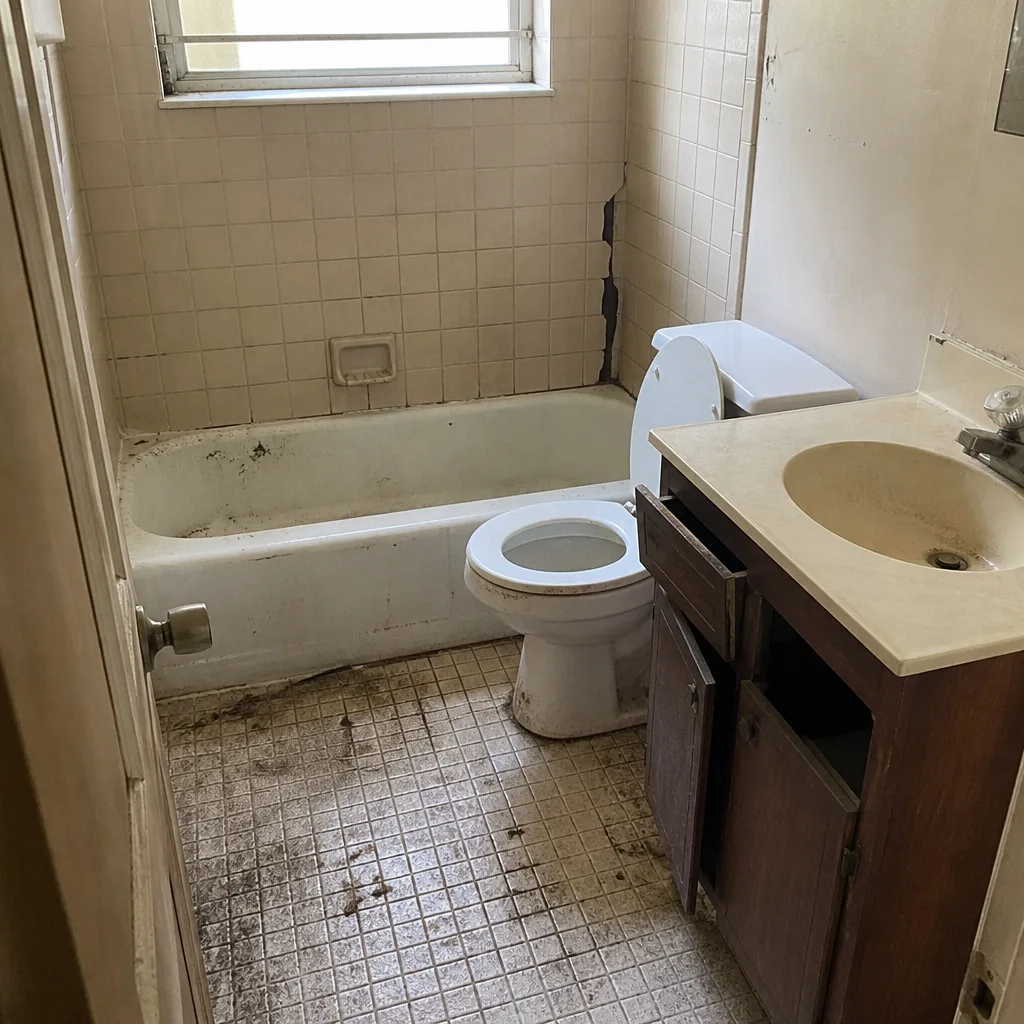
See the difference
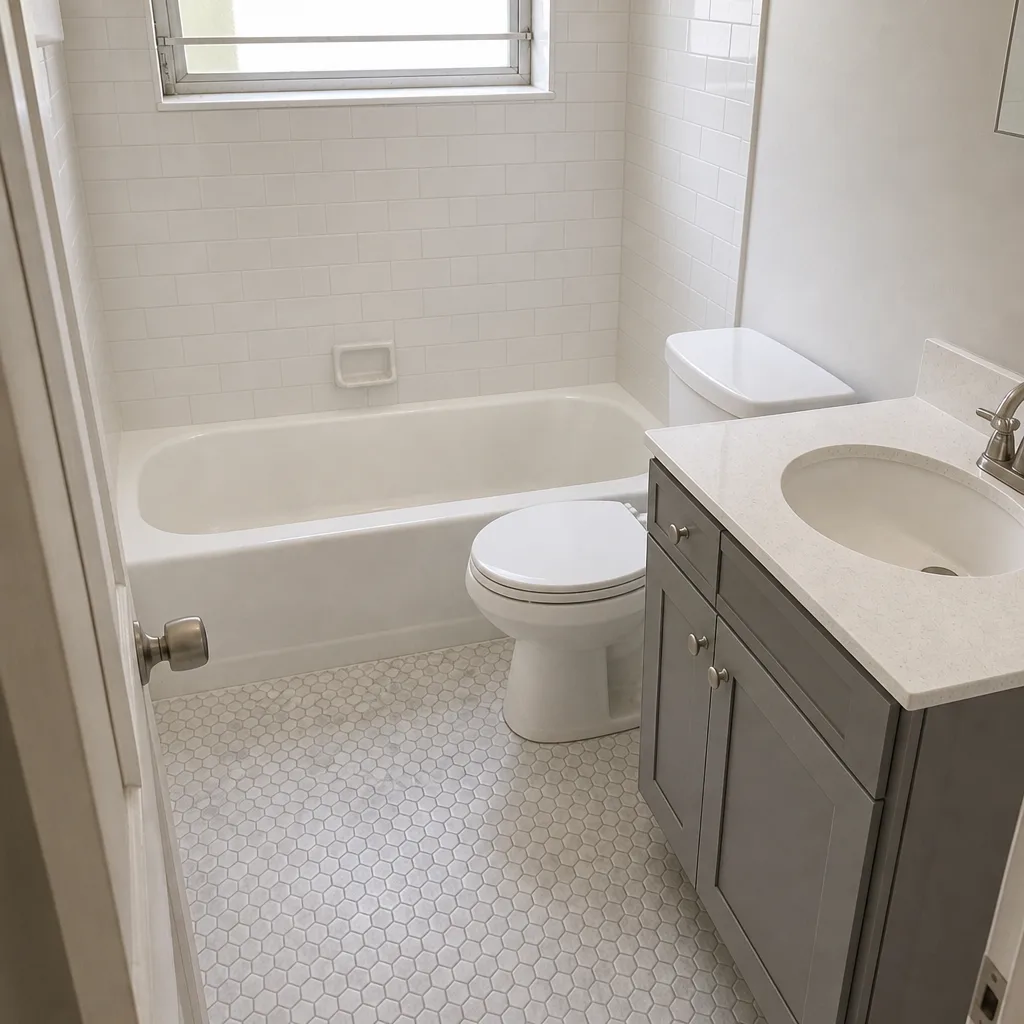
 Before
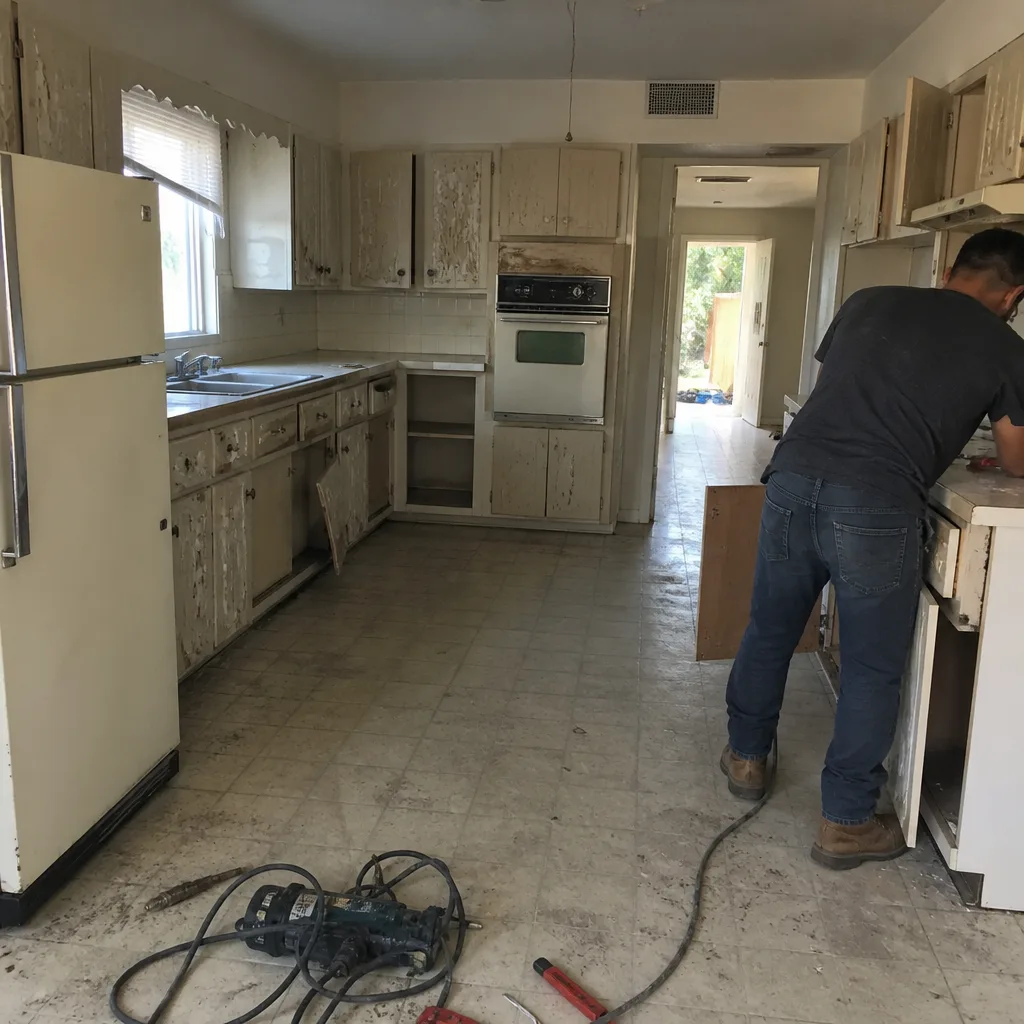
 After
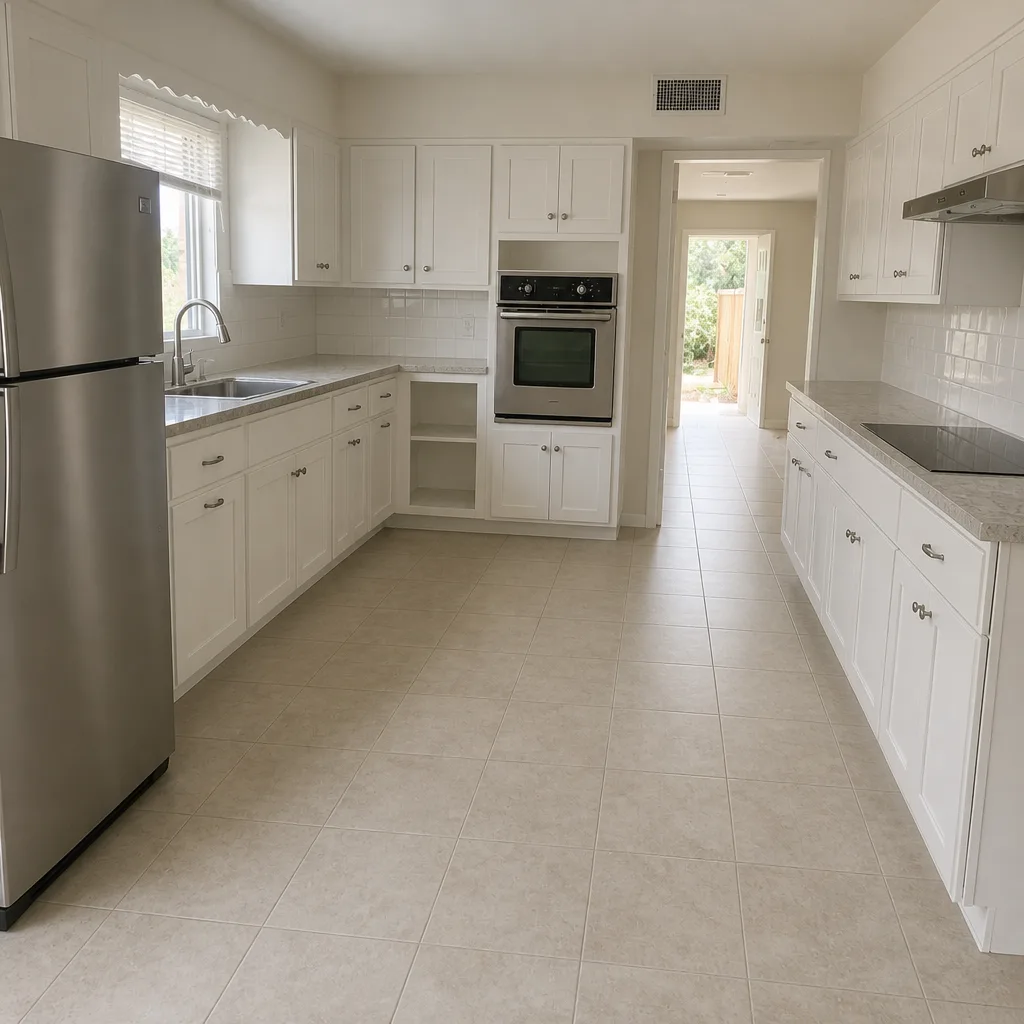
 Before
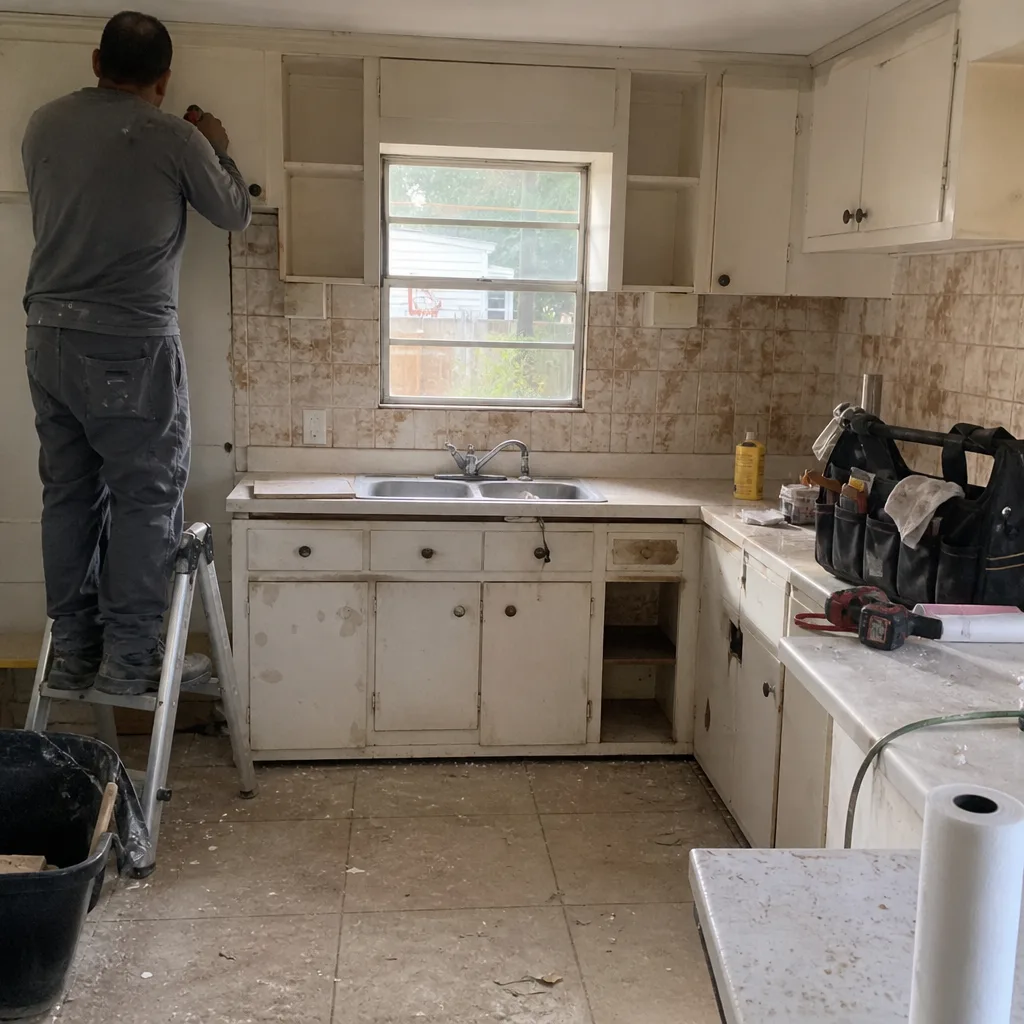
 After
 Before
 After
Replacement Cost & What’s Included
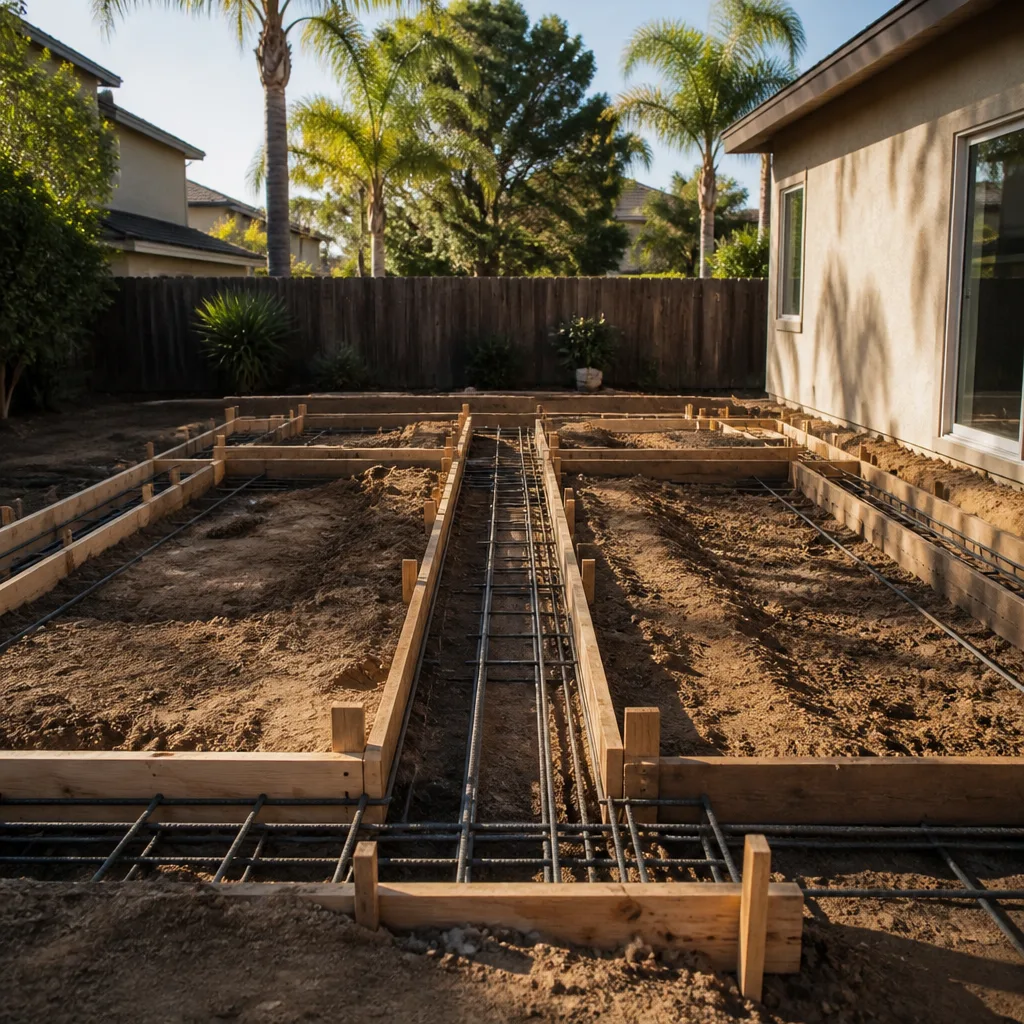
For North Miami, a home addition with Quikrete-spec foundation and stucco runs $53,100 – $153,400 installed. ADU construction is $106,200 – $259,600, and a garage conversion – often the least expensive path to a livable unit – runs $35,400 – $94,400.
What pushes the number: slab size, whether the existing structure needs underpinning, impact-rated openings, and how much plumbing and electrical the unit requires. What’s in every quote we write: the concrete and stucco products by name, permits pulled and inspections passed, the labor, and the disposal. Parts and labor are broken out so you can see what you’re paying for. You get a written price before any work starts, and our 365-Day Done Right Promise sits on top – if the work fails inside the guarantee period, we come back and fix it at no charge.
- Home Addition: $53,100 – $153,400
- ADU Construction: $106,200 – $259,600
- Garage Conversion: $35,400 – $94,400
Call (888) 255-7411 for an exact quote – estimates are free, and a live person answers any hour.
DIY or Call Us?
There’s a real line between what a homeowner can safely check and where this turns dangerous. You can read the product name and strength on a bag, photograph a crack with a ruler next to it to track whether it’s growing, and note where water pools after a heavy rain. That’s useful information to bring to us.
What you shouldn’t do yourself: pour or patch structural concrete, tamper with a footing, or chase a widening crack with a bag of repair mix. Load-bearing work, gas and electrical in an ADU, and any change to the building envelope require licensed trades and permits in North Miami. A patch that hides a moving footing is worse than no patch. If a structural element is involved, keep people off it and let a trained professional assess it.
If you’re not sure which side of the line you’re on, call (888) 255-7411. We’ll tell you honestly whether it’s a repair or a rebuild before you spend a dollar.
FAQs

Properly poured and cured concrete in this climate should hold for decades – often 50 years or more for a structural slab – provided drainage is handled and the surface is maintained. The weak points are usually drainage and repair patches, not the original pour. Call (888) 255-7411 if you want an honest assessment of an existing slab or footing.
Sometimes, yes – surface spalling and cosmetic stucco issues are often repairable, while a moving footing or a slab that’s cracked through usually means rebuild. The deciding factor is whether the crack is structural or cosmetic. We’ll look and tell you plainly which one you have.
A focused repair or patch may take a few days, while a full addition or ADU is a multi-month project with permits and inspections built in. There’s no same-day version of this work, and anyone who promises one isn’t being straight with you. Call (888) 255-7411 and we’ll give you a real timeline in writing.
We specify the product the plans and Miami-Dade approval require, name it in your written quote, and document what went in. For the finishes, we draw from recognized trade brands so the warranties stack up correctly. Call (888) 255-7411 for a free estimate and a written line-item breakdown.
Written by the team at Penhallow Remodeling North Miami, serving North Miami and nearby areas.