Last updated November 17, 2026








Free written scope consultation - allowances, timeline, and change-order rules on paper before a single trade is scheduled
Bathroom Remodeling Troubleshooting: Common Problems and How to Fix Them
If your grout is cracking less than two years after a remodel, the grout isn’t the problem. It’s the substrate movement underneath it, and re-grouting without fixing that will fail in another eighteen months. Here’s the pattern we’ve watched play out across North Miami: a bathroom gets rebuilt, looks gorgeous for a season, then a symptom shows up that the homeowner chases for a year – a soft spot by the shower, a musty smell that won’t leave, a paint bubble on the ceiling below. Almost always, moisture found a path the contractor swore was closed. This guide walks you through diagnosing where the failure actually lives, because the fix and the person responsible depend entirely on the source.
Quick Answer
Nearly every post-remodel bathroom problem traces back to one of three failures: waterproofing that wasn’t installed correctly behind the tile, a grout or caulk seal that gave out at a movement point, or a plumbing connection that leaked inside the wall. The right repair depends on which one you have, and treating the surface symptom (re-grouting, repainting, wiping away mold) fails because the moisture source keeps running. Diagnose first, then repair.
Styles & brands we work with
- Kitchen remodeling
- Bathroom remodeling
- Home additions & ADU
- Roofing
- Windows & doors
- Driveway & pavers
- Fence
Table of Contents
- The Three Failure Types: Waterproofing, Grout, and Plumbing
- How to Diagnose a Water Problem in One Weekend
- The Soft Floor Test: Checking Subfloor Health Without Demo
- Mold Behind the Wall: What Proper Remediation Actually Requires
- How to Document a Post-Remodel Defect
- Florida Implied Warranty vs. Your Contractor’s Guarantee
- Ventilation and North Miami Humidity
- Repair or Rebuild? Deciding What’s Worth Saving
The Three Failure Types: Waterproofing, Grout, and Plumbing
When water shows up where it shouldn’t in a bathroom, it comes from one of three places. The repair cost and the question of who pays differ wildly between them, so identifying the correct type is the first job.
Waterproofing failure. The membrane behind your tile – the sheet or liquid layer that’s supposed to stop water before it reaches framing – was either missing, installed backwards, or breached during a later trade’s work. The tell: staining spreads across a wide area of tile or drywall, mold appears low and broad, and the problem gets worse after every shower. This is a gut-level repair, because the waterproofing lives under everything.
Grout and caulk failure. The tile and structure are fine; the flexible seals gave out. The tell: isolated dark lines, a crack at one corner or the shower curb, discoloration along a single joint. This is the cheapest fix, but only if you catch it before water has had months to work behind it.
Plumbing connection failure. A supply line, drain fitting, or valve behind the wall is leaking slowly. The tell: water appears constant regardless of shower use, the ceiling or floor below shows staining, and you may hear a faint drip. This one needs a plumber and a wall opened – no amount of re-grouting touches it.
In our experience across North Miami, homeowners often guess wrong between grout failure and waterproofing failure, patch the grout, and lose six months to a leak that never stopped running.
How to Diagnose a Water Problem in One Weekend
You can narrow the source down without tearing anything out. Work through these steps in order and write down what you see at each one.
- Stop using the shower for 48 hours. If the moisture, smell, or stain stops growing, the problem is tied to shower use – which points to waterproofing or grout. If it keeps growing while the shower sits idle, suspect the plumbing.
- Check every caulk joint and grout line. Run a dry fingertip along the shower curb, inside corners, and the floor-to-wall seam. Cracks, gaps, or soft crumbling grout are grout failure until proven otherwise.
- Look at the ceiling and floor below. A stain on the ceiling below the bathroom means water is traveling through the subfloor or framing – that’s beyond the tile surface and points to waterproofing or plumbing.
- Test the shower pan separately. Plug the drain and fill the pan with an inch of water. Mark the level with tape, wait a few hours, and check whether it drops. A dropping level means the pan itself leaks.
- Sniff and inspect the wall cavity. Musty odor with no visible surface mold often means moisture is trapped behind the wall.
- Photograph everything with dates. Every symptom, every test result, every reading.
If the shower stops leaking when you stop using it and the joints all look sound, you’re likely looking at a waterproofing problem that lives under the tile. A contractor needs to see it. For a broader look at how a proper rebuild handles this, our Bathroom Remodeling in North Miami page covers what goes in before the tile.
The Soft Floor Test: Checking Subfloor Health Without Demo
A soft floor around the toilet or shower is the single most missed symptom in post-remodel troubleshooting, because it doesn’t show until the subfloor has been wet for a long time. You can check for it without pulling up a single tile.
The coin tap test. Tap a coin firmly across the tile floor, from the dry side of the room toward the shower and toilet. A sharp, tight click means the tile is bonded to solid substrate. A dull, hollow thud means the tile has separated from what’s below it – that’s called a “tent” or “debond,” and it signals movement or moisture.
The press test. Stand in socks and press your weight slowly in a grid over the floor near the toilet flange and shower threshold. Any give, sponge, or flex means the subfloor is compromised. Compare to a dry corner of the same room; the difference should be obvious.
Why it matters for scope. A soft subfloor changes the repair from cosmetic to structural. Tile has to come up, the damaged plywood or cement board has to be cut out, and the moisture source has to be found before anything replaces it. In cities like North Miami, where humidity sits high most of the year, a slow leak under a floor can soften plywood in far less time than homeowners expect.
If your floor passes both tests but the grout is still cracking, you’re likely dealing with substrate movement rather than water – thin-set applied over a floor that flexes. Our General Contractor in North Miami team can assess whether that’s a re-set or a full replacement.
Mold Behind the Wall: What Proper Remediation Actually Requires
What most homeowners get offered for mold after a remodel is a spray-bottle treatment on the visible surface. That treats what you can see. Mold behind tile or drywall means the colony is rooted in the paper facing, the cement board, or the framing, and a surface wipe leaves the roots and the moisture source untouched.
Proper remediation follows a sequence that any competent contractor should describe without hesitation:
- Fix the moisture source first. Remediating mold in a wall that still leaks is throwing money at an active problem. Waterproofing or plumbing gets addressed before or during the mold work.
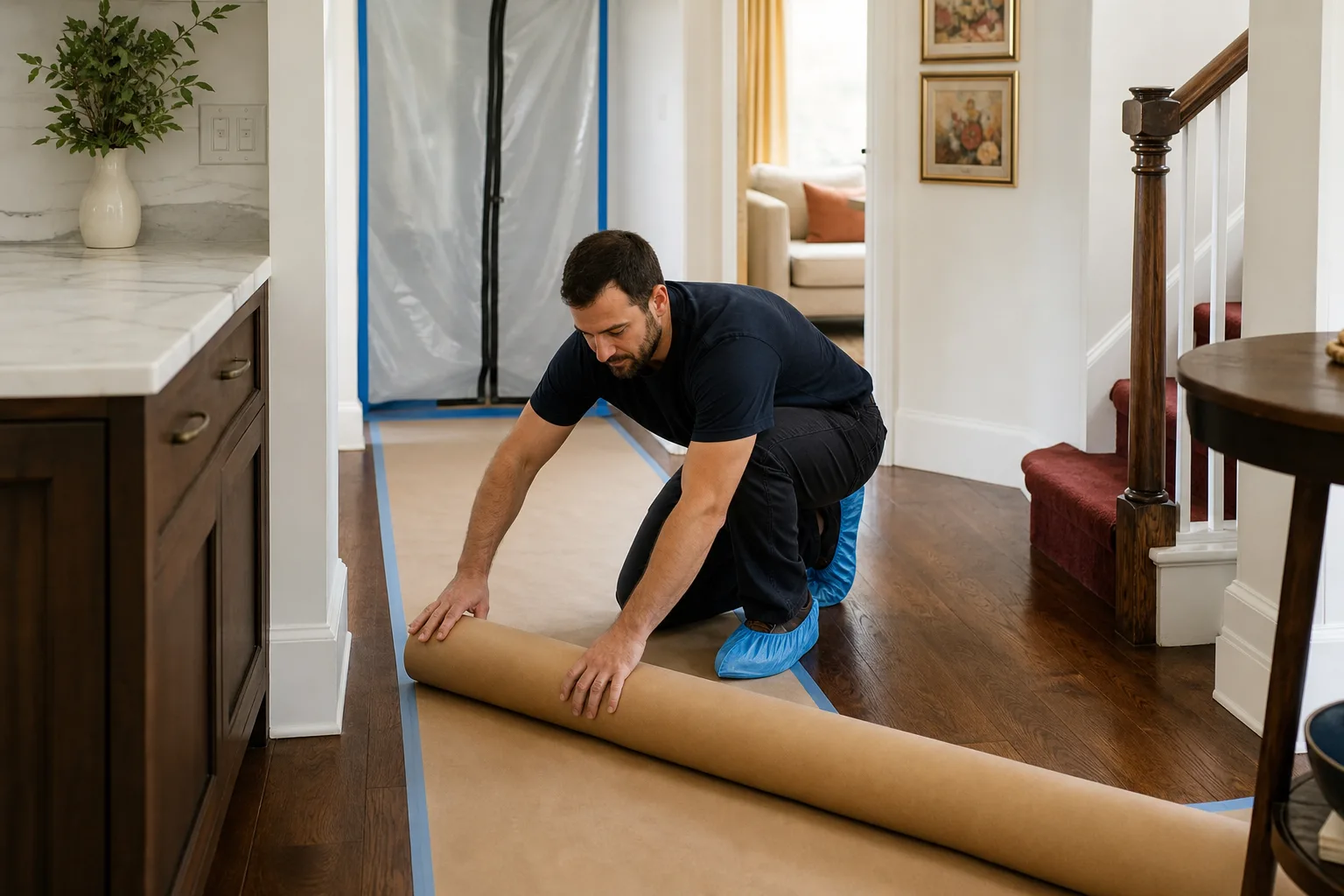
- Contain the work area. Plastic sheeting and negative air pressure keep spores from spreading into the rest of the house during demo.
- Remove porous materials that hold spores. Drywall, insulation, and damaged framing come out – they don’t get painted over.
- Clean and dry the structure. Non-porous surfaces get cleaned, the cavity gets dried, and moisture readings are documented before anything closes back up.
- Verify before rebuild. Rebuild only after the cavity is dry and the source is permanently closed.
Florida’s humidity makes this non-optional. A bathroom with a hidden leak in North Miami can grow a serious colony in weeks. Our Penhallow Remodeling North Miami home team walks you through what remediation actually requires on any bathroom rebuild we take on.
How to Document a Post-Remodel Defect
If your contractor disputes responsibility, the homeowner with clean records wins the conversation. Build the file from day one, even if you’re not yet sure the problem is serious.
- Photograph the symptom the day you notice it. Include a coin, tape measure, or ruler in the frame for scale, and capture a wide shot and a close-up of every affected area.
- Log dates and observations in a written journal. Note what you saw, what you did (shower use, tap test, sniff test), and what changed. A simple document is more useful than memory.
- Keep every receipt and warranty document from the original job. The written price, the written guarantee, product warranties (if your fixtures are Kohler, Moen, or similar, the manufacturer warranty may apply to parts), permits, and any inspection sign-offs.
- Send written notice to the contractor as soon as you identify a defect. Email is best – it timestamps. Describe the problem, reference the guarantee, and ask for a scheduled inspection.
- Photograph each interaction or failed visit. If a repair was attempted and didn’t hold, record what was done and when. Repeated failed visits build a clear pattern.
- Keep all communications together. Texts, emails, and signed agreements belong in one file.
A written guarantee on every job is exactly the document that makes this simple. The Kitchen Remodeling in North Miami page shows how the same documentation works for a larger renovation.
Florida Implied Warranty vs. Your Contractor’s Guarantee
Florida gives homeowners an implied warranty of habitability on new construction and substantial renovations. It means the work must be fit to live in, and it applies whether or not the contract mentions it. The window generally runs for several years depending on the scope and the defect, and it covers structural or life-safety failures like a shower that leaks into the framing, not cosmetic complaints.
Your contractor’s written workmanship guarantee sits alongside that. Where the implied warranty is broad and legal, your written guarantee is specific and easy to invoke: the failure happens within the guarantee period, you notify in writing, and the contractor returns to fix it at no charge. The two overlap most clearly in the first year or two after a remodel, when a waterproofing or plumbing defect first shows.
The practical takeaway: don’t wait. If you see a defect and the workmanship guarantee is still open, use it. That clock is the easier one to run. The implied warranty is your backstop if the contractor won’t honor a written guarantee, but it takes longer and costs more to enforce.
Ventilation and North Miami Humidity
Some bathroom problems aren’t failures at all – they’re ventilation problems, and they look identical to a leak. North Miami’s year-round humidity means a poorly vented bathroom doesn’t have time to dry between showers. Moisture sits, grout darkens, paint peels, and mold gets a foothold.
The tell: the problem shows up across all wet surfaces at once, gets worse in rainy months, and improves when you leave the bathroom window open for a week. The fix is often a better or working exhaust fan, not a re-waterproofing.
Check the fan by holding a tissue against the grille while it runs. If the tissue flutters and holds, the fan is pulling air. If it falls off, the fan is blocked, undersized, or dead. For high-humidity climates, an exhaust fan rated for the square footage matters more than the builder’s default unit, and a humidity-sensing switch helps more than remembering to flip the fan on.
Repair or Rebuild? Deciding What’s Worth Saving
Once you know the failure type, the scope question is easier to answer. The general rule: if the waterproofing is the failure, you rebuild; if the grout or caulk is the failure, you repair; if the plumbing is the failure, you open the wall and repair the connection without rebuilding the whole room.
The judgment calls:
- Grout-only failure with no staining under it: repair, roughly $150 – $400 for a small bathroom depending on area and whether the joints need partial removal.
- Caulk-only failure at seams and curb: repair, $100 – $250, but expect to reseal every few years in North Miami humidity regardless of how good the job is.
- Widespread staining or soft subfloor with a wet cavity: rebuild the shower or floor. This is the expensive path – $3,500 – $12,000+ depending on extent – but re-tiling over a failure will fail again.
- Plumbing connection failure: repair the connection, patch the wall, re-tile only the affected area. Cost depends almost entirely on where the connection is.
If a rebuild is in your future, get a written price before work starts, not a verbal estimate. That’s the single test that separates a real contractor from one who will change the number at the door.
Common Mistakes to Avoid
- Re-grouting a waterproofing failure. If the membrane is breached, fresh grout just hides the leak for another six to eighteen months while the framing quietly rots. Grout is not the waterproofing layer.
- Treating visible mold with bleach and calling it done. Surface treatments leave the roots in the wall and the moisture source running. In North Miami’s humidity, the colony is back within weeks.
- Ignoring a soft floor because it doesn’t hurt yet. A sponge under your feet means the subfloor is compromised. Waiting turns a $2,000 repair into a $10,000 rebuild.
- Accepting a verbal guarantee. If it isn’t in writing, with a defined period and what’s covered, it isn’t a guarantee – it’s a wish. Get the number and the promise on paper before work begins.
- Not documenting the defect when you first spot it. A timestamped email to the contractor and dated photos are your best protection if responsibility gets disputed.
- Skipping the permit because “it’s just a bathroom.” In most Florida jurisdictions, a bathroom remodel with plumbing or electrical changes needs a permit and an inspection. Unpermitted work can jeopardize your insurance and complicate a future sale.
- Choosing the lowest bid without a written scope. A bid that doesn’t say what material, what substrate, and what’s excluded isn’t a price – it’s an opening number. Compare written line-item scopes, not totals.
See the difference
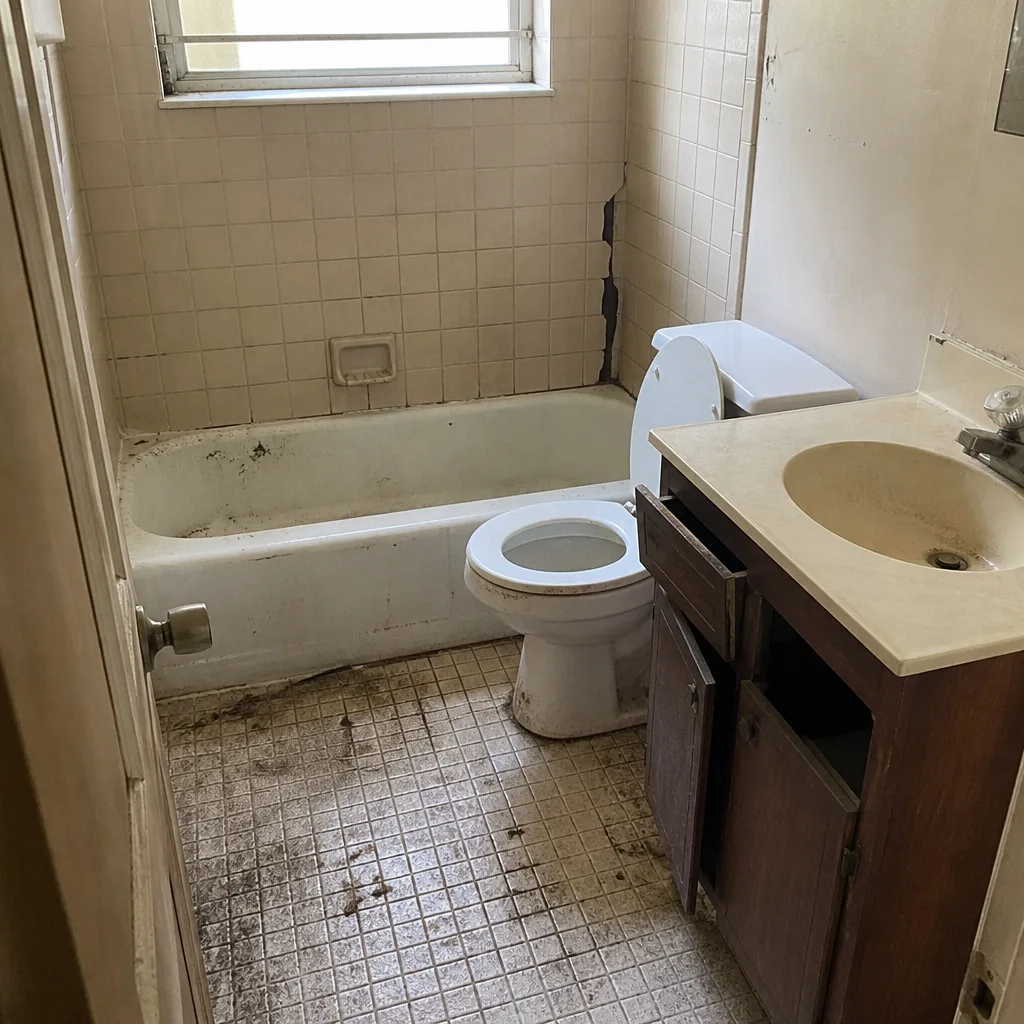 Before
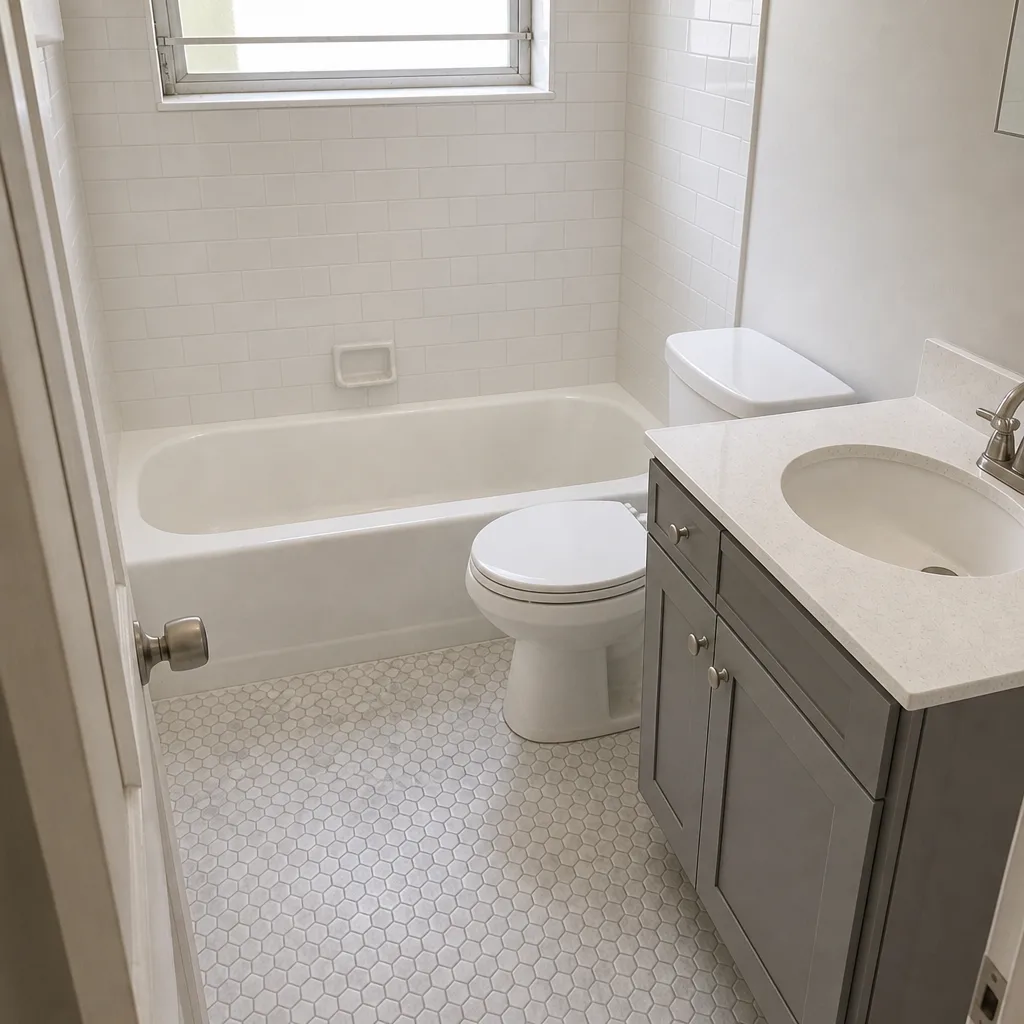 After
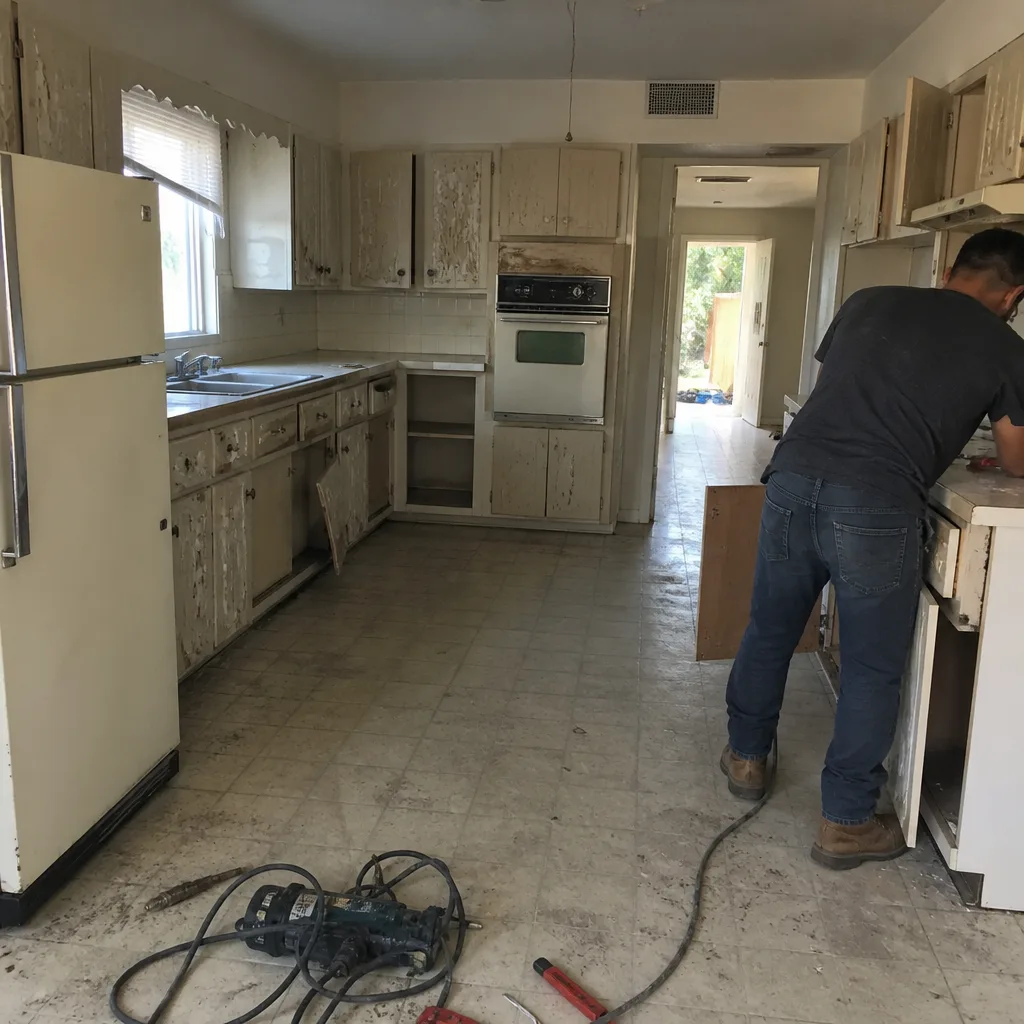 Before
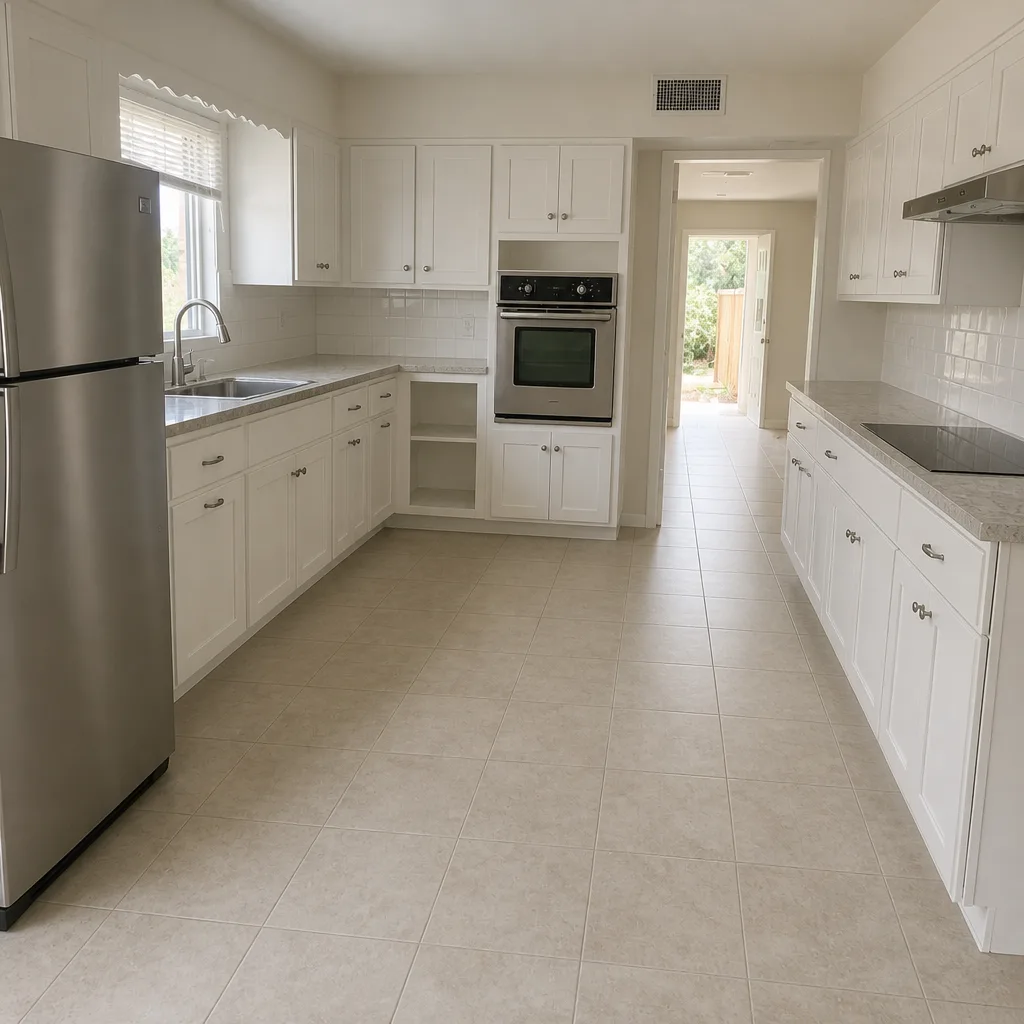 After
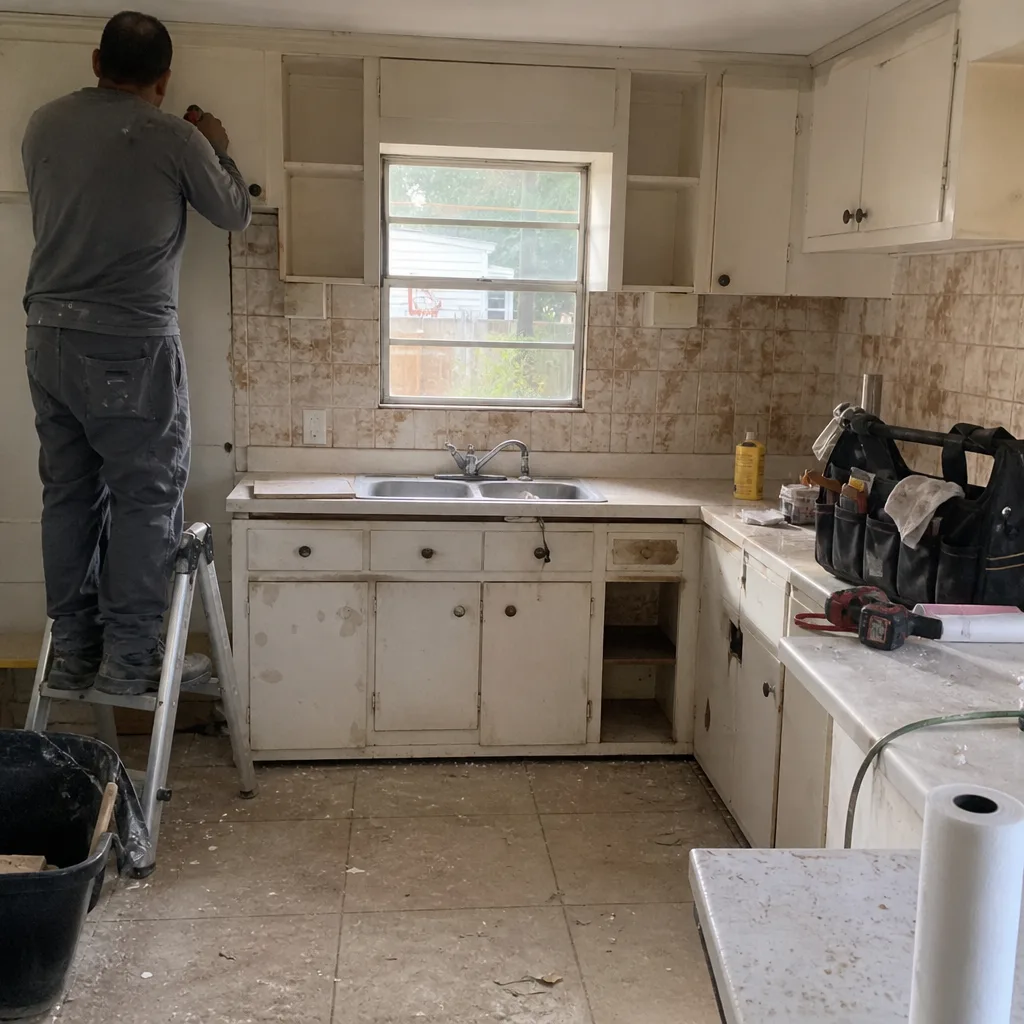 Before
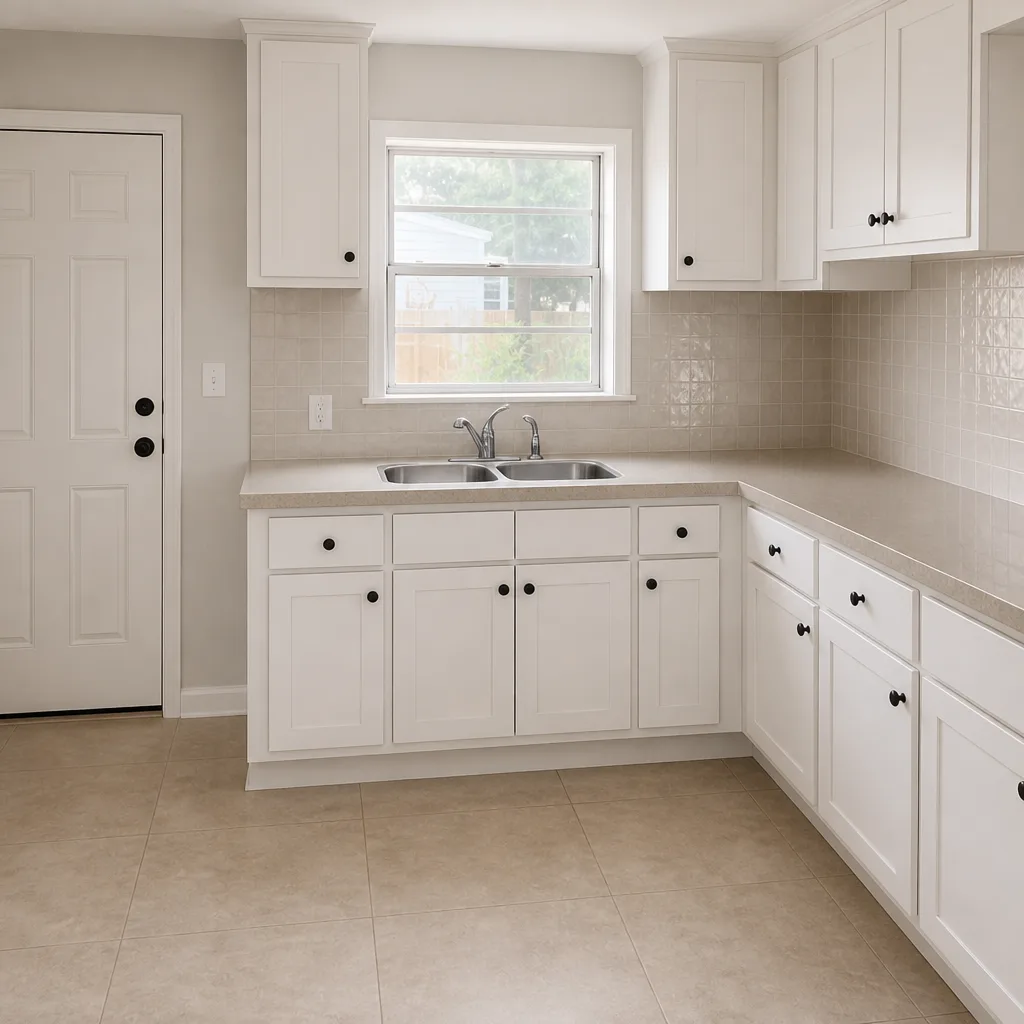 After
When to Call a Professional
Call a professional when the shower stops leaking only because you stopped using it, when a ceiling stain shows below the bathroom, when the floor gives under your foot, when you smell mold with nothing visible, or when a repair was attempted and failed within a year. Those are the moments where diagnosis matters most and where the wrong fix costs the most. Also call when you’re not sure whose fault the problem is – a contractor can walk the room, test the pan, check the subfloor, and tell you whether the issue is waterproofing, grout, or plumbing in an hour. Penhallow Remodeling North Miami offers free estimates in North Miami – call (888) 255-7411. Our technicians have up to 22 years of experience, are background-checked, and arrive in uniform so you know who’s in your home. Every project comes with a written price before work starts and a 365-Day Done Right Promise in writing.
Frequently Asked Questions

Grout cracks when the substrate underneath it moves. Fresh grout over a floor or wall that flexes – thin-set over a floor with deflection, or tile bonded to a surface that wasn’t properly prepped – will crack within a year or two regardless of how good the grout is. Re-grouting without fixing the movement is a temporary patch that fails again. The fix is to identify whether it’s floor deflection or a water issue underneath; a contractor can test both. Call (888) 255-7411 for a free estimate if you’re not sure which.
A waterproofing leak shows up in a broad pattern tied to shower use – staining spreads, gets worse after every shower, and stops growing within 48 hours of stopping shower use. A plumbing leak doesn’t care whether you use the shower – water keeps appearing, often with a faint drip sound and staining on the floor or ceiling below. Test by stopping shower use for two days and watching. If it keeps growing, call (888) 255-7411 to get a plumber in.
Grout and caulk repairs typically run $100 – $400. Diagnosing and repairing a plumbing connection inside a wall runs $350 – $1,200 depending on location. Fixing a failed waterproofing job and re-tiling the shower runs $3,500 – $12,000+ depending on extent and whether the subfloor needs replacement. Every one of those depends on the failure type, not the visible symptom. Get a written price before work starts – call (888) 255-7411 for a free estimate.
Often, yes. Any repair that touches plumbing, electrical, or structural framing – which covers most waterproofing and subfloor repairs – needs a permit and a final inspection in most Florida jurisdictions. Cosmetic-only repairs (re-grouting, re-caulking) generally don’t. If a contractor tells you a permit isn’t needed for a repair that opens a wall or moves plumbing, ask for the code citation in writing before you sign. Our team pulls the permits on every job that requires them.
It means that if the work fails inside the guarantee period, the contractor returns and fixes it at no charge, and the promise is written on the job. It covers workmanship – the parts of the job the contractor controlled: waterproofing, tile setting, plumbing connections, substrate prep. It doesn’t cover damage from misuse or from a new leak after the fact. If something fails within the year, you notify in writing and the fix is on the contractor. Still confused? Call (888) 255-7411 for a free estimate on the repair.
Only if the moisture source comes back. Proper remediation removes the porous material holding the colony, cleans the structure, dries the cavity, and closes the water source – none of which guarantees anything if a slow leak keeps running. The key question to ask any contractor is: what specifically causes the moisture, and how is it being permanently fixed? If the answer is vague, get a second opinion. Call (888) 255-7411 for a free estimate on both the diagnosis and the repair.
The Bottom Line
Bathroom remodel problems are diagnostic before they’re fixable. Find out whether you’re dealing with a waterproofing failure, a grout or caulk failure, or a plumbing connection – because the repair, the cost, and the person responsible are different for each. The soft floor test, the 48-hour shower test, and the shower pan test are three cheap checks any homeowner can run this weekend. Keep photos and dates from the moment you notice something. And hold contractors to the two things that separate a real one from a bad experience: a written price before work starts, and a written guarantee with a defined period. If your North Miami bathroom has a symptom you can’t trace, call (888) 255-7411 for a free estimate. A live person answers 24/7, technicians are background-checked and arrive in uniform, and every project is backed by the 365-Day Done Right Promise in writing.
Written by the team at Penhallow Remodeling North Miami.