


How to Choose the Right Construction Company in North Miami
Every contractor in North Miami will tell you they do quality work. The useful question isn’t “do you do good work?” It’s “what’s your process when the tile cracks six months after you leave?” Choosing a construction company in North Miami comes down to what happens when something goes wrong, and whether that answer is written down. A verbal promise to “take care of you” is worth exactly what the paper it’s printed on. Get it in writing, or keep calling.
If you’d rather have someone walk you through it than read it, call (888) 255-7411. A real person answers, day or night, and estimates are free.
The One Question That Separates Contractors Worth Hiring

Ask every contractor you interview this: “If the work fails inside the first year, what happens, and is that in the contract?” The ones worth hiring answer without pausing. They point to a written guarantee, tell you what it covers, and explain how to use it. The ones to walk away from get vague. They say things like “we stand behind our work” or “call us and we’ll work something out.” Those aren’t answers. They’re hopes.
We’ve learned this the hard way on job sites across North Miami. The difference between a company that fixes its own mistakes and one that ghosts you isn’t price or portfolio. It’s whether the guarantee exists in ink before demo day. Before anyone touches a cabinet, ask to see the guarantee language in the actual contract. Read what triggers it, what it excludes, and how long it lasts. A guarantee you can’t hold in your hand isn’t a guarantee. It’s a conversation.
The Kingswell standard, which Penhallow operates under, exists because of this exact gap. Written price before work starts. A real arrival window. A clean job site. A written guarantee on every project, including our 365-Day Done Right Promise. Say the price before the work. Show up in the window we gave. Leave the place cleaner than we found it. Three lines, and most contractors can’t do all of them on the same job.
Your North Miami Vetting Checklist: License, Permits, Insurance, References
North Miami sits in Miami-Dade County, and the rules that apply here are specific. Before you sign anything, verify these four things. Skip one and you’re gambling with your own money.
- Florida license. Florida requires construction contractors to be state-licensed through the Department of Business and Professional Regulation (DBPR). Look up the license number on the DBPR website, not the contractor’s own flyer. Make sure the license is active and covers the type of work you’re hiring for. A general contractor license is different from a specialty license, and whole-home work needs the right one.
- Miami-Dade permit history. Pull their past permits on the Miami-Dade County public portal. More on this below, because it’s the most revealing step on the list.
- Insurance certificate. Ask for a current certificate of insurance showing both general liability and workers’ compensation. Call the insurance company listed on the certificate to confirm it’s active. A certificate is easy to fake in a PDF. A phone call to the carrier is not.
- Three verifiable local references. Not names on a sheet. Actual phone numbers for jobs completed in Miami-Dade in the last 12 months. Call all three. Ask what went wrong, because every job has something.
Our technicians have up to 22 years of experience, and the first thing any of them will tell you is that the paperwork check takes an hour. An unlicensed contractor dispute can take years.
How to Read a Contractor’s Permit History on the Miami-Dade Portal

The Miami-Dade County online permit portal is free and open to the public. Search by contractor name or license number and you’ll get a list of every permit they’ve pulled. Here’s how to read it like someone who’s been burned before.
- Closed permits are the good sign. A permit marked “closed” or “finaled” means the work passed inspection and the contractor finished the job. A long list of closed permits in North Miami and the surrounding neighborhoods tells you this company actually completes what it starts.
- Open permits are a warning. A permit opened two years ago and never closed means either the job stalled, the inspection failed, or the contractor walked. Ask about any open permit directly. Their answer tells you more than the portal does.
- Failed inspections matter, but not the way you’d think. Every contractor fails an inspection eventually, because Miami-Dade inspectors are thorough. What matters is what happened next. A failed inspection followed by a re-inspection that passed within a week is normal. Three failed inspections on the same permit is a pattern.
- Look at the permit types. If you’re hiring for a kitchen or bathroom remodel, you want to see permits for that kind of work, not just fence and shed permits. A contractor with no electrical or plumbing permits on record shouldn’t be pulling yours.
This takes ten minutes and it will save you from the single most common contractor mistake in North Miami: hiring someone who pulls permits under another company’s name.
What a Real Written Contract Looks Like (Versus a One-Page Proposal)
A one-page proposal with a lump sum and a signature line is not a contract. It’s a handshake with a font. A contract you can actually hold a contractor to will run several pages, and it will contain specific language. Here’s what to require, in writing, before you sign.
- A line-item price, not a total. Materials, labor, permits, disposal, and any allowances broken out separately. If a contractor won’t itemize, you won’t know what changed when the price goes up.
- A change order process. Written approval required before any extra work proceeds. No exceptions, no verbal “we’ll sort it out.” If they start extra work without your signature, you don’t pay for it. Put that in the contract.
- A written arrival window. Not “morning” or “sometime Tuesday.” A two-hour window, and what happens if they miss it.
- A payment schedule tied to completed stages. Deposit small, payments spread across milestones, final payment only after the job passes inspection. Never pay more than a third upfront, and never pay in cash.
- The written guarantee. What it covers, how long it lasts, what happens if something fails, and who to call. The 365-Day Done Right Promise lives here, in the agreement, not in a brochure.
- A dispute resolution clause. Where disputes go and how they’re resolved. Mediation first, then the specific legal avenue. This is the clause nobody reads until they need it.
If a contractor pushes back on any of these terms, that’s your answer. It’s not about being difficult. A week of contract negotiation in North Miami is cheaper than a year of contractor dispute.
The Interview Questions That Reveal a Contractor’s Actual Process
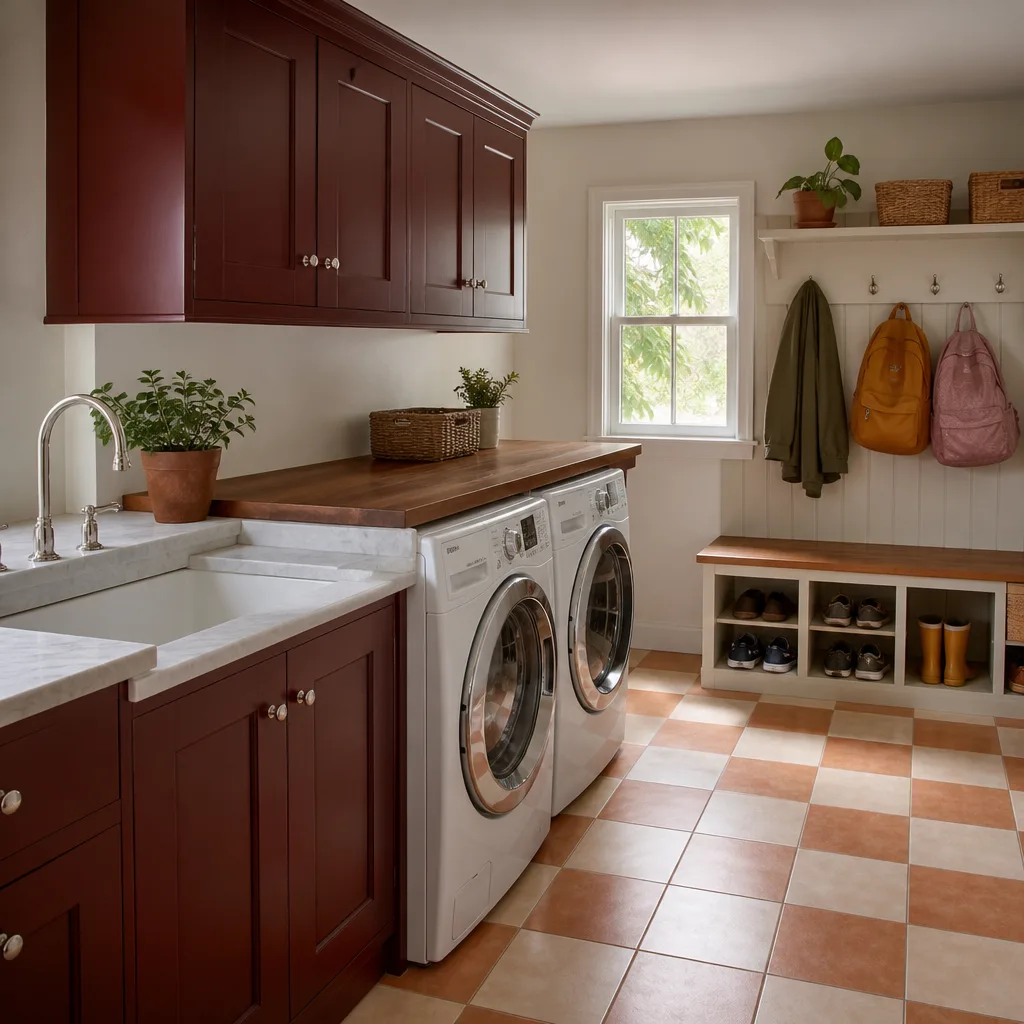
Portfolios look alike. Processes don’t. These questions, asked in person, will tell you whether a contractor has a real system or is making it up as they go. Write down their answers. Vague answers are answers too.
- 1
“Walk me through a change order on your last job.” You’re listening for a written process with a signature. If they describe a phone call where they “just agreed on it,” you’re talking to a company that will adjust your price by memory.
- 2
“What’s your arrival guarantee, and what happens if you miss it?” The best answer includes a specific window and a specific remedy. “We always show up on time” is not a system, it’s a wish.
- 3
“How do you handle it when a homeowner and your crew disagree?” You’re checking whether disputes escalate to a real person, get resolved in writing, or disappear.
- 4
“Who’s actually on my job, and are they background-checked?” On a bathroom remodel, strangers walk through your home for weeks. You deserve to know who they are.
- 5
“What does your guarantee cover, and can I read it right now?” If they can’t produce the guarantee during the interview, it doesn’t exist as a document.
We’ve run these questions on ourselves, and one of them is always uncomfortable: the arrival window. It’s easy to give a four-hour window and call it a guarantee. It’s harder to give a two-hour window and mean it. That’s why The Kingswell Way treats the window as a commitment, not a courtesy.
Low Bid: Genuinely Competitive, or Buying the Job?
A low bid isn’t automatically a bad bid. Some contractors are genuinely leaner on overhead, and the savings are real. But other low bids come from corners that haven’t been cut yet, and the difference between the two isn’t on the estimate. It’s in the details. Ask these questions before you accept a low bid, in North Miami or anywhere else.
- Does the bid include permits? Permit fees in Miami-Dade aren’t small. A bid without permits is either not pulling them (illegal) or passing the cost to you later.
- Is the deposit unusually small or unusually large? Very small deposits can signal a contractor front-loading costs on the next job. Very large deposits can signal cash-flow problems. Either one deserves a question.
- What’s the product line? A bid quoting “cabinets” without a brand is quoting a placeholder. A bid quoting KraftMaid, Wellborn, or another named line is quoting a product. We install KraftMaid and Wellborn cabinetry, Cambria, Silestone, and Caesarstone countertops, and James Hardie siding, because those brands carry their own warranties alongside ours. When a bid doesn’t name the product, the product is whatever the contractor can source cheapest on the day.
- How many jobs is the contractor running at once? The lowest bid often comes from the busiest contractor. Busy contractors finish slowly.
- Is the timeline realistic? A kitchen remodel in North Miami that typically takes six weeks promised in three is a bid designed to win, not to build.
On a kitchen or bathroom remodel, a low bid that saves $4,000 but adds eight weeks and a redo isn’t a savings. It’s a different line of cost.
When to Call a Pro
Some work genuinely isn’t DIY: electrical panel work, gas line changes, load-bearing wall removal, and anything that needs a permit. The rest is experience. If your project involves moving plumbing runs, changing the layout of a kitchen or bathroom, or touching structural framing, get a licensed professional. The savings from DIY in those categories are real right up until the first inspection, and then they’re gone. If you’re not sure where your project falls, that’s already a reason to call.
Related services in North Miami: if you’re planning a renovation, start with our kitchen remodeling in North Miami or bathroom remodeling in North Miami pages for pricing ranges and what’s included. For whole-home projects and structural work, our general contractor in North Miami page walks through permits and scheduling. And for everything else, the Penhallow Remodeling North Miami home page has the full picture.
The Bottom Line
Choosing a construction company in North Miami is a process question, not a portfolio question. Verify the Florida license, read the Miami-Dade permit history, call the insurance carrier, and call three references. Then require a written contract with a line-item price, a change order process, a real arrival window, and a written guarantee. Interview for process, not for promises. And when a bid looks low, ask what corners aren’t on the page yet. Those four moves will filter out almost every contractor who’s going to disappear after the final draw. If you’re in North Miami and need help, Penhallow Remodeling North Miami offers free estimates and a written price before any work starts. Call (888) 255-7411. A live person answers, day or night.
Frequently Asked Questions
Look the contractor up on the Florida Department of Business and Professional Regulation (DBPR) website by name or license number. Confirm the license is active and covers the type of work you’re hiring for. Ask for the license number in writing before you sign anything. On any job in North Miami, an out-of-state or unlisted number is a red flag. If a contractor can’t produce a license number on request, walk away. Call (888) 255-7411 for an exact quote on your project; estimates are free.
A line-item price, a written change order process, a real two-hour arrival window, a payment schedule tied to completed stages, a written guarantee covering at least the first year, and a dispute resolution clause. Miami-Dade permits and inspection responsibility should be named explicitly. If the contract is one page, it’s a proposal, not a contract. Call (888) 255-7411 to see a written price and guarantee on your project before any work starts.
It shouldn’t on a well-run job. The number on day one should be the number on the invoice. Price changes only on approved change orders, and only when they’re in writing before the extra work begins. Verbal changes and “we’ll sort it out at the end” are where most North Miami contractor disputes start. Call (888) 255-7411 for a written price you can hold us to.
Check whether the bid includes permits, whether the materials are named products or placeholders, whether the deposit is normal, and whether the timeline is realistic. A low bid that skips permits or quotes unnamed cabinets isn’t competitive. It’s buying the job. Call (888) 255-7411 to compare your bid against a line-item written quote.
Written by the team at Penhallow Remodeling North Miami.
Need Construction Help?
Call Penhallow Remodeling North Miami - licensed & insured, here with fast after-hours help in North Miami.
(888) 255-7411