Last updated November 17, 2026






Free written scope consultation - allowances, timeline, and change-order rules on paper before a single trade is scheduled
DIY vs Professional Construction: The North Miami Homeowner’s Decision Guide
Florida Statute 489 makes it a first-degree misdemeanor to perform certain construction work without a license. That means the YouTube tutorial that saved you $800 on a Saturday can cost you a lot more by the time an inspector, an insurer, or a buyer’s attorney gets involved. In North Miami, the line between “I can do this myself” and “I legally cannot do this myself” is sharper than most homeowners realize, and it runs straight through electrical, plumbing, roofing, and structural work. This guide draws that line in plain language: what you can legally self-perform, what the owner-builder exemption actually requires, how unpermitted work can sink an insurance claim, and how to scope a hybrid project so your labor and a licensed contractor’s labor fit together without gaps. If you finish reading and still want a written price before you decide, we’re a phone call away.
Quick Answer
In North Miami, you can legally handle cosmetic and finish work yourself – painting, flooring, cabinet installation, landscaping – but electrical, plumbing, roofing, and structural changes require a licensed contractor and a Miami-Dade County permit. The real cost of DIY isn’t the labor you save; it’s the permit exposure, the insurance exclusion, and the disclosure requirement if you sell within a year under the owner-builder exemption. For anything behind a wall, under a slab, or above your roofline, hire licensed. For surface work you’re genuinely capable of, DIY can pay off.
Styles & brands we work with
- Kitchen remodeling
- Bathroom remodeling
- Home additions & ADU
- Roofing
- Windows & doors
- Driveway & pavers
- Fence
Table of Contents
- Where Florida Law Draws the Line in North Miami
- What the Owner-Builder Exemption Actually Says
- How Unpermitted DIY Work Affects Your Insurance
- Permits in Miami-Dade: What Needs One and What Doesn’t
- A Realistic DIY Candidate List for North Miami Homes
- How to Scope a Hybrid Project
- What Professional Work Actually Costs in North Miami
- Common Mistakes to Avoid
Where Florida Law Draws the Line in North Miami
Florida Statute Chapter 489 governs contractor licensing, and it’s stricter than most homeowners expect. The statute defines “contracting” broadly enough to cover anything that requires a permit and affects the structural, electrical, plumbing, mechanical, or roofing systems of a building. If the work touches one of those systems, a licensed contractor has to pull the permit and perform or directly supervise the work. A homeowner doing the same work without a license is not a “DIYer” in the eyes of the state – they’re an unlicensed contractor, and that’s a first-degree misdemeanor.
The practical breakdown for North Miami homes looks like this:
- Licensed contractor required: any electrical work beyond swapping a light fixture on an existing circuit, any plumbing beyond replacing a faucet or toilet with like-for-like connections, all roofing, all structural changes including removing or adding walls, all work on load-bearing elements, gas line work, and anything that requires a building permit.
- Homeowner can legally self-perform: interior painting, drywall patching, tile work on existing substrate, cabinet installation (not the plumbing or electrical rough-in behind them), flooring installation, landscaping, fencing under six feet, and cosmetic finish work.
- The gray zone: window and door replacement. In Miami-Dade, windows and doors fall under the High-Velocity Hurricane Zone (HVHZ) product approval system, and even a straightforward replacement usually requires a permit and a product approval number. Brands like ES Windows and CGI carry the Miami-Dade NOA approvals that make this cleaner – but the permit still applies, and unpermitted installs are a common source of failed inspections and insurance disputes.
If you’re unsure whether your project crosses the line, the safest move is a free consult with a general contractor in North Miami before you buy materials.
What the Owner-Builder Exemption Actually Says
Florida Statute 489.103(7) allows a homeowner to act as their own contractor on a single-family residence they will occupy, but the exemption comes with strings that most people never read. You can build or improve your own home without a contractor’s license, provided you do the work yourself or supervise it directly, and the property is for your own use – not for sale or lease.
Here’s what the exemption requires you to attest to on the building permit application:
- You own the property and intend to occupy it as your primary residence.
- You will personally supervise the work, and it will not be performed by unlicensed workers you hire.
- You understand that any contractor you hire must be licensed, and that hiring unlicensed help voids the exemption.
The part that surprises North Miami homeowners most: if you sell the property within one year of the owner-builder permit being issued, the statute requires written disclosure to the buyer that the work was done by an owner-builder who was not a licensed contractor. That disclosure gets recorded in the property records, and it follows the house – not just you. In a North Miami market with a steady flow of buyers from New York and Latin America who scrutinize permits carefully, an owner-builder disclosure on a recent major remodel can shave real money off your sale price, or kill the deal outright if the buyer’s attorney asks for a permit history that doesn’t match the work they see.
The exemption exists for genuine owner-occupants doing limited work. It was never designed to let a homeowner save money on a full kitchen renovation that required five different trades. If a project needs multiple permits, the exemption gets difficult to defend and expensive to unwind.
How Unpermitted DIY Work Affects Your Insurance
This is the part of the conversation almost no one has until they need to file a claim. Most Florida homeowner’s insurance policies carry exclusions for damage arising from unpermitted or unlicensed work. The language varies by carrier, but the pattern is consistent: if your insurer can trace a loss to work that was done without a permit or without a license, they have grounds to deny the claim or pay it at a reduced amount.
Concrete examples from North Miami claims:
- Water damage from a DIY plumbing rough-in: a slow leak inside a wall saturating the drywall and subfloor over six months. If the plumbing wasn’t permitted and inspected, the insurer can reasonably argue the loss stems from work that shouldn’t have been done without oversight. Denied.
- Wind damage to a self-installed window: if the unit wasn’t approved under Miami-Dade’s HVHZ requirements and permitted properly, an insurer may treat the failure as a workmanship issue rather than a covered peril.
- Electrical fire from a DIY panel change: panels are a licensed-only job in Florida for good reason – they carry real fire and life-safety risk. An unpermitted panel swap that later causes a fire is one of the more common causes of denied claims in South Florida.
Even permitted work needs to be done by the right person. If a permit was pulled but a licensed contractor didn’t perform or directly supervise the work, insurers and inspectors have a paper trail showing the discrepancy. The policy language doesn’t care how good a job you think you did. It cares who signed off on it.
Before you start any project that touches water, electricity, or the building envelope, read your policy’s exclusions section. If you can’t find the language, call your agent and ask directly: “Is unpermitted homeowner work covered?” The answer will usually make the decision for you.
Permits in Miami-Dade: What Needs One and What Doesn’t
Miami-Dade County runs a strict permitting regime, and North Miami follows it. The county’s building department publishes a permit-required list, but the practical categories break down like this:
- Permit required: any structural, electrical, plumbing, mechanical, or roofing work; any change to the exterior envelope including windows, doors, and siding; new construction, additions, and conversions; fences over six feet; sheds; pools; water heaters; HVAC replacement; and anything affecting an egress path or fire-rated assembly.
- No permit required: interior painting, floor covering replacement, cabinet replacement with like-for-like mechanical connections, landscaping that doesn’t alter grading or drainage, and minor cosmetic repairs.
What most homeowners don’t realize is that the permit isn’t just a fee. It triggers the inspection process, and the inspections are the only structural reason your work is safe to sell, insure, or refinance. A permit history on a North Miami home is the difference between a buyer who sees a renovated kitchen and a buyer who sees a red flag. We’ve watched deals fall apart over a missing electrical inspection on a kitchen that looked beautiful in photos.
If you’re planning a kitchen remodel in North Miami, assume you’ll need permits for electrical, plumbing, and mechanical changes – and budget for the inspection timeline. Two to four weeks for permit review on a standard residential kitchen is typical, and rushing it never works.
A Realistic DIY Candidate List for North Miami Homes
Some work genuinely is worth doing yourself. The test isn’t “am I capable of this?” – it’s “does this create legal, insurance, or resale exposure?” If the answer is no on all three, DIY makes sense. On a North Miami 1960s ranch with block walls and terrazzo under the carpet, here’s where we’ve seen homeowners save real money without creating a problem:
- Interior painting. Low risk, high return. Skip the exterior – the salt air and UV exposure here punish a DIY paint job within eighteen months.
- Cabinet hardware and pulls. Easy, reversible, no permit. Do this before you consider full cabinet replacement.
- Flooring over existing terrazzo or tile. Floating luxury vinyl or engineered wood works on a flat substrate. Glue-down over terrazzo is trickier – leave that to a pro unless you’ve done it before.
- Closet shelving and organization systems. No permit, no exposure, real quality-of-life gain.
- Landscaping and fencing under six feet. Privacy hedge planting, mulch, and low fences fall outside permit territory.
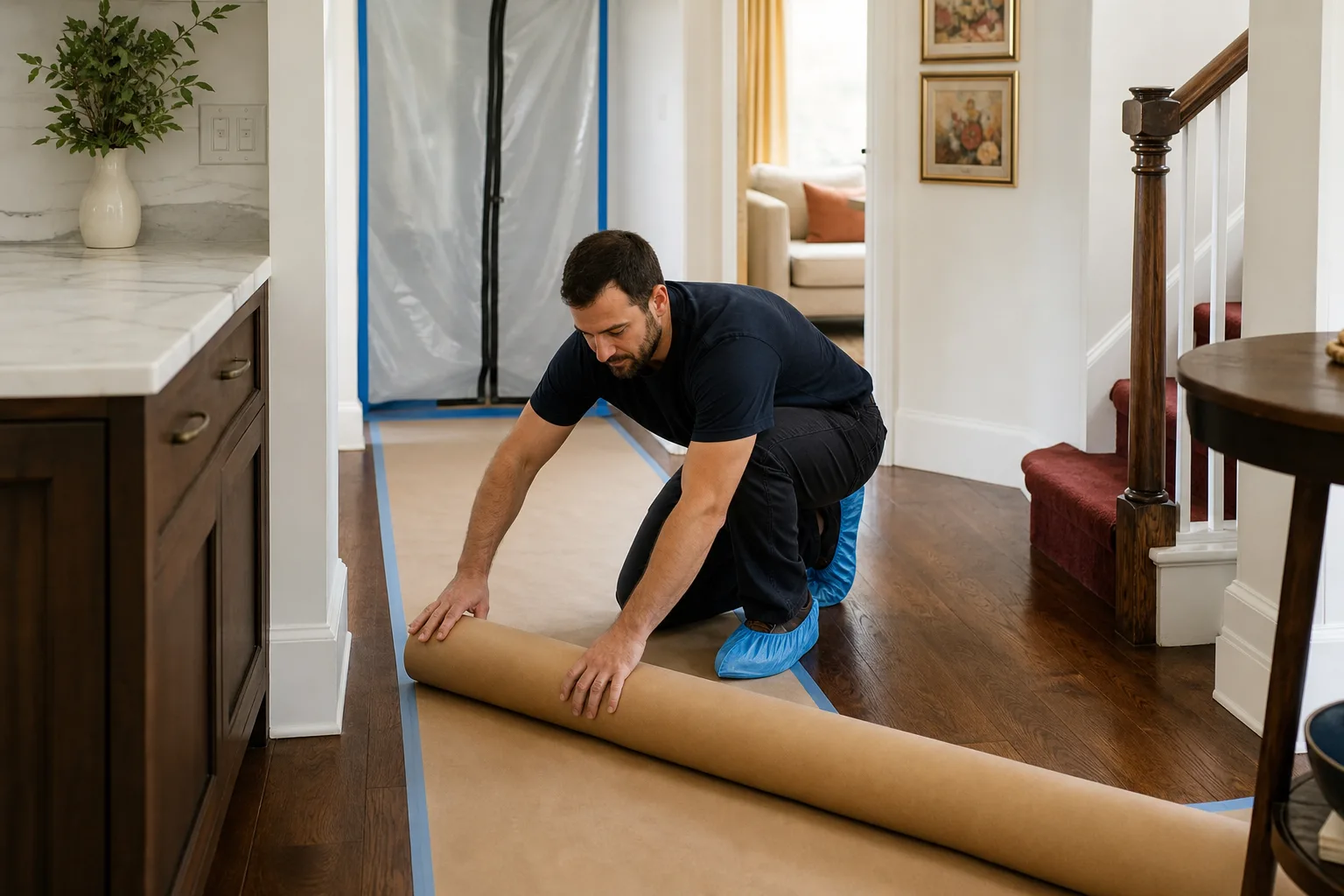
- Pressure washing and driveway prep. Prep work is a legitimate DIY contribution to a contractor-led project – just coordinate it.
- Light fixture swaps on existing circuits. Swapping a fixture on an already-wired circuit is generally homeowner-legal. Adding new circuits is not.
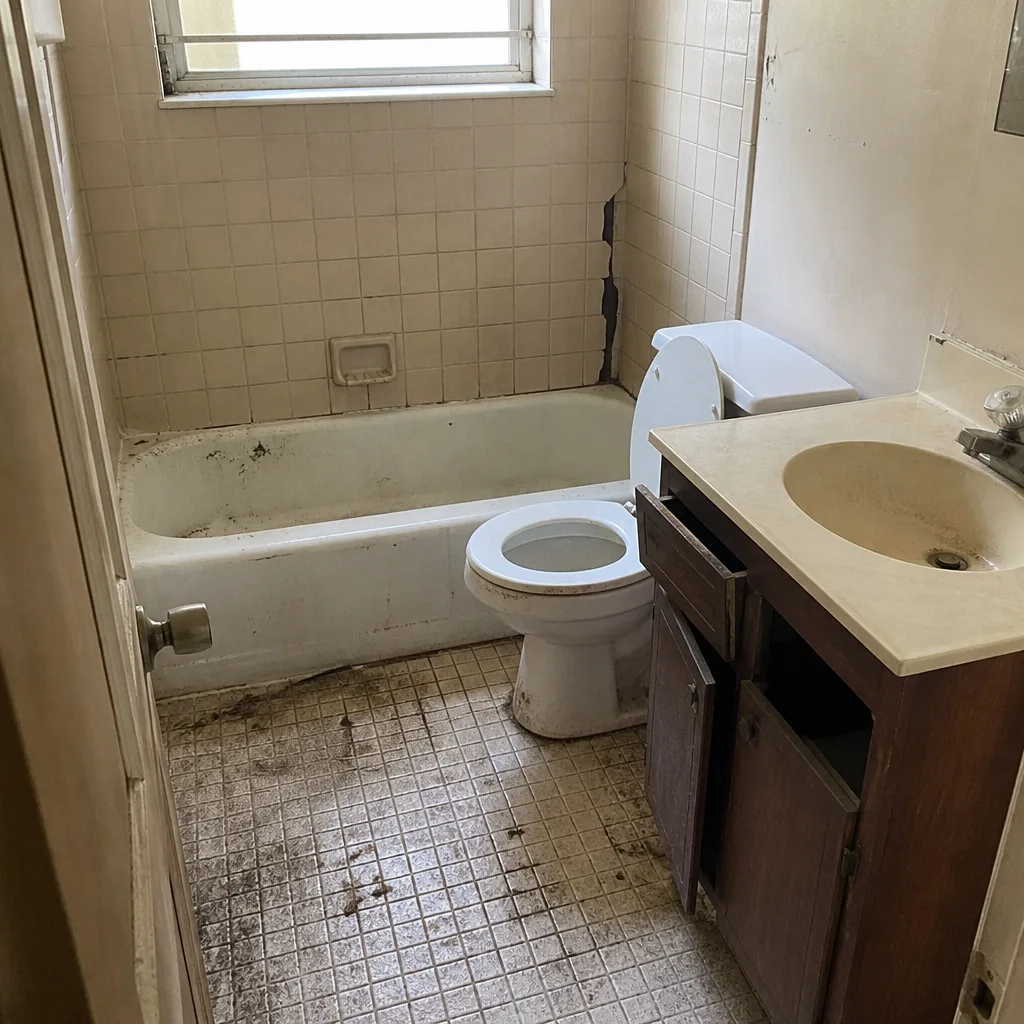
Not on the list: anything involving plumbing behind a wall, anything that requires opening the building envelope, and anything in a wet room like a bathroom. A bathroom remodel in North Miami touches waterproofing, plumbing, and electrical – three licensed trades in a space of fifty square feet. That’s not a DIY project, no matter how many tutorials you watch.
How to Scope a Hybrid Project
A hybrid project is one where the homeowner handles some tasks and a licensed contractor handles the rest. It’s a genuinely good way to save money on a remodel, but it only works if the division of responsibility is written down. Verbal agreements about who’s doing demo, who’s ordering materials, and who owns the permit create the worst kind of disputes – the ones that stop work and cost everyone money.
A written hybrid contract should cover:
- The permit holder. Who pulls the permit, and whose name is on it. If the contractor pulls it, the homeowner’s DIY work still gets inspected – coordinate timing.
- Scope, in writing. A line-item list of what the contractor performs and what the homeowner performs. “Demo by owner” needs to specify what “demo” includes – haul-away? Dumpster? Protective measures?
- Sequencing and interdependence. If the homeowner’s flooring installation delays the contractor’s cabinet install, who absorbs the schedule slip? Write it down.
- Material responsibility. Who buys what, and who eats the cost if a homeowner-supplied fixture arrives broken or doesn’t fit.
- The warranty. Most contractors won’t warrant homeowner-installed work. That’s fair, but it needs to be stated up front, not after a failure. Penhallow’s 365-Day Done Right Promise covers our work – and only our work – in writing on every project.
- Inspection responsibility. Who’s on site for the inspections, and who corrects failed items.
We’ve seen hybrid projects go smoothly when the contract anticipated the handoffs. We’ve also seen them turn into disputes when the homeowner thought “demo” included hauling debris and the contractor thought it didn’t. The contract is the project.
What Professional Work Actually Costs in North Miami
Real numbers matter more than “prices vary.” Here’s what professional work typically runs in North Miami, based on projects we’ve scoped recently. These are ranges – the actual number depends on layout, material tier, and condition behind the walls.
- Full kitchen remodel: $22,000 – $65,000. Cabinetry line, countertop material (Cambria and Silestone sit in the middle; imported quartzite at the top), and whether the layout changes drive the number. A straight cabinet and counter swap sits at the low end; moving plumbing or adding an island pushes it toward the top.
- Full bathroom remodel: $12,000 – $32,000. Wet-room waterproofing, tile selection, and whether the layout moves. A tub-to-shower conversion with no layout change is the most common mid-range project.
- Whole-home remodel: $45,000 – $150,000+ depending on square footage and how much of the home is touched.
- Window replacement (whole home, HVHZ approved): $8,000 – $25,000. Brands like ES Windows and CWS carry Miami-Dade approvals; product approval paperwork is part of the cost and the value.
- Roof replacement (permit + labor + materials, asphalt shingle or tile): $15,000 – $40,000 depending on roof size and material.
DIY savings on a project of that scale run 15-30% of the total cost, which sounds like a lot until you factor in the risk you’re taking on. On a $30,000 bathroom, the $6,000 you might save from self-performing tile and finish work can disappear entirely if a failed inspection or an insurance claim denial follows. The math only favors DIY when the work is genuinely low-risk.
If you’re comparing bids, get them in writing. A verbal ballpark is not a bid – it’s a placeholder. Ask for a written price from a North Miami remodeling contractor you can hold to before demo starts.
Common Mistakes to Avoid
- Pulling an owner-builder permit for a multi-trade project. The exemption technically allows it, but if you hire unlicensed help to do the electrical or plumbing, you’ve voided the exemption and created a paper trail of a misdemeanor. Hire licensed subs or don’t do the project.
- Skipping the permit to “save time.” Miami-Dade’s inspectors find unpermitted work constantly – during a sale, a refinance, or an insurance claim. Retroactive permitting costs more than the original permit ever would have, and sometimes requires opening walls.
- Assuming your insurance covers your DIY work. Read the exclusions section before you pick up a tool. Most policies have language that surprises homeowners after a loss, not before.
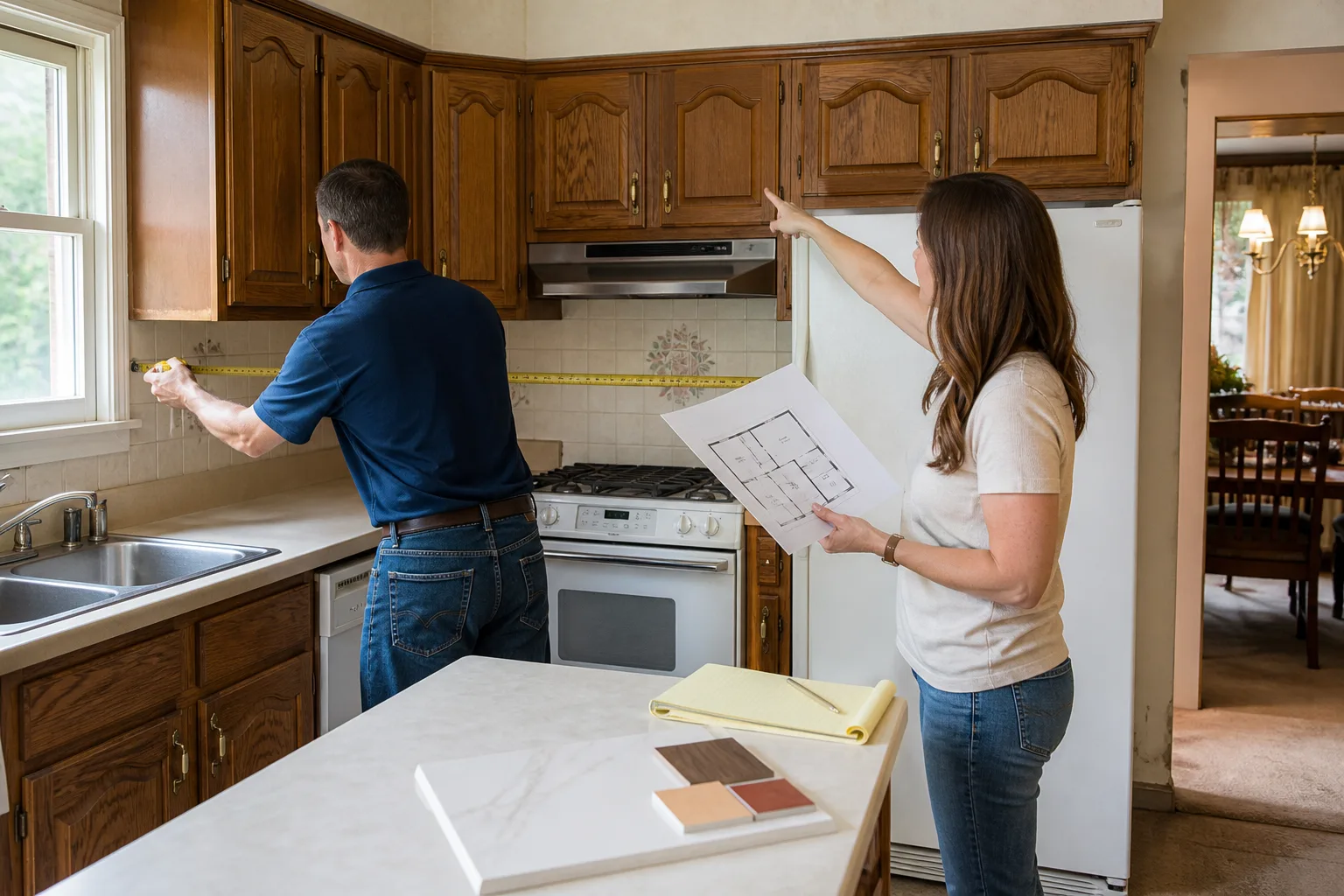
- Buying materials before the scope is set. In North Miami, a “standard” kitchen cabinet depth doesn’t always fit a 1960s block-wall footprint. Measure twice, order once – and after the layout is confirmed.
- Hiring unlicensed help to “assist” with a permitted project. Licensed contractors can’t legally use unlicensed labor on permitted work. If the person helping you isn’t licensed, the inspector will notice.
- Treating a verbal estimate as a contract. The most common complaint we hear from North Miami homeowners about previous contractors is that the price changed after demo. Get the price in writing before anyone picks up a hammer.
- Forgetting the salt air and humidity factor. North Miami’s coastal air is hard on exterior materials. What works in a dry climate often fails here within two to three years – especially exterior paint, wood trim, and non-HVHZ-rated windows.
See the difference
 Before
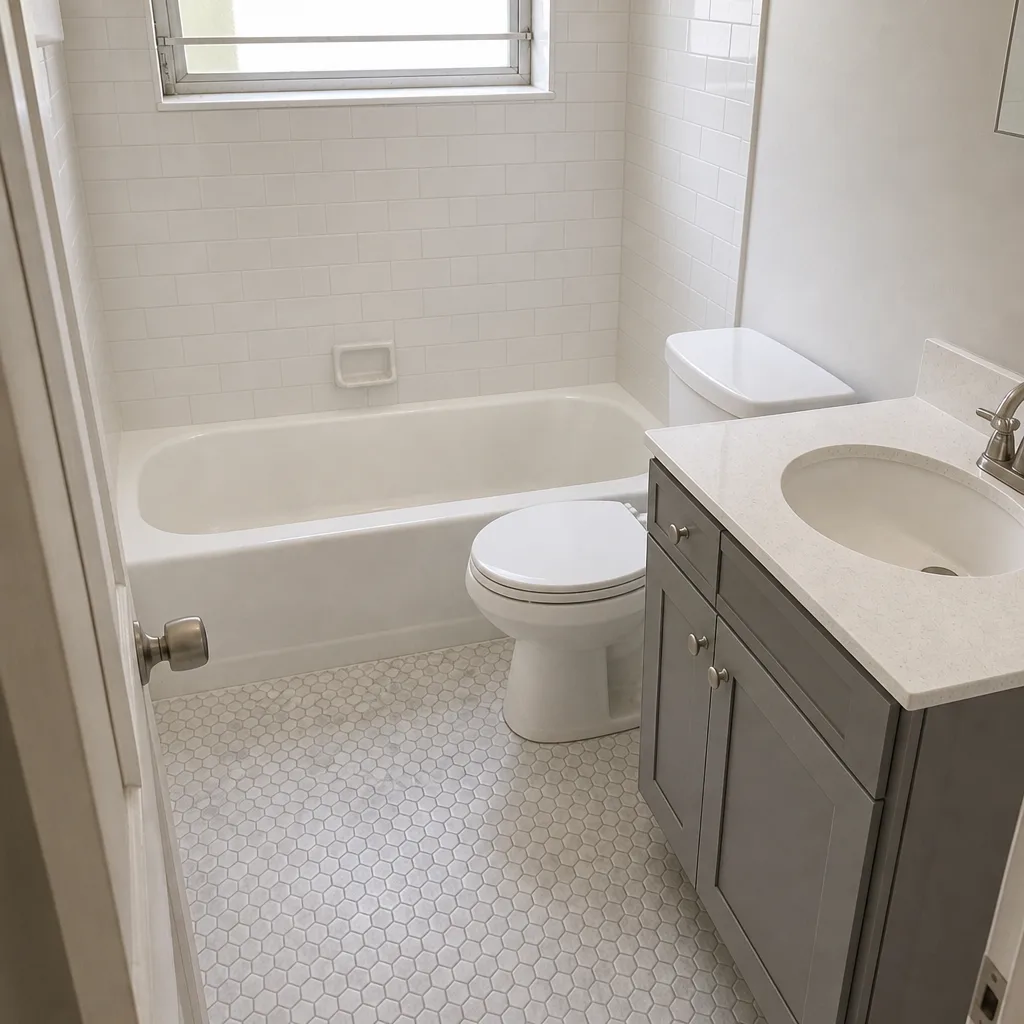 After
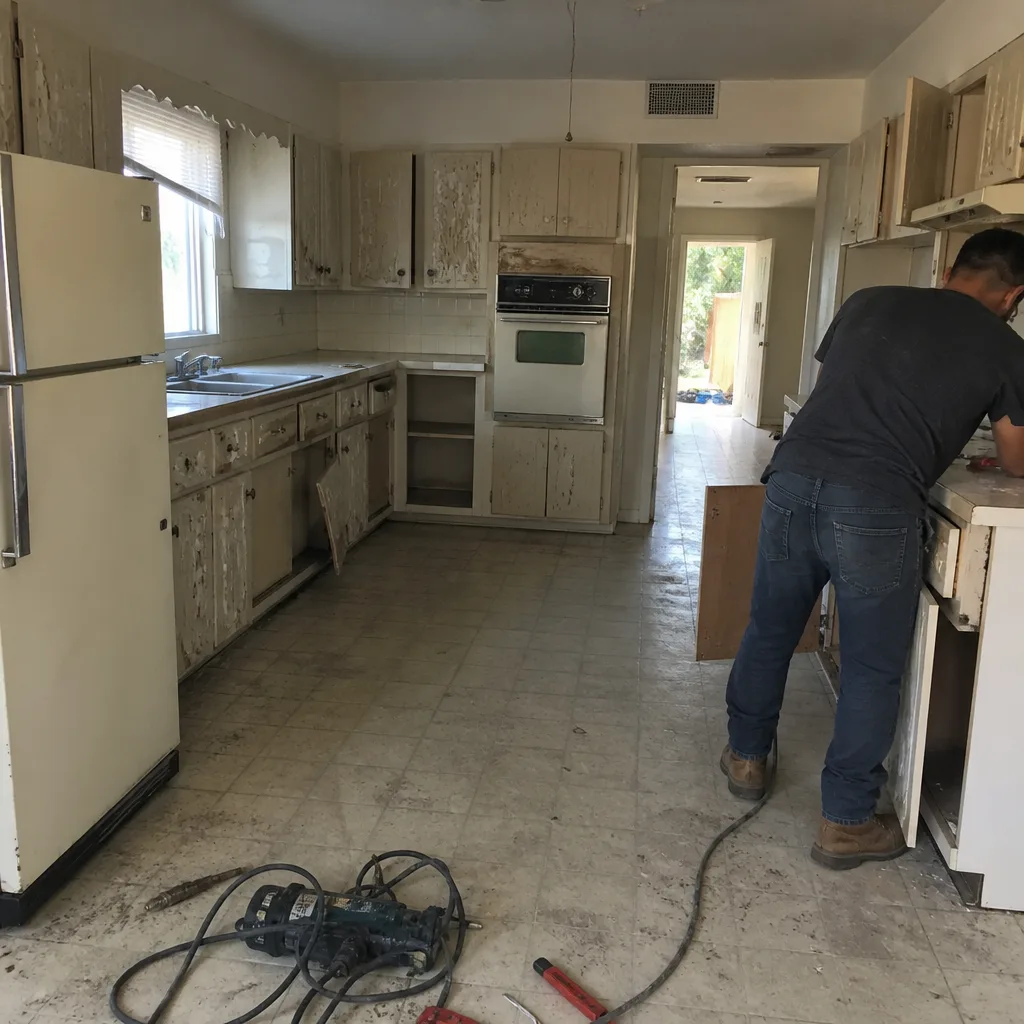 Before
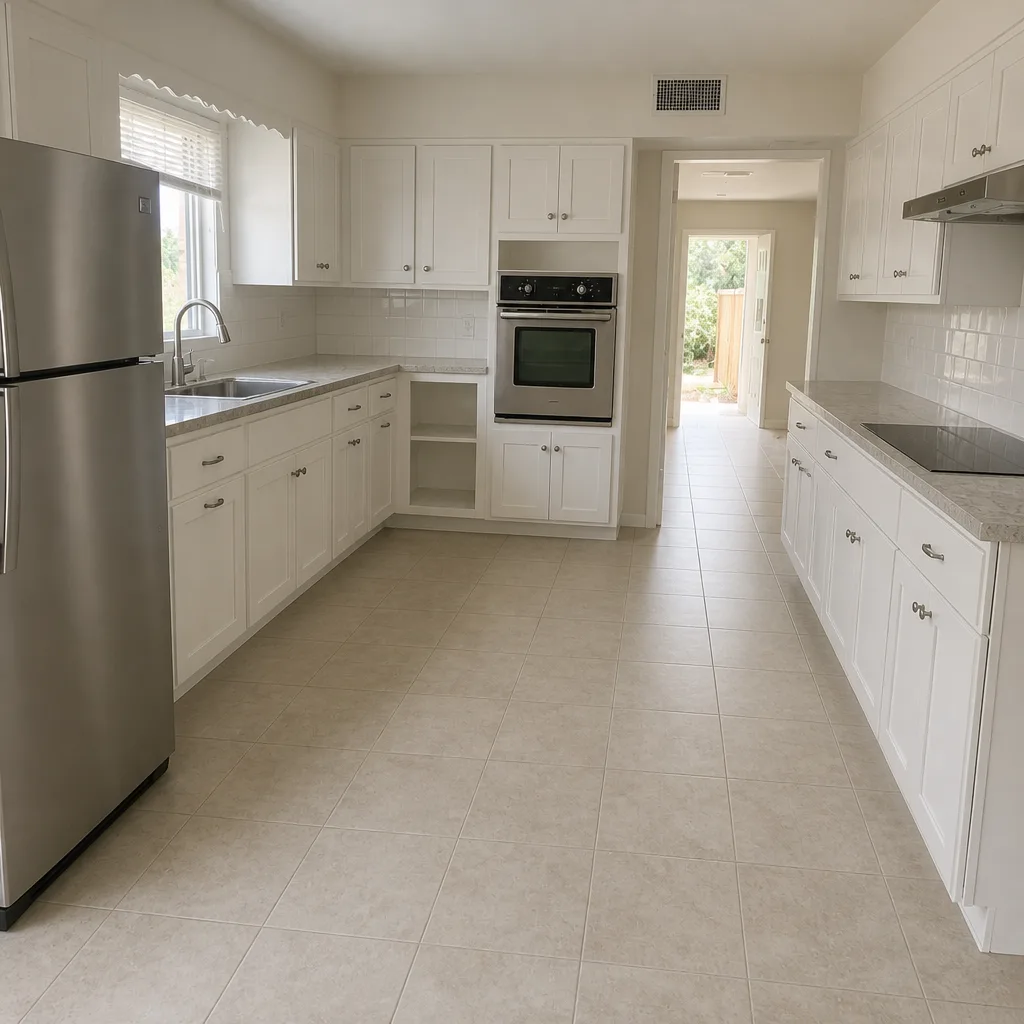 After
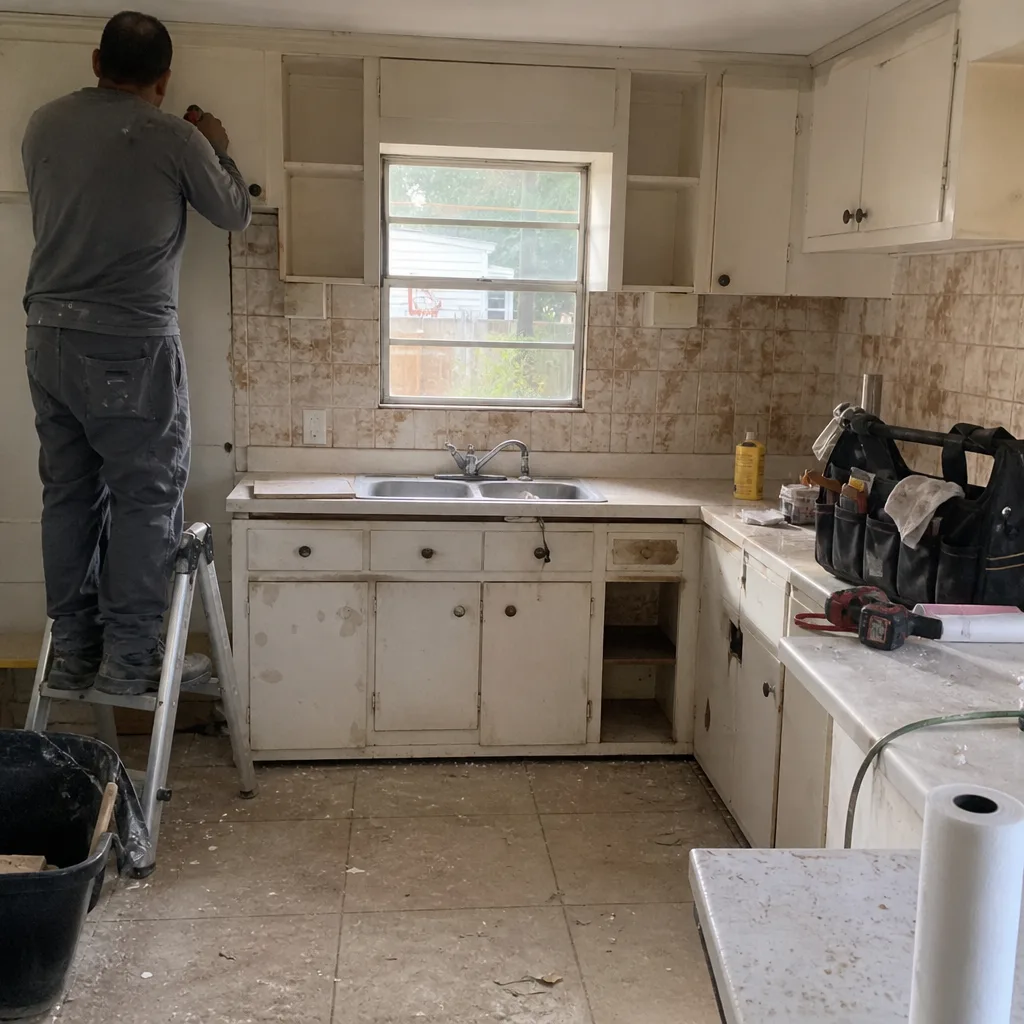 Before
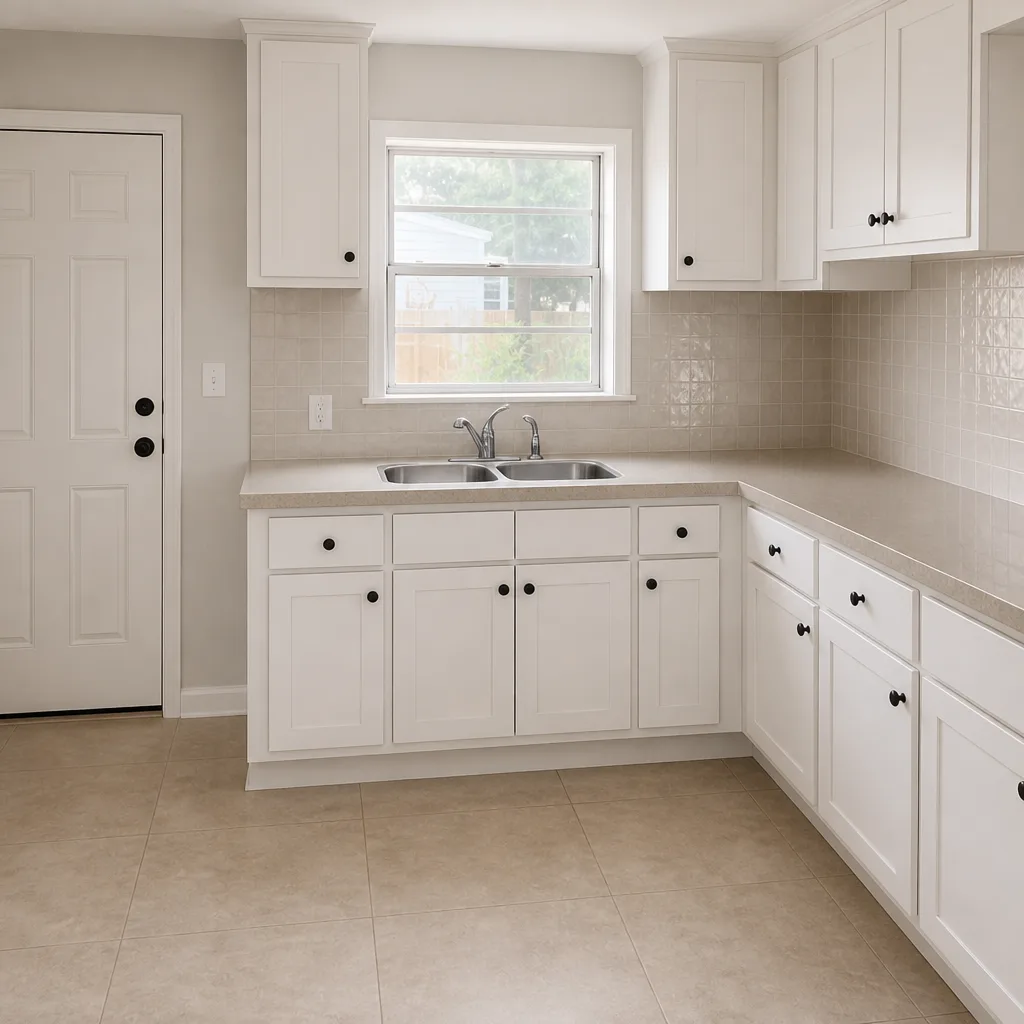 After
When to Call a Professional
Call a licensed contractor – don’t DIY – in these specific situations: any work involving electrical panels, new circuits, plumbing rough-in, gas, roofing, structural changes, windows and doors under HVHZ requirements, or anything the Miami-Dade building department requires a permit for. Also call if you’re within one year of selling, if your project involves more than one trade, or if you’re renovating a home you didn’t build and don’t know the condition behind the walls. The costs of getting it wrong are legal, financial, and – in the case of electrical and gas work – genuinely dangerous. A background-checked, uniformed technician arriving on a set schedule is the standard here, and a written price before work starts is non-negotiable. Penhallow Remodeling North Miami offers free estimates in North Miami – call (888) 255-7411 to schedule yours.
Frequently Asked Questions

No. Florida law requires a licensed electrical contractor for any work beyond swapping a fixture on an existing circuit. Adding circuits, replacing a panel, running new wiring, or anything behind a wall needs a licensed electrician and a Miami-Dade permit. This is also one of the highest-risk categories for insurance claim denial if something goes wrong, so the “savings” from DIY electrical work rarely survive an inspection or a claim.
It lets you build or improve a single-family home you own and occupy, provided you do the work yourself or directly supervise it, and you don’t hire unlicensed workers. It applies to one project at a time and requires you to attest to those conditions on the permit application. If you sell the home within one year of the permit being issued, you must disclose that the work was done under the owner-builder exemption – and that disclosure is recorded in the property records.
Yes, in almost every case. Miami-Dade is in the High-Velocity Hurricane Zone, which means replacement windows and doors require a permit and a Miami-Dade product approval (NOA). Using products from brands like ES Windows or CGI with existing approvals speeds up the process, but the permit and inspection still apply. Unpermitted window installs are one of the most common issues discovered during home sales in North Miami.
Usually not. Most Florida policies exclude damage arising from unpermitted or unlicensed work, and carriers can deny or reduce a claim if they can trace the loss to that work. If you’ve already done unpermitted work, talk to your insurance agent and consider retroactive permitting – it’s cheaper than discovering the exclusion after a loss.
Typically 15-30% of the total project cost, and only when you stick to genuinely low-risk tasks like demo, prep, painting, and finish work. On a $30,000 kitchen, that’s $4,500 – $9,000 in labor savings. But if you cross into electrical, plumbing, or waterproofing without a license, the exposure outweighs the savings quickly. For a ballpark on your specific project, call (888) 255-7411 – estimates are free, and we’ll tell you honestly which parts are worth doing yourself.
Yes. Every permitted project we take on is pulled under our license, with inspections scheduled and passed before we close out the job. That permit history is part of what we hand you at the end – it’s the documentation that protects your resale, your insurance, and your warranty. If a contractor offers to skip the permit to save time, that’s the single clearest sign to walk away.
The Bottom Line
In North Miami, the DIY vs. professional question isn’t about skill – it’s about the legal and financial line Florida Statute 489 and Miami-Dade code draw. Cosmetic work you can genuinely do well is worth doing yourself. Anything behind a wall, above your roofline, or in a wet room needs a licensed contractor, a permit, and a paper trail that will hold up at resale, at claim time, and at the closing table. The savings from DIY are real, but only when the exposure is zero. When the exposure isn’t zero, a written price and a written guarantee from a licensed contractor is worth more than the difference.
If you’re weighing the decision on a specific project, we’ll give you a written price before any work starts, arrivals in the window we gave, background-checked and uniformed technicians, and the 365-Day Done Right Promise in writing on every project. Call Penhallow Remodeling North Miami at (888) 255-7411 for a free estimate. A live person answers the phone 24/7 – no voicemail maze, no callback window.
Written by the team at Penhallow Remodeling North Miami.