Last updated November 17, 2026





Free written scope consultation - allowances, timeline, and change-order rules on paper before a single trade is scheduled
Choosing the Right Construction Brand: A Buyer’s Guide for North Miami
Two impact windows can carry the same Miami-Dade approval number, meet the same code, and still differ by $400 per unit – because one has a deeper frame, a thicker glass interlayer, and a warranty that survives the first hurricane season. The contract in both cases just says “impact windows.” That gap between what a homeowner thinks they bought and what actually gets installed is where most remodeling regret begins in North Miami. This guide gives you the vocabulary to close it: how to read product approvals, which materials matter most in a coastal climate, what “builder-grade” really means, and how to write a brand into your contract so nobody swaps it out mid-job.
Quick Answer
Choosing the right construction brand in North Miami means choosing specific, named products for the parts of your home that face salt air, sun, and storm – roofing underlayment, window glazing, exterior paint, waterproofing and grout – and writing those brand names and model numbers into your contract so any substitution requires your written approval. Brand names alone aren’t the point; the point is that a named product with a known warranty is something you can hold a contractor to, while a generic line item is something they can quietly downgrade.
Styles & brands we work with
- Kitchen remodeling
- Bathroom remodeling
- Home additions & ADU
- Roofing
- Windows & doors
- Driveway & pavers
- Fence
Table of Contents
- What “Construction Brand” Actually Means
- How to Read a Miami-Dade Notice of Acceptance (NOA)
- The Materials That Matter Most in a Coastal Climate
- “Builder-Grade” vs. “Contractor-Grade” vs. “Residential-Grade”
- How to Write Brand Specs Into Your Contract
- The Warranty Transfer Question
- Questions That Expose a Weak Specification
- Common Mistakes to Avoid
What “Construction Brand” Actually Means
In most consumer categories, a brand is a logo and a reputation. In construction, a brand is a specification: a manufacturer, a product line, a model number, and a warranty document. That distinction matters in North Miami because the thing you’re buying isn’t really “a roof” or “a window.” You’re buying a specific assembly of products installed to a specific standard, and that assembly is only as good as its weakest named part.
Consider how a window gets sold. A homeowner hears “impact window” and pictures a strong pane of glass. What’s actually being specified is the frame material and depth, the glass make-up (two panes laminated around an interlayer), the hardware, the attachment method, and the manufacturer’s warranty. Change any one of those and you have a different product at a different price, even though the phrase “impact window” never changes. The same logic applies to roofing: the visible shingles or tiles get all the attention, but the underlayment beneath them is what keeps water out of your ceiling during a sideways rain.
We see this pattern constantly in North Miami, where a huge share of the housing stock is 1950s to 1970s block construction that’s been through several rounds of renovation. The original materials are long gone. What’s in the walls, under the roof, and behind the tile is a stack of decisions made by whoever worked there last – sometimes carefully, sometimes not.
- Brand as a document: a named product comes with a printed warranty and installation requirements you can read.
- Brand as a price anchor: when you know the product, you can compare quotes that actually quote the same thing.
- Brand as leverage: a specification in writing lets you refuse a substitution without a fight.
- Brand as an approval: in South Florida, many products also carry a code approval number, which we cover next.
If you’re planning a larger renovation rather than a single repair, it helps to look at the whole scope with a Penhallow Remodeling North Miami home base and then drill into the room-by-room details. For the structural and permit side of a bigger project, our General Contractor in North Miami page walks through how a full job gets sequenced.
How to Read a Miami-Dade Notice of Acceptance (NOA)
A Notice of Acceptance, or NOA, is the document Miami-Dade County issues when a product – a window, a door, a roofing system, a shutter – has been tested and approved for use in the high-velocity hurricane zone. It’s not a manufacturer’s marketing sheet. It’s the county’s record that this product, installed this way, passed the wind and impact testing the code requires. If a product doesn’t have a valid NOA, a building official can refuse to approve it, and your permit stalls.
Here’s the part most homeowners never hear: an NOA is specific. It names the product, the manufacturer, the model or series, the approved installation method, and often the maximum size and the attachment details. A window that’s approved at one size and one anchoring pattern is not automatically approved at a different size or a different anchorage. The approval number belongs in your contract for exactly that reason.
- Ask for the NOA number and the product series. “Impact window, energy efficient” is not a specification. A series name and an NOA number are.
- Check the approval is current. NOAs are revised and sometimes expire. A lapsed approval means the product may no longer satisfy the code for a new permit.
- Confirm the approval matches your install. Size, glass make-up, and attachment method should all fall within what the NOA covers.
- Write the number into the contract. The specific approval number should appear next to the product line in your written scope, so what’s delivered can be checked against what’s approved.
- Ask who pulls the permit. The licensed contractor should pull it and the inspection should be passed before final payment. Our Bathroom Remodeling in North Miami page explains how that permit-and-inspection timeline runs on a smaller interior project, which is a good way to see how the process works before committing to a window or roof package.
North Miami sits inside the high-velocity hurricane zone, so this isn’t a formality. Buildings in neighborhoods like Sans Souci and Keystone Point face the same approval requirements as anything on the beach. A contractor who can’t tell you the NOA number on a window package is a contractor who isn’t used to being asked.
The Materials That Matter Most in a Coastal Climate
Salt air, UV, driving rain, and heat combine into a specific kind of wear. Some materials shrug it off. Others look fine for two years and then fail from the inside out. These are the categories where brand choice has the highest long-term cost impact in North Miami.
- Roofing underlayment: This is the layer under your tiles or shingles, and it’s the real waterproofing. In coastal South Florida, a cheap underlayment can fail years before the visible roof does. Ask for the product name and its UV exposure rating.
- Window glazing and interlayer: The laminated interlayer in impact glass is what holds the pane together after a strike. The thickness and quality vary by manufacturer, and so does the warranty that backs it.
- Exterior paint systems: It’s a system, not a color. Primer plus topcoat, rated for coastal exposure, is a different purchase than a single coat of bargain paint. Salt air and strong sun punish shortcuts.
- Grout and waterproofing: In a shower or a bathroom floor, the tile is the visible layer and the waterproofing behind it is the one that matters. A cement board substrate (the moisture-resistant layer behind your tile) plus a proper waterproofing membrane is what keeps water out of the framing. Grout with poor sealing performance fails first in humidity.
- Fasteners and connectors: In a coastal environment, the screws and straps holding your roof down are part of the brand story. Corrosion-resistant hardware is not a place to save money.
Within these categories you’ll see names like Quikrete and Sakrete in concrete and mortar products, and recognized brands in cabinetry, countertops, and fixtures on interior work. The name isn’t magic. The point is that a named product has a spec sheet, an installation requirement, and a warranty you can find. When we quote a kitchen or bath, we work from product lines like KraftMaid and Wellborn cabinetry, Cambria, Silestone and Caesarstone countertops, and Kohler and Moen fixtures, because those lines carry their own manufacturer warranties alongside ours. That’s a second layer of protection sitting on top of our 365-Day Done Right Promise.
“Builder-Grade” vs. “Contractor-Grade” vs. “Residential-Grade”
These three terms get used loosely, sometimes dishonestly, and they’re the reason two quotes for the “same” job can differ by thousands. None of them is an official industry standard – that’s precisely the problem. They’re marketing language, and they get applied to whatever the seller wants them to mean.
- Builder-grade usually means the product a production homebuilder installs as a baseline: functional, meets code, made to a price. It’s not junk, but it’s often the cheapest version of a category that still looks acceptable.
- Contractor-grade is fuzzier. Sometimes it means a durable professional product. Sometimes it means a product sold only to contractors at a discount, with a spec you can’t easily compare to retail. Ask for the manufacturer and model either way.
- Residential-grade generally signals it’s rated for home use rather than commercial, which tells you almost nothing about quality.
The practical rule for a North Miami homeowner is simple: any of these terms without a brand and a model number is noise. “Builder-grade window” means one thing at one price and something else entirely at another. “Series 700 impact window, NOA on file” is a product you can compare. When a quote uses grade language and nothing else, ask for the product name. If the answer is vague, that’s the answer.
Substitution is where this gets real. A contractor bids a named product, then the supply house is out of stock, and a “comparable” goes in. Comparable by whose measure? If the contract only lists a grade, the substitution is legal and you may never know until something fails. We’ve seen this exact scenario in North Miami more than once: a homeowner pays for one window line and gets a lesser one, with no way to prove the difference after the fact.
How to Write Brand Specs Into Your Contract
This is the single most useful thing in this guide. A brand specification in a contract is not about being difficult. It’s about making substitution a conversation instead of a surprise. Here’s how to build one, step by step.
- List every product by manufacturer, line, and model. Not “quartz countertop” – the actual product line. Not “impact windows” – the series and NOA number.
- Add a substitution clause. One sentence does it: “Any substitution of a listed product requires the homeowner’s written approval before installation.” Written, not verbal, not a phone call from the job site.
- Require the approval documents. For windows, doors, and roofing in North Miami, list the NOA number next to each product so the permit matches the contract.
- Attach the warranty documents. Manufacturer warranty plus the contractor’s written guarantee, named in the contract, so you know what’s covered and for how long.
- Write the price as a number, not a range. The written price before work starts should be the number on the invoice. If the scope changes, that’s a written change order, signed before the work proceeds.
- Note the arrival window and the cleanup standard. These belong in the same document. A reputable contractor puts the whole promise in writing: say the price before the work, show up in the window we gave, leave the place cleaner than we found it.
That last point is the standard we operate under as part of the Kingswell family of companies, each location independently owned and operated. It’s a straightforward idea: a written price up front, a real arrival window, and a written guarantee on every project. You can apply that same standard to any contractor you’re considering in North Miami. If they won’t put the product name in writing, ask why.
The Warranty Transfer Question
Most manufacturer warranties on windows, roofing, and cabinetry are conditional on professional installation by a qualified installer, and many are void or reduced if the product is installed by someone who isn’t approved by the manufacturer. That single fact should shape how you choose your contractor, because the warranty you’re counting on may depend on who does the work.
Ask three questions about every major product before you sign:
- Does this warranty require professional installation to stay valid? For most impact windows and roofing systems, yes.
- Who is the warranty holder – you or the contractor? A warranty in the contractor’s name may not follow the home if you sell.
- Is it transferable, and what does transfer cost? Some manufacturers allow one transfer to a new owner, sometimes with a registration step and a fee.
In our experience, homeowners in North Miami focus hard on the contractor’s guarantee and forget to check the manufacturer’s. Both matter, and they stack. The manufacturer’s warranty covers the product; the contractor’s written guarantee covers the installation and the workmanship. Our 365-Day Done Right Promise sits on top: if the work fails inside the guarantee period, we come back and fix it at no charge, and if a repair fails, the return visit is free – no service call, no re-inspection fee.
On a larger renovation, the warranty picture gets more complicated because more trades are involved. Our Kitchen Remodeling in North Miami page covers how we sequence a project so the cabinetry, countertop, and fixture warranties all stay intact from installation through final inspection.
Questions That Expose a Weak Specification
A specification is only as good as the questions you ask about it. These are the ones that separate a real product list from a set of vague promises. Ask them before you sign, and write the answers down.
- “What’s the exact manufacturer and model for each major product?” If the answer is a grade instead of a name, the spec is weak.
- “What’s the NOA number on the windows and the roof system?” No number means the product may not be approved for North Miami’s wind zone.
- “What happens if the product is out of stock?” The right answer involves your written approval before any substitution.
- “Which warranties require professional installation, and who holds them?” You want the product warranty in your name where the manufacturer allows it.
- “Is the price fixed, and does it change after demo?” A written price before the work starts should hold. Change orders should be written and signed.
- “Who pulls the permit, and will I get the inspection record?” The licensed contractor should pull it and pass inspection before final payment.
- “What’s the arrival window, and is it in the contract?” A real window is a commitment; a range like “sometime Tuesday” is not.
Any contractor in North Miami should answer all seven without flinching. The ones who can’t are usually the ones whose quotes only work because the product underneath them is undefined.
Common Mistakes to Avoid
- Accepting a grade instead of a brand. “Builder-grade” or “residential-grade” in a contract is a blank check for substitution. Ask for the manufacturer and model every time.
- Not writing the NOA number into the contract. A window package that’s approved on paper and a different one installed on the wall can both get past a busy homeowner. The approval number in the contract is what closes that gap.
- Treating the underlayment as an afterthought. In coastal South Florida, a cheap roof underlayment can fail long before the visible roof does. Ask what’s going under the tile.
- Signing a verbal “we’ll match it” promise. A substitution agreed by phone call at the job site isn’t a spec. It’s a hope. Require written approval for any swap.
- Assuming the product warranty covers the installation. Manufacturer warranties usually cover the product and require professional installation. The installation is covered by the contractor’s written guarantee, which is a separate document.
- Ignoring the water management details. Grout and waterproofing behind a bathroom wall are invisible once the tile is set, which is exactly why the product and the membrane need to be specified before the first tile goes up. Our bathroom remodeling work in North Miami treats waterproofing as a named line item, not a shortcut.
- Letting urgency push the spec aside. Storm season anxiety makes homeowners sign fast. A product name in writing takes a few minutes and protects you for decades.
See the difference
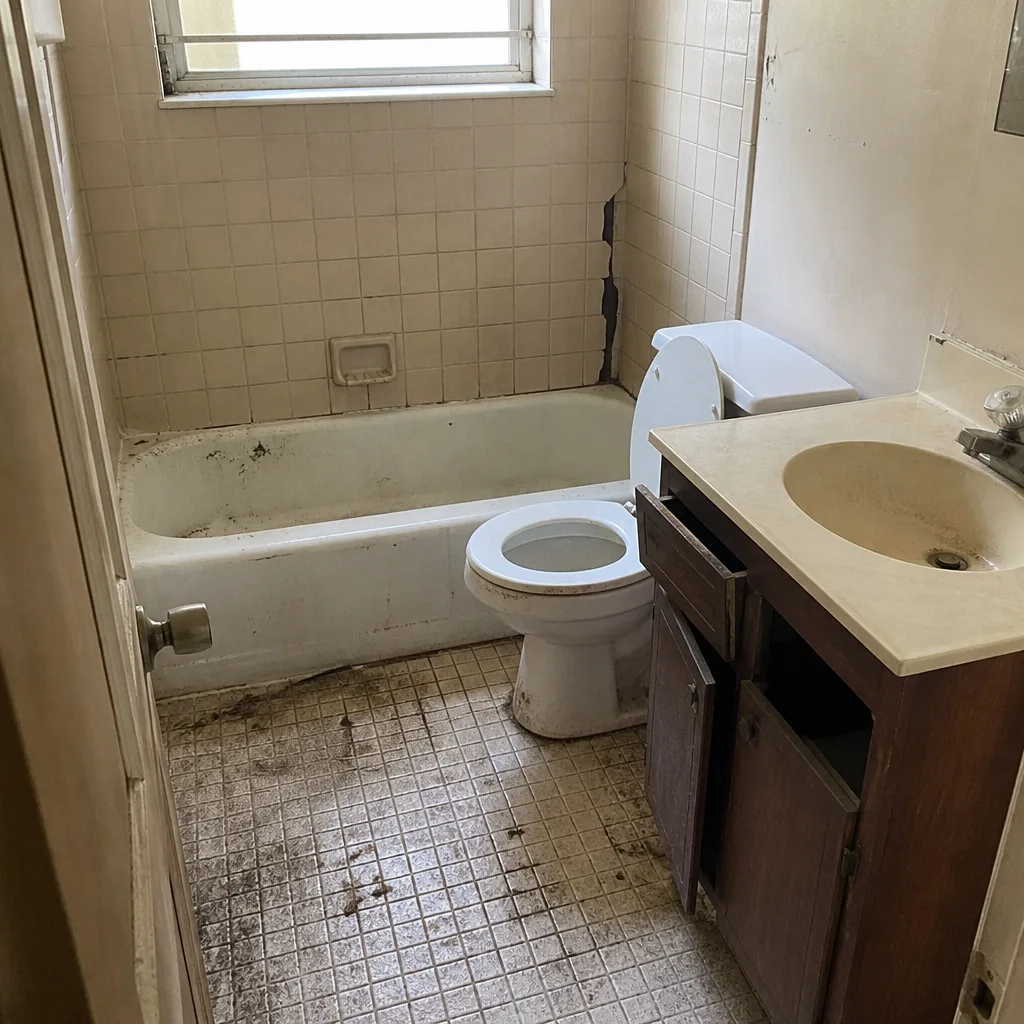 Before
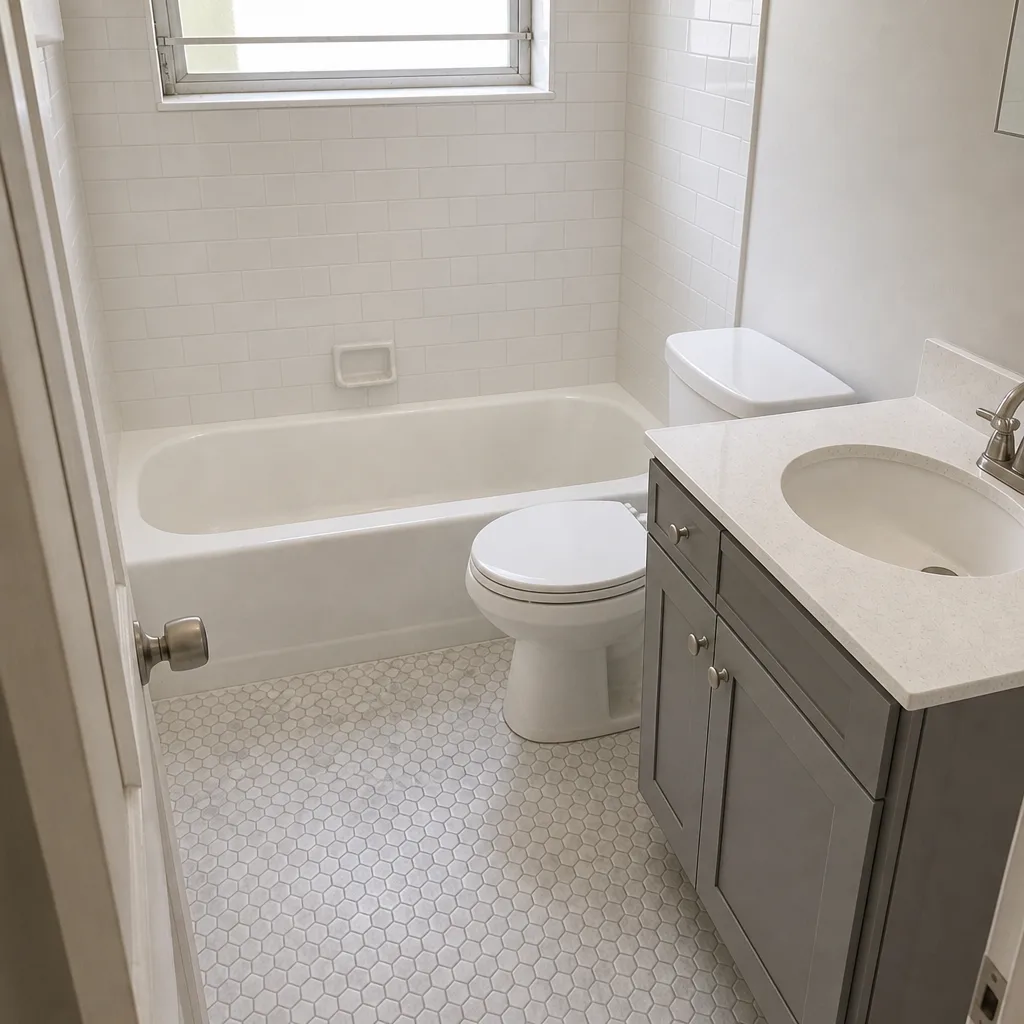 After
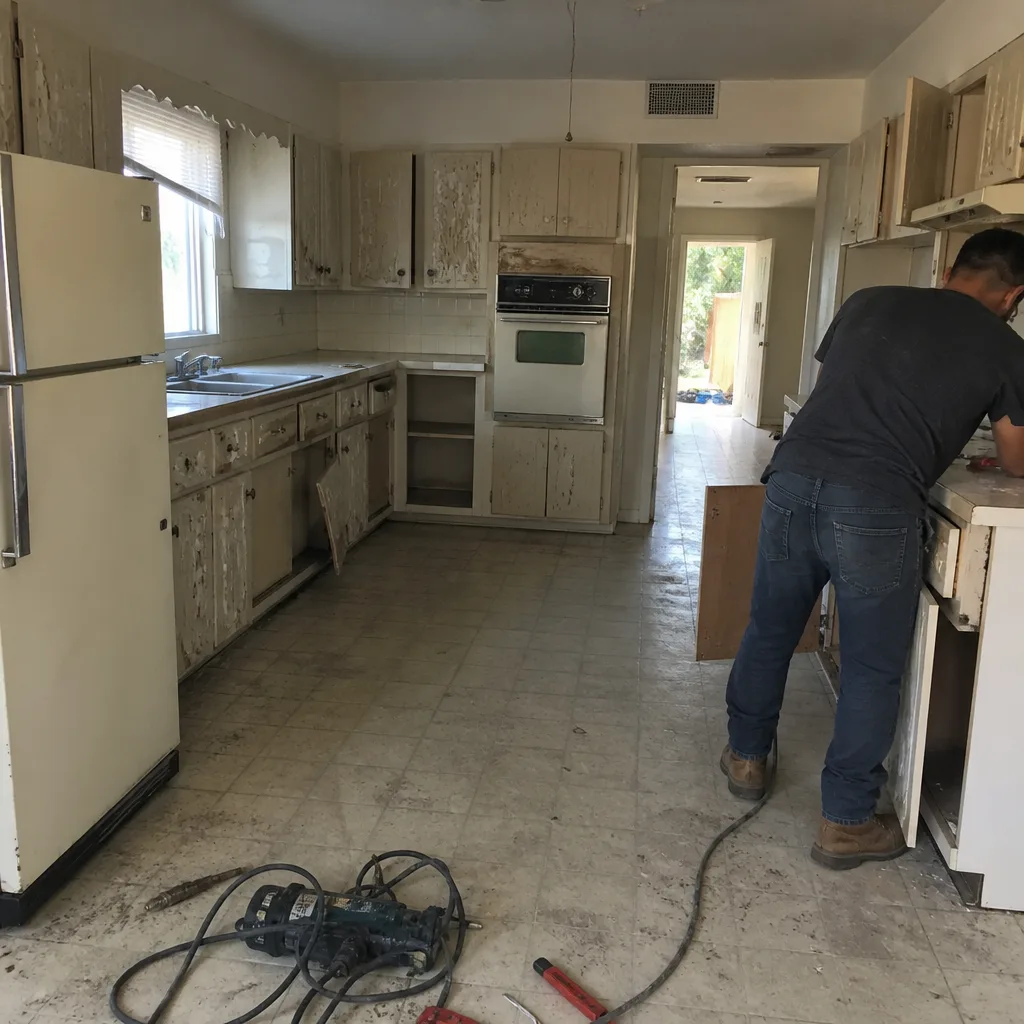 Before
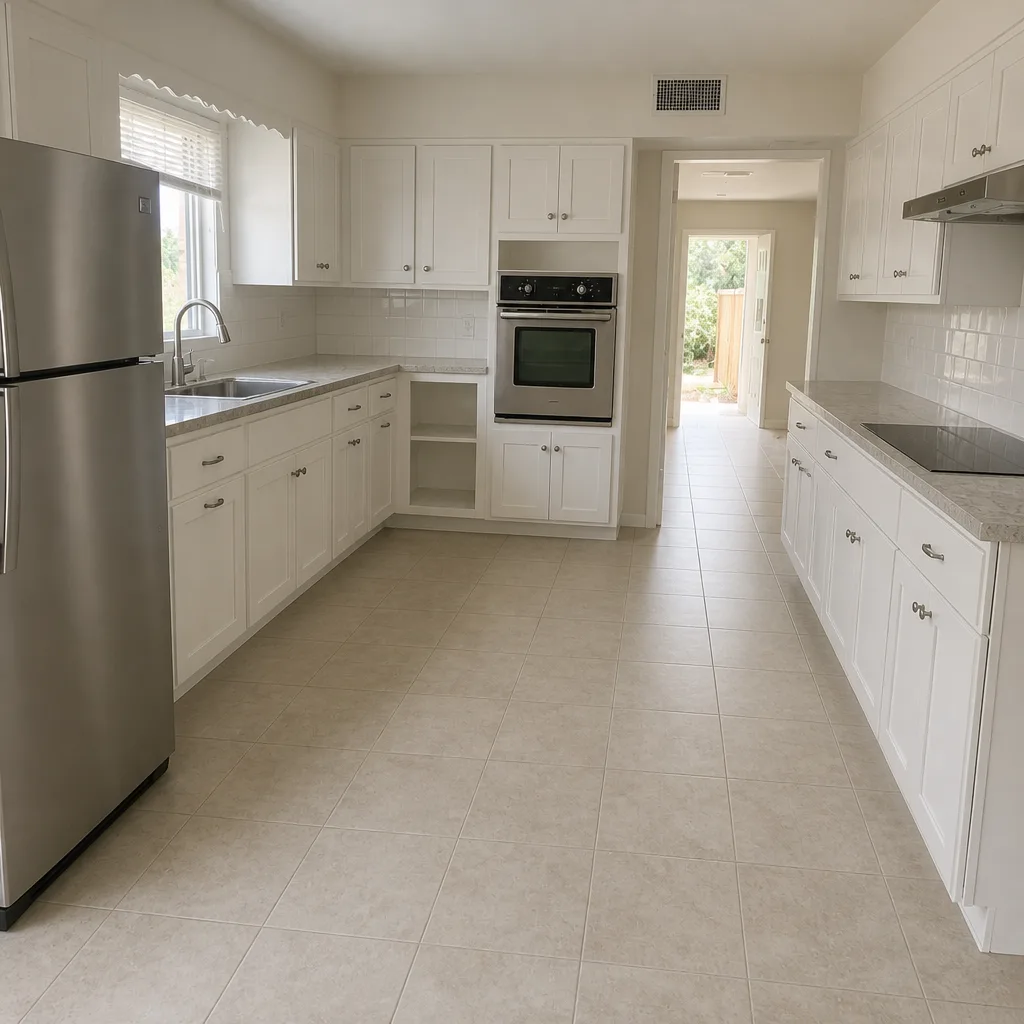 After
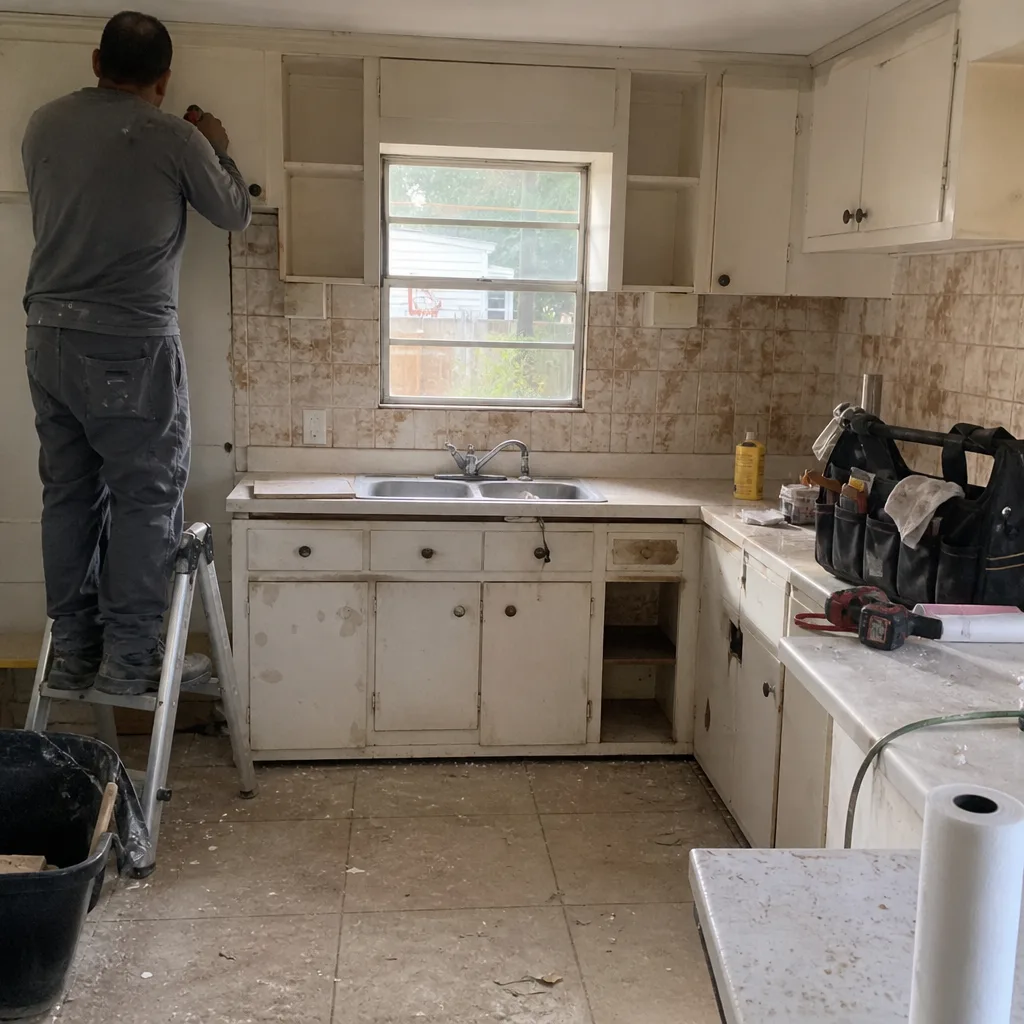 Before
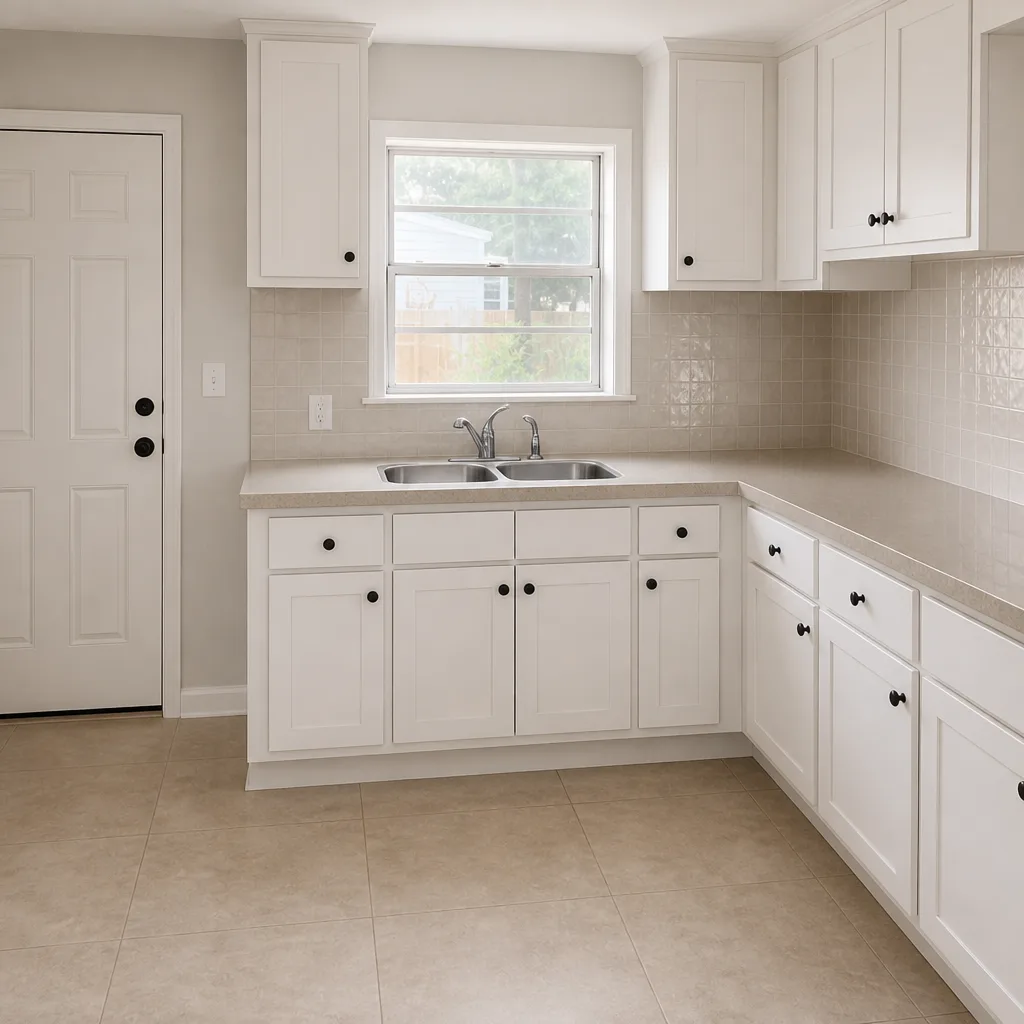 After
When to Call a Professional
Some brand decisions are safe to make alone. Others need a licensed contractor in the room. Call a professional when the product involves a code approval, like windows, doors, or a roofing system in North Miami’s wind zone; when the work is behind a wall and can’t be inspected later, like waterproofing and shower membranes; when a manufacturer warranty depends on certified installation; when you’re comparing two quotes that don’t seem to quote the same thing; and when a contract you’ve been handed uses grade language instead of product names. Those are the moments where a written product spec and a written price save the most money. Penhallow Remodeling North Miami offers free estimates in North Miami – call (888) 255-7411 to schedule one, and bring your current quote if you have it. We’ll read it line by line with you, and a live person answers any time of day or night.
Frequently Asked Questions
There’s no single best brand, but there is a best process: pick products that carry a current Miami-Dade NOA where the code requires one, a manufacturer warranty that stays valid with professional installation, and a named model you can write into the contract. In our experience, the brands that hold up in coastal South Florida are the ones with clear installation requirements and transferable warranties, from roofing underlayment to window glazing to waterproofing. Ask for names and model numbers, not grades.
Yes. Windows and doors in Miami-Dade County’s high-velocity hurricane zone need a current Notice of Acceptance to pass permit and inspection. The specific approval number should appear in your written contract next to the product, so what’s approved is what gets installed. Call (888) 255-7411 for a free estimate and we’ll help you match products to the approval documents.
Both are marketing terms, not official standards. Builder-grade usually means the baseline product a production homebuilder installs, while contractor-grade has no fixed meaning at all. Neither tells you the actual quality. The only reliable spec is a manufacturer name and model number, written into the contract, so a substitution requires your written approval.
It can. Many manufacturer warranties on windows, roofing, and cabinetry require professional installation by an approved installer and specify the products in the assembly. If a contractor swaps a component, the warranty may be reduced or void. Check the warranty terms before installation and make sure the contract lists every product in the system.
Write a substitution clause into the contract: any substitution of a listed product requires your written approval before installation. Then list every major product by manufacturer and model. Verbal promises at the job site aren’t enforceable. A written clause is. Our process puts the price and the product list in writing before any work starts, and every project carries the 365-Day Done Right Promise in writing.
It covers the work itself. If the work fails inside the guarantee period, we come back and fix it at no charge, and if a repair fails, the return visit is free with no re-inspection fee. The guarantee is issued in writing on every project, alongside the manufacturer’s warranty on the products we install. Call (888) 255-7411 for a free estimate and we’ll walk you through exactly what’s covered.
The Bottom Line

Brand choice in North Miami construction comes down to specifics you can hold a contractor to. Name the product line. Get the NOA number on anything the code approves. Write the brand into the contract with a clause that requires your written approval for any substitution. Confirm which warranties need professional installation and who holds them. Ask what’s under the roof and behind the tile, because that’s where the long-term cost lives. Do those things and you buy with your eyes open, no matter whose quote you’re comparing.
Penhallow Remodeling North Miami works to a written price before any work starts, a real arrival window, a clean job site, and a written guarantee on every project. Our technicians are background-checked and arrive in uniform, and a live person answers the phone around the clock. For a free estimate on materials, product lines, or a full remodel in North Miami, call (888) 255-7411. We’ll put the number in writing before a single cabinet is pulled or tile is set.
Written by the team at Penhallow Remodeling North Miami.