Last updated November 17, 2026





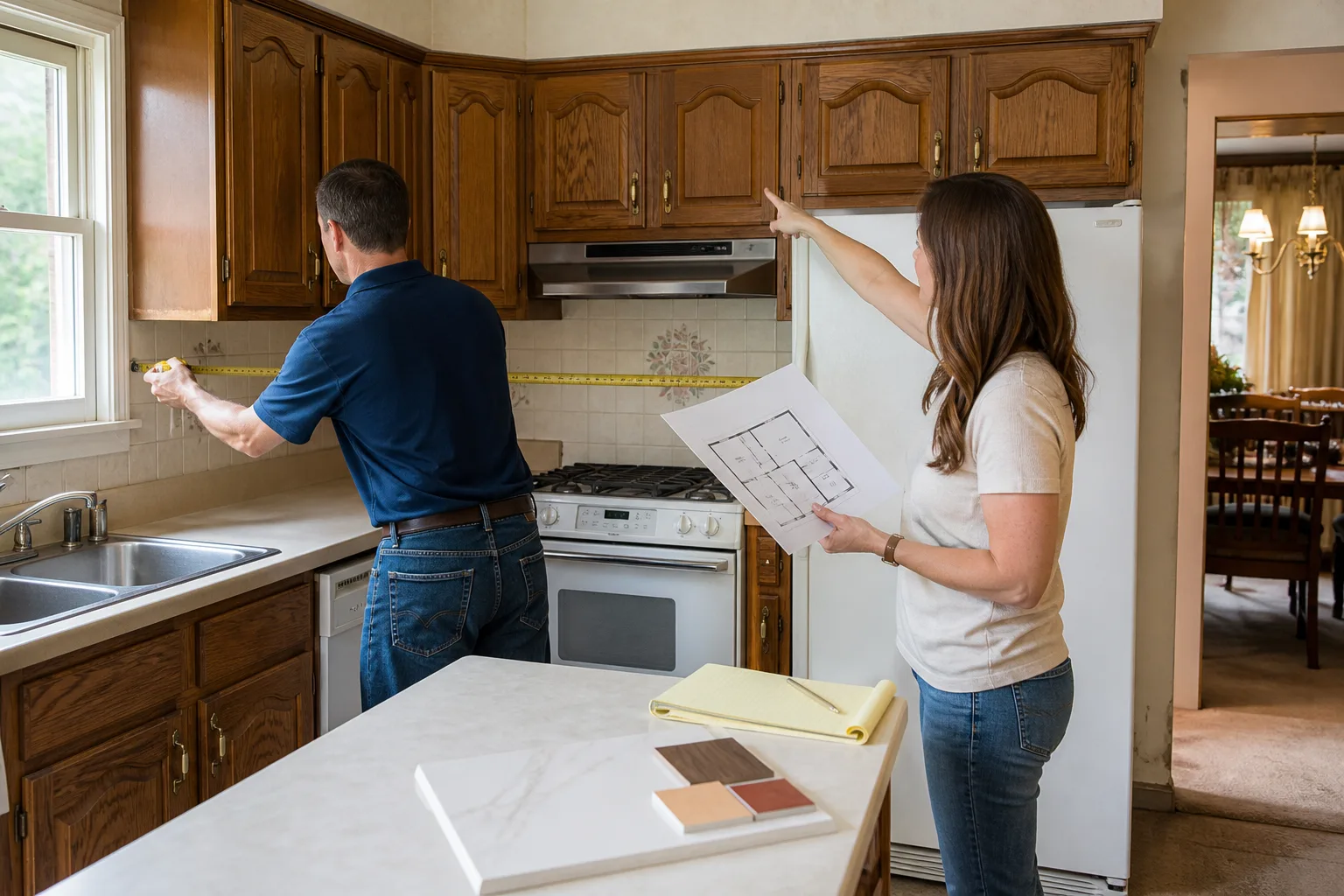
Free written scope consultation - allowances, timeline, and change-order rules on paper before a single trade is scheduled
The Complete General Contractor Guide for North Miami Homeowners
Miami-Dade County draws more contractor license complaints per capita than any other county in Florida, and almost every one starts the same way: a homeowner who assumed “licensed” means the same thing everywhere. It doesn’t. North Miami sits inside a county with its own building code, its own product approvals, and its own permitting calendar, and a general contractor who works comfortably in Boca or Orlando can be entirely unqualified to pull a permit here. This guide gives you the specific framework – licensing, permits, materials, contracts, and timelines – to hire and hold a North Miami general contractor accountable before a single permit is pulled.
Quick Answer
To hire a general contractor in North Miami, verify two credentials on the Florida DBPR lookup: a state Certified Building Contractor (CBC) license and an active Miami-Dade County local license, since a state license alone doesn’t authorize work under the county’s hurricane code. Then confirm the contractor will pull permits in their own name, get a written line-item contract with a start date, and check that specified materials carry Florida Product Approval for salt-air exposure. Skipping any of those four steps is what turns a remodel into a six-month dispute.
Styles & brands we work with
- Kitchen remodeling
- Bathroom remodeling
- Home additions & ADU
- Roofing
- Windows & doors
- Driveway & pavers
- Fence
Table of Contents
- Why Miami-Dade Licensing Is Different
- The Permits Your North Miami Remodel Actually Needs
- Why Skipped Permits Sink Hurricane Claims
- Salt-Air and Humidity Material Standards
- How to Read a Florida-Compliant Contract
- A Realistic North Miami Permit Timeline
- The Two-Minute Verification Checklist
- Common Mistakes to Avoid
Why Miami-Dade Licensing Is Different
Florida licenses contractors at the state level through the Department of Business and Professional Regulation (DBPR), but Miami-Dade County adds a second layer. A contractor holding a state Certified Building Contractor license can work statewide, yet to pull permits in Miami-Dade they also need a county-issued local competency card or a registered license tied to the county’s Building Code. That’s the gap that catches homeowners: a contractor shows a valid state license, the homeowner relaxes, and months later the county building department rejects the permit application because the license isn’t recognized locally.
Verifying both takes about two minutes on the DBPR website, and it’s the single highest-value two minutes in the entire hiring process.
- Go to the DBPR license lookup and search the contractor’s name or license number.
- Confirm the license status reads “Active” and the expiration date hasn’t passed.
- Check the license type – CBC (Certified Building Contractor), CGC (Certified General Contractor), or CRC (Certified Residential Contractor) are the relevant ones for remodeling.
- Look for any disciplinary actions listed on the record. A license can be active and still carry a history of complaints.
- Call Miami-Dade’s Building Department directly and ask whether that specific license can pull permits in the county.
In North Miami specifically, we’ve seen homeowners hire contractors with spotless state records who then discover the county won’t issue permits under their credentials. The fix costs weeks. Doing the lookup first costs five minutes and a phone call.
The Permits Your North Miami Remodel Actually Needs
Permit requirements vary by scope, but for the remodels we handle – kitchens, bathrooms, and whole-home projects – here’s what North Miami and greater Miami-Dade typically require:
- Kitchen remodels: permits for any electrical work (new circuits, relocated outlets, panel upgrades), plumbing changes (moving a sink, adding a dishwasher line, relocating a gas line), and structural changes like removing a wall. Cosmetic swaps – cabinet doors, countertop replacement on existing bases, paint – usually don’t require a permit.
- Bathroom remodels: permits for plumbing relocation, electrical changes, and any alteration to waterproofing in a shower or tub surround. Miami-Dade inspects waterproofing separately because a failed shower pan causes damage that shows up years later.
- Whole-home remodels: permits for anything touching structure, the building envelope, HVAC, electrical, or plumbing. Window and door replacements need permits and must meet impact or shutter requirements under the Florida Building Code.
One thing contractors from outside the county often miss: North Miami sits in the Wind-Borne Debris Region, which means exterior openings – windows, doors, garage doors – must meet impact standards or have approved shutter systems. A permit for a window replacement that specifies the wrong product will fail inspection, and the contractor has to order new materials.
Why Skipped Permits Sink Hurricane Claims
This is the part most guides leave out, and it’s the reason a permit isn’t just paperwork. When you file a hurricane or wind damage claim, your insurance carrier sends an adjuster who checks whether the damaged work was permitted and inspected. If your remodeled kitchen was built without permits and a storm opens the roof above it, the carrier can deny the claim for the unpermitted work – or reduce the payout significantly. The same applies to unpermitted electrical and plumbing, which adjusters flag when they see them.
Miami-Dade and North Miami issue certificates of completion after final inspection. That document is what you hand the insurance company when it asks whether the work was legal. Without it, you’re arguing from a weak position.
Permits also protect resale. A title search during a home sale in North Miami will surface unpermitted work, and buyers either walk away or demand a price reduction large enough to cover bringing it into compliance. That number is almost always higher than the permit would have cost.
Penhallow Remodeling North Miami pulls permits in writing on every job and includes the inspection history in your project file. It’s one of the details that separates a General Contractor in North Miami who operates by the book from one who operates around it.
Salt-Air and Humidity Material Standards
North Miami sits between Biscayne Bay and the Atlantic, and the salt-laden air plus near-constant humidity changes what a competent contractor should specify. Materials that hold up fine in Orlando or Gainesville fail here within a few years.
The most common material mistakes we see in North Miami remodels:
- Standard exterior fasteners and hardware: galvanized or stainless steel, never standard steel, on anything exposed to coastal air. Cheap hinges and screws pit and seize within two seasons.
- Interior-grade cabinetry near exterior walls: the moisture wicking through wall assemblies degrades particleboard faster here. We install KraftMaid and Wellborn cabinetry because the box construction and finishes hold up to Miami humidity where builder-grade stock doesn’t.
- Wrong exterior siding: James Hardie fiber cement siding is rated for this climate and engineered to resist moisture absorption and salt exposure. Wood and lower-grade composites swell, warp, and grow mold within a few wet seasons.
- Cheap bathroom exhaust and kitchen ventilation: proper venting matters more here because ambient humidity is already high. Undersized fans trap moisture in walls and ceilings where it turns into mold.
- Standard-grade outdoor fixtures and finishes: powder-coated aluminum or marine-grade stainless for anything facing the water. Decorative finishes without a corrosion rating fail early.
The detail that competes rarely mention: Miami-Dade requires Florida Product Approval for exterior products used in the Wind-Borne Debris Region. A contractor specifying siding, windows, or doors should be able to show the NOA (Notice of Acceptance) or FL Product Approval number. If they can’t produce it, the product isn’t approved for this county, and the permit will bounce.
How to Read a Florida-Compliant Contract
Florida law requires specific written terms in a home improvement contract, and a contractor who knows the requirements will hand you a document that includes them without being asked. The contracts that omit these clauses are the ones that cause trouble later. Here are the five clauses that protect you:
- A start date and a substantial completion date. Florida Statute 489.119 requires these on any home improvement contract over a threshold amount. Without a written date, “we’ll get to you when the materials arrive” becomes a legitimate excuse.
- A detailed scope with line-item pricing. One number for the whole job tells you nothing about what you’re paying for or what’s excluded. A line-item contract lets you see change-order risk before it becomes a change order.
- Payment schedule tied to milestones, not calendar dates. Florida caps deposits on certain home improvement contracts and requires draw schedules based on work completed. A contractor asking for 50% up front before demo is a red flag every time.
- Permit responsibility stated in writing. The contract should name who pulls the permit. If it’s you, the homeowner, that’s a problem – you don’t have a contractor’s license, and the county will reject it.
- Warranty and change-order language. What’s covered, how long, and what the process is if the job runs over budget or the scope changes mid-project. A written guarantee on the work is standard for a serious contractor. Ours is the 365-Day Done Right Promise, and it’s spelled out on the contract.
Read the contract with the same attention you’d give a mortgage. The clauses protect you long after the crew leaves.
A Realistic North Miami Permit Timeline
Permitting is where most remodel schedules fall apart, and the reason is almost always a homeowner who built the project schedule around the contractor’s optimistic estimate rather than the county’s actual pace. Here’s what to expect for typical North Miami scopes:
- Simple kitchen permit (electrical, plumbing, no structural): two to four weeks for plan review and issuance, then roughly two to three weeks per inspection phase.
- Bathroom permit with plumbing relocation: three to five weeks for review, and a separate waterproofing inspection that adds at least a week to the schedule.
- Whole-home remodel with structural changes: four to eight weeks for review, sometimes longer if the scope touches the building envelope or the plans need revisions.
- Impact window and door permits: two to four weeks in most cases, with wind-load approvals sometimes adding time.
In our experience, North Miami permits run close to that range, and the review time varies with the county’s workload. Build the buffer into the schedule and the project lands on time even when the county is slow. Skip the buffer and every delay becomes a crisis – and a reason for the contractor to bill more.
The other timing issue is product lead time. Cabinetry from KraftMaid or Wellborn typically runs six to ten weeks from order to delivery. The permit should be in motion before the cabinets are ordered, or the cabinets arrive with nowhere to go.
The Two-Minute Verification Checklist
Before you sign anything, run this list. Every item takes seconds and collectively prevents the most common disasters.
- Look up the state license on the DBPR site and confirm status, type, and any disciplinary history.
- Confirm the contractor can pull Miami-Dade permits. Call the county building department and ask about the specific license.
- Ask for a certificate of insurance showing general liability and workers’ compensation, and call the insurer to verify it’s current.
- Verify the written contract includes dates, line items, permit responsibility, payment schedule, and warranty.
- Confirm in writing who handles inspections and whether you’ll get copies of passed inspection reports and the certificate of completion.
If any answer involves the phrase “that’s just a formality” or “we’ll handle it later,” that’s the answer to whether to move forward.
Common Mistakes to Avoid
- Assuming “licensed” means licensed to work in North Miami. A state license and a Miami-Dade local license are different credentials. Verify both, because the county won’t accept one for the other.
- Letting the contractor talk you out of permits to save time. The permit costs a few hundred to a few thousand dollars; the insurance claim denied after a storm costs tens of thousands. There is no scenario where skipping the permit pays off.
- Hiring the lowest bid without reading the scope. The lowest bid usually excludes something – permits, debris hauling, finishing work, or product upgrades – that shows up as a change order after demo. Compare line items, not totals.
- Accepting verbal estimates. A verbal ballpark changes at the door because nothing holds it to the original number. Get it in writing, with line items.
- Not asking about material ratings. A contractor who doesn’t mention Florida Product Approval, salt-air ratings, or Wind-Borne Debris Region compliance hasn’t done North Miami work before, or is cutting corners.
- Paying too much up front. Florida limits deposits and requires draw schedules based on completed work. A contractor who wants half the job price before a hammer is swung is a contractor with cash flow problems you don’t want to inherit.
- Skipping the final inspection and certificate of completion. That document is your proof of legal, permitted work at resale and after a storm. Get it, file it, keep it.
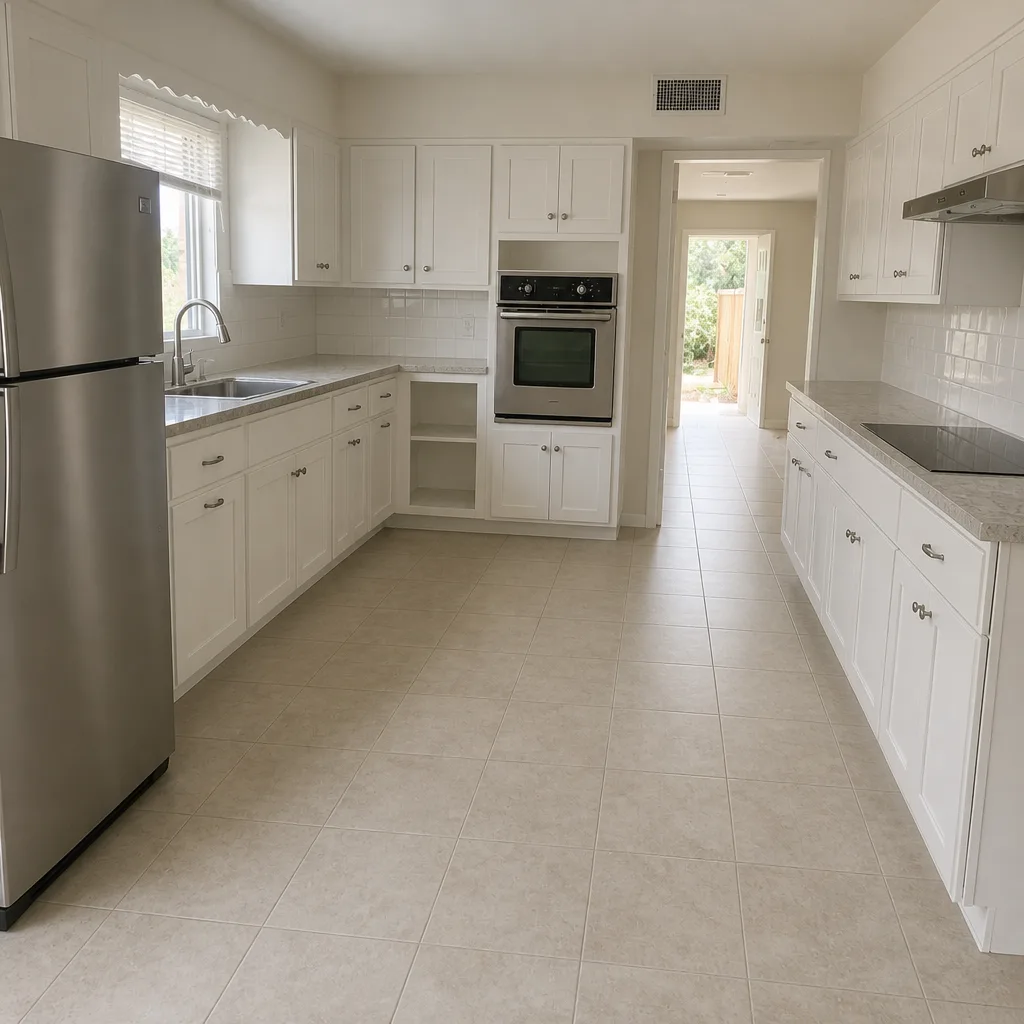
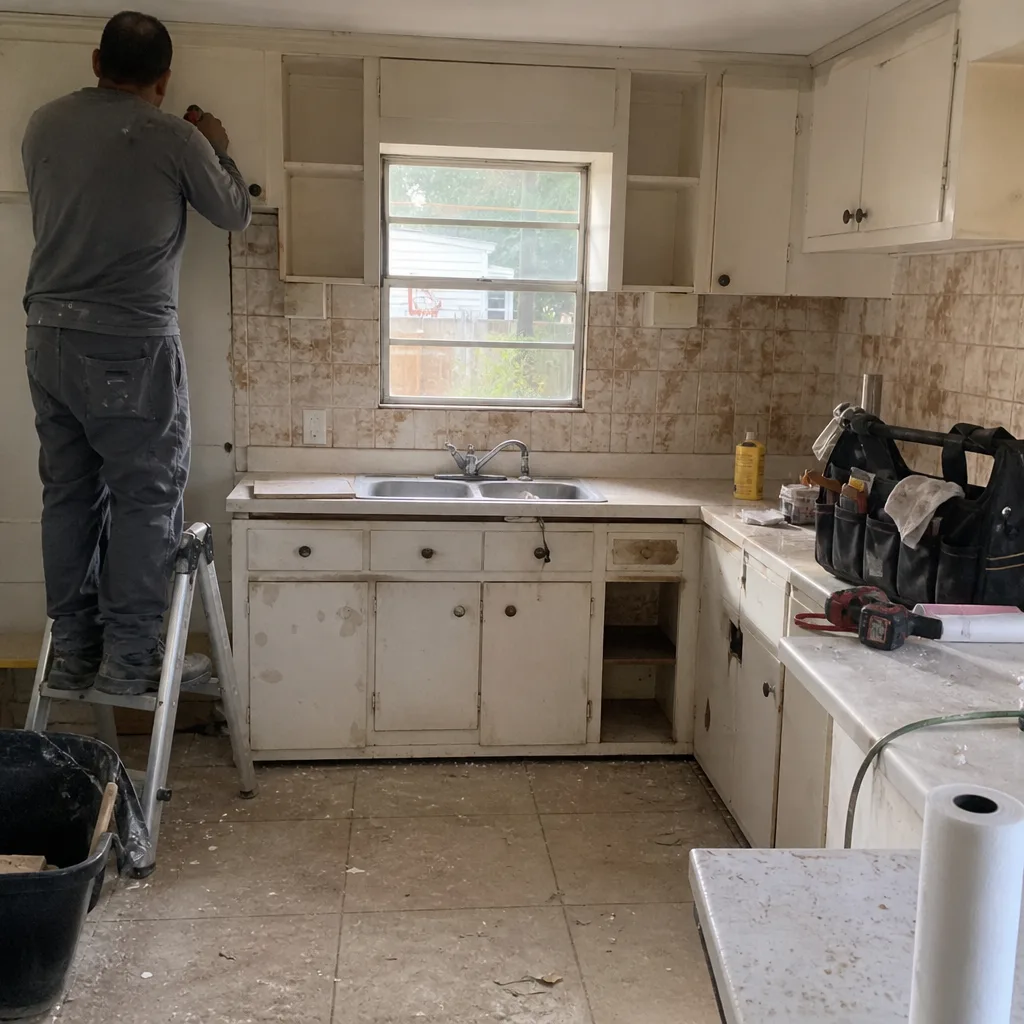
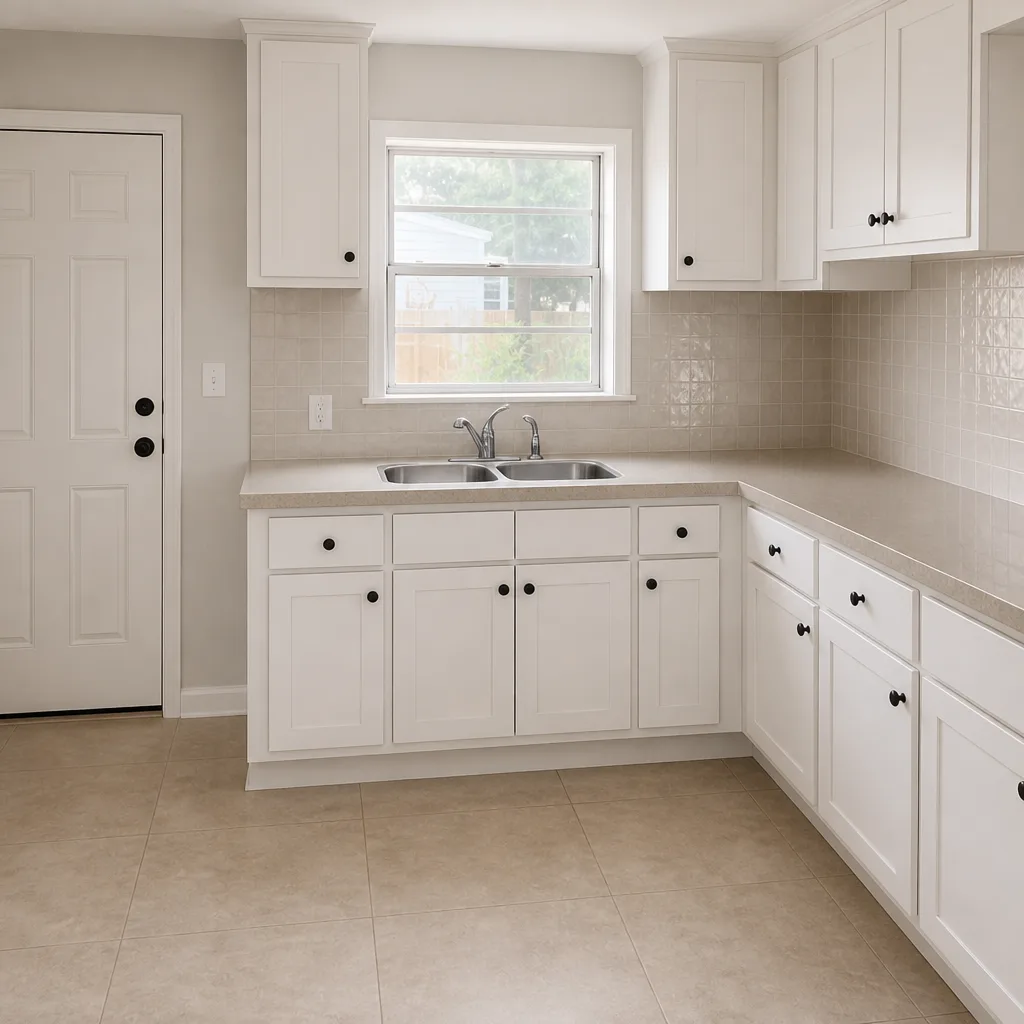
See the difference
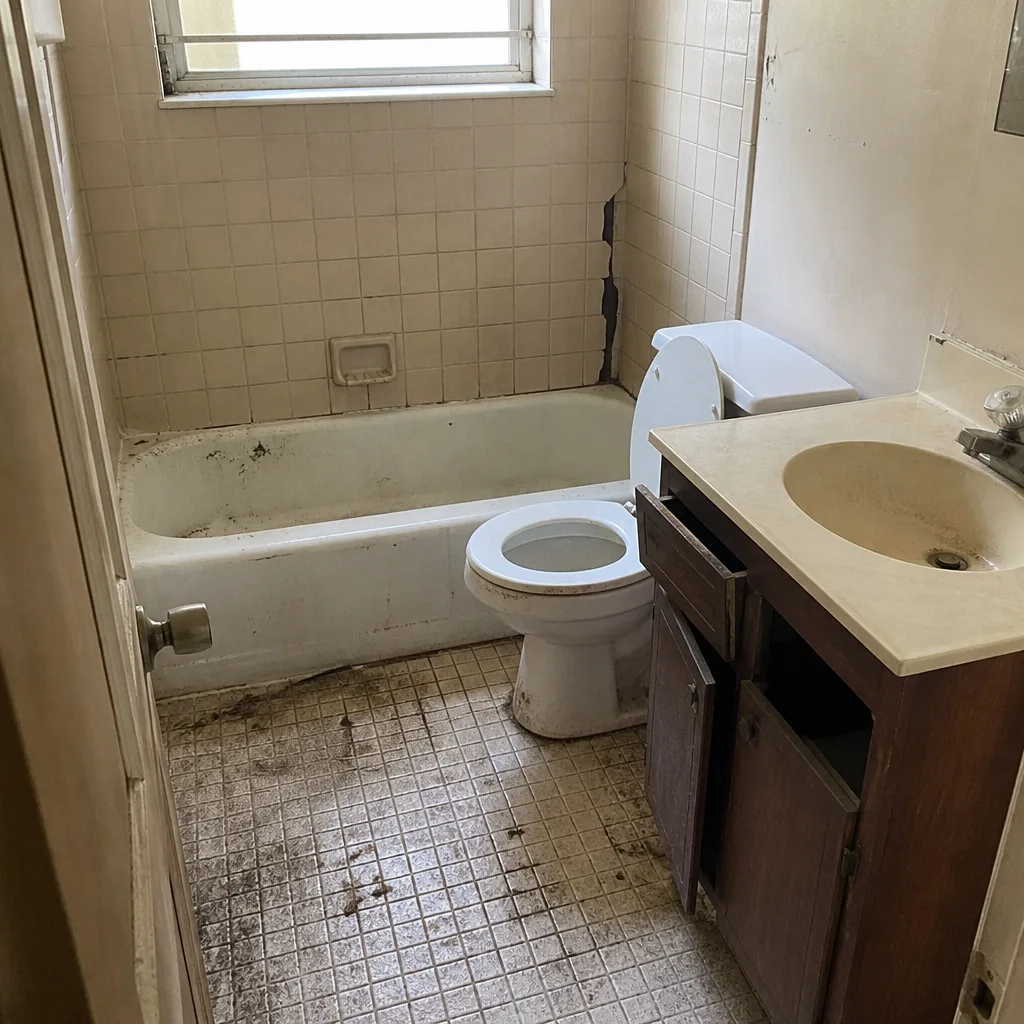 Before
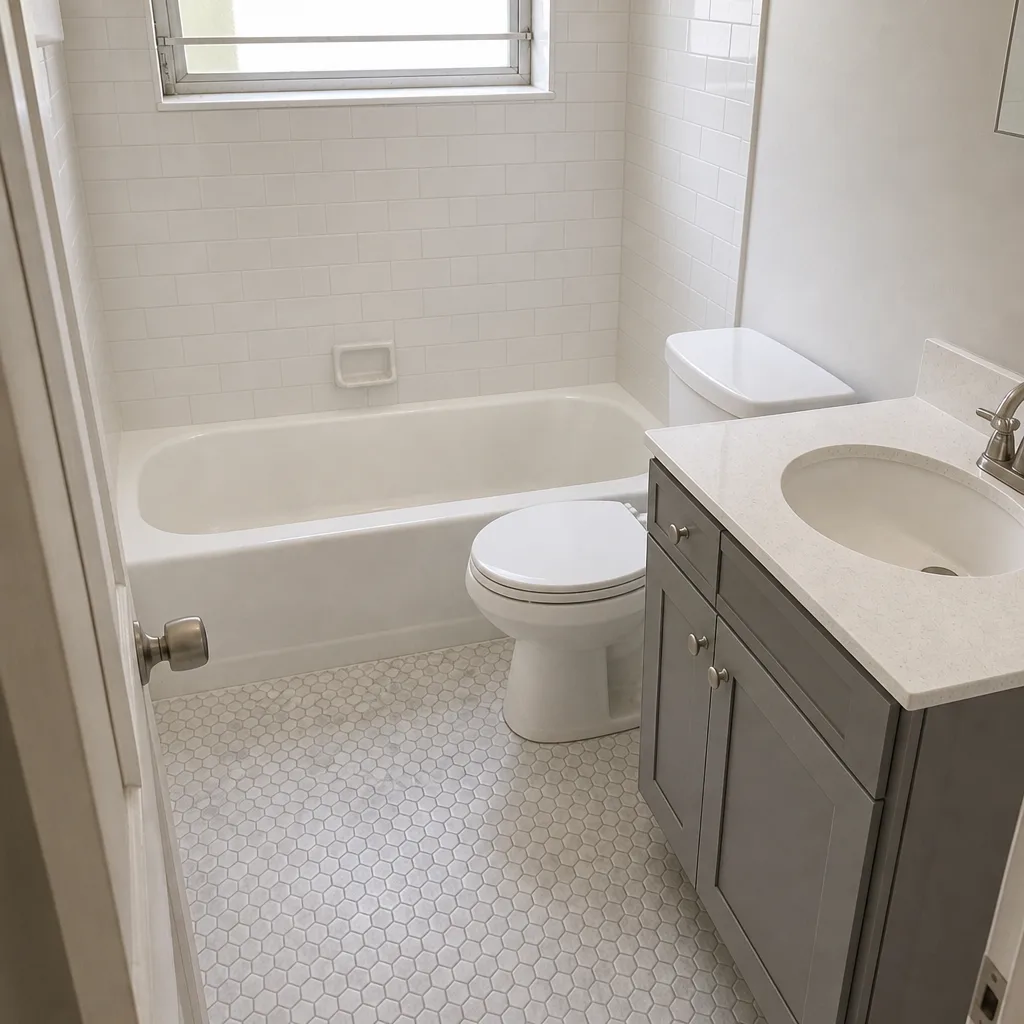 After
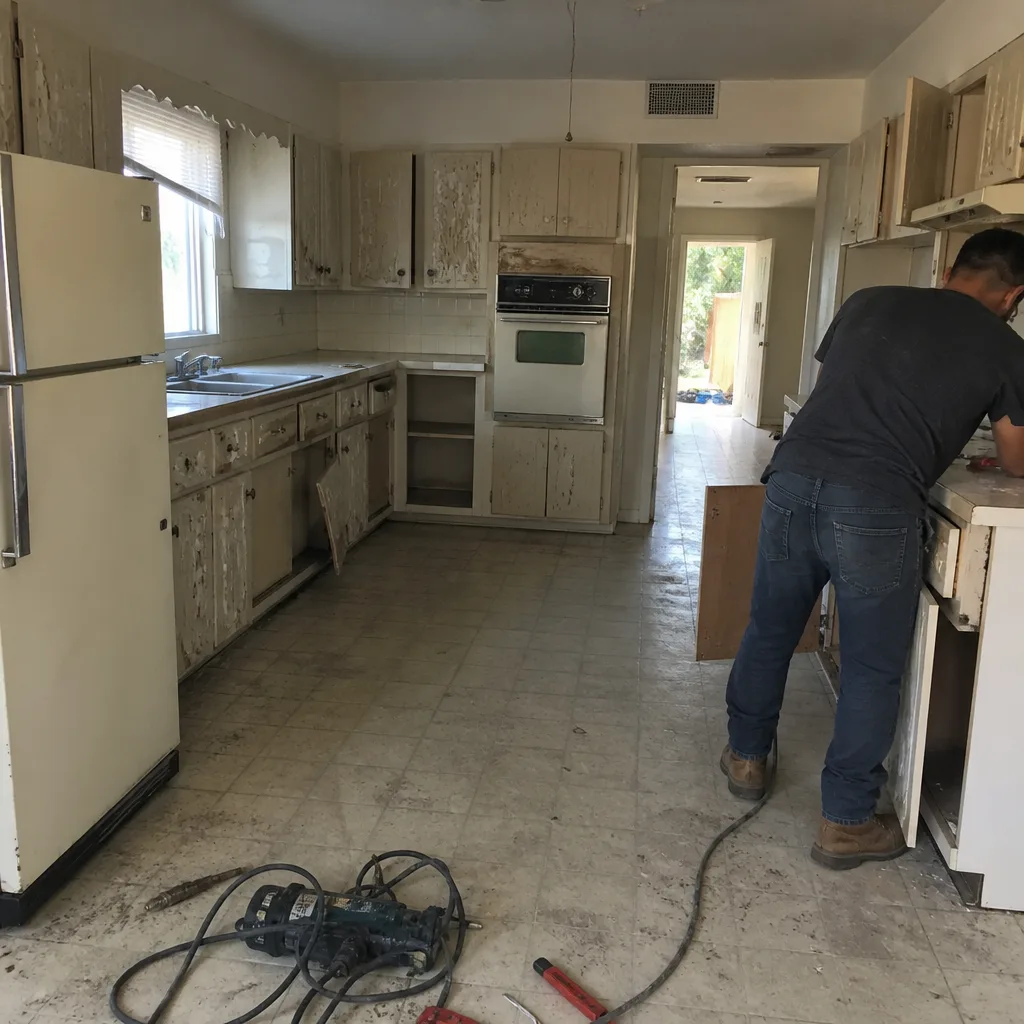 Before
 After
 Before
 After
When to Call a Professional

Some jobs belong in the “call a professional” category no matter how handy you are. Anything touching structural walls, electrical panels, gas lines, plumbing relocations, or the building envelope – windows, doors, garage doors, roofing – belongs with a licensed contractor, and in Miami-Dade, the permit requirement underscores it. A window replacement without the correct Florida Product Approval fails inspection and can cost you an insurance claim. Panel and gas work carries genuine safety risk: a mistake there isn’t a fixable inconvenience, it’s a fire or a leak you can’t see. And any remodel over a few thousand dollars that touches multiple trades is a project management job before it’s a construction job. A general contractor coordinates the subs, the inspections, and the timeline in a way a homeowner with a full-time job cannot. When a job crosses that line, hire it out.
For North Miami homeowners, Penhallow Remodeling North Miami home offers free estimates – call (888) 255-7411 and we’ll walk through your project, the permit scope, and a written line-item price before anything starts.
Frequently Asked Questions
Search the contractor on the Florida DBPR license lookup site, confirm the license status is active, note the type (CBC, CGC, or CRC), and check for disciplinary actions. Then call Miami-Dade’s Building Department to confirm the same license is recognized for county permits – the state lookup alone doesn’t tell you that. If either step fails, don’t hire them.
Yes, if the scope involves electrical, plumbing, or structural changes. Cosmetic swaps like cabinet fronts, countertops on existing bases, and paint don’t require permits. In most North Miami kitchen remodels, at least one permit is needed because the electrical and plumbing scope almost always changes something.
Most North Miami kitchen remodels run eight to twelve weeks once permits are in hand, bathroom remodels five to eight weeks, and whole-home remodels three to six months. Add two to eight weeks for permit review depending on scope, and factor in cabinetry lead times of six to ten weeks. Call (888) 255-7411 for an estimate based on your specific project.
A state license issued through the Florida DBPR allows a contractor to work in Florida in a defined category, but Miami-Dade separately requires local recognition to pull county permits. A contractor can hold a valid state license and still be unable to permit work in North Miami. Always verify both before you hire.
Three reasons: materials must meet salt-air and Wind-Borne Debris Region standards, which raises product costs; county permitting and inspection add administrative time; and the specification process for coastal projects requires more up-front detail. Budget a modest premium over inland Florida pricing – the difference usually reflects real material and compliance costs, not contractor padding.
Possibly, and often yes for the unpermitted work. Adjusters review permits and inspections during a claim, and work without a certificate of completion is often excluded from coverage. That’s the specific reason permits matter after a storm – the certificate of completion is the document your carrier reads as proof the work was legal.
The Bottom Line

North Miami is not a market where generic contractor advice works. The county’s licensing layer, Wind-Borne Debris Region requirements, salt-air material standards, and Miami-Dade’s permitting pace all add up to a specific checklist – and homeowners who run that checklist before signing get better projects at predictable prices. Verify both licenses, confirm the permits, read for the five protective contract clauses, and spec materials that are rated for the coast. Then get a written number and a written guarantee so the price on day one is the price on the invoice. That’s the framework that separates a remodel that works from one that becomes a story you tell at a dinner party.
To turn your project plan into a written price, Kitchen Remodeling in North Miami and Bathroom Remodeling in North Miami both start the same way: a call, a project visit, and a line-item estimate before any work begins. Call (888) 255-7411 to schedule your free estimate.
Written by the team at Penhallow Remodeling North Miami.