Last updated November 17, 2026






Free written scope consultation - allowances, timeline, and change-order rules on paper before a single trade is scheduled
DIY vs Professional Bathroom Remodeling: What’s Safe to Do Yourself
You can legally retile your own shower in Miami-Dade without pulling a permit. But move the showerhead 12 inches, and you’ve crossed into licensed plumbing work that requires an inspection. That single contrast tells you most of what you need to know about this decision: the line between DIY and professional bathroom remodeling isn’t about your comfort or your confidence. It’s about the code. That’s where it gets interesting, and it’s where the real money either gets saved or lost. In our experience, the homeowners who do best on a bathroom project are the ones who know exactly which tasks they can own and which ones require a licensed professional.
Quick Answer
Cosmetic work like painting, regrouting, swapping a vanity top, replacing a faucet cartridge, or changing out light fixtures on existing wiring is genuinely safe to DIY. Anything that moves a drain, changes plumbing locations, touches the electrical panel, alters the waterproofing envelope, or requires a permit in Miami-Dade should go to a licensed professional. The dividing line is the code, not your comfort level. Call (888) 255-7411 for a free estimate if you want a written scope and price before you decide what you’re handling yourself.
Styles & brands we work with
- Kitchen remodeling
- Bathroom remodeling
- Home additions & ADU
- Roofing
- Windows & doors
- Driveway & pavers
- Fence
Table of Contents
- The Miami-Dade Permit Triggers Nobody Explains Up Front
- Where DIY Bathroom Work Creates 12-18 Month Moisture Failures
- The Honest Tool and Skill Inventory for Five Popular DIY Tasks
- DIY Waterproofing vs Professional Systems in a High-Humidity Climate
- The Resale and Insurance Angle Homeowners Miss
- When to Call a Professional Instead
- Common Mistakes to Avoid
- Frequently Asked Questions
The Miami-Dade Permit Triggers Nobody Explains Up Front
The most useful DIY bathroom guide you can read is the Miami-Dade County permit schedule, and almost nobody points you to it. Here’s the practical version. Miami-Dade splits bathroom work into three tiers: cosmetic, mechanical, and licensed-trade-required. Cosmetic work involves finish surfaces only and does not require a permit. Mechanical work touches plumbing, electrical or structural systems and requires a permit plus an inspection. And some tasks require a licensed plumber or electrician regardless of whether a permit gets pulled.
Here’s how the tiers break down in practice:
- No permit required (cosmetic): Repainting walls, replacing a toilet, swapping a vanity top or sink without moving the drain, replacing a showerhead at the existing arm, laying new tile over an existing sound substrate, replacing a mirror or medicine cabinet, swapping a faucet on existing rough-in plumbing.
- Permit required (mechanical): Moving a toilet to a new location, adding a vent fan tied into new electrical, replacing a tub with a shower pan, adding a new outlet or GFCI circuit, changing the position of a sink drain line.
- Licensed trade required regardless: Any change to plumbing rough-in (moving the shower valve, relocating a drain, adding a line), any work inside the electrical panel, any gas line work if you have a gas water heater in the bathroom closet.
The counterintuitive part: replacing a toilet, which feels like a real plumbing job, requires no permit in most Miami-Dade jurisdictions. Moving a drain 18 inches, which feels cosmetic, is a permit job with inspection. In North Miami specifically, we see this trip up homeowners who plan to “just shift the vanity” and end up with a plumbing inspection they weren’t expecting. If you’re considering a full bathroom remodeling in North Miami, a written scope will lay out exactly which permits get pulled and by whom, before anyone picks up a tool.
Where DIY Bathroom Work Creates 12-18 Month Moisture Failures
The failures we get called back to fix almost always trace to one of three moisture paths, and almost all of them take 12 to 18 months to show up. That timeline is the trap. By the time a homeowner sees a soft spot in drywall or a grout line that keeps darkening even after a cleaning, the damage is already behind the tile.
Here’s how the three paths usually play out:
- Backer board without proper waterproofing. A cement board substrate (the moisture-resistant layer behind your tile) is not waterproof on its own. It resists moisture but doesn’t stop it. If water gets behind it, cement board stays wet and starts transferring that moisture to the framing. Sixteen months later, the studs are soft.
- Grout and caulk applied over movement joints. Grout at wall-to-floor transitions is supposed to be caulk, not grout. Grout cracks, water enters, and the failure runs laterally for months before you see it. In North Miami’s humidity, that failure advances faster than in dry climates.
- Tile set over a failing substrate. Retiling an existing shower without tearing out to the studs feels like a shortcut. If the old substrate has any flex or existing water damage, the new tile telegraphs the movement and cracks within one seasonal cycle.
When we tear out a failed DIY shower in North Miami, the demo scope is bigger than most homeowners expect. We’re removing tile, backer board, and typically 12 to 18 inches of framing around the base of the shower because the bottom plate has absorbed moisture. In areas like North Miami Beach and Bay Harbor Islands, the salt air and year-round humidity compress that timeline further. A shower that would fail in three years in a drier climate can fail in 18 months here. If your general contractor in North Miami is proposing a tile-over-tile shortcut, ask specifically how they’ll verify the substrate underneath.
The Honest Tool and Skill Inventory for Five Popular DIY Tasks
YouTube makes every task look like a Saturday afternoon. Here’s what each popular bathroom DIY job actually requires, and where the gap between the video and your garage widens.
1. Replacing a toilet
Tools: Adjustable wrench, putty knife, new wax ring, bucket, rags, level. Skill: Moderate. Time: 1-2 hours. Reality check: No permit needed in Miami-Dade, and this genuinely is a reasonable DIY job. The failure mode is a wax ring that doesn’t seat correctly, which shows up as a slow leak at the base that warps the subfloor over about a year. If you can lift 40 pounds and follow a torque spec, this one is fair game.
2. Replacing a faucet
Tools: Basin wrench, channel locks, adjustable wrench, plumber’s tape. Skill: Moderate. Time: 1-2 hours. Reality check: Fair DIY if the rough-in plumbing is sound and you’re replacing a faucet on existing connections. If the shutoff valves under the sink are seized or corroded, stop and call a plumber. That’s not a faucet job anymore, it’s a valve replacement, and a broken valve at the wall is a water-damage event.
3. Retiling a shower wall
Tools: Wet saw, angle grinder, trowel, tile spacers, mixing paddle, drill, level, sponge, grout float. Skill: Advanced. Time: 3-5 days for a first-timer. Reality check: This is where DIY gets expensive. The wet saw alone runs $400-$1,200. If you don’t apply waterproofing correctly over the backer board, you’ll spend the money twice. Tile setting is a skill measured in hundreds of hours, not one YouTube video.
4. Replacing a vanity
Tools: Stud finder, level, drill, wrench, utility knife, caulk gun. Skill: Moderate. Time: Half a day to a day. Reality check: Safe DIY if you’re replacing the vanity with the same footprint and reusing the existing plumbing locations. Once you move a drain or supply line, you’re into licensed plumbing territory. The vanity itself is straightforward; the plumbing reconfiguration is not.
5. Installing a new shower valve
Tools: Not a DIY job. Skill: Professional. Time: 3-6 hours for a plumber. Reality check: This is the task that most often gets attempted and most often goes wrong in a way that requires a full re-tile. The valve body sits inside the wall, the rough-in has to be at exactly the right depth, and any leak behind the wall is invisible until the drywall on the other side starts to stain.
If you’re cataloging which tasks you’ll own on a kitchen remodeling in North Miami or a bathroom project, treat this inventory as a filter: any task marked Advanced or Professional that also touches plumbing or electrical is usually better handled by a licensed pro, even if you’re managing the project.
DIY Waterproofing vs Professional Systems in a High-Humidity Climate
This is where the honest answer cuts both ways. The product gap between a well-installed DIY waterproofing system and a professional system is smaller than the contracting industry sometimes admits. But the installation gap is real, and it’s what fails first.
On the product side, professional waterproofing systems like Schluter’s bonded membrane systems are available to homeowners. They work. A careful DIYer who reads the spec sheet and applies the membrane with the correct coverage can build a shower that performs as well as a professionally built one. We’re not going to pretend otherwise.
On the installation side, the failure points are coverage, corner details, and drain integration. A professionally installed system in North Miami has to account for year-round indoor humidity that never really drops below 60 percent, plus the occasional storm-season pressure drop on the water table that pushes moisture up through slab-on-grade foundations. That means your shower waterproofing has to handle vapor, not just splashing. Bonded membranes do this well when installed to spec. They fail fast when corners are skipped, when the drain flange isn’t seated correctly, or when a pre-formed corner piece gets cut to save material.
Where the gap is overstated: the brand on the membrane. Slapping a brand name on a poorly installed membrane doesn’t outperform a careful DIY install of a different brand. Where the gap is understated: the person’s ability to self-inspect. A professional installer sees a coverage miss because they’ve done it hundreds of times. A first-timer often can’t tell a good seal from a bad one by eye. If you’re doing your own waterproofing, budget the extra hours to do a flood test (fill the pan with water for 24 hours and check the ceiling below for moisture) before you ever set tile. That test is the one thing that turns a hopeful DIY into a reliable one.
The Resale and Insurance Angle Homeowners Miss
Permit history does not disappear when you sell. In Miami-Dade, a home inspector will pull the property’s permit record, and any unpermitted work shows up there. Here’s how that plays out at resale and in an insurance claim.
- Home inspection flags: Unpermitted plumbing, electrical or structural changes show up as “deferred cost” items and often need to be either permitted retroactively or torn out. That can run $3,000-$12,000 depending on scope.
- Buyer financing: FHA and VA loans in particular will not fund a home with certain unpermitted work, especially anything touching electrical or plumbing in a wet zone. A cash buyer may still purchase, but at a discounted offer, often 3-6 percent below market.
- Insurance claims: If a failed DIY shower causes water damage and the adjuster finds the work was unpermitted, the claim is at risk. Most homeowner policies exclude damage from unpermitted or improperly constructed work, and the burden of proof falls on you.
- Disclosure requirements: Florida sellers are required to disclose known defects, and unpermitted work that has failed falls squarely into that category. Selling without disclosure opens a homeowner to a claim after closing.
The five tasks that show up most often on a home inspection report after a DIY bathroom project are unpermitted drain relocations, unpermitted electrical circuits added to the bathroom, shower pans that fail a moisture meter reading, GFCI outlets missing or improperly bonded, and unpermitted vent duct changes that violate the exhaust-to-outside requirement. Every one of those is a task that would have been a simpler, cheaper job done right the first time. If you’re mapping out which parts of the project deserve a pro, our Penhallow Remodeling North Miami home page outlines how a written scope protects you from exactly these surprises down the road.
When to Call a Professional
Call a licensed professional whenever the work moves plumbing, changes electrical, touches the waterproofing envelope, or requires a permit you can’t legally pull as a homeowner in Miami-Dade. That covers drain relocations, shower valve replacements, tub-to-shower conversions, panel work, vent fan installs on new circuits, and any full-gut remodel where the substrate behind the tile is getting replaced. It also covers any job where you’re not sure. Uncertain inspection is the beginning of failure.
Safety matters here. A shower valve that fails behind the wall can scald someone. An unpermitted electrical connection in a wet zone can cause a shock. A missed waterproofing detail can cause structural rot behind tile you can’t see. These aren’t risks worth taking on yourself when a licensed professional can confirm the work is done right.
Penhallow Remodeling North Miami offers free estimates in North Miami with a written price before any work starts, so you know exactly what you’re paying before the first cabinet comes out. Call (888) 255-7411 – a live person answers 24/7.
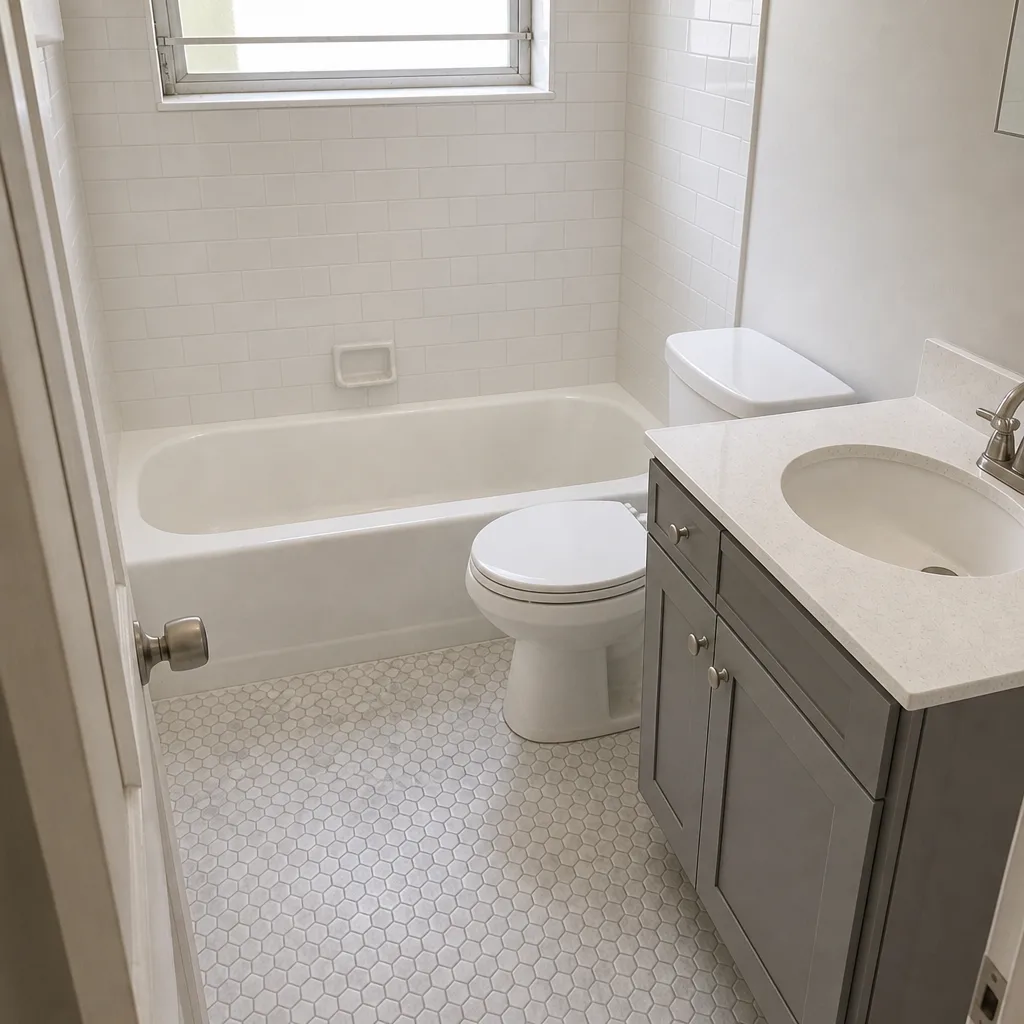
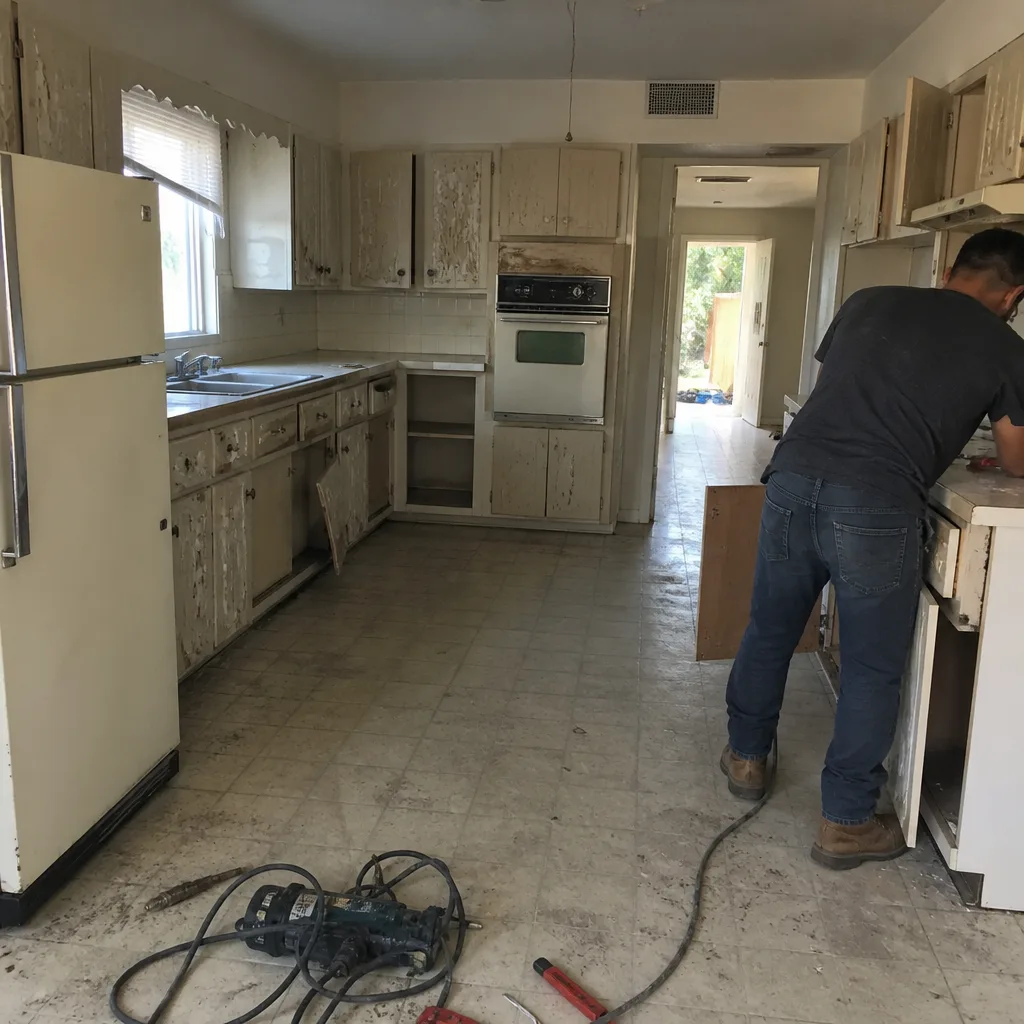
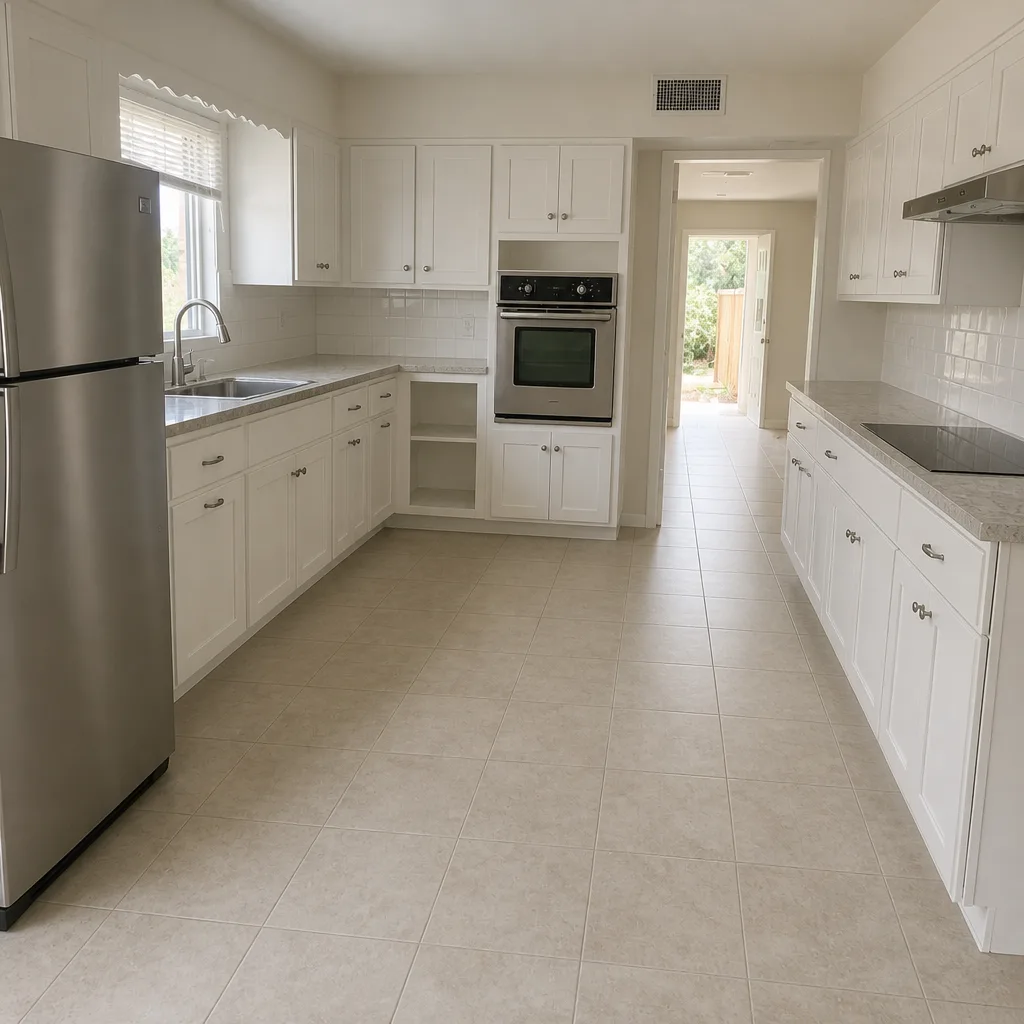
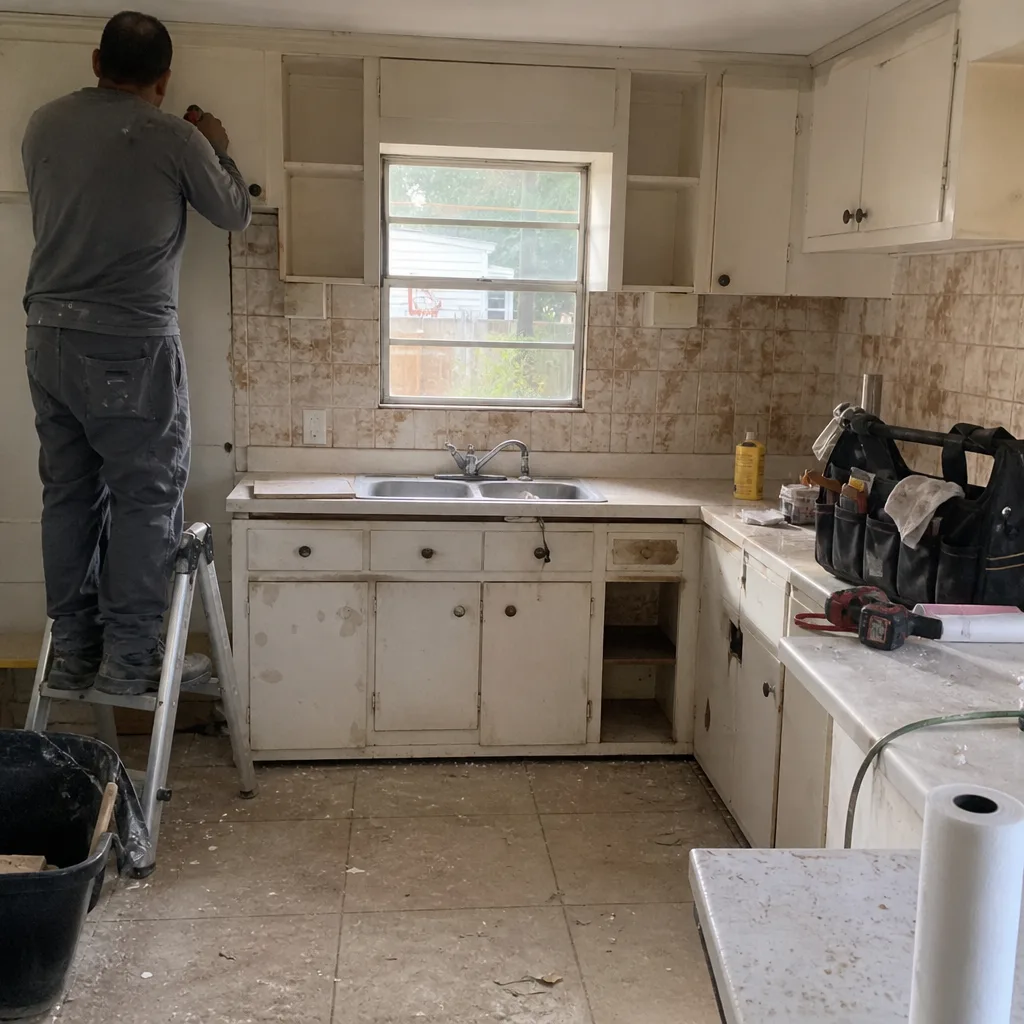
See the difference
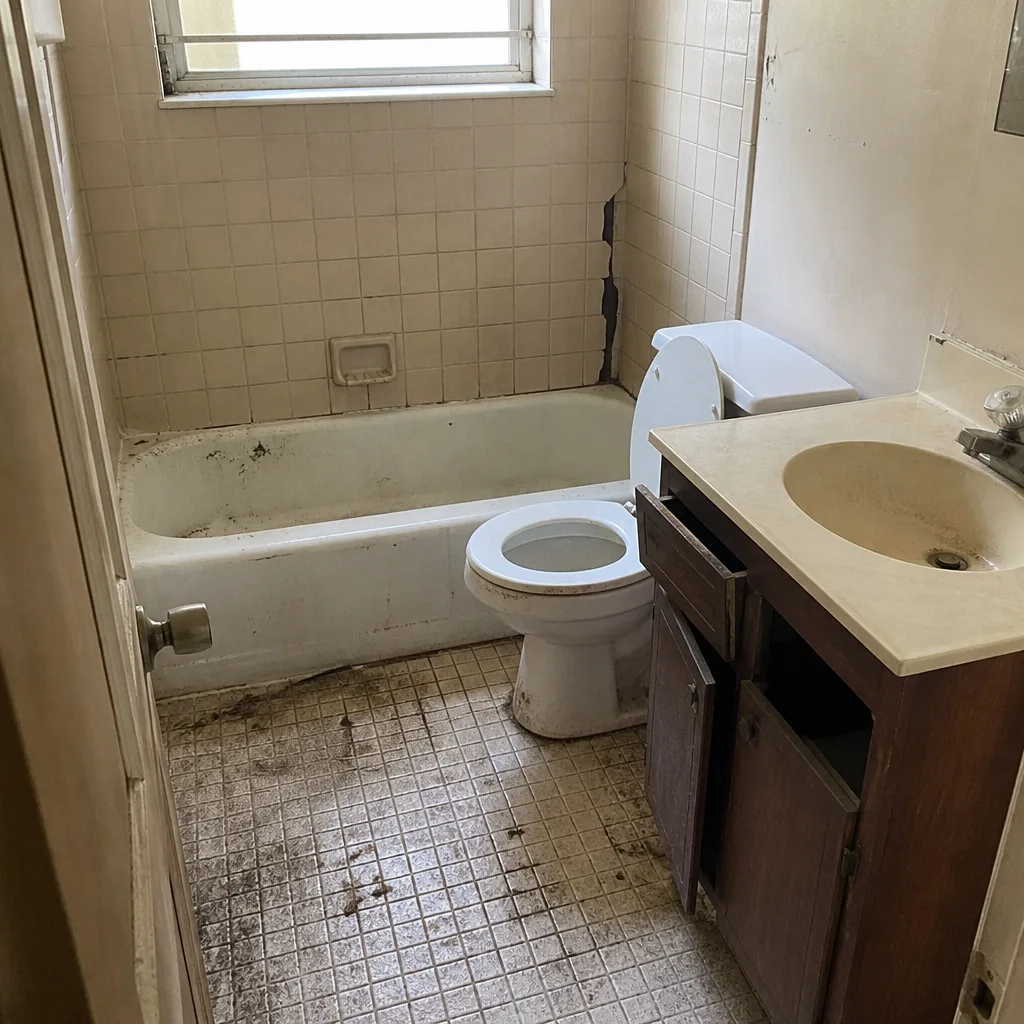 Before
 After
 Before
 After
 Before
 After
Common Mistakes to Avoid

- Skipping the flood test. A 24-hour flood test before setting tile is the only way to confirm your shower pan is watertight. We’ve seen North Miami homeowners save two days of labor by skipping it and lose six weeks fixing the resulting moisture failure.
- Retiling over unknown substrate. If you can’t inspect what’s behind the existing tile, don’t tile over it. The two leading causes of shower failure are bad substrate and bad substrate with new tile on top of it.
- Using grout where caulk belongs. Inside corners and the wall-to-floor transition are supposed to be caulk, not grout. Grout in these joints cracks within one seasonal cycle and opens a path for water.
- Moving plumbing to “fit the new vanity.” In Miami-Dade, this is a permit job with an inspection, and if you don’t pull it, you own the risk at resale and in any future insurance claim.
- Running new outlets on old breakers. A bathroom outlet added to a shared living-room circuit is a common North Miami DIY fix and a common home inspection flag. Bathrooms require dedicated GFCI protection.
- Venting the bathroom fan into the attic. Code requires the exhaust to terminate outside the building envelope. Venting into the attic moves moisture from your bathroom into your attic, which in a North Miami summer becomes a mold problem in one season.
- Treating YouTube as a reference for code. Video tutorials are useful for technique. They are not a substitute for the Miami-Dade County product approval schedule, and no video will tell you whether your specific job requires an inspection.
Frequently Asked Questions
No, retiling at the existing footprint does not typically require a permit as long as you don’t change plumbing, electrical or structural elements. The moment you move the showerhead, relocate the valve, or replace the shower pan with a tub conversion, you’ve crossed into permitted work. Call (888) 255-7411 for a free estimate if you want a written scope that clarifies exactly which parts need permits.
Yes, replacing a toilet at the existing location requires no permit in Miami-Dade, and it’s one of the safer DIY tasks in a bathroom remodel. The failure mode to watch for is a poorly seated wax ring, which usually shows up as a slow subfloor leak over about a year. If the shutoff valve at the wall is seized, stop and call a plumber.
Professional bathroom remodels in North Miami typically run $14,000-$38,000 depending on size, fixture grade and whether the layout changes. A hall bath with new tile, a vanity, a toilet and a tub-to-shower conversion sits at the lower end; a primary suite with relocated plumbing, a freestanding tub and premium fixtures trends toward the top. Call (888) 255-7411 for an exact quote – estimates are free and written.
Usually not if the failure traces to unpermitted or improperly constructed work. Most Florida homeowner policies exclude damage from work that wasn’t permitted or wasn’t completed to code, and unpermitted work is a standard exclusion in most carrier policies. If you’ve already had a leak, call us before you tear out the tile so we can scope the repair correctly.
The early warning signs are grout that stays dark after cleaning, caulk that keeps peeling in the same corner, a soft spot in the drywall on the other side of the shower wall, or a musty smell that returns within a week of deep cleaning. All four mean moisture is getting behind the tile. In North Miami’s year-round humidity, the failure tends to advance fast, so a professional inspection within a few weeks is worth the cost.
Yes, this is a common arrangement called owner-managed remodeling, and it can save money if you’re organized. The catch is that you own the schedule risk, the code risk and the permit coordination, and any trade you hire needs to be licensed and pull their own permits. When multiple trades overlap, gaps between them (like waterproofing landing between the plumber and the tile setter) become your responsibility to catch. A written scope from a general contractor gives you a reference point for what each trade should be delivering.
The Bottom Line
The line between safe DIY and professional work in a North Miami bathroom is the code, not your confidence. Cosmetic work, toilet replacement, faucet swaps and vanity replacements at existing locations are reasonable to own. Anything that moves plumbing, changes electrical circuits, replaces waterproofing behind tile, or requires a Miami-Dade permit needs a licensed professional. The 12-18 month delay on moisture failures makes DIY waterproofing mistakes expensive to defer, and unpermitted work shows up at resale, on a home inspection, and in an insurance claim. Get the price in writing before you decide what you’re handling yourself, and let a professional cover the parts you can’t see.
Call Penhallow Remodeling North Miami at (888) 255-7411 for a free estimate. A live person answers 24/7. Every project comes with a written price before any work starts, background-checked uniformed technicians, and the 365-Day Done Right Promise: if it’s not done right, we make it right.
Written by the team at Penhallow Remodeling North Miami.