Last updated November 17, 2026








Free written scope consultation - allowances, timeline, and change-order rules on paper before a single trade is scheduled
Bathroom Remodeling Maintenance Schedule: What to Do and When
Hard water in North Miami leaves calcium buildup on shower doors and faucet aerators fast enough that what looks like a fixture failure at year three is almost always a maintenance failure that started at month six. We’ve pulled Grohe shower valves in North Miami condos that looked fifteen years old after five, and every one of them had the same story: no routine, no records, no early warning. This guide gives you a month-by-month and year-by-year maintenance schedule built specifically for South Florida bathrooms – 90% annual humidity, hard municipal water, and salt air that eats hardware finishes faster than anything a Midwest maintenance checklist was written for. You’ll learn what to inspect, when, and how to document it so your workmanship guarantee stays valid.
Quick Answer
A newly remodeled bathroom in North Miami should be inspected monthly for caulk and grout wear, cleaned weekly with a hard-water-appropriate product to stop calcium etching, and have its exhaust fan cleaned every three months with a full ventilation check once a year. Re-caulk tub and shower transitions annually, test shower pan waterproofing every twelve months, and keep written records of every task – most workmanship guarantees require documented maintenance to remain valid.
Styles & brands we work with
- Kitchen remodeling
- Bathroom remodeling
- Home additions & ADU
- Roofing
- Windows & doors
- Driveway & pavers
- Fence
Table of Contents
- The Monthly Routine: Keeping Hard Water From Winning
- Quarterly Tasks: Exhaust Fan and Ventilation Checks
- The Annual Caulk and Grout Inspection Cycle
- The Shower Pan Waterproofing Test
- Coastal Hardware and Fixture Care
- How Maintenance Keeps Your 365-Day Guarantee Valid
- Seasonal Calendar: What to Do Each Month in North Miami
- Common Mistakes to Avoid
The Monthly Routine: Keeping Hard Water From Winning
North Miami’s municipal water carries enough dissolved calcium and magnesium that a shower door squeegee used after every shower still won’t stop the film from forming – it just slows it down. The difference between a glass panel that stays clear for a decade and one that etches permanently at year four is a monthly descaling routine, not a weekly wipe-down with the wrong product.
Here’s what we recommend, and what we’ve seen work in North Miami homes from Keystone Point to Biscayne Landing:
- Descale glass and tile once a month with a mild acid cleaner – a diluted white vinegar solution or a commercial hard-water remover. Avoid anything abrasive on glass; it micro-scratches the surface and gives calcium a place to grab.
- Soak faucet aerators every 30 days. Unscrew the aerator, soak it in vinegar for 20 minutes, rinse, reinstall. This is a five-minute task that prevents the most common “my faucet lost pressure” call we get.
- Wipe down fixture finishes weekly with a soft cloth and fresh water. Salt air in coastal North Miami corrodes chrome and brushed nickel faster than inland homes see, and a weekly rinse removes the salt film before it pits the finish.
- Check the toilet tank for mineral crust monthly. A visible ring at the waterline means you’re overdue for a tank cleaning with a mild descaler.
Grohe and Moen finishes are durable, but no finish is designed to sit under mineral deposits for months at a time. The monthly routine is the single highest-return maintenance habit you can build.
Quarterly Tasks: Exhaust Fan and Ventilation Checks
In a humid climate, the exhaust fan is the most important mechanical component in your bathroom – and the most neglected. A fan that’s pulling 30% less air than it did when installed is the difference between a bathroom that dries out in 20 minutes and one that stays damp for hours, feeding mold behind the tile.
- Turn the fan off and remove the grille. Most grilles pop off with a gentle pull or a quarter-turn of a retaining clip. Set the screws somewhere you won’t lose them.
- Vacuum the blades and housing with a brush attachment. Dust and lint build up on the impeller and throw off its balance, which cuts airflow and shortens motor life.
- Wash the grille in warm soapy water and dry it fully before reinstalling.
- Check airflow with the tissue test. Hold a single square of toilet paper up to the grille while the fan runs. If it doesn’t hold flat, the fan is underperforming and you need to investigate the duct, not just the fan.
- Look for signs of reduced ventilation: condensation on the mirror that takes more than ten minutes to clear after a shower, persistent musty smell, or paint peeling near the ceiling. Any of these mean you have a ventilation problem, not a cleaning problem.
If your North Miami bathroom has a fan that’s more than a decade old and failing the tissue test even after cleaning, replacing it with a modern unit sized to the room is usually cheaper than treating the mold it’s causing. We install exhaust fans rated for continuous humid-climate operation on every bathroom remodeling in North Miami project for exactly this reason.
The Annual Caulk and Grout Inspection Cycle
Re-caulking the tub and shower transitions every year is the highest-ROI maintenance task in any South Florida bathroom. A $15 tube of silicone and an hour of your time prevents water from getting behind the tile and into the substrate (the moisture-resistant layer behind the tile and under the floor), where it causes rot, mold, and subfloor damage that runs into the thousands.
In our experience, North Miami bathrooms need this work more often than the national average because the humidity swings – from 95% in August to 50% in January – expand and contract caulk lines harder than a climate with steady humidity. Here’s the annual routine:
- Inspect caulk every month at tub edges, shower floor transitions, and the joint where tile meets drywall. Look for cracking, peeling, dark spots, or any place the caulk has pulled away.
- Inspect grout lines annually for cracking, missing grout, or dark discoloration that doesn’t clean up with a normal scrub. Missing grout means water is already getting behind the tile.
- Strip and replace caulk once a year at all wet-area joints, even if it looks intact. Silicone caulk has a service life of 3-5 years, but in South Florida’s humidity the outer seal degrades faster. Remove the old caulk fully with a plastic scraper, clean with rubbing alcohol, and apply a fresh 100% silicone caulk rated for wet areas.
- Seal grout every 12-18 months with a penetrating sealer. In North Miami’s hard water, unsealed grout absorbs minerals and stains permanently within a couple of years.
This is also the calendar check that catches the problem before it becomes a repair. A hairline crack in the caulk at the tub edge in March is a five-minute fix. The same crack left alone through a wet season in North Miami is a rotten tub surround by October.
The Shower Pan Waterproofing Test
The waterproof membrane under your shower tile is invisible – and when it fails, the first sign most homeowners get is water stains on the ceiling below or a soft spot in the subfloor, by which point the repair is a full rebuild, not a patch.
Here’s the low-tech annual test we recommend every North Miami homeowner run, once a year:
- Plug the shower drain with a test plug or a large flat sponge.
- Fill the shower pan with about an inch of water – enough to cover the entire floor surface.
- Mark the waterline with a piece of tape on the tile at the current level.
- Leave it for 24 hours. Don’t use the shower during this window.
- Check the water level. A drop of more than 1/8 inch means water is escaping somewhere it shouldn’t. Recheck after 48 hours for any drop at all.
- Look for moisture on the ceiling below (if you have a floor beneath the bathroom) or around the base of the shower on the outside walls.
If the test fails, stop using the shower and call a professional. A failed membrane in a North Miami bathroom is not a DIY fix – the tile has to come up and the pan has to be rebuilt, and a botched repair is exactly what our 365-Day Done Right Promise exists to prevent.
Coastal Hardware and Fixture Care
Salt air is the maintenance variable most mainland bathroom guides ignore entirely. In North Miami, the coastal air accelerates corrosion on hinges, handles, drawer pulls, and metal trim – especially on homes east of Biscayne Boulevard where ocean air reaches the interior on a steady breeze.
- Wipe down metal hardware monthly with a dry or barely damp cloth. Don’t let salt residue sit on hinges or handles.
- Apply a light coat of mineral oil to door hinges and cabinet hardware every six months – it displaces moisture and slows oxidation.
- Check the shower door rollers and tracks quarterly. Salt and mineral buildup in the track is the most common cause of a shower door that starts sticking or jumping off its track.
- Inspect the finish on faucets and shower trim annually. Pitting, cloudiness, or a chalky white film that won’t clean off means the finish is failing. Grohe and Moen both honor finish warranties on a schedule you can look up, but the claim has a much better chance if you’ve kept a record of regular care.
For more on how we approach finish selection and hardware durability in coastal homes, see our General Contractor in North Miami page – it covers the material choices that hold up best in salt air.
How Maintenance Keeps Your 365-Day Guarantee Valid
Most workmanship guarantees – including ours – require the homeowner to perform reasonable maintenance, and specifically to document it. The 365-Day Done Right Promise we back every project with covers our workmanship for a full year: if something fails because we installed it wrong or a product we supplied fails, we come back and fix it at no charge. What it can’t cover is a failure caused by neglected caulk or a fan that hasn’t been cleaned since installation.
Here’s how to protect your guarantee:
- Keep a maintenance log. A simple notebook or notes file with the date and task performed is enough. Photos on your phone work too – the date stamp is the point.
- Save receipts for cleaning products and caulk. If a claim ever comes up, this is what separates “we maintained it” from “we think we did.”
- Photograph any issue the moment you notice it. A crack, a stain, a soft spot – take a photo before you touch it, then call us. Early documentation makes the guarantee process fast and simple.
- Call us before attempting a fix yourself. If a maintenance task goes wrong and causes damage, that’s outside the guarantee. Our free second visit exists for exactly this reason: if something we repaired fails, we come back free of charge, no service call, no re-inspection fee.
Say the price before the work, show up in the window we gave, and stand behind it in writing – that’s The Kingswell Way, and it works best when both parties do their part. Our Penhallow Remodeling North Miami home page lays out the guarantee language in full.
Seasonal Calendar: What to Do Each Month in North Miami
North Miami’s dry season runs roughly November through April and the wet season May through October. That split matters for maintenance – wet season is when moisture problems reveal themselves, and dry season is when you can get ahead of them.
- January-March: Full annual caulk inspection and replacement. Shower pan waterproofing test. Seal grout. Clean exhaust fan and run the tissue test.
- April-June: Pre-wet-season inspection. Recheck caulk at tub and shower transitions. Clean shower door tracks. Test the fan’s condensation-clearing performance. Descaling every two weeks, not just monthly.
- July-September: Peak humidity and peak fan workload. Clean the exhaust fan every month this quarter. Watch for new mold at the ceiling corner or behind the toilet. Keep up the descaling schedule – this is when calcium buildup is fastest.
- October-December: Post-wet-season inspection. Look for water stains on the ceiling below the bathroom, soft spots in the subfloor, and any caulk or grout failure the wet season exposed. Recaulk anything that’s failing before the dry season.
For the full picture of how climate and material choices interact across a whole home, our Kitchen Remodeling in North Miami guide covers the same principles for the other high-moisture room in the house.
Common Mistakes to Avoid
- Waiting for visible failure before re-caulking. By the time you can see separation, water has already been getting behind the tile for weeks. Replace caulk annually, not on a “looks fine” schedule.
- Using abrasive cleaners on glass and fixtures. Comet, scouring pads, and anything with pumice will micro-scratch glass and strip finish from chrome – and in North Miami’s hard water, those scratches are where calcium starts.
- Skipping the fan because “the bathroom dries on its own.” It doesn’t. A North Miami bathroom without a functioning fan stays humid for hours after every shower, and that’s enough for mold to establish behind the tile.
- Treating a failing shower pan as a cosmetic issue. A slow drain is not the same as a leaking pan, but both need a professional look. Ignoring either in a South Florida bathroom leads to subfloor replacement.
- Not documenting maintenance. A guarantee is only as good as your records. Without a log, you can’t prove the failure was a workmanship issue rather than neglect.
- Assuming salt air only affects the outside of the house. North Miami homes east of Biscayne Boulevard see interior corrosion on hinges, drawer pulls, and shower hardware. Treat metal surfaces like a coastal maintenance item.
- Using the wrong caulk. Painter’s caulk is not bathroom caulk. Any joint in a wet area needs 100% silicone rated for bathroom use, or you’ll be back at it in six months.
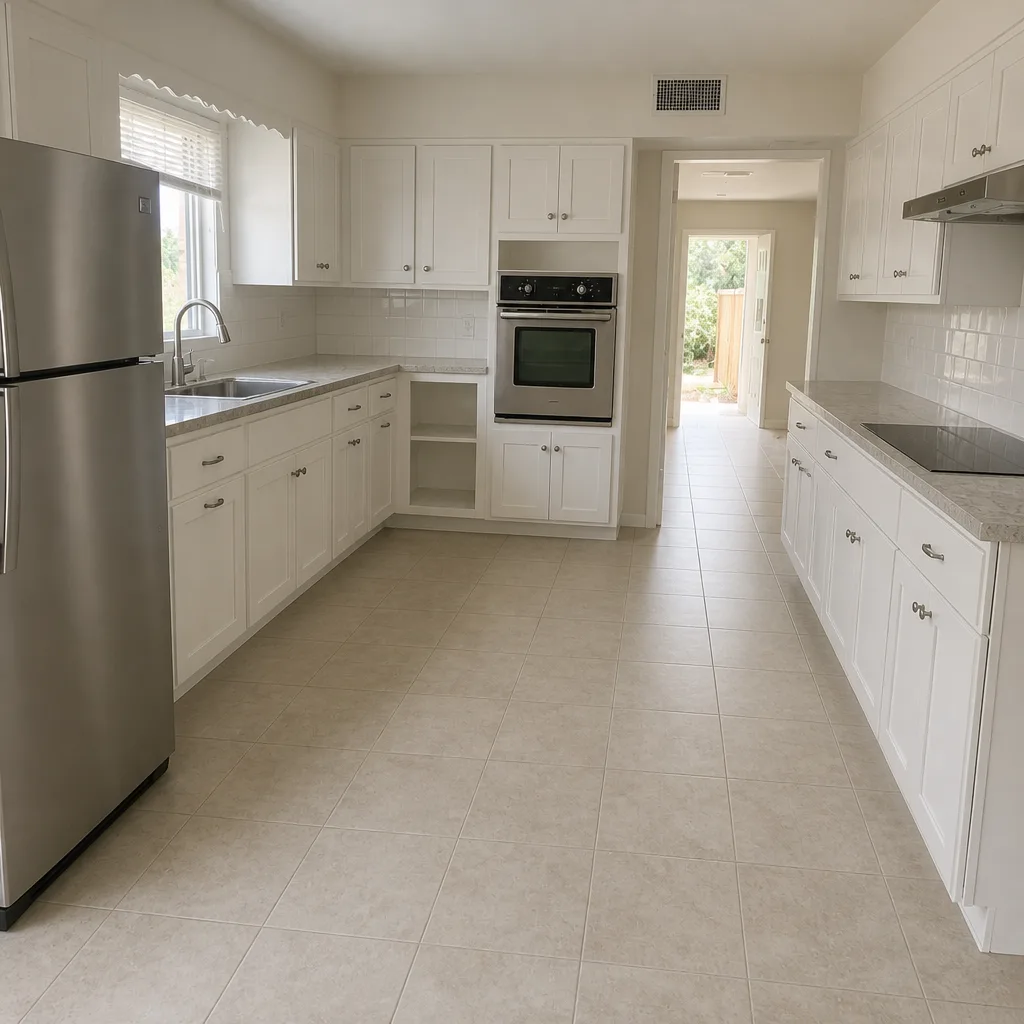
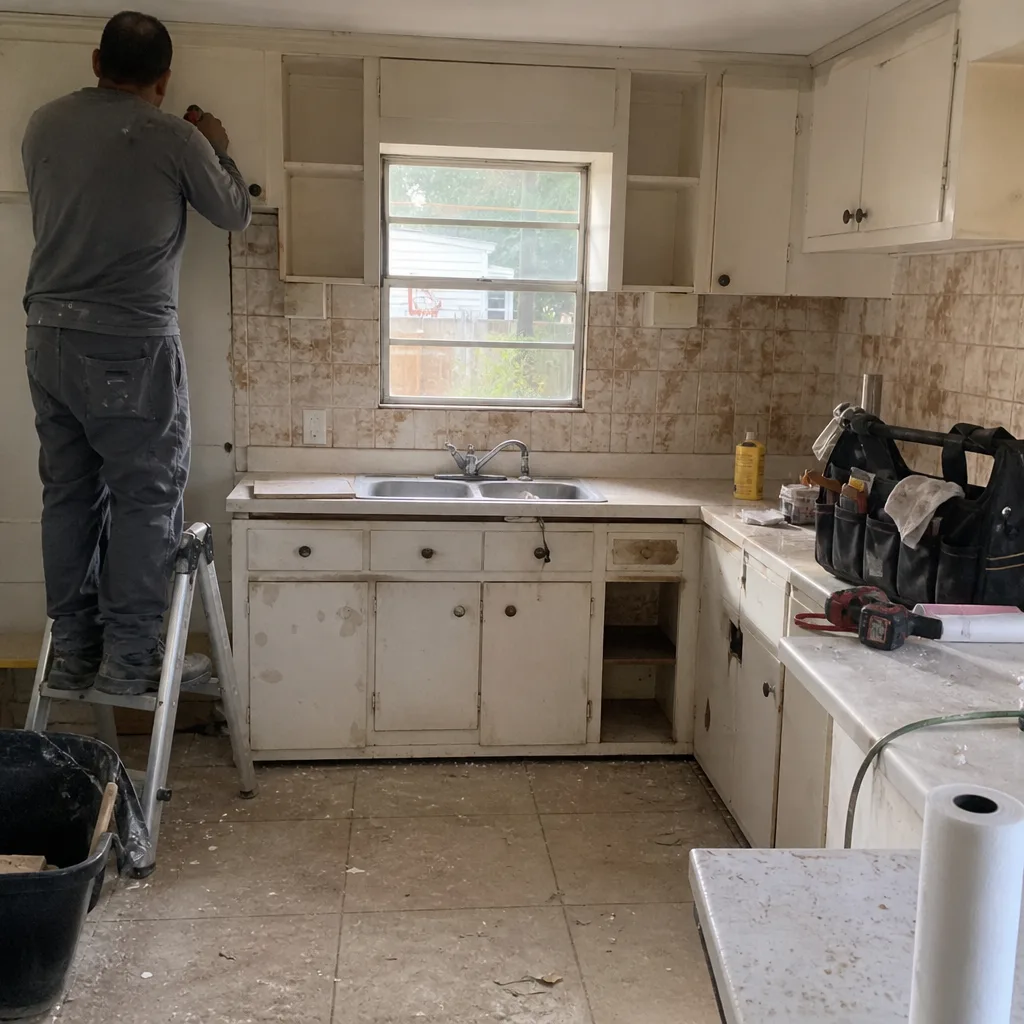
See the difference
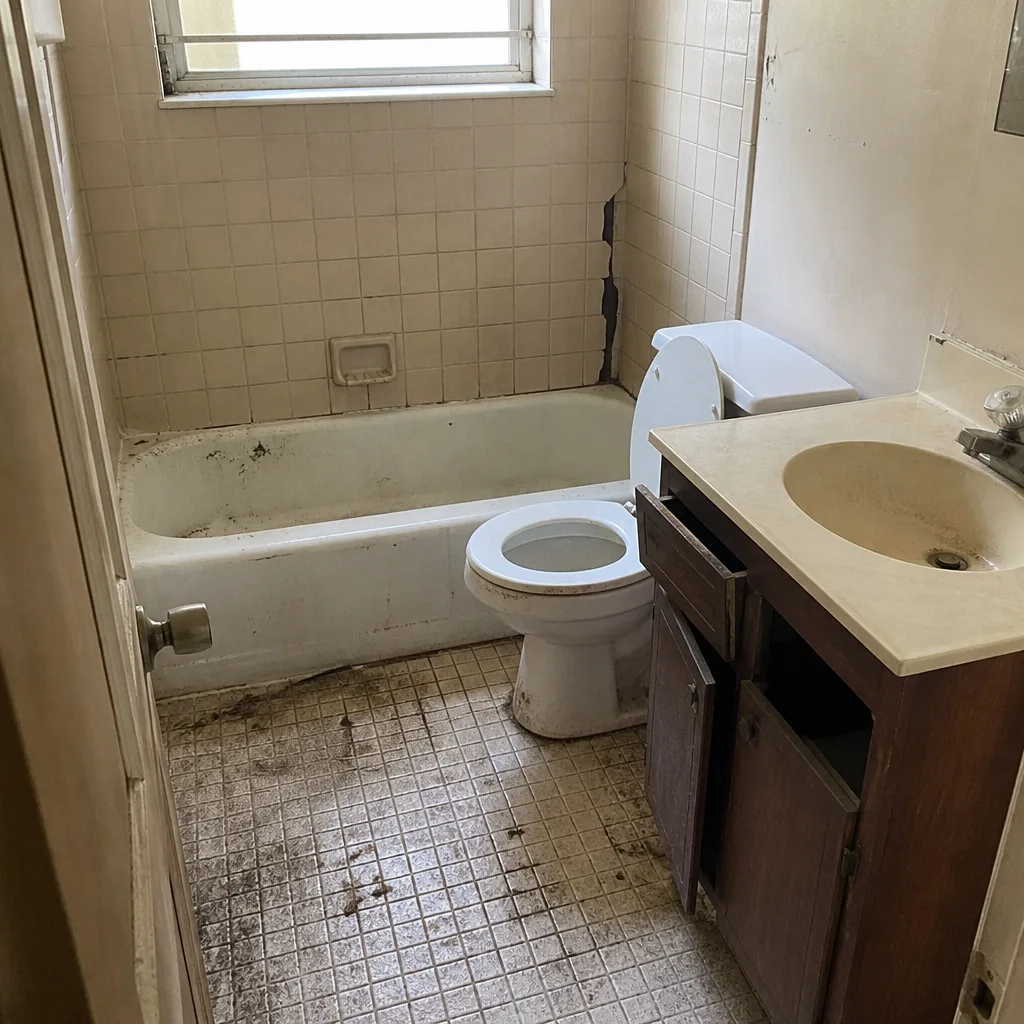 Before
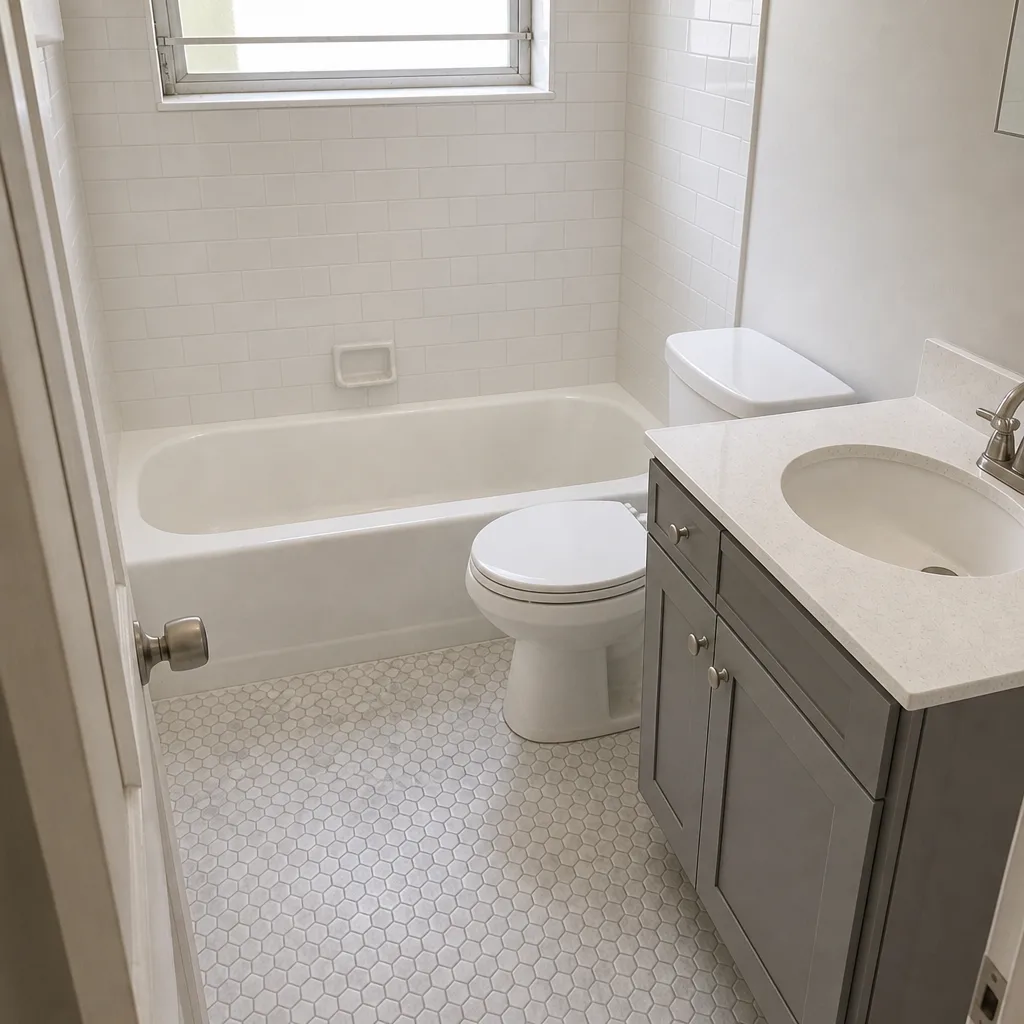 After
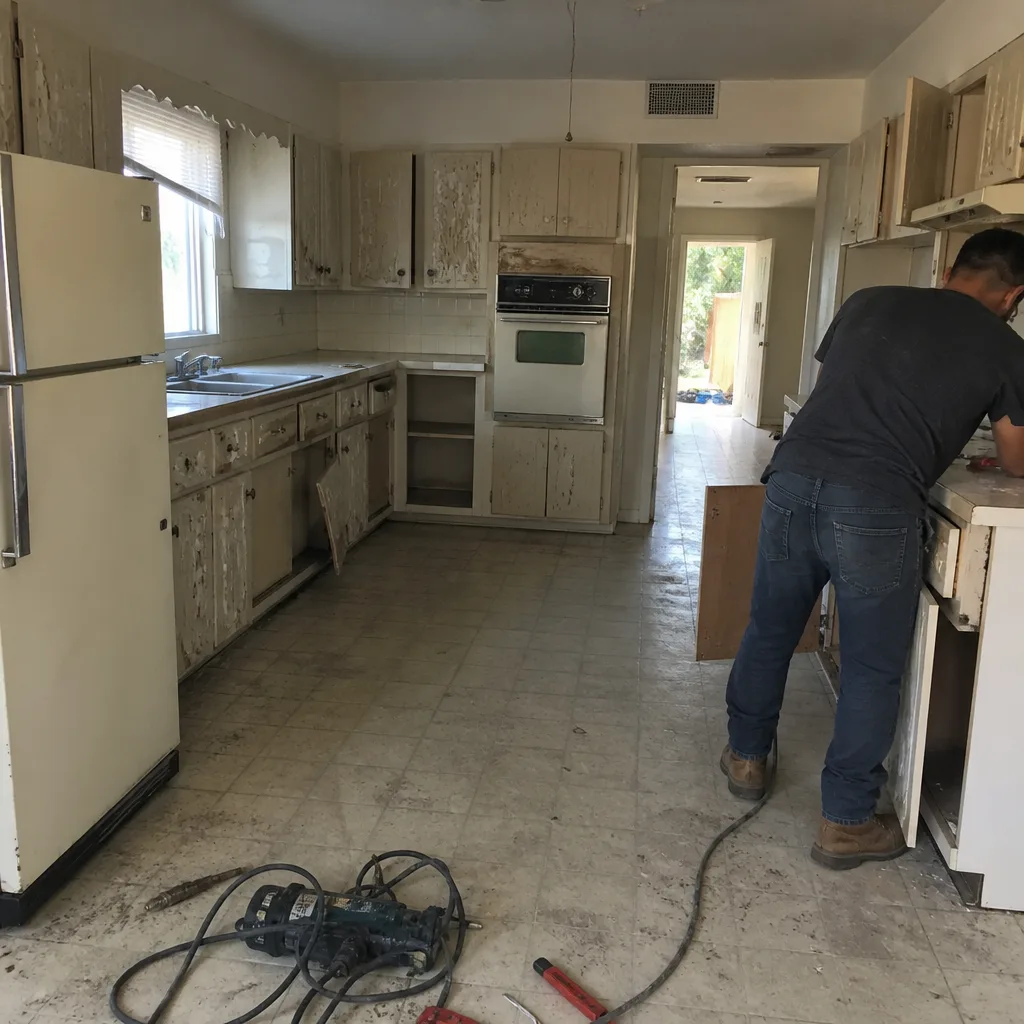 Before
 After
 Before
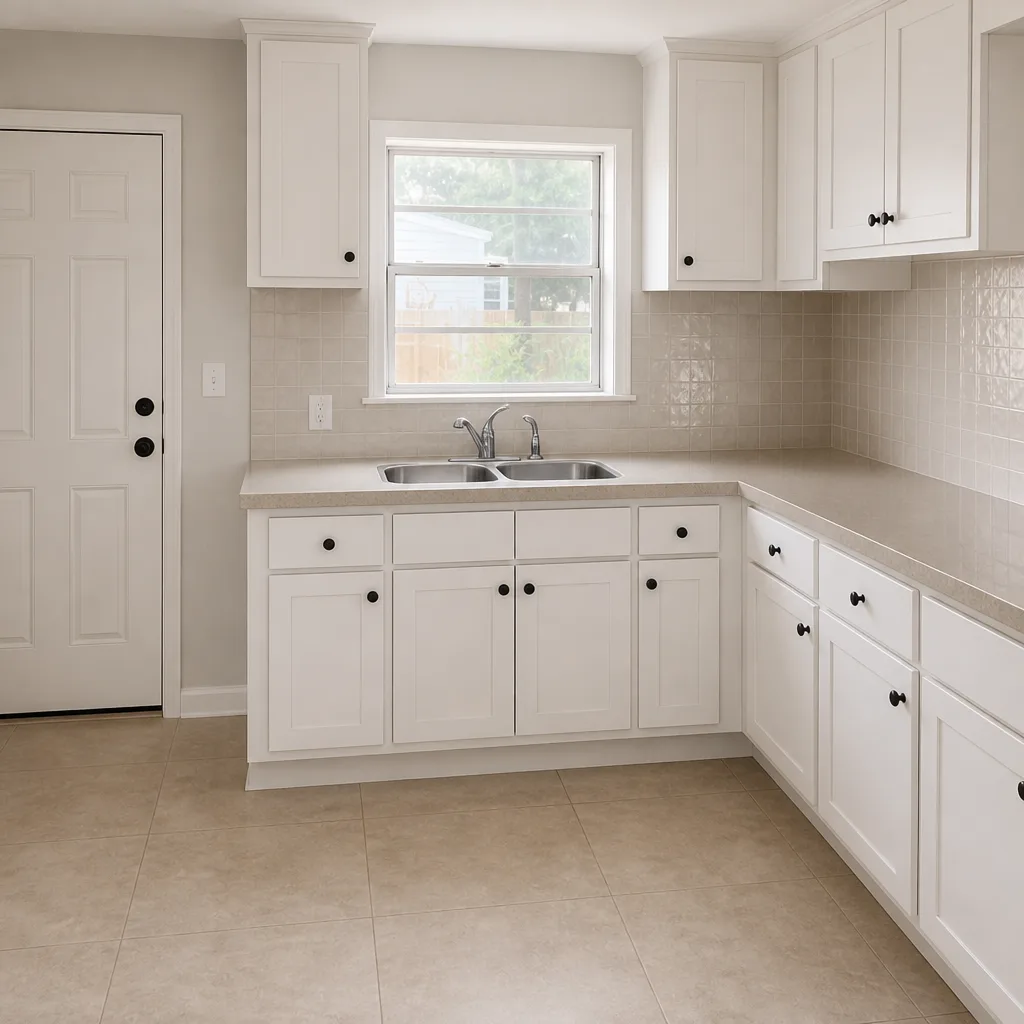 After
When to Call a Professional
Not every maintenance task needs a professional – cleaning the exhaust fan and checking caulk yourself is exactly right, and we encourage it. But some situations need a trained eye before you touch anything. Call us if: your shower pan fails the annual water test, you see water stains on the ceiling below the bathroom, you have a persistent musty smell that doesn’t respond to fan repairs and cleaning, grout is failing across a large area rather than one joint, or a repair you’ve already made failed within a year. These are the cases where an early call saves thousands. Penhallow Remodeling North Miami offers free estimates in North Miami – call (888) 255-7411 and a real person will answer, any hour, every day.
Frequently Asked Questions

Once a year at tub and shower transitions, and immediately if you see any cracking or separation. In North Miami’s humidity swings, silicone caulk fails faster than the 3-5 year service life it’s rated for elsewhere, so annual replacement is the safe schedule. Call (888) 255-7411 for a free estimate if your caulk is failing and you’d rather have a professional handle it.
Hard municipal water leaves calcium and magnesium deposits on the glass with every shower, and in South Florida’s heat those deposits dry fast and bake onto the surface. A monthly descaling with a mild acid cleaner (diluted vinegar or a commercial hard-water remover) is the routine that prevents permanent etching. Once the glass is etched, no cleaner will fix it – it has to be replaced, which is when homeowners call us.
Hold a square of toilet paper up to the grille while the fan runs. If it doesn’t hold flat against the grille, the fan is underperforming. For a full check, look for a mirror that takes more than 10 minutes to clear after a shower, a persistent musty smell, or paint peeling near the ceiling. Any of those means call a professional – a weak fan is a mold problem waiting to happen. Call (888) 255-7411 to schedule a ventilation assessment.
No – basic maintenance like cleaning, descaling, and checking caulk is expected, and it’s actually required to keep the guarantee valid. What can affect a claim is failing to document your maintenance or attempting a repair that goes wrong. Keep a dated log with photos, and call us before attempting anything beyond cleaning and inspection.
Yes – ground-floor bathrooms in North Miami are more vulnerable to moisture wicking up through the slab, especially in homes on low-lying lots in neighborhoods like Keystone Point. Check the base of the walls and the caulk line where the floor meets the wall every six months, not just once a year.
Annual re-caulking of tub and shower transitions – full stop. A $15 tube of silicone and an hour of work prevents the substrate (the moisture-resistant layer behind your tile) from rotting out, which is a several-thousand-dollar repair. If you do nothing else, do that.
The Bottom Line
Maintaining a bathroom in North Miami means fighting hard water, humidity, and salt air on a schedule – not reacting when something fails. The core routine is simple: descale monthly, clean the exhaust fan quarterly, re-caulk annually, test the shower pan every twelve months, and log every task so your 365-Day Done Right Promise stays valid. Most of the “fixture failures” we see in North Miami started as maintenance gaps six months after the remodel. When a repair goes beyond what cleaning and caulking can fix, call us. We give you a written price before any work starts, we show up in the window we give you, and we back every repair with a written guarantee – including a free return visit if the repair fails. Call (888) 255-7411 for a free estimate and a real person on the line.
Written by the team at Penhallow Remodeling North Miami.