Last updated November 17, 2026






Free written scope consultation - allowances, timeline, and change-order rules on paper before a single trade is scheduled
Construction Warning Signs: A North Miami Homeowner’s Reference Guide
A hairline crack in stucco and a hairline crack in a concrete masonry unit look almost identical to an untrained eye. One needs paint. The other needs a structural engineer. That single distinction explains why some North Miami homeowners spend $400 on a cosmetic fix while their neighbor spends $14,000 on a repair that started as the same thin line. Houses rarely fail without warning. They telegraph problems months in advance, through cracks, smells, sticking doors, and the way water behaves after a Biscayne Bay thunderstorm. What most homeowners lack isn’t money or diligence, it’s a system for reading those signals. This guide gives you that system: how to tell cosmetic from structural, what a failing roof underlayment looks like from inside a room, how CBS homes move differently than wood-frame homes, and the contractor red flags that predict a mid-project cost increase before you sign anything.
Quick Answer
Most serious construction problems in a North Miami home announce themselves quietly: hairline cracks that widen over months, doors that suddenly stick, a musty smell near the soffits, or efflorescence (the white powder that blooms where water moves through block). The rule of thumb is simple. Watch any sign that grows, changes, or reappears after repair, and stop using a room immediately if you see a crack wider than a quarter inch, a door that no longer latches, or a soft spot in a floor or ceiling. Everything else can usually be photographed and monitored while you get a professional opinion.
Styles & brands we work with
- Kitchen remodeling
- Bathroom remodeling
- Home additions & ADU
- Roofing
- Windows & doors
- Driveway & pavers
- Fence
Table of Contents
- How to Read Cracks in North Miami Stucco and Block
- Interior Signs of Roof Underlayment Failure
- Foundation Movement in CBS vs. Wood-Frame Homes
- Contractor Red Flags That Predict a Cost Increase
- The Triage Guide: Monitor, Investigate, or Stop Using It
- What to Photograph Before You Call Anyone
- Common Mistakes to Avoid
- Frequently Asked Questions
How to Read Cracks in North Miami Stucco and Block
North Miami stucco cracks constantly, and most of that cracking is harmless. Stucco is a cement-based skin applied over wire lath and block. It expands and contracts through a South Florida year that swings from 60-degree mornings to 95-degree afternoons with humidity that never really leaves. Hairline cracks under a sixteenth of an inch, the kind that look like a spider’s web in one small area, are usually cosmetic. They need patching and paint, not a contractor with a jackhammer.
The cracks worth a second look follow patterns. Here’s how we sort them:
- Diagonal cracks from a window or door corner. These often trace stress at the opening and, in some cases, a header or lintel problem above. Monitor for growth.
- Horizontal cracks along the block course line. Water can track these joints. Look for staining or efflorescence nearby.
- Stair-step cracks in adjacent block. This pattern can signal differential settling of the foundation and deserves an engineer’s eyes, not a patch.
- Cracks that open a quarter inch or wider. Stop and call a structural professional before proceeding.
- Cracks that keep returning after repair. The movement is still active. Patching is a waste until the cause is addressed.
In North Miami’s 33161 and 33168 zip codes, much of the housing stock dates to the 1950s and 1960s boom, when CBS construction (concrete block structure, the standard block-and-stucco build) went up fast. Older stucco on those homes has been patched, repainted, and weathered for 60-plus years. A crack that looks dramatic may simply be the last layer of a skim coat letting go, while a thin interior line near a corner can run deeper. That’s why we always photograph the crack with a ruler for scale and note what changed. Growth over weeks tells a more useful story than a single glance.
Interior Signs of Roof Underlayment Failure
By the time a brown ceiling stain appears in a North Miami home, the underlayment has usually been failing for a season or two. Underlayment is the water-resistant layer beneath your shingles or tiles, and it does most of the real work of keeping water out. Shingles shed the bulk of the rain; the underlayment handles what gets behind them. When it fails in a tropical climate with regular wind-driven rain, water enters in small amounts and hides.
Here’s what we look for inside before any stain develops:
- Door racking. A door that no longer latches on the second floor or near an exterior wall can signal moisture swelling the framing or a roof leak wetting the top plates.
- Efflorescence on interior block walls. That white, powdery bloom at the top of a wall or near a ceiling joint means water is migrating through the block and pushing salts out.
- Musty smell in the soffits or attic access. A damp, earthy odor near the eaves can indicate wet decking or insulation, often long before visible damage.
- Paint peeling on a single ceiling plane. Peeling paint on one patch of ceiling while the rest stays intact usually means moisture behind it.
- Granule accumulation in gutters. If shingles are losing granules faster than expected, the underlayment is doing more work than it should.
Approaching hurricane season, we recommend a roof inspection whenever a North Miami home is more than 15 years past its last roof replacement and shows two or more of these signs together. Roofs from brands like Tamko, Boral, and PGT tiles are common across North Miami’s neighborhoods, and each tolerates wind-driven rain differently. The underlayment beneath them matters more than the shingle brand. If you’re planning larger work on the roof or elsewhere, our team at Penhallow Remodeling North Miami can help you understand what’s in scope and what needs a specialty roofer.
Foundation Movement in CBS vs. Wood-Frame Homes
North Miami homes sit on two different foundation realities, and they fail in different ways. CBS homes (concrete block structure) carry their load on block walls, and the foundation rarely moves much unless the soil beneath shifts. Wood-frame homes, typically built in the 1970s and later, transfer load through studs and depend on a stable, ventilated crawl or slab connection. The visible warning signs differ enough that using one set to read the other can lead you to the wrong conclusion.
In CBS homes, watch for:
- New cracks where an interior wall meets an exterior wall, especially at corners.
- Doors and windows that stick on one side of the house but not the other, indicating directional movement.
- Chimneys or porches separating slightly from the main structure (a visible gap at the joint).
- Sloping floors that develop over months rather than days.
In wood-frame homes, watch for:
- Bouncy or uneven floors that get worse under load.
- Baseboards separating from walls.
- Doors rubbing at the top or bottom of the frame.
- Soft spots near bathrooms, laundry rooms, or exterior walls where water collects.
Which is more urgent? In our experience, sudden CBS movement with a quarter-inch crack is the higher priority, because block is rigid, so when it fails it fails fast. Wood-frame homes tend to telegraph a problem earlier and more gradually, giving you time to investigate. North Miami sits on limestone bedrock covered by sand and fill, so movement is less common than in parts of South Florida with heavier organic soils. When it does happen here, it’s often tied to poor drainage concentrating water under one corner of a slab. If you’re facing a bigger repair or remodel after a foundation inspection, our General Contractor in North Miami team can walk you through what needs fixing first and what can be staged over time.
Contractor Red Flags That Predict a Cost Increase
The most expensive warning sign in construction isn’t in your walls. It’s in the paperwork a contractor hands you before the job starts. In our experience, undisclosed cost increases almost always trace back to one of five gaps that were visible from day one, if the homeowner had known what to look for.
- A vague written scope. “Replace kitchen cabinets and countertops” is not a scope. A real scope names the cabinet line, the countertop material, what’s included in demo, and what’s excluded. If the written scope leaves room for interpretation, the interpretation will be expensive.
- No mention of permits. Ask directly: “Are you pulling a permit, and what’s the permit number?” A contractor who avoids the permit conversation is often avoiding inspection, and uninspected work in North Miami can fail when you try to sell.
- A verbal change-order process. Any change to the job should come with a written price before the work is done. If your contractor’s process for changes is a phone call and a handshake, expect the invoice to surprise you.
- An unclear payment schedule. A schedule that front-loads most of the money before materials arrive leaves you with no leverage. A reasonable schedule ties payments to milestones you can verify.
- No arrival window. “Sometime next week” isn’t a plan. You should know which day, and ideally which part of the day, someone will arrive, and receive a call if that changes.
We put the opposite in writing because those five gaps are exactly what we designed our process to close. Every Penhallow Remodeling North Miami project gets a written price before work starts, a real arrival window, and the 365-Day Done Right Promise: if the work fails inside the guarantee period, we come back and fix it at no charge, backed in writing. No change-order surprises, because the number on day one is the number on the invoice.
The Triage Guide: Monitor, Investigate, or Stop Using It
Not every warning sign needs a contractor tomorrow. What every sign needs is a decision: watch it, investigate it, or move out of the room. Here’s the plain-language triage we use when a homeowner sends us a photo and a question.
Monitor it:
- Hairline cracks under a sixteenth of an inch that haven’t changed in months.
- A single small ceiling stain that hasn’t grown after one heavy rain.
- A door that sticks in humid weather but closes easily in dry air.
- Mild efflorescence on a garage or exterior block wall with no staining nearby.
Investigate it (call a professional within a week):
- Any crack between a sixteenth and a quarter inch that has widened since you first noticed it.
- Multiple ceiling stains or a stain that grows after each storm.
- A musty smell you can’t source in an interior room.
- Efflorescence combined with paint blistering or staining on the same wall.
Stop using it (call today, and get out of the room):
- A crack a quarter inch wide or wider, especially diagonal or stair-step.
- A door or window frame that no longer closes at all.
- Any soft spot in a floor, ceiling, or wall you can push through with your thumb.
- Water actively running down an interior wall after rain.
- A bowing or sagging ceiling with visible deflection.
When in doubt, photograph and call. Under our brand standard, a live person answers the phone 24/7, so you don’t have to guess whether a warning sign is worth a call. The Kingswell Way puts it plainly: say the price before the work, show up in the window we gave, leave the place cleaner than we found it.
What to Photograph Before You Call Anyone
Photos determine whether a visit is productive or vague, so take five specific shots before you dial. A cell phone, a tape measure, and ten minutes are enough.
- A wide shot of the whole wall or ceiling, so we can see where the problem sits in context.
- A close-up with a tape measure or coin for scale, held right against the crack or stain.
- A photo of the exterior above the area on the inside, taken from the ground, so we can trace where water might enter.
- A photo of the floor beneath, showing any water stains, buckling, or efflorescence.
- A dated note in your phone, so you know exactly when each photo was taken and whether the sign has changed.
Two visits a month apart showing the same crack tells us something a single photo cannot. When we walk into a North Miami home with photos already on a phone, we save the homeowner a visit and often shorten the timeline to a decision. If the investigation leads to a kitchen or bathroom remodel, the same photo habit is invaluable: it documents the condition before demo and gives us a cleaner baseline for the scope. Our Kitchen Remodeling in North Miami and Bathroom Remodeling in North Miami teams often start from exactly this kind of photo set.
Common Mistakes to Avoid
- Patching a moving crack. Patching is a cosmetic fix on a structural problem. If the movement is still active, the patch will fail again within a season, which is a wasted repair and lost time.
- Waiting for a ceiling stain to confirm a roof problem. The underlayment can fail long before water reaches drywall. Watching for door racking and mustiness through the soffits is a much earlier signal.
- Ignoring efflorescence. That white bloom is a moisture tracer, not a stain. Cleaning it off without addressing the water source almost always leads to a repeat.
- Hiring on a verbal estimate. A verbal range that stretches after demo is the most common story we hear. Get a written number before any tool touches the house.
- Skipping the permit question. North Miami requires permits for structural, plumbing, and electrical changes, and work done without them can cause problems at resale and after a storm.
- Treating North Miami the same as the rest of Florida. Our coastal humidity, wind-driven rain, and older CBS stock behave differently than homes inland. Advice from a neighbor in Orlando may not apply here.
- Letting one warning sign overshadow others. A single door that sticks may mean little. A door that sticks, a ceiling stain, and a crack that widened in the same month needs a professional this week.
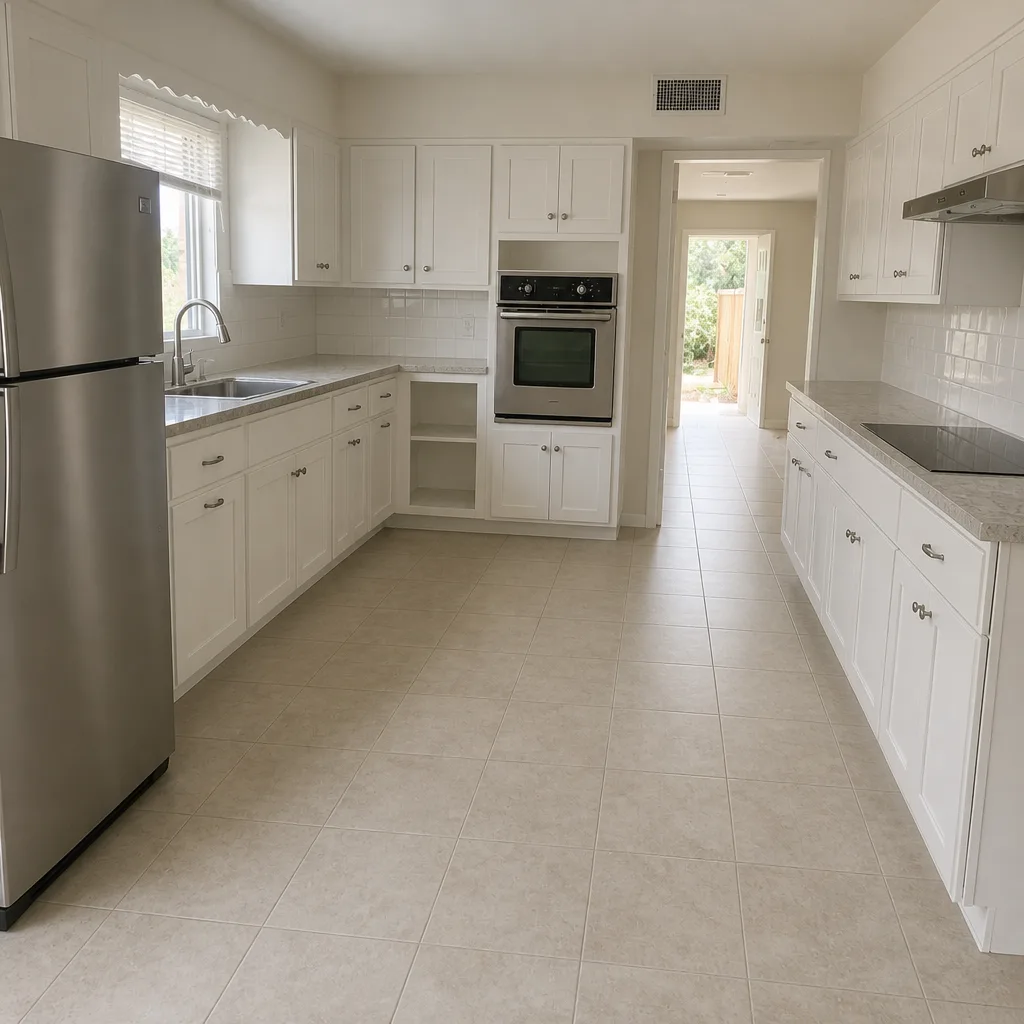
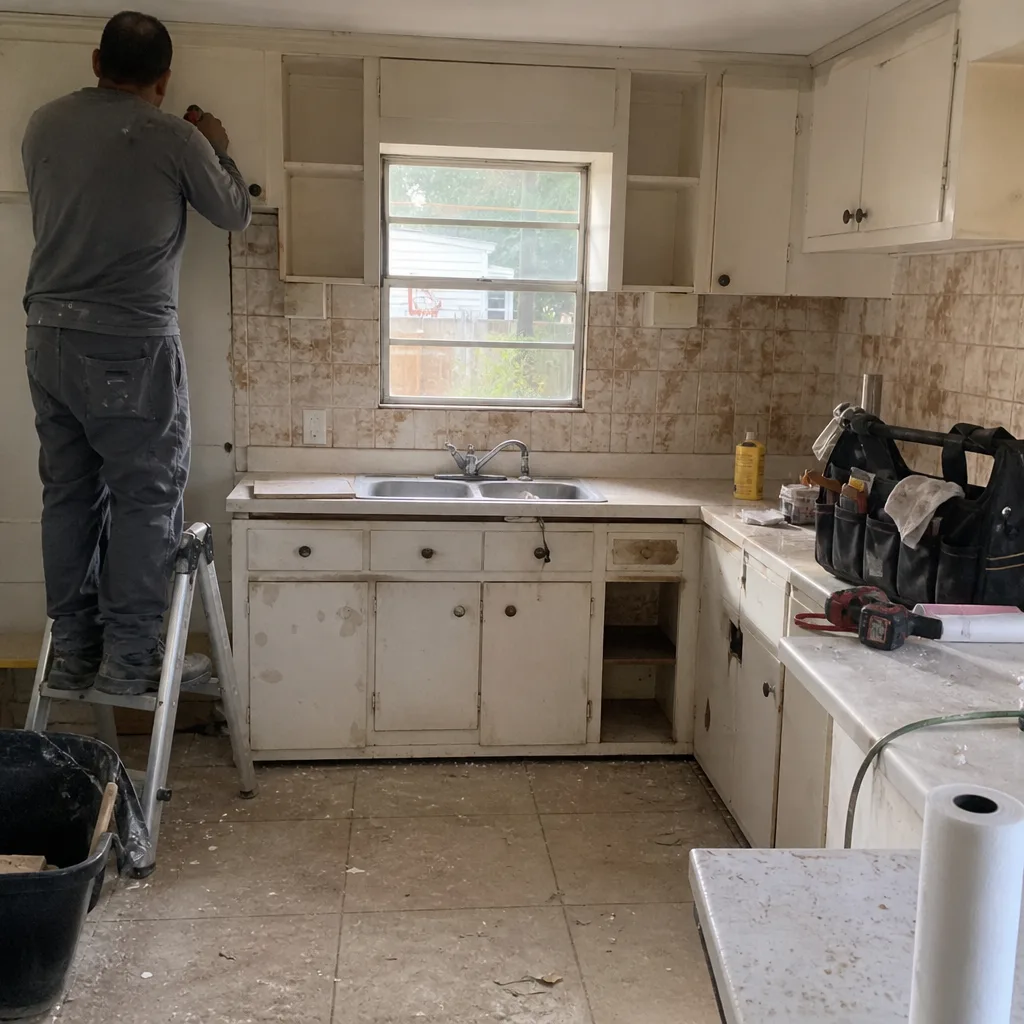
See the difference
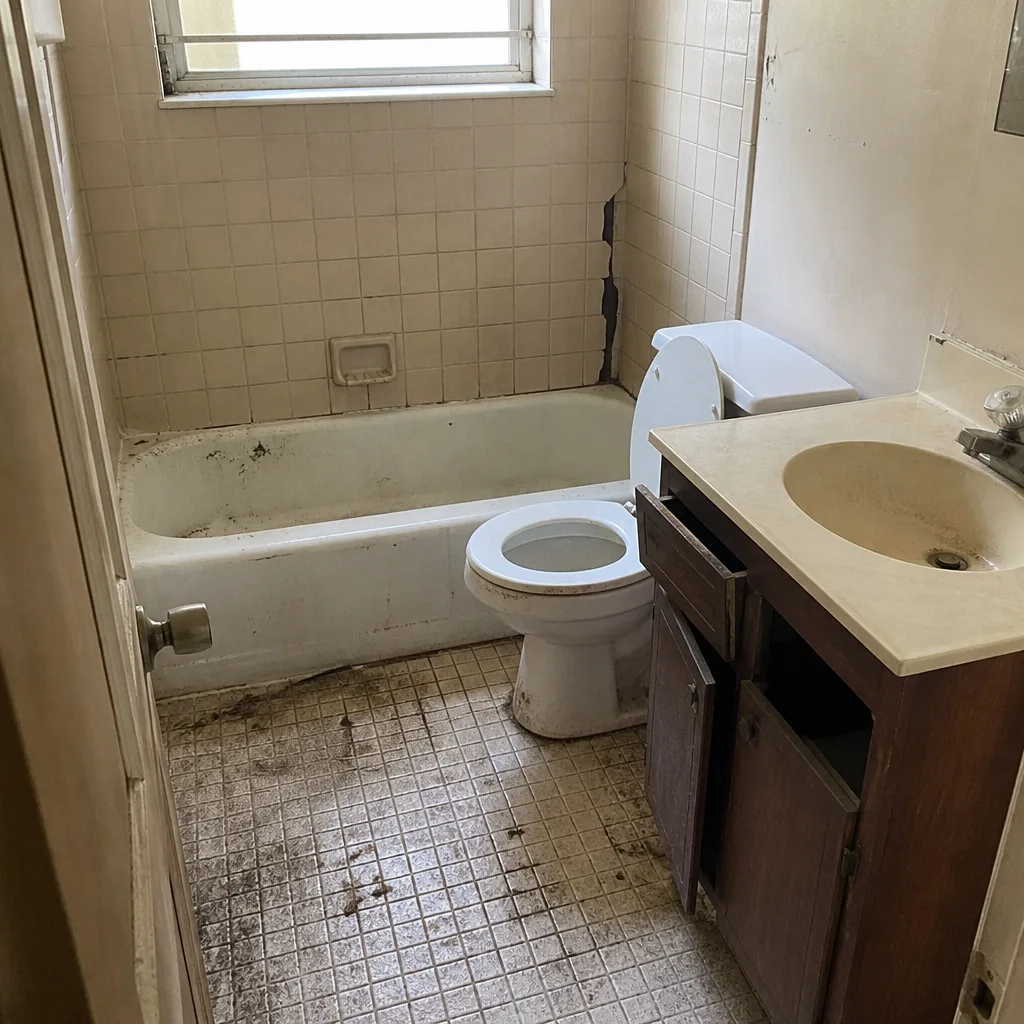 Before
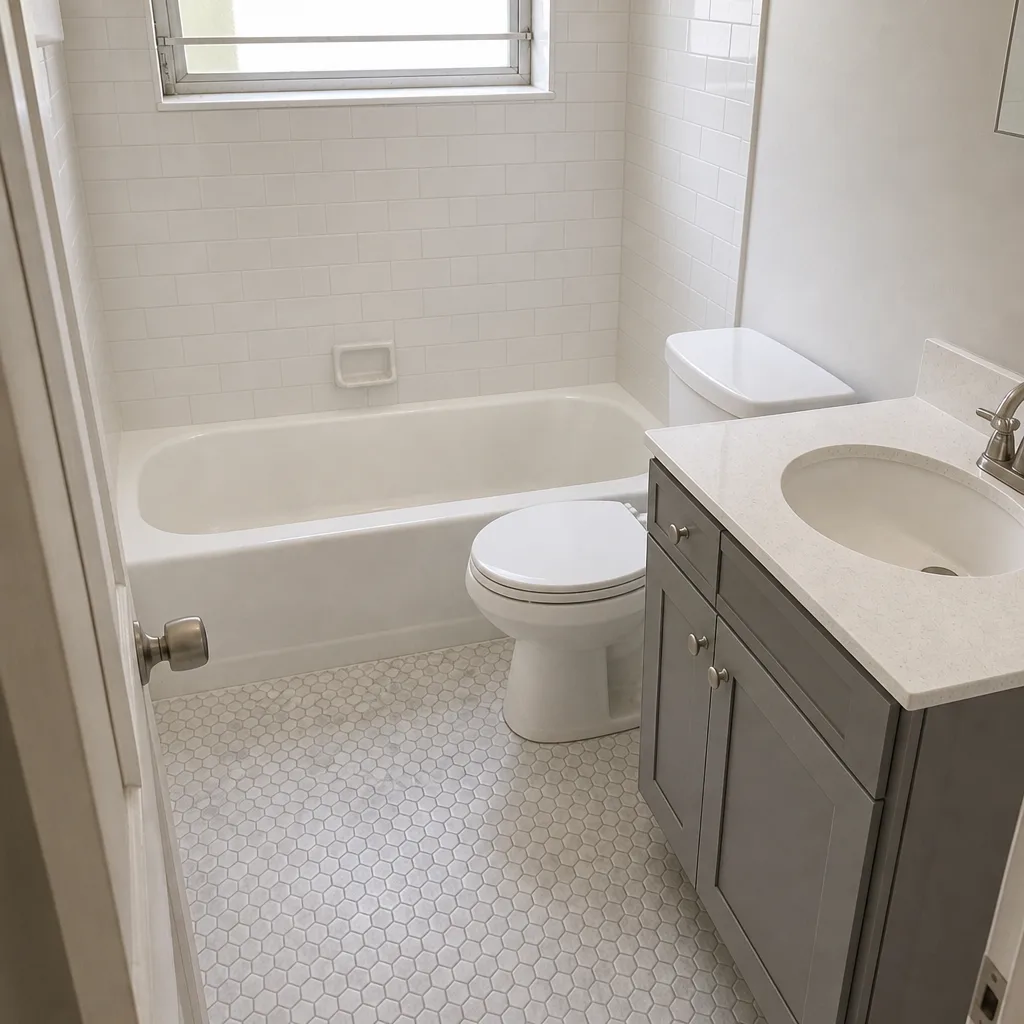 After
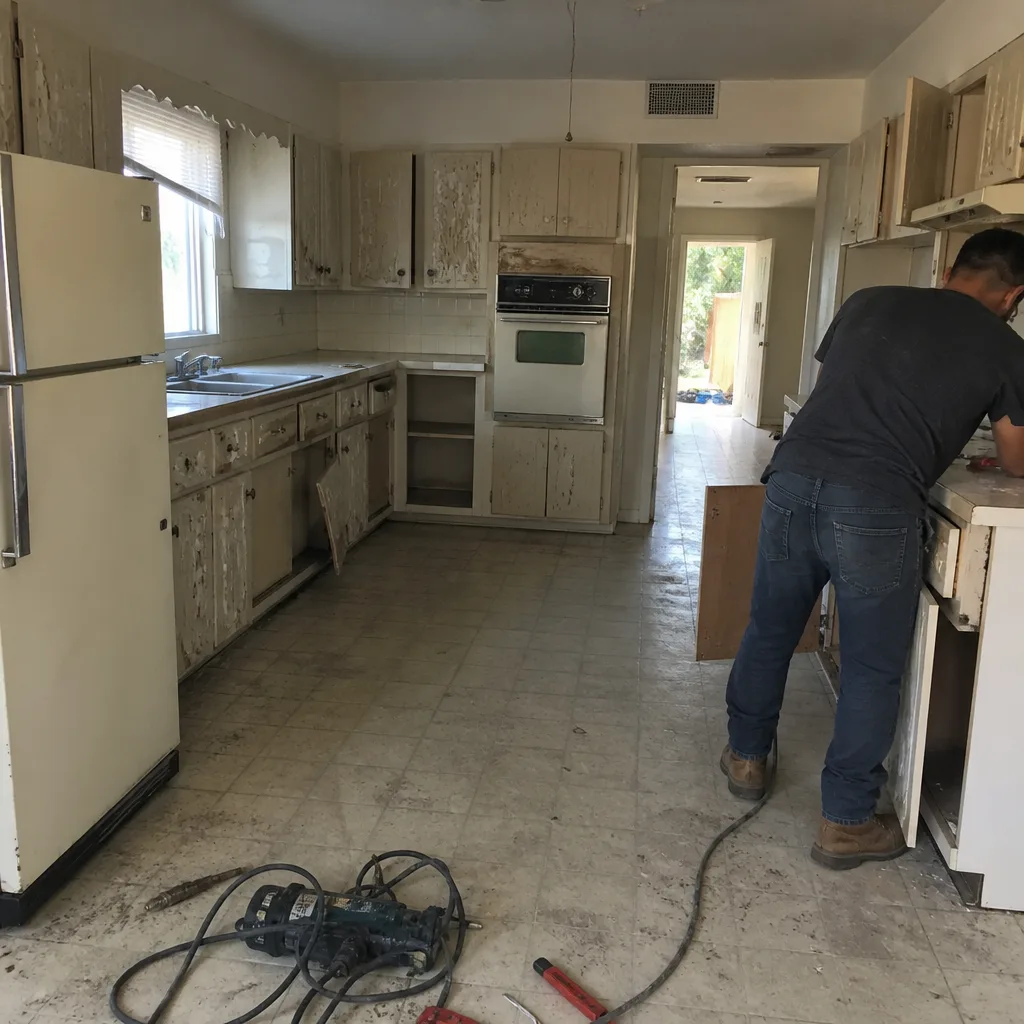 Before
 After
 Before
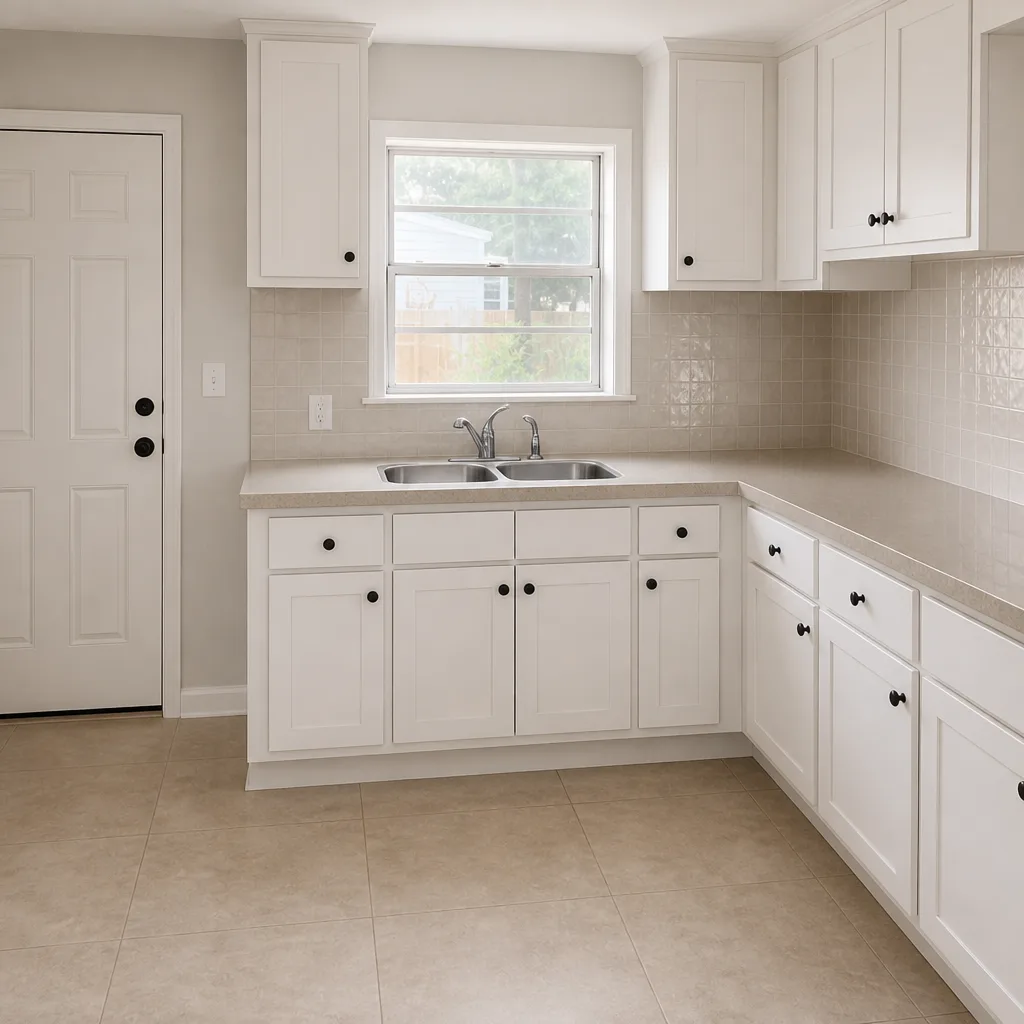 After
When to Call a Professional
If any of these are true, call. A crack that has grown since you first noticed it. A stain that reappears after every heavy rain. A musty smell you can’t source after a day of troubleshooting. Two or more warning signs in the same room or on the same wall. A door no longer closing at all, or a floor that gives under your foot. And any sign that appeared after a recent storm, even a light one. A repair that fails after a fix is a warning sign in its own right, and the second opinion is worth the phone call.
Penhallow Remodeling North Miami offers free estimates in North Miami. Call (888) 255-7411 to schedule a visit. The phone is answered live, 24/7, and our technicians are background-checked and arrive in uniform. If the answer is “monitor it,” you’ll hear that too, in writing.
Frequently Asked Questions

Cosmetic stucco cracks are typically hairline, under a sixteenth of an inch, and don’t widen over time. Structural cracks often follow diagonal or stair-step patterns, sit near the corner of a window or door, and grow wider over weeks. Photograph the crack with a measure twice, a month apart, and share both photos with a professional.
Efflorescence is a telltale sign that water is moving through the block. The white powder is salt pushed to the surface as moisture evaporates. It’s not a cosmetic stain. Find the water source, whether a roof leak, a plumbing leak, or a failing exterior seal, and the efflorescence will stop returning after cleaning.
A site visit from a general contractor for a first-look inspection is typically free or a modest flat fee, and a structural engineer’s report usually runs $400 to $900 depending on scope. Call (888) 255-7411 for an exact quote on your situation. Estimates from us are free.
Yes. Roof underlayment failure and moisture intrusion often show up first as door racking, a musty smell in the soffits, or peeling paint on a single ceiling plane. Any of those appearing after the first heavy storm of the season is worth a professional look, even if no stain has developed.
Cosmetic patching usually doesn’t require a permit, but structural repairs, stucco replacement over a significant area, and any change to a home’s structural system generally do. Ask your contractor directly: “Are you pulling a permit, and what’s the permit number?” A clear answer is a good sign. A dodge is not.
It shouldn’t. A written price before work starts is our standard for every job, so the number on day one is the number on the invoice. If we discover something underneath the surface that changes the scope, we put the change in writing and won’t proceed until you approve it.
The Bottom Line
Reading a North Miami home the way a contractor does is a learned skill, and most of it comes down to noticing change. Hairline cracks that stay the same are almost always cosmetic; cracks that grow want an engineer’s eye. Interior signs like door racking, mustiness in the soffits, and efflorescence are an earlier warning system than any ceiling stain. Foundation movement in a CBS home reads differently than in a wood-frame home, and the contractor red flags to look for before you sign are always in the paperwork, not on the wall. Watch for change, photograph what you find, and get a written price before the work starts. That covers most of what a North Miami homeowner will ever need to know about warning signs.
Ready for a professional second opinion? Call Penhallow Remodeling North Miami at (888) 255-7411 for a free estimate, and we’ll walk your home with you, photo by photo, until you understand exactly what each sign is telling you.
Written by the team at Penhallow Remodeling North Miami.