Last updated November 17, 2026







Free written scope consultation - allowances, timeline, and change-order rules on paper before a single trade is scheduled
General Contractor Maintenance Schedule: What to Do and When
The number-one reason a one-year workmanship guarantee gets denied isn’t bad work. It’s deferred maintenance the homeowner didn’t know was their responsibility. We’ve watched a North Miami homeowner lose coverage on a shower because the caulk joint at the floor had been ignored for fourteen months. The tile was fine. The warranty still didn’t apply. Here’s the gap nobody explains at the final walkthrough: a finished remodel isn’t a finished job. The caulk, grout, paint, flashing, and sealed penetrations your contractor installed all carry maintenance intervals, and South Florida’s humidity shortens every one of them. This guide gives you a room-by-room, season-by-season calendar keyed to North Miami’s climate, plus the line between your to-do list and ours.
Quick Answer
After a remodel, most maintenance is yours: re-caulking wet areas every 6 to 12 months, sealing grout annually, touching up exterior paint and flashing before June 1, and documenting it all. Your contractor handles defects in workmanship during the guarantee period. In North Miami’s humidity, interior caulk and grout intervals run 30 to 50 percent shorter than national guides suggest, so plan on a spring and fall pass each year.
Styles & brands we work with
- Kitchen remodeling
- Bathroom remodeling
- Home additions & ADU
- Roofing
- Windows & doors
- Driveway & pavers
- Fence
Table of Contents
- Where the Line Sits: Yours vs. the Contractor’s
- The June 1 Pre-Hurricane Checklist for Remodeled Components
- Humidity-Driven Intervals: Why North Miami Is Different
- Room-by-Room Calendar: Kitchen, Bath, Whole Home
- How to Document Maintenance So It Can’t Be Used Against You
- The Annual Inspection That Catches $200 Problems Before They’re $4,000
- A Season-by-Season Schedule for North Miami
Where the Line Sits: Yours vs. the Contractor’s
A standard Florida workmanship warranty covers defects in installation, not wear. That single sentence decides almost every dispute. If your shower pan leaks because the waterproofing membrane was installed wrong, that’s on us. If it leaks because the drain caulk failed and water sat for two years, that’s deferred maintenance, and it’s on you. Understanding the boundary before something fails is how you keep your coverage intact.
Here’s the practical split:
- Contractor’s responsibility: structural defects, failed waterproofing installed incorrectly, cabinet doors that sag from bad hinges, tile that debonds from improper thinset, electrical or plumbing rough-in that doesn’t meet code.
- Homeowner’s responsibility: re-caulking joints in wet areas, sealing grout, repainting exterior surfaces, cleaning gutters, replacing weatherstripping, and keeping the AC running so interior humidity stays in range.
- Shared: exterior flashing and window seals. We install them correctly; you inspect them each spring and report anything suspicious before water gets behind the stucco.
Our Penhallow Remodeling North Miami home page spells out the 365-Day Done Right Promise: if the work fails inside the guarantee period, we come back and fix it at no charge, with a free return visit if a repair fails. That promise is real. It’s also contingent on you holding up your half, which is why we hand every homeowner a maintenance sheet at the final walkthrough.
The June 1 Pre-Hurricane Checklist for Remodeled Components
Hurricane season opens June 1 and runs through November 30. Everything you had installed or altered during the remodel needs a look before that first named storm forms. This checklist takes an afternoon and catches the failures that turn into insurance claims.
- Windows and doors: Open and close every new window and exterior door. Check the weatherstripping and the sealant bead around the frame. Any gap or peeling caulk gets re-sealed before June 1.
- Roofline and flashing: From the ground with binoculars, look at the flashing where the roof meets a wall or chimney. Fresh stucco patches and step flashing are the first places wind-driven rain finds a way in.
- Exterior finishes: Walk the perimeter. Look for hairline cracks in new stucco, paint blistering on James Hardie siding, and separation at seams. Small cracks in new stucco are normal settling; cracks wider than a credit card are not.
- Patios and pavers: If your remodel included a patio, check the joints between pavers. Techo-Bloc and Cambridge Pavers systems rely on polymeric sand in the joints; if it’s washed out, re-sand and compact it. Loose joints let water under the base.
- Hurricane shutters and impact panels: Test the hardware. If the remodel changed a window opening, confirm the shutter or panel still fits and the tracks are clear.
- Drainage: Clear gutters and downspouts. Check that new concrete flatwork, thresholds, or patios slope away from the house. South Florida’s summer rain falls fast, and a half-inch of wrong slope sends water to your door.
In our experience across North Miami, the wind-driven rain test is harsher on fresh exterior work in its first year than at any point afterward. That first season is exactly when you want your eyes on the seals.
Humidity-Driven Intervals: Why North Miami Is Different
National maintenance guides are written for a climate with distinct dry and wet seasons, indoor humidity in the 30 to 50 percent range, and a hard freeze that resets the clock on caulk and paint. North Miami runs indoor humidity near 60 percent most of the year, and outside it often stays above 75. That difference changes every interval.
What we see in North Miami homes:
- Grout: National guides say seal every 12 to 18 months. Here, seal every 9 to 12 months, and immediately in a shower that gets daily use.
- Caulk: Replace silicone caulk at tub and shower joints every 6 to 12 months. If you see black spotting behind the bead, that started months ago. Cut it out and re-caulk; don’t top-coat it.
- Interior paint: Bathroom ceilings and exterior walls facing east pick up mildew faster here. Plan on repainting bathroom ceilings every 3 to 4 years, not the 6 to 8 national guides assume.
- Wood trim: Baseboards and door casings swell and shrink with the humidity swings. Keep the interior AC running year-round, even when you’re away, and the trim stays put.
- Cabinet hardware and hinges: The moisture cycle loosens screws in particle-board cabinet boxes. Check them twice a year and snug them up.
If your remodel included new cabinetry like KraftMaid or Wellborn, understand that the manufacturer’s warranty on those boxes assumes normal indoor humidity. A house closed up with the AC off for months in August, at 85 percent indoor humidity, breaks that assumption. That’s a warranty gap you control.
Room-by-Room Calendar: Kitchen, Bath, Whole Home
Kitchen
- Every 6 months: Check caulk where the backsplash meets the counter, especially behind the sink and range. Re-caulk as needed.
- Annually: Seal natural-stone grout or joints. Cambria, Silestone, and Caesarstone counters don’t need sealing, but the joints between them and the wall do.
- Annually: Pull the range out and check the supply line at the shutoff. Look under the sink for slow drips at the Kohler or Moen faucet base.
- Every 2 to 3 years: Check cabinet hinges and drawer glides; a hinge that’s off by a few degrees puts real strain on the door.
Bathroom
- Every 6 months: Re-caulk the tub-to-floor and tile-to-tub joints. Check the seal at the shower pan perimeter.
- Every 9 to 12 months: Seal the grout on shower walls and floors with a quality penetrating sealer.
- Annually: Check the toilet base for movement; a loose base compresses the wax ring and eventually leaks at the floor.
- Every year: Run the exhaust fan and confirm it’s pulling air. Hold a tissue to the grille; it should pull taut. A weak fan is the number-one cause of mildew in a new bathroom.
Whole Home
- Annually: Inspect all exterior caulk lines, window frames, and door thresholds.
- Annually: Check the attic for moisture staining after the first rainy season post-remodel.
- Every 3 to 4 years: Repaint bathroom ceilings and any exterior trim facing east or south.
If you’re planning a bathroom remodel and want to start from a clean maintenance baseline, our Bathroom Remodeling in North Miami page walks through what we install and how we hand it over. Same routine for the kitchen: the Kitchen Remodeling in North Miami page covers cabinetry, counters, and the finish schedule we leave behind.
How to Document Maintenance So It Can’t Be Used Against You
In a warranty conversation, whoever has records wins. A contractor who shows up to a failing caulk joint and finds photographs of routine re-caulking has almost no grounds to deny a claim, and neither do you. Documentation is the cheapest house insurance you’ll ever buy.
Build a maintenance log the week your remodel finishes. It takes 20 minutes.
- Start a dedicated folder or album. One folder on your phone or a shared drive, named for your project and address.
- Date every photo. Before-and-after shots of each maintenance task, with a written note of what you did and the product used.
- Keep product receipts. If you re-caulked with silicone, keep the receipt. If you sealed grout, keep the container label photo.
- Log your AC setting. A quick monthly note that your system is running and set between 74 and 78 degrees during the day shows you controlled interior humidity.
- Record what a professional did. If an HVAC or plumbing tech serviced the system, save the invoice.
- Note inspections. Your remodel’s final inspection paperwork goes in the same folder. If your project passed inspection, that record matters if a warranty dispute ever comes up.
- Keep a one-page summary. A dated list of what was checked when, so a contractor can see it at a glance.
We’ve seen a homeowner in North Miami win a heating-and-moisture warranty argument entirely on the strength of date-stamped photos. It’s a lot easier than winning one without them.
The Annual Inspection That Catches $200 Problems Before They’re $4,000
Most expensive water damage starts with a $200 fix that went unnoticed for a season. A caulk joint fails, water wicks into the substrate behind the tile, and by the time you see the spot on the ceiling, the stud is soaked and the drywall has to come out. A coastal climate speeds up that clock. Here’s the annual walkthrough that catches it early.
Do this once each year, ideally in April or May before the rains start:
- Basin test on each bathroom: Fill the shower and sink, watch for slow drainage, then look at the ceiling below if you can. Any staining means a slow leak.
- Toilet base test: Stand with one foot on either side of the bowl and rock gently. Any movement means the wax ring is at risk.
- Water heater connections: Check for corrosion at the top fittings. A $200 replacement of flexible connectors now versus a flooded closet later.
- Exterior weep screed: Look at the bottom of stucco walls. Cracks or blockage at the weep screed let water sit at the sill plate.
- Attic and utility closet: After any remodel above the ceiling, a five-minute flashlight check each year for staining or moisture.
- Flashing and roof penetrations: Re-seal any pipe boots or vents the remodel introduced. A $30 tube of silicone on a hot afternoon beats a ceiling patch job.
The exact same routine catches the same issues whether your project was a full kitchen remodel or a full-home renovation. General contractor work ages in the same weather. Our General Contractor in North Miami team hears the same story every year: a homeowner who caught the problem in time is a much happier customer than the one who caught it at failure.
A Season-by-Season Schedule for North Miami
Dates matter less than the sequence. Here’s the calendar we recommend to North Miami homeowners, keyed to the climate patterns we actually get on this coast.
- March and April (pre-season): Exterior caulk and sealant check, flashing inspection, exterior paint touch-up, paver joint re-sanding, drainage clearing. This is your last full month before the storms set in.
- May (final prep): Test hurricane shutters and impact panels, confirm all window and door seals, document the walkthrough with photos, and make a list of anything you want a professional to look at before the season.
- June through November: Monitor interior humidity, check for water intrusion after each major storm, and keep the AC running. Any new water stain deserves a call the same week.
- September or October (mid-season): Interior wet-area re-caulk and grout check. The bathroom caulk that was fresh in February is due.
- December and January (post-season): Annual interior inspection, appliance and fixture checks, cabinet hardware tightening, and a full photo walkthrough for your maintenance log.
- February: Sealing work on grout, stone, and concrete flatwork. Low humidity makes sealer cure cleaner and last longer.
That’s the whole schedule in a page, but a lot of homeowners want a hand on the first pass. If you want a professional eye on your post-remodel components, our North Miami home page has the number, and we offer free estimates for any maintenance or repair work that needs doing.
Common Mistakes to Avoid
- Topping off a bad caulk joint instead of cutting it out. New caulk won’t stick to old faile caulk, and the water already trapped behind the bead stays trapped. Cut, clean, dry, then re-caulk.
- Turning off the AC while out of town. A closed house in July at 85 percent indoor humidity is the fastest way to void the manufacturer’s warranty on cabinetry and flooring. Leave the AC on.
- Treating grout sealer as permanent. It isn’t. In North Miami humidity, one application is good for 9 to 12 months at best. Test with a drop of water: if it soaks in, re-seal.
- Skipping the pre-season exterior walk. May is the wrong month to discover a flashing gap. April gives you weeks to fix it before the first storm.
- Trusting your memory. Without photos and dates, a maintenance argument becomes your word against a contractor’s. The log takes 20 minutes to start.
- Assuming new construction doesn’t need maintenance. New installs need more, not less. Fresh caulk and paint settle in for the first 18 months, and the first rainy season is your test.
- Using heavy pressure washing on new exterior finishes. It strips sealant, drives water into stucco, and takes the joint sand out of pavers. A garden hose and a soft brush do the job.
See the difference
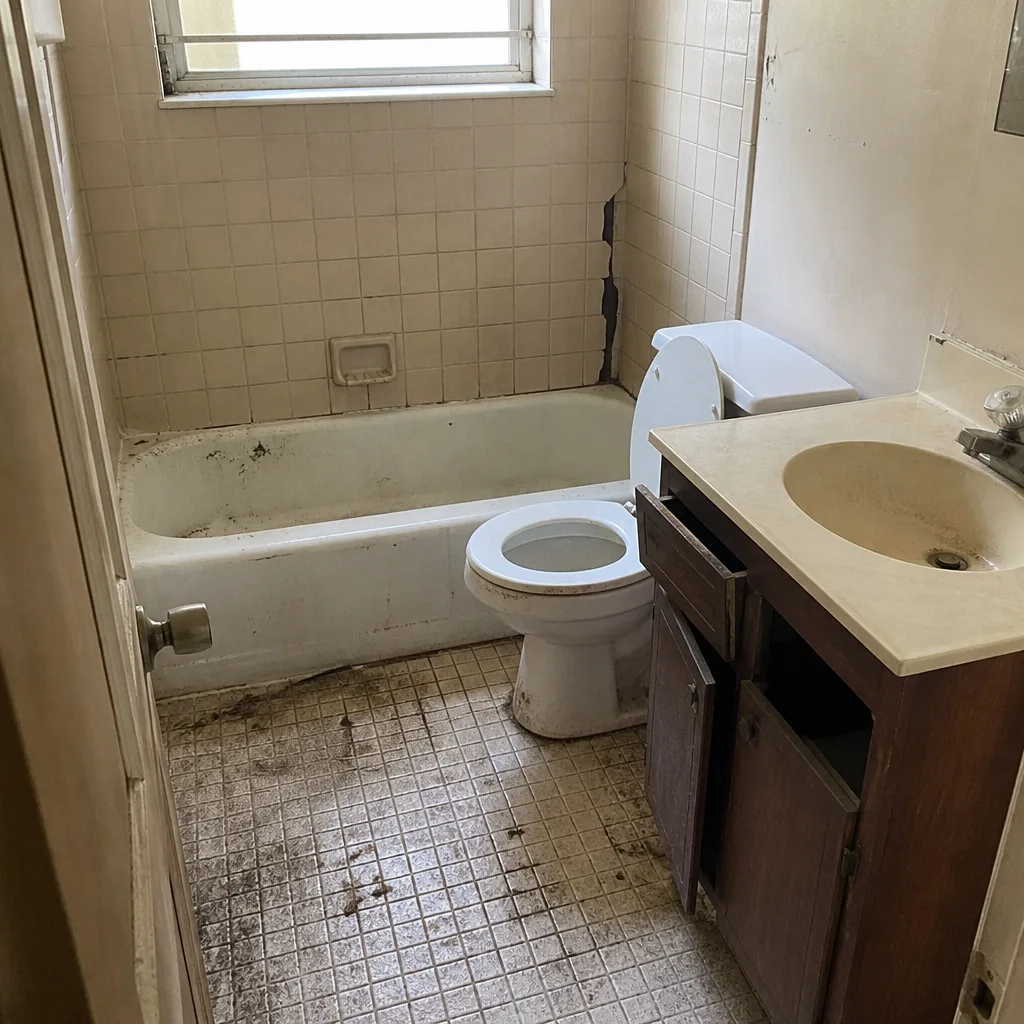 Before
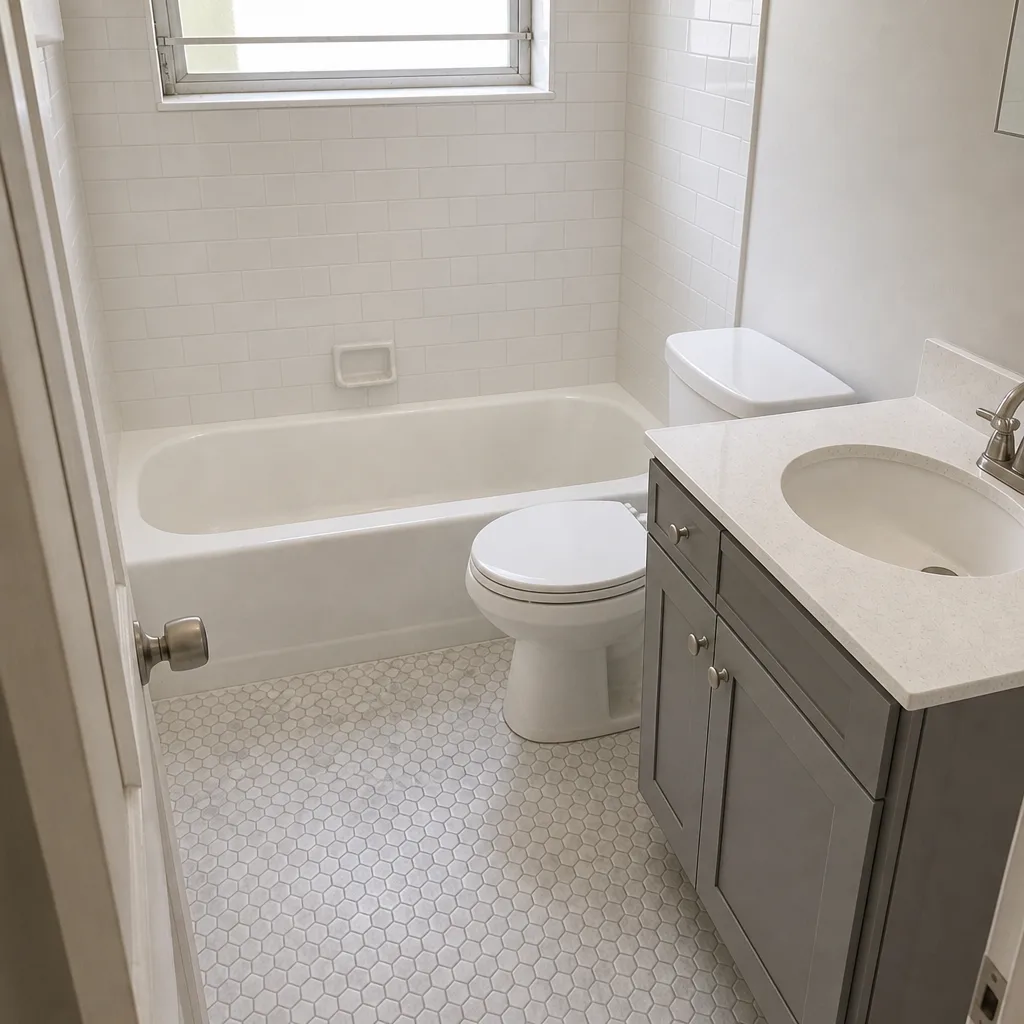 After
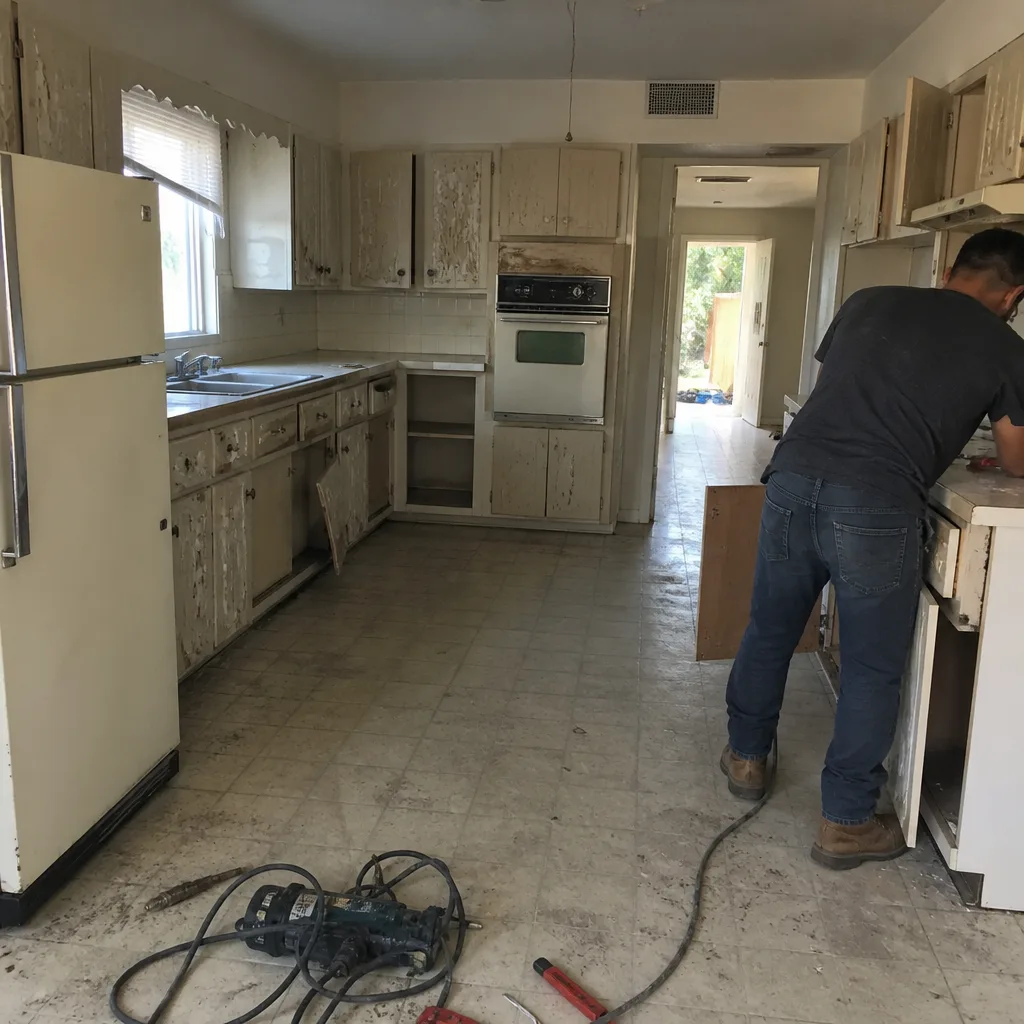 Before
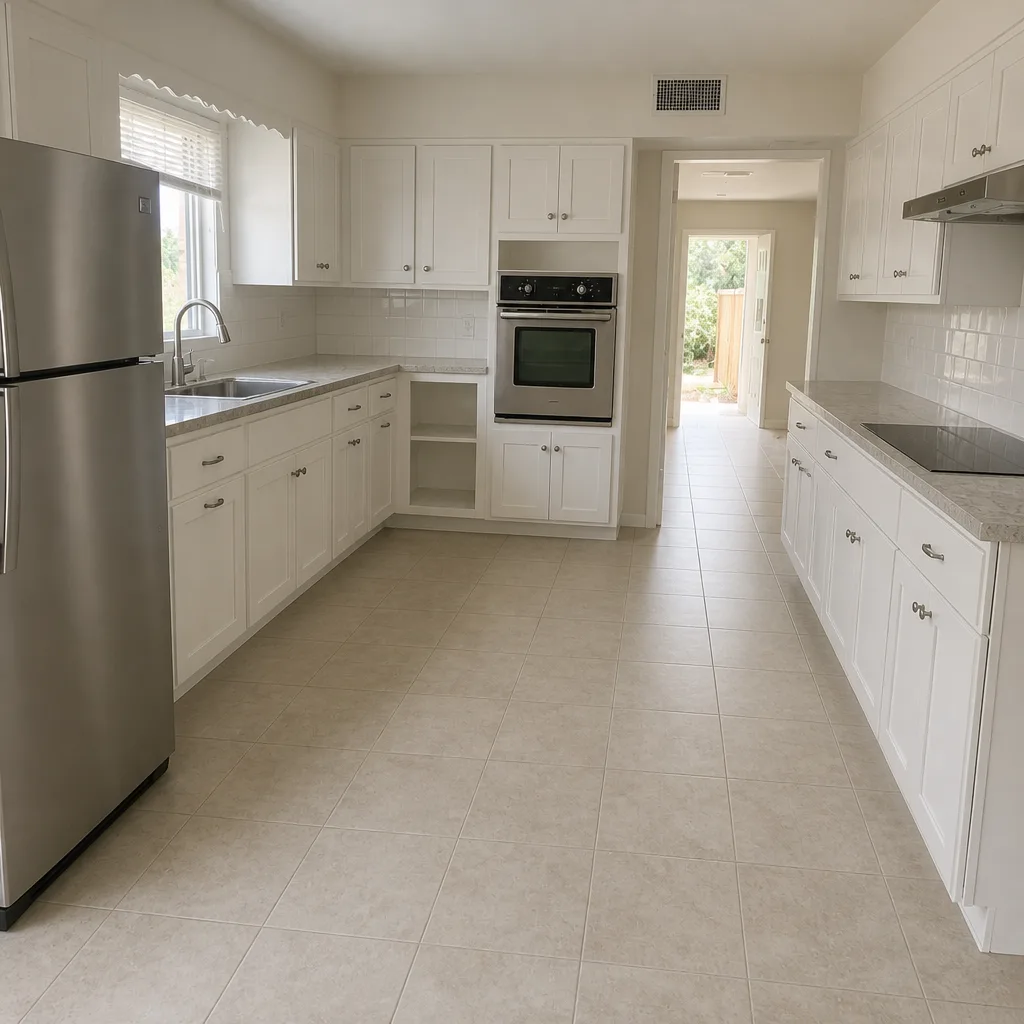 After
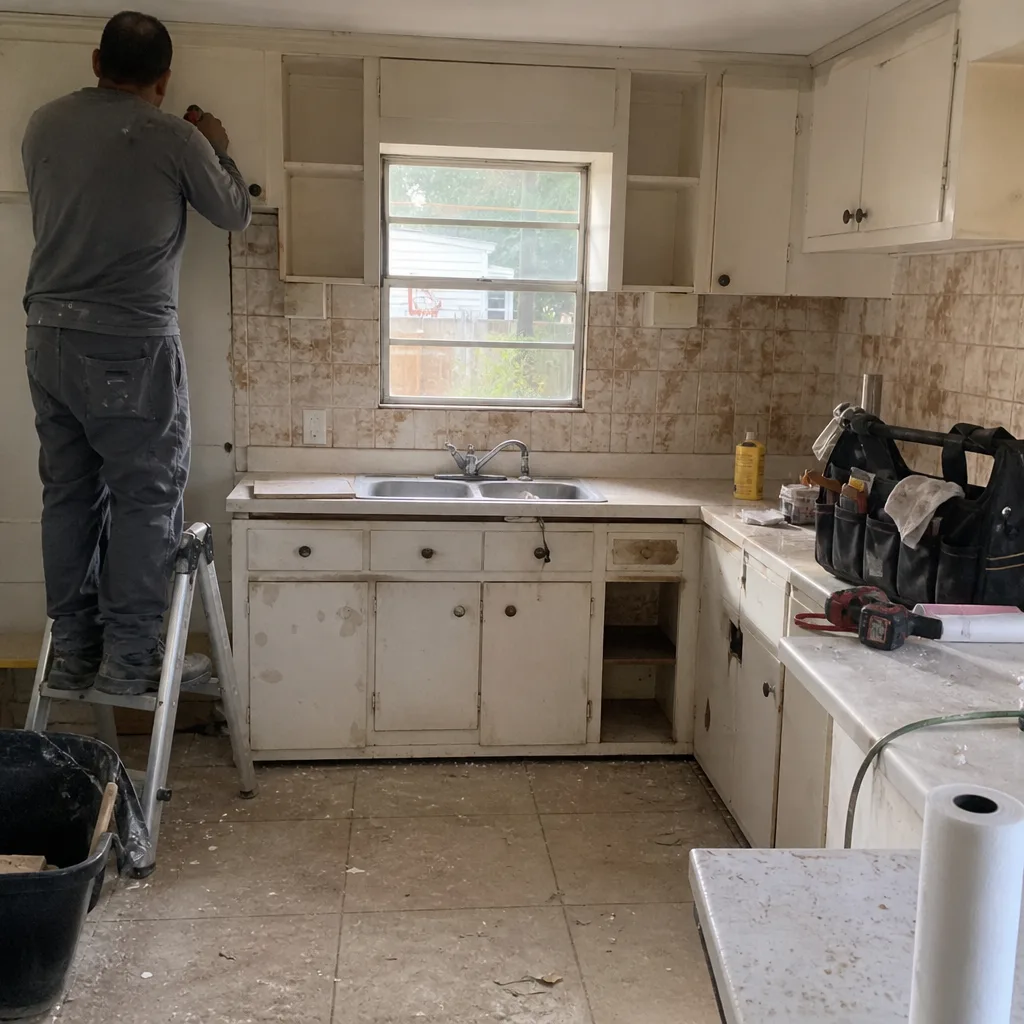 Before
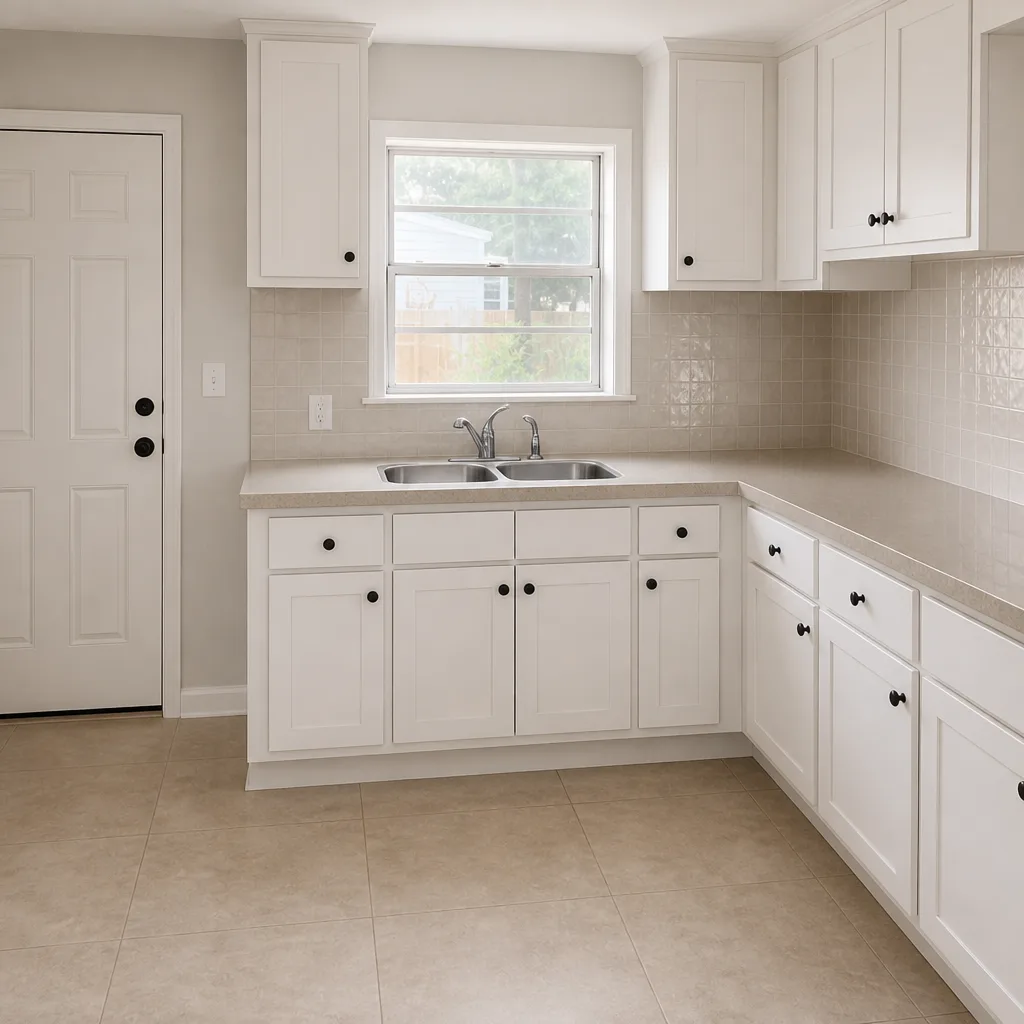 After
When to Call a Professional
Some maintenance is a weekend project. Some isn’t. Call a professional when you see a water stain on a ceiling below a bathroom, when the toilet base rocks, when new windows are letting air or moisture past the seal, or when grout is cracking in a pattern (not just a hairline). Call us for anything you don’t want to take on, or for any repair when the original work is still under a workmanship guarantee. A homeowner who tries a DIY fix on a warranty-covered item can void the coverage. Penhallow Remodeling North Miami offers free estimates in North Miami for any maintenance or repair work, and our phone line is answered by a real person around the clock. Call (888) 255-7411 to schedule. Every job gets a written price before we start and a written guarantee when we’re done.
Frequently Asked Questions

Re-caulk the tub, shower pan, and tile-to-wall joints every 6 to 12 months in North Miami because the year-round humidity ages silicone faster than in drier climates. Check the joints each season, and replace the bead as soon as it pulls away from tile or starts to spot with mildew. Call (888) 255-7411 for an exact quote if you’d rather not handle it yourself.
Typically not, unless the failure is a defect in installation. Caulk and grout wear out from normal use, and most warranties, including ours, treat routine re-caulking as homeowner maintenance. What our 365-Day Done Right Promise covers is workmanship: a leaking shower pan that was installed wrong, a cabinet box that failed at the joint, a window install that lets water through the flashing. Call (888) 255-7411 if you’re unsure which side a repair falls on.
Before June 1, inspect every new window and exterior door for seal integrity, check the flashing at roof penetrations, test hurricane shutters for fit, and confirm that new pavers have joint sand in place. This pre-season walkthrough catches the gaps that wind-driven rain exploits in the first year, when new exterior work is most vulnerable. Call (888) 255-7411 to schedule an inspection if you want a professional to do the walk.
Yes. Keep it running, set between 74 and 78 degrees. In a North Miami home, an AC that’s off for even a week in August lets indoor humidity climb to levels that can warp cabinet doors, buckle wood trim, and void the manufacturer’s warranty on cabinetry and flooring. This is the single most important maintenance habit in a South Florida home.
Keep dated photos of every maintenance task, receipts for the products you use, and a simple one-page log of what was done and when. Include photos and records of your AC settings. A contractor assessing a claim can see what was done, when, and whether it was done right. Call (888) 255-7411 if you need help building the log or want a professional to inspect something before filing a claim.
A typical annual maintenance budget runs $600 to $1,200 for most North Miami homes, depending on the size of your remodel and how much you handle yourself. Most of that covers re-caulking, grout sealing, and exterior touch-ups. The full-home annual inspection covered in this guide typically runs under $400. Call (888) 255-7411 to schedule your free estimate; the number on day one is the number on the invoice.
The Bottom Line
Your remodel came with a maintenance schedule. The caulk, grout, flashing, paint, and paver joints settle in for their first rainy season, and the decisions you make in those first 18 months decide what lasts. In North Miami, that schedule runs 30 to 50 percent faster than the national guides suggest, and the six-point pre-hurricane checklist gets done before June 1, not after. Keep a dated maintenance log, run the AC year-round, and inspect every spring. When you need help, call Penhallow Remodeling North Miami at (888) 255-7411. Free estimates, written pricing before any work starts, a 365-Day Done Right Promise in writing, and background-checked, uniformed technicians on every job. Materials come from the brands you already know, like Techo-Bloc for pavers and James Hardie for siding.
Written by the team at Penhallow Remodeling North Miami.