Last updated November 17, 2026








Free written scope consultation - allowances, timeline, and change-order rules on paper before a single trade is scheduled
General Contractor Warning Signs Every Homeowner Should Know
The contractor asking for 50% upfront isn’t always a scammer. But in Florida, a deposit above 10% before work begins runs against state statute, and most homeowners hand it over without knowing that. The red flags that cost people the most money aren’t hidden in a shifty handshake. They’re in the paperwork, the permit history, and the payment schedule, all of which you can check in about ten minutes. This guide is written from North Miami, where we’ve watched homeowners learn these lessons the expensive way, and it walks through the specific, verifiable data points that separate a solid general contractor from one who’ll leave you with a half-finished kitchen and a lien on your house.
Quick Answer
The biggest general contractor warning signs are a deposit above 10% before work starts, a quote that’s verbal or “time and materials” with no firm number, a contractor who asks you to pull your own permits (or skips them), no written guarantee, and a complaint pattern where the owner answers every bad review with a defense instead of a fix. In Florida, deposit limits, permit history, and lien records are all public. A homeowner who checks those three things before signing avoids most of the trouble that follows a bad hire.
Styles & brands we work with
- Kitchen remodeling
- Bathroom remodeling
- Home additions & ADU
- Roofing
- Windows & doors
- Driveway & pavers
- Fence
Table of Contents
- What Florida Law Says About Your Deposit
- How to Check a Contractor’s Permit History in Miami-Dade
- The Subcontractor Test: Who’s Actually Doing the Work?
- Three Contract Clauses That Look Protective but Aren’t
- Reading Google and BBB Complaints the Right Way
- Liens, Insurance, and the Paper Trail You Need
- Why North Miami Homes See Specific Problems
- Common Mistakes to Avoid
- When to Call a Professional
What Florida Law Says About Your Deposit
Florida Statute 489.126 caps what a contractor can collect before starting work on a residential project. If the job is $2,500 or more, the deposit can’t exceed 10% of the contract price, and the contractor has to start work within 90 days of taking it. That’s not a suggestion. It’s law. A contractor who opens with “half down, half at the end” is either unaware of the statute or choosing to ignore it, and neither is a good sign when that person is about to work inside your home.
Why does this matter so much? Because deposits reveal cash flow. A contractor who needs a big pile of your money before ordering cabinets is often funding the last job with the next job’s deposit. When the work runs out, so does he. In our experience across North Miami projects, the reliable operators ask for a modest deposit and then bill in draws tied to completed milestones: demo done, cabinets set, countertops templated, tile finished.
- Up to 10%: legal and normal for a residential deposit in Florida.
- 15% to 30% upfront: a red flag that needs a written explanation, tied to real material commitments.
- 50% or more: beyond what the statute allows and a strong signal of cash trouble.
- Cash only, no receipt: walk away. You have zero recourse on a project that goes wrong.
Ask for a draw schedule in writing before you sign anything. A contractor who can’t explain how the money follows the work usually can’t explain how the work follows the schedule either. If you’re pricing a bathroom remodeling in North Miami, that schedule should name what happens at each stage, not just “after rough-in, 40%.”
How to Check a Contractor’s Permit History in Miami-Dade
Every permit in Miami-Dade County is public record, and pulling a contractor’s history takes about five minutes online. This is the single most useful check a homeowner can do, and almost nobody does it. A contractor who routinely skips permits has been cutting corners in a way that will come back to you at resale, at insurance renewal, or the day an inspector red-tags a wall you paid to open up.
Here’s the exact sequence:
- Go to Miami-Dade County’s online permit portal (ePermitting) and search by contractor name or license number.
- Pull the last three to five years of permits and look at the volume, the type, and the outcomes.
- Check for expired permits that were never closed out. An open permit is a liability that transfers with the property.
- Look for failed inspections and whether they were resolved. A single failed rough-in is normal. A pattern isn’t.
- Verify the license itself through Florida’s DBPR database: type (CGC for certified general contractor, CRC for certified residential), status (active), and any disciplinary actions.
In North Miami, where a lot of homes sit in flood zones and near coastal wind zones, permits do more than satisfy a code officer. They trigger the inspections that confirm your roof tie-downs, your electrical, and your impact openings meet the wind-load requirements your insurance carrier expects. A contractor who shrugs off permits is a contractor who’s leaving you under-insured and over-exposed. If you want a real gut check on a specific candidate, the team behind our general contractor service in North Miami will walk you through what a clean permit history should look like.
The Subcontractor Test: Who’s Actually Doing the Work?
Ask any contractor two questions: “Do you have employees?” and “Who’s doing my framing and tile?” A licensed general contractor who subs everything out isn’t automatically a problem. Most remodeling work uses specialty trades, and that’s normal. But there’s a difference between a GC with a core crew and established trade partners, and one who has no employees at all and hires whoever’s available that week from a parking lot.
The second type carries more liability for you. Here’s why. In Florida, workers’ compensation rules mean an uninsured subcontractor’s injured worker can pursue the homeowner in some scenarios. If a tradesman falls off a ladder in your North Miami kitchen and his employer has no coverage, you can end up in the claim. A GC who can name his subs, show you their certificates of insurance, and confirm they’re covered is protecting you as much as himself.
- Ask who will be on site for each phase: demo, rough-in, drywall, finish. Get names of trades, not just “a crew.”
- Request certificates of insurance for the GC and each major sub, and confirm the dates cover your project timeline.
- Confirm who’s supervising. A GC who shows up only at the start and the invoice is a GC who isn’t managing quality.
- Ask what happens if a sub no-shows. The good answer involves a real backup and a written schedule, not “it never happens.”
This same test applies to any major project, whether you’re planning a kitchen overhaul or a full whole-home remodel. The sub structure tells you how the job will actually run.
Three Contract Clauses That Look Protective but Aren’t
The most expensive sentences in a remodeling contract are usually the ones that sound reasonable. Three clauses show up over and over, and each one quietly shifts risk toward you.
1. “Time and Materials” Pricing
This sounds fair: you pay for what’s used. In practice, time and materials removes any incentive to work efficiently and gives the contractor an open hand on hours. The number you agreed to on day one has no ceiling. A written fixed price, with a clear scope of work, is what you want. If a change is needed, it gets a signed change order with a number attached.
2. Broad Force Majeure Language
Force majeure covers events beyond anyone’s control, like a hurricane or a material shortage tied to a storm. That’s legitimate. But a clause that lets the contractor claim “unforeseen circumstances” for a delayed delivery, a busy schedule, or a sub who quit is using storm language to excuse ordinary problems. Read the clause and ask what specific events it covers.
3. Vague Scope Descriptions
“Install tile per industry standards” tells you nothing. Which tile? What substrate? What thickness? A weak scope is the seed of every change order that balloons a budget after demo day. Insist on brand, model, and quantity for every material. Our approach with a kitchen remodeling in North Miami is to itemize each line, down to the KraftMaid cabinet line and the Cambria slab, so the written number on day one matches the invoice at the end.
Reading Google and BBB Complaints the Right Way
A perfect five-star rating is suspicious. One angry review is noise. What matters is the pattern, and specifically how the contractor responds to complaints. Read the last year of reviews on Google and the BBB, then filter for anything under three stars. Look for repeated complaints about the same thing: no-shows, budget balloons, ghosting after payment, unfinished punch lists.
Then read the owner’s responses, and pay attention to tone. A contractor who answers every complaint with a defense, blames the customer, or explains that the reviewer “was difficult” is telling you something. Compare that to a contractor who responds with a specific fix or an offer to make it right. That’s not about customer service. It’s a preview of how they’ll handle it when the problem is yours.
Two things reviews don’t tell you:
- Whether the license is active. A great review history means nothing if the license has lapsed. Check DBPR separately.
- Whether permits were pulled. A homeowner happy with a finished bathroom may not know the work was unpermitted until they sell. Permit records are the unedited version of reviews.
One more check: verify the reviewer’s project actually resembles yours. A company that does great storm board-up work may have no experience with the kind of cabinetry and plumbing a full remodel demands.
Liens, Insurance, and the Paper Trail You Need
A mechanics lien is a claim against your property by someone who didn’t get paid. In Florida, a subcontractor or supplier who hasn’t been paid by your GC can file a lien on your house even though you paid the GC in full. That’s how homeowners end up in court over someone else’s debt. The defense is a paper trail: signed lien releases from the GC and each major sub at every payment step, plus a Notice to Owner system you can confirm.
Before work starts, collect these documents:
- A written contract with a fixed scope, a fixed price, a schedule, and a payment plan tied to milestones.
- Proof of insurance. General liability and workers’ comp, current dates, covering your address.
- Licensure. Active license number you can verify through DBPR.
- The deposit schedule that complies with FS 489.126.
- A written guarantee that spells out what’s covered, for how long, and what happens if something fails.
A contractor who hesitates on any of these before a job has already told you how the job will go. The company that hands you the written number and the written guarantee before a single cabinet is pulled is the one you want inside your home.
Why North Miami Homes See Specific Problems
North Miami’s housing stock is a mix of 1950s ranches, mid-century block homes, and newer infill, and each one brings its own warning-sign scenario. In older homes near Arch Creek and the neighborhoods off Biscayne Boulevard, we regularly see deferred plumbing and electrical that a contractor discovers at demo and then “discovers” a change order for. The good operator walks you through what could be behind the wall before demo day, in writing, so the surprise is priced in.
South Florida’s humidity and summer storms are the other factor. Bathroom tile that’s set over drywall or the wrong substrate will fail faster here than almost anywhere, which is why we insist on cement board substrate (the moisture-resistant layer behind the tile) and proper waterproofing on every North Miami job. A contractor who waves off that detail, or who quotes a bathroom remodel without naming waterproofing, is telling you they’ve never dealt with a Florida mildew comeback.
Wind and flood zones shape the rest. Homes near the coast and in flood zones need impact-rated openings and wind-load-compliant connections, and those show up in the permit record. Tile and paver work around a North Miami entryway needs drainage that handles a summer downpour, whether the material is Tremron or Techo-Bloc. A contractor who talks about curb appeal but not drainage has skipped the part that fails first.
Common Mistakes to Avoid
- Handing over more than 10% before work starts. Florida statute caps residential deposits, and exceeding the cap is your warning light. No matter how good the story, hold the line.
- Accepting a verbal estimate or a ballpark range. A number you can’t hold in your hand is a number that changes. Insist on written line-item pricing before anything moves.
- Letting the contractor “handle” the permits without checking. Pull the permit history yourself in Miami-Dade ePermitting. Unpermitted work is your problem at resale, not theirs.
- Signing a time-and-materials contract to save time. It feels faster and ends up more expensive. Fixed price with signed change orders is the only plan that protects your budget.
- Ignoring who’s actually doing the work. Ask for the names of the subs, the certificates of insurance, and who will supervise. The general contractor who can’t answer is a general contractor who isn’t managing anything.
- Skipping the lien release paperwork. Get signed releases from subs and suppliers at each payment. Without them, a paid contractor can still leave your North Miami home with a lien against it.
- Treating one bad review as disqualifying and a perfect rating as proof. Read the pattern and the owner’s responses. The way a contractor handles a complaint is the way they’ll handle yours.
When to Call a Professional
You can check a license, pull a permit history, and read a contract. But some decisions need a trained eye on site: a bathroom that’s failing at the seams, a kitchen where the electrical panel and plumbing have to be reworked, a whole-home remodel where the wall you want gone might be load-bearing. Electrical and gas work, and anything involving structural changes, is not a homeowner job, and the stakes are high enough that a licensed professional should be the one making the call. That’s when a conversation with a real contractor pays for itself. Penhallow Remodeling North Miami offers free estimates in North Miami with a written number before any work starts. Call (888) 255-7411 to schedule yours.
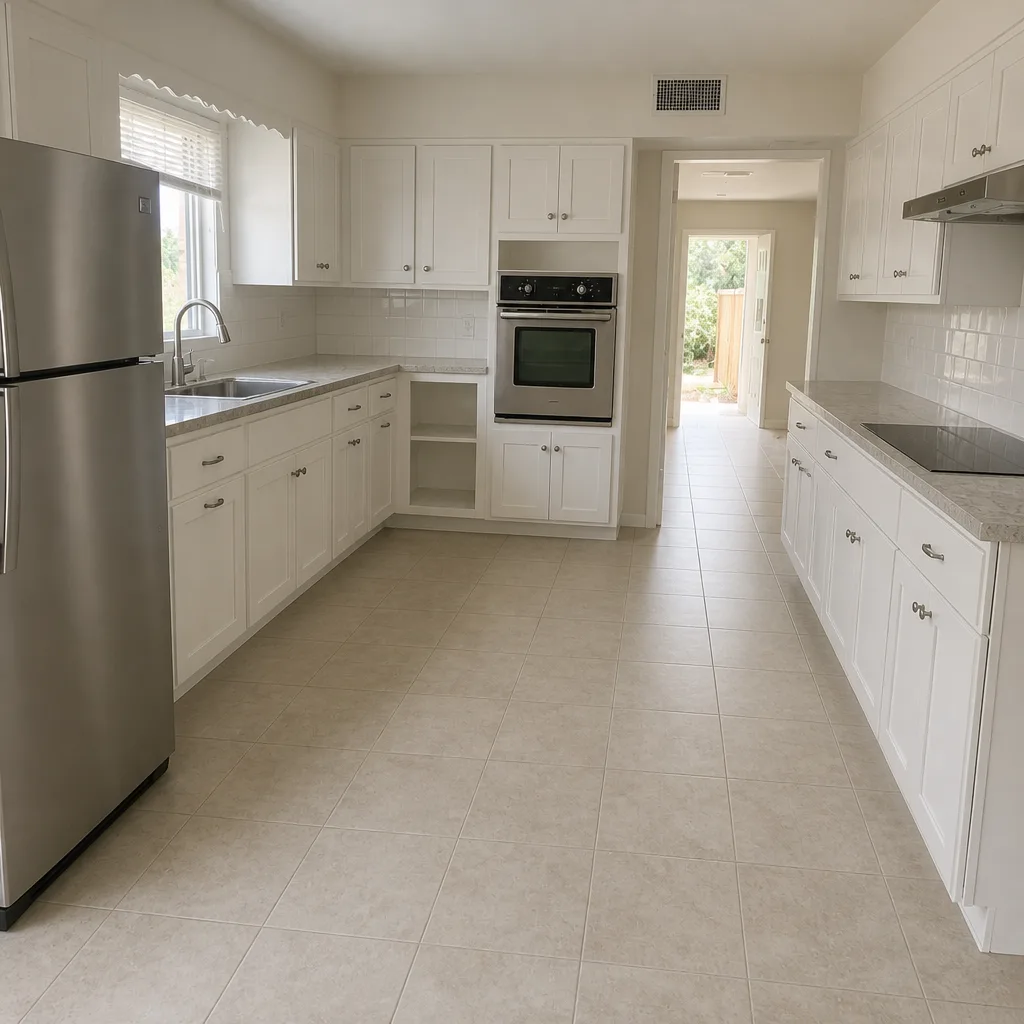
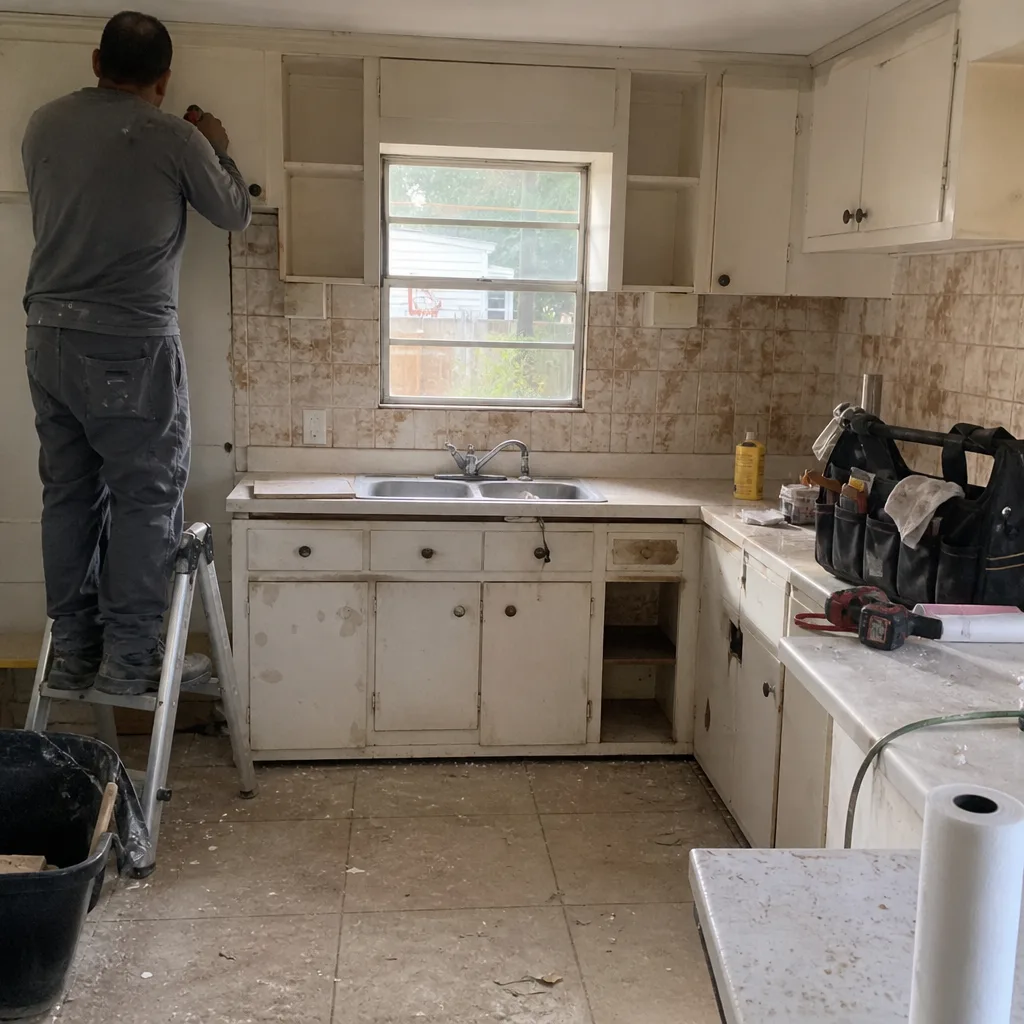
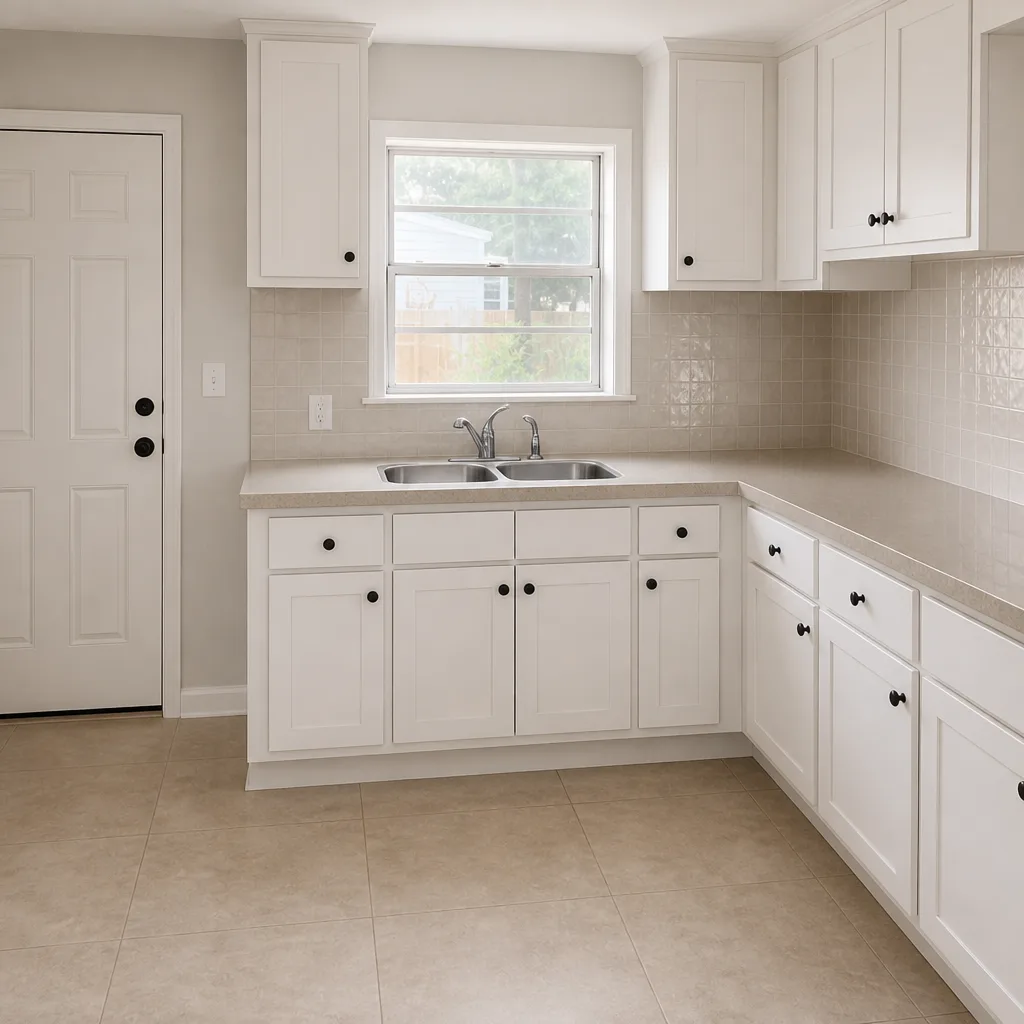
See the difference
 Before
 After
 Before
 After
 Before
 After
Frequently Asked Questions

The biggest red flag is a contractor demanding a deposit well above 10% before work begins, which runs against Florida Statute 489.126 for residential jobs of $2,500 or more. A contractor who exceeds the legal cap is signaling cash-flow trouble, and that trouble becomes your unfinished project. Call (888) 255-7411 for a free written estimate with a compliant deposit schedule.
Verify the license through Florida’s DBPR website by name or license number, confirming it’s active and has no disciplinary actions. Then pull the contractor’s permit history in Miami-Dade’s ePermitting portal, looking for volume, failed inspections, and expired permits. Both checks take about ten minutes, and both are free.
Rarely. Time-and-materials pricing removes any incentive to work efficiently and leaves your final cost open-ended, because every hour logged becomes your bill. A fixed written price with signed change orders is the standard for a job you can budget. Ask a contractor to show you a real line-item quote, not a range.
Pay attention to repeated complaints, even when the average rating looks fine. If the same complaint shows up three times (no-shows, budget balloons, unfinished punch lists), it’s a pattern, not a fluke. Read how the owner responded. A defensive response tells you what you’re signing up for.
A written guarantee should name exactly what’s covered, how long it lasts, and what the contractor will do if the work fails, in writing. Our 365-Day Done Right Promise comes with every project: if the work fails inside the guarantee period, we return and fix it at no charge, and the free return visit is included. That’s the standard to ask for.
Collect signed lien releases from the general contractor and each major subcontractor and supplier at every payment step, and confirm the GC is collecting the same from trades. Lien releases are your proof that the money flowed all the way through. Keep them with your contract and permit records.
The Bottom Line
The warning signs are mostly in writing, and most homeowners just don’t know where to look. Check the deposit against Florida’s 10% cap. Pull the permit history in Miami-Dade. Confirm the license and insurance. Read the contract for time-and-materials pricing, broad force majeure language, and vague scope. Get lien releases as you pay. Then compare the pattern of reviews and how the owner answers them. If a contractor can hand you a written number, a written guarantee, and a clean paper trail before anyone picks up a tool, you’ve found someone who’ll make it right when something goes wrong. If you’re ready to start with a company that opens with the number, call (888) 255-7411 for your free estimate.
Written by the team at Penhallow Remodeling North Miami.