Last updated November 17, 2026







Free written scope consultation - allowances, timeline, and change-order rules on paper before a single trade is scheduled
Home Remodeling Warning Signs Every Homeowner Should Know
By the time most homeowners realize a remodel is going wrong, the walls are closed up and the contractor’s leverage is at its peak. The warning signs that matter most aren’t the ones you see before you sign. They’re the ones you see on day four, when the crew is two men short, the permit isn’t posted, and nobody can tell you what substrate went under the tile. In our work across North Miami, we’ve walked into plenty of half-finished kitchens where the homeowner had a bad feeling weeks earlier and said nothing because they didn’t want to seem difficult. This guide changes that. You’ll learn the mid-project and post-project signs that separate a rough patch from a genuinely bad job, and exactly how to raise a concern before it disappears behind drywall.
Quick Answer
The most important home remodeling warning signs appear during and after the job, not during hiring: work proceeding without a posted permit, subcontractors who don’t know the scope, skipped inspection calls, materials that don’t match the written quote, cash draws requested ahead of schedule, and grout or doors failing in the first 90 days. Catching these mid-project, while walls are still open, is what protects both your home and your money.
Styles & brands we work with
- Kitchen remodeling
- Bathroom remodeling
- Home additions & ADU
- Roofing
- Windows & doors
- Driveway & pavers
- Fence
Table of Contents
- Mid-Project Warning Signs You’ll See on Day Four
- Permits, Inspections, and the Paper Trail That Protects You
- Substrate Shortcuts: The Window You Have Before Tile and Drywall Go Up
- Financial Warning Signs: Cash Draws, Invoices, and Change Orders
- When Materials Don’t Match the Written Quote
- Post-Project Warning Signs That Signal Underlying Problems
- How to Raise a Concern Mid-Project Without Blowing Up the Relationship
- The Hiring Signs That Predict Trouble Later
Mid-Project Warning Signs You’ll See on Day Four
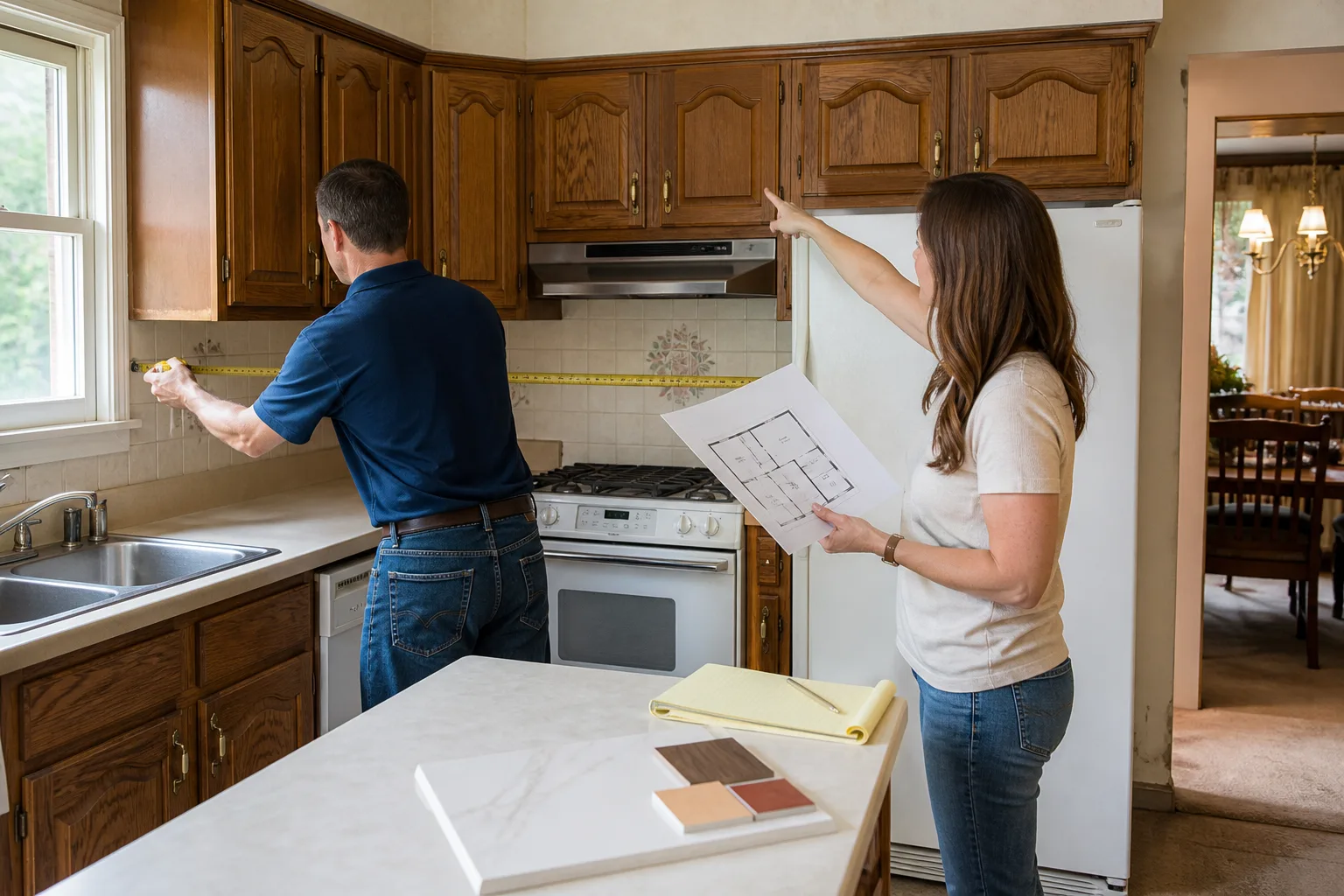
The first week tells you almost everything. By day four, a competent crew has posted the permit, protected your floors and counters, introduced the lead, and can answer basic questions about the sequence ahead. When those things are missing, the problem is rarely just disorganization. It usually means the job wasn’t planned, the crew was assembled at the last minute, or the scope lives only in the contractor’s head.
Watch for these specific signs in the first week:
- No permit posted anywhere visible. In Florida, permitted work should have the permit card on site. An unposted permit often means none was pulled.
- Subcontractors who don’t know the scope. If the tile setter asks you which wall the backsplash goes on, the plan never reached them.
- A rotating cast. Different faces every day, no lead identified, no one who owns the job.
- No dust barriers or floor protection. A crew that doesn’t protect your home on day one won’t start on day twenty.
- Vague answers about sequence. “We’ll figure it out” about the order of rough-in and inspection is a planning failure, not flexibility.
- Demo that goes beyond the written scope. Extra demolition without a written change order is a setup for a bigger bill.
None of these alone sinks a project. Two or three together, in the first week, is your signal to slow down and start documenting. If you’re still in the planning stage and want to understand how a well-run job is sequenced, our overview of general contractor services in North Miami walks through the order of operations.
Permits, Inspections, and the Paper Trail That Protects You
In North Miami, most kitchen and bathroom remodels that move plumbing, electrical, or structural elements require permits, and those permits come with required inspections at set stages. Rough-in inspection happens before drywall. Framing inspection happens before insulation. The inspections are not red tape; they’re the one independent set of eyes on work that will soon be hidden.
A contractor skipping inspection calls is a serious warning sign, and it’s one homeowners miss because nobody announces it. The work simply moves forward. Then the drywall goes up and the window closes.
Here’s how to verify you’re covered:
- Ask for the permit number in writing before work begins, and confirm it through the city’s online portal.
- Note the inspection stages on your calendar and ask what date each one is scheduled.
- Ask to see the inspection approval before drywall goes up. It’s a reasonable request and a good contractor will welcome it.
- Keep every inspection record in one folder. If you ever sell, buyers and their inspectors will ask.
South Florida’s humidity makes this more than bureaucratic. Moisture that gets trapped behind improperly installed vapor barriers or unflashed openings shows up as mold within a season, and by then the fix is far more expensive than the inspection would have been. Our bathroom remodeling in North Miami work starts with the permit and inspection schedule written into the plan, because wet rooms are where shortcuts cost the most.
Substrate Shortcuts: The Window You Have Before Tile and Drywall Go Up
Substrate is the layer behind the finish. Behind your tile it’s usually cement board, and behind your drywall it’s framing, insulation, and vapor barrier. Once the finish goes on, you can’t see any of it without demolition. That’s why substrate shortcuts are the single most expensive category of remodeling problem, and why the window to check is so short.
What a shortcut looks like before it’s buried:
- Greenboard instead of cement board in a shower. Greenboard is moisture-resistant drywall. It is not a shower substrate. It will fail.
- No waterproofing membrane. Cement board is not waterproof on its own. A liquid or sheet membrane over it is what keeps water out of the wall cavity.
- Skipped vapor barrier. Missing or reversed vapor barriers trap moisture in the wrong place, which in North Miami’s climate means mold behind the drywall.
- Tile set directly on drywall. Fine in a dry powder room, a disaster in a shower.
- Framing not blocked or shimmed. Cabinets and heavy fixtures need solid blocking. Without it, things sag and pull loose within a year.
You don’t need to inspect this yourself. You do need to ask one question before the finish goes on: “Can I see the substrate and waterproofing before tile and drywall go up?” A contractor who’s doing it right will say yes and schedule a walkthrough. Our kitchen remodeling in North Miami projects include that walkthrough as a standard step, not a favor.
Financial Warning Signs: Cash Draws, Invoices, and Change Orders
Money is where a shaky job becomes a dangerous one. The financial warning signs tend to appear in a predictable order, and each one increases your exposure.
- Large cash draws ahead of schedule. A draw tied to a milestone is normal. A draw requested before the milestone, in cash, is not.
- Invoices that don’t match the written price. If line items appear that weren’t in the original agreement and no signed change order exists, stop and reconcile before paying.
- Verbal change orders. “We’ll just add it to the total” is how budgets balloon. A change order is only real when it’s written, priced, and signed.
- Pressure to decide right now. Urgency around money is a tactic. No legitimate change requires a signature on the spot.
- Requests to pay subcontractors directly. That shifts liability to you and usually signals a cash flow problem upstream.
The protection is simple: your written price is the baseline, and every dollar above it has a paper trail you signed in advance. If you don’t have a written price to compare against, that’s the first problem to fix. The Penhallow Remodeling North Miami home page explains how our written-price approach works in practice.
When Materials Don’t Match the Written Quote
Substitutions are common in remodeling and often legitimate, but only when they’re approved in writing. The warning sign isn’t substitution itself; it’s substitution without conversation, especially when the swap goes one direction: down in cost and unchanged on the invoice.
What to check when materials land on site:
- Cabinet line and finish. Confirm the brand and door style match the quote. If you agreed to KraftMaid and an unlabeled box shows up, ask for the packing slip.
- Countertop material. Quartz from one line isn’t quartz from another. Cambria, Silestone, and Caesarstone all carry different warranties, and the warranty follows the product.
- Fixtures and trim. A Kohler faucet and an off-brand look similar in a box. Check the label before installation.
- Tile and flooring. Confirm the lot and dye number. Different lots of the same tile often don’t match.
- Grout, thinset, and waterproofing. These are the cheapest materials on the job and the most commonly downgraded.
If something doesn’t match, ask for the written substitution approval. If there isn’t one, that’s the conversation. Bathroom remodels in North Miami are especially prone to fixture swaps because there are so many small items to track.
Post-Project Warning Signs That Signal Underlying Problems
The job isn’t over when the crew leaves. The first 90 days are the most telling period, and problems that appear in that window usually trace back to something hidden, not something cosmetic.
- Grout cracking in the first 90 days. Hairline cracks in new grout usually mean movement underneath, often a substrate or deflection problem.
- Doors that newly stick. A door that closed fine in month one and drags in month three can signal foundation or framing movement, or humidity issues from a missed vapor barrier.
- Water stains near new fixtures. Any stain near a new sink, shower, or supply line is a leak that needs attention now, not later.
- Musty smell in a new bathroom. In North Miami’s climate, a persistent musty smell after a remodel almost always means moisture is trapped. It’s a waterproofing or ventilation problem.
- Caulk failing early. Premature caulk failure is often a sign of movement or a missed step in the waterproofing sequence.
- Popping or hollow tile. Tap the floor. A hollow sound means the tile didn’t bond, usually from a substrate or thinset problem.
A guarantee only matters if it’s real when something fails. Our 365-Day Done Right Promise exists for exactly this window: if the work fails inside the first year, we come back and fix it at no charge, and we include a free second visit if a repair fails. That’s not a slogan. It’s written into every project.
How to Raise a Concern Mid-Project Without Blowing Up the Relationship
Most homeowners stay quiet when something feels off because they’re afraid of souring the working relationship. That fear is understandable and usually unnecessary. A good contractor wants to know about a concern on day four rather than day forty, and a calm, documented conversation protects everyone.
Here’s a script that works:
- Write it down first. One sentence describing what you observed, one sentence describing what you expected. No accusations, just facts.
- Ask for a walkthrough. “Can we do a ten-minute walkthrough before the tile goes up?” is a reasonable, non-confrontational request.
- Ask a question, not a verdict. “Can you walk me through the waterproofing here?” invites explanation and gives the contractor room to correct course.
- Confirm the resolution in writing. A short follow-up text or email (“Following up on our conversation today about X, agreed plan is Y”) keeps everyone accountable.
- Escalate only if the pattern continues. One rough day is not a crisis. Two weeks of ignored concerns is.
The written follow-up is the key step. It costs you nothing and turns a verbal promise into something you can point to later. If the conversation is being stonewalled, that in itself is your answer about the contractor.
The Hiring Signs That Predict Trouble Later
We wrote this guide around mid-project symptoms because that’s where homeowners are least prepared. But some of the worst outcomes are visible before the contract is signed, if you know what to look for.
- A verbal price instead of a written one. A number you can’t hold anyone to isn’t a price. It’s a conversation.
- No written guarantee. If the contractor can’t tell you, in writing, what happens if the work fails, the answer is that nothing does.
- No permit discussion. A contractor who doesn’t bring up permits in the first conversation is telling you something.
- No background-checked technicians. You should know exactly who is walking into your home.
- No live person answering the phone. A voicemail maze in the sales phase becomes a voicemail maze in the warranty phase.
- Artificial urgency. “We’re only booking two more jobs this month” is a sales tactic. A good contractor’s calendar speaks for itself.
In our experience, the hiring signs and the mid-project signs are the same problem seen from two points in time. The contract either commits to a written price, a real arrival window, and a written guarantee, or it doesn’t. If it does, the next six weeks are usually quiet. If it doesn’t, day four tells you the rest.
Common Mistakes to Avoid
- Waiting until the tile is up to ask about waterproofing. Once the finish goes on, you’ve lost your only window to check. Ask before, not after.
- Paying cash draws early to “keep things moving.” Cash draws ahead of schedule are the most common way homeowners lose leverage. Hold draws to written milestones.
- Accepting verbal change orders. “We’ll settle up at the end” is how budgets double. Every change gets a signed, priced change order or it doesn’t happen.
- Assuming permit signs are formality. In North Miami, an unposted permit often means none was pulled, and the inspection that would have caught a defect never happens.
- Ignoring a musty smell in a new bathroom. In South Florida’s humidity, that smell is moisture trapped behind a waterproofing shortcut. It doesn’t resolve on its own.
- Staying quiet to keep the peace. Homeowners who don’t raise a concern at day four usually end up raising it as a dispute at day forty. The early conversation is the cheap one.
- Hiring on price alone. The lowest bid often comes from the contractor who plans to make up the difference in change orders.
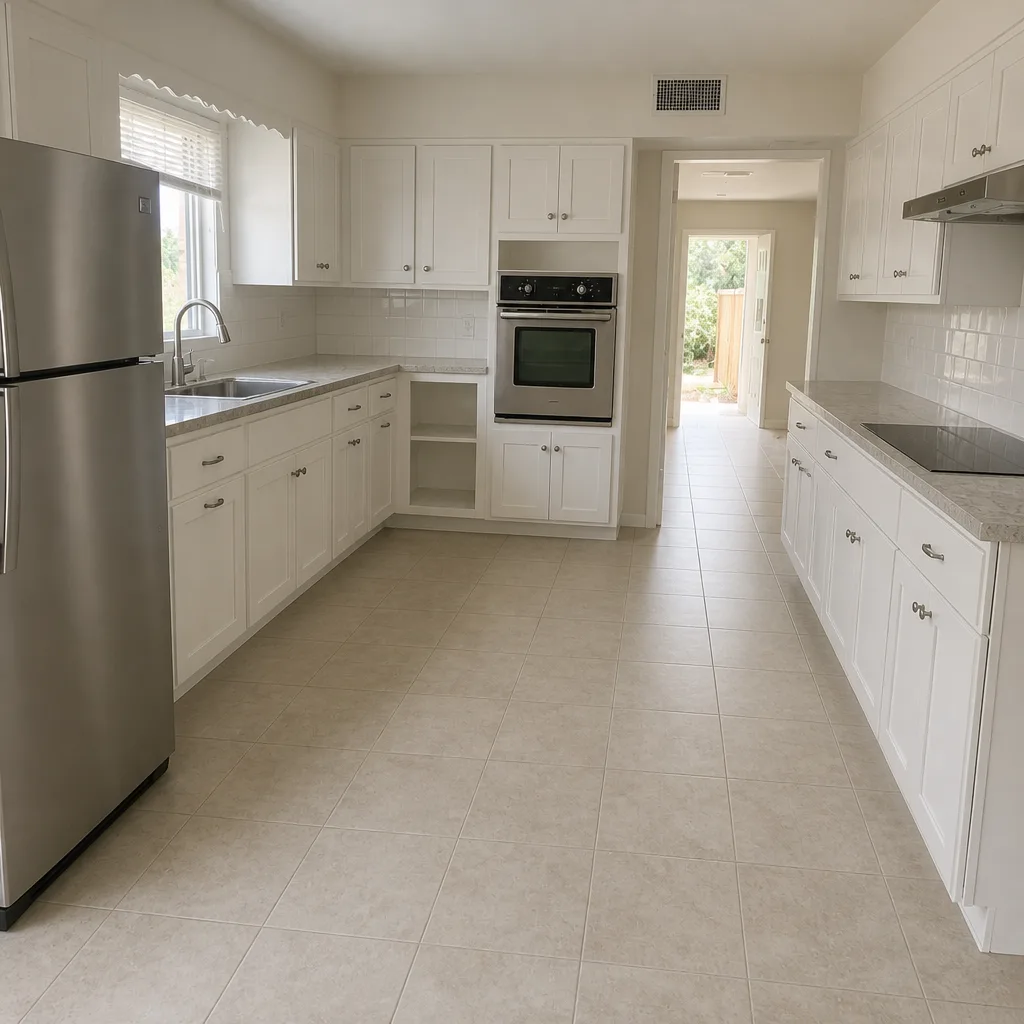
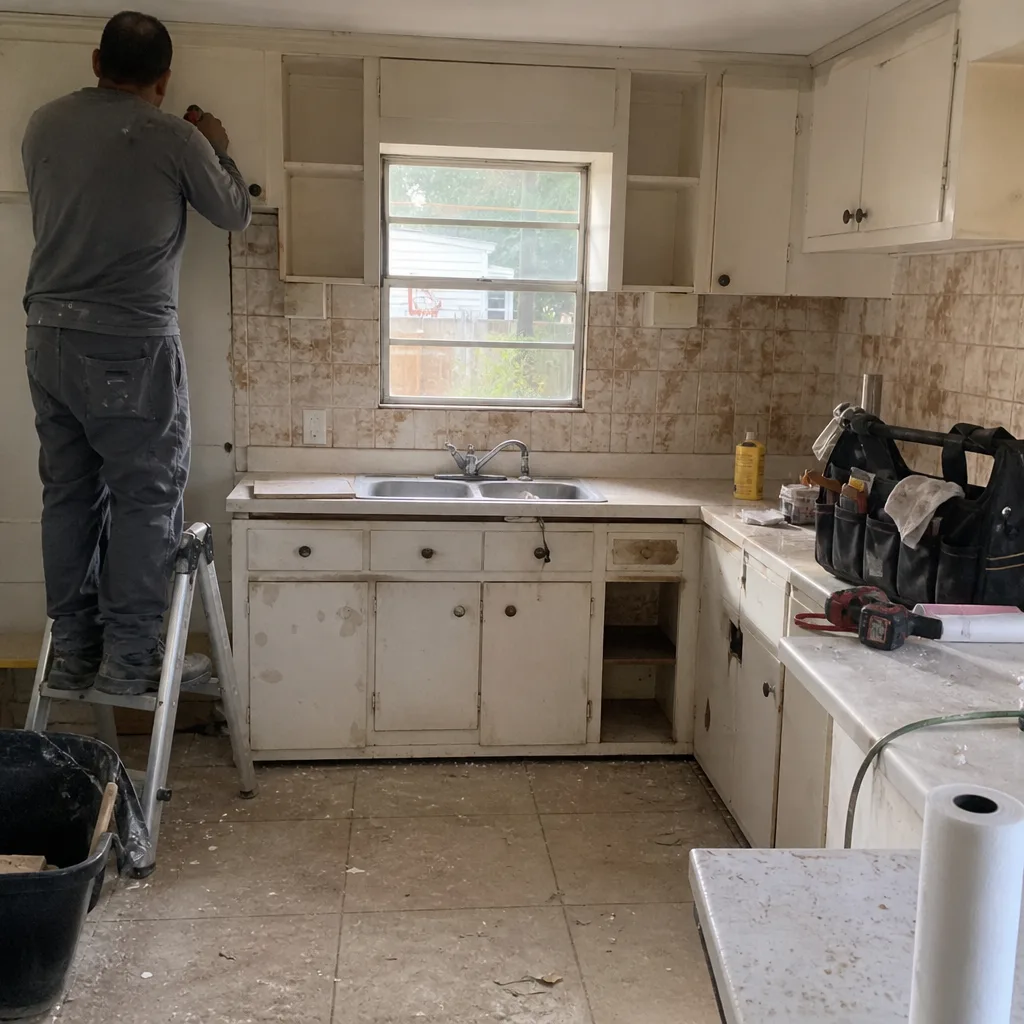
See the difference
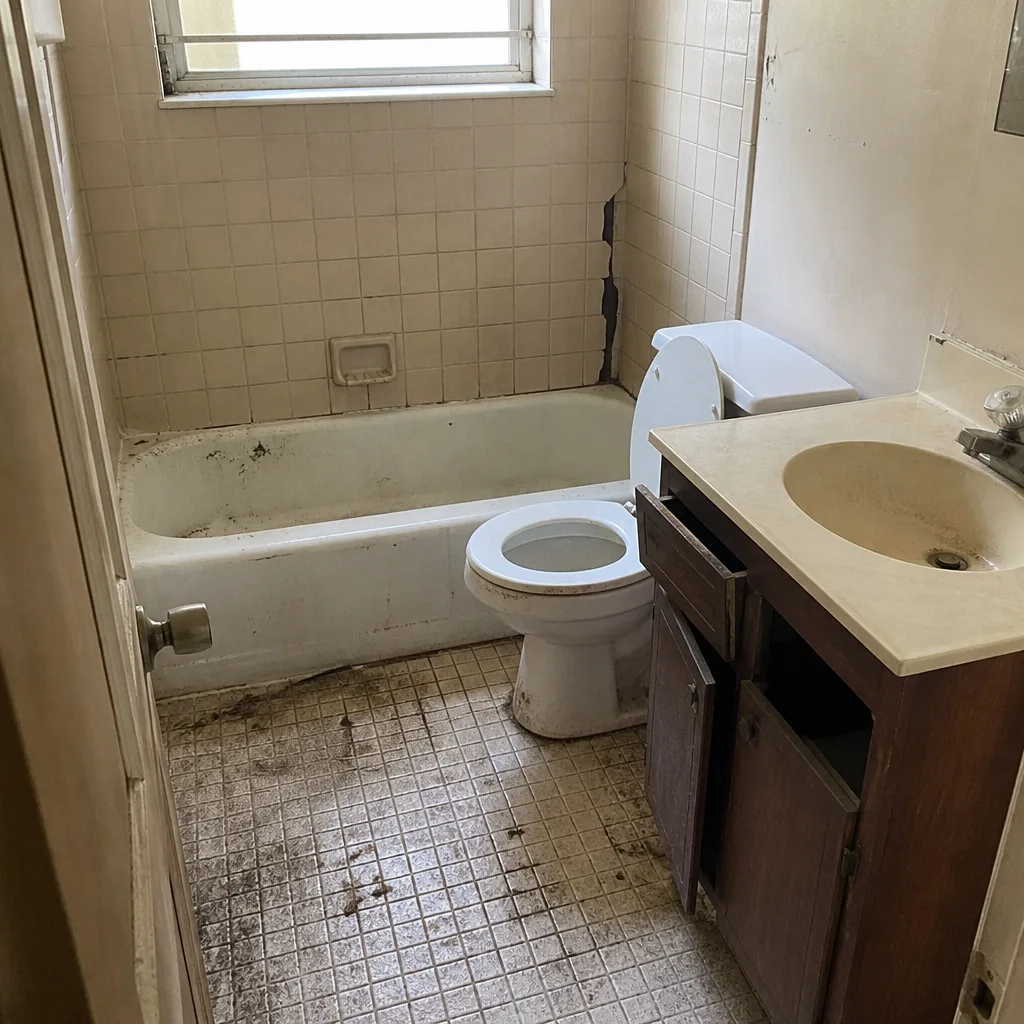 Before
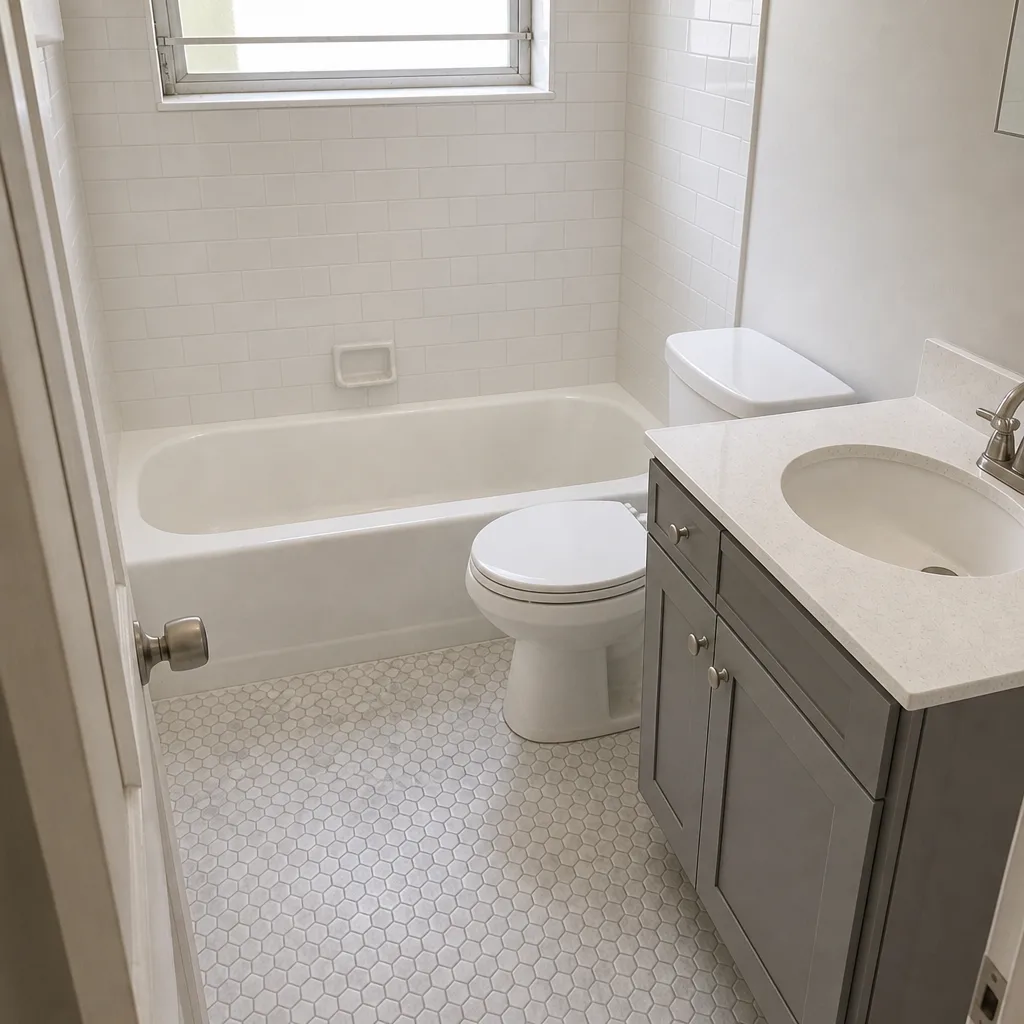 After
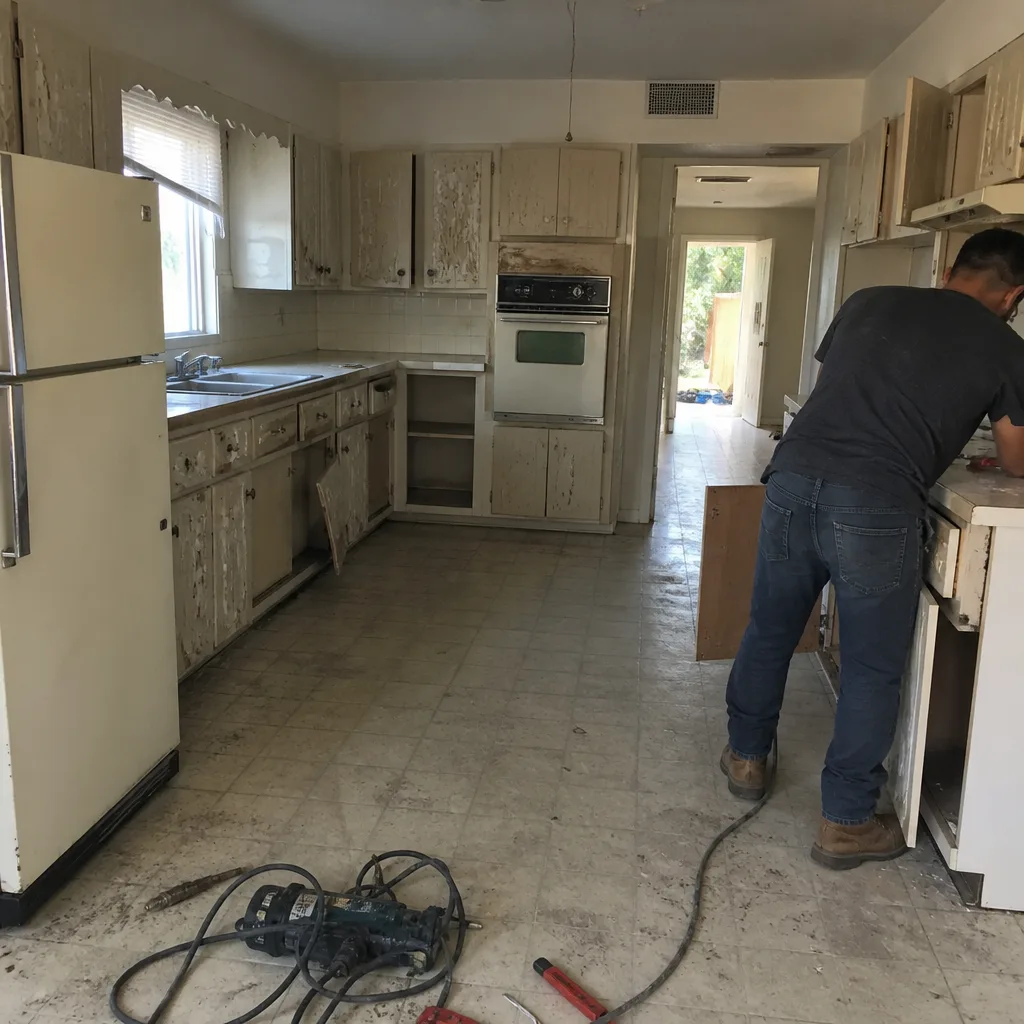 Before
 After
 Before
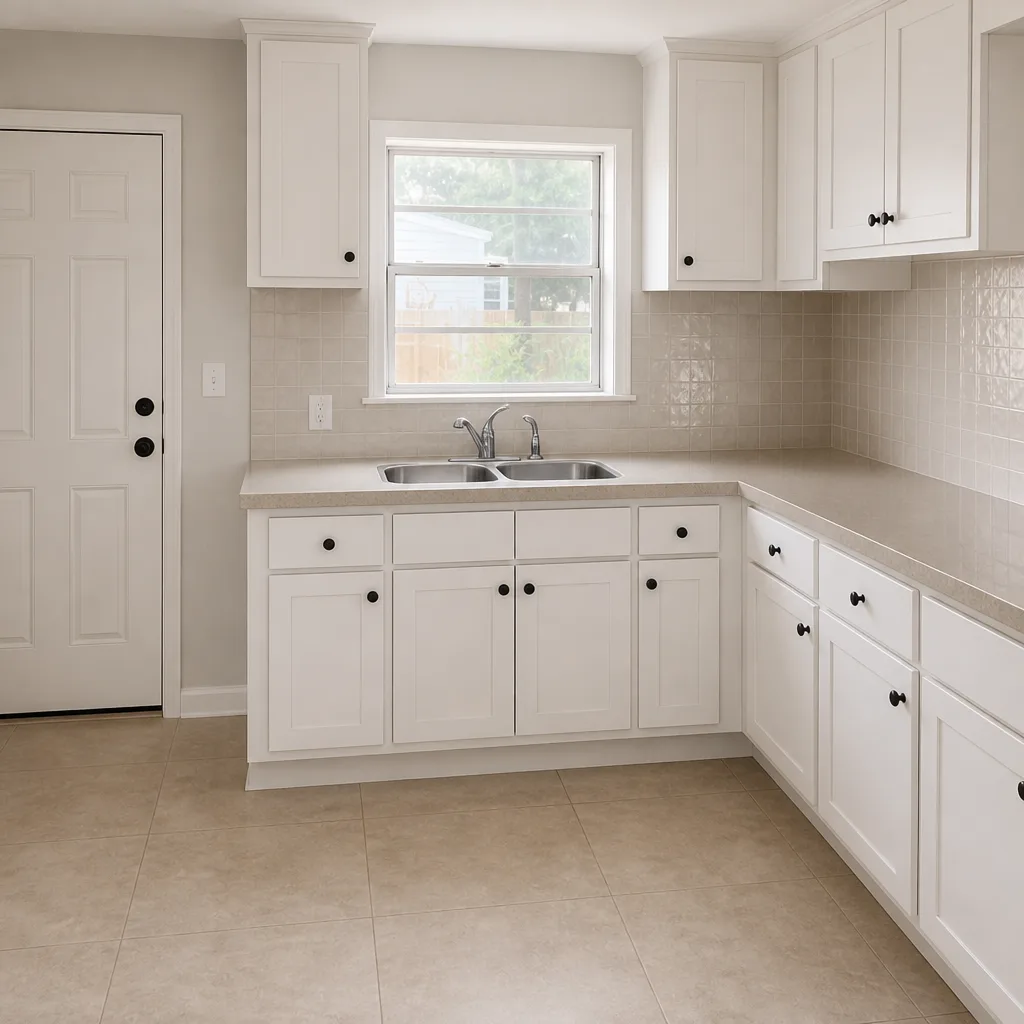 After
When to Call a Professional
Call a professional the moment any of these is true: your contractor is stonewalling a walkthrough request, a permit is missing or inspections were skipped, materials arrived that don’t match your written quote, or a water stain has appeared near a new fixture. Those aren’t signs to sleep on. If you’re mid-project with a contractor you no longer trust, an independent evaluation now, before the drywall closes, is far cheaper than a repair after it does. If you’re planning a North Miami remodel and want the price and the guarantee in writing before a single cabinet is pulled, Penhallow Remodeling North Miami offers free estimates in North Miami. Call (888) 255-7411 and a real person answers, day or night.
Frequently Asked Questions

A missing permit or a skipped inspection is the single biggest warning sign. Everything else can often be corrected on site, but a skipped inspection on plumbing, electrical, or structural work means a defect is about to get buried behind drywall with no independent review. If the permit isn’t posted, ask for the number and confirm it through your city’s portal before work moves forward. Call (888) 255-7411 for a free second opinion if you’re unsure.
Kitchen remodels in North Miami typically run $18,000 to $55,000 depending on layout, cabinet line, and countertop material. A modest galley kitchen with stock cabinetry sits near the bottom of that range, while an open-plan layout with Cambria quartz, semi-custom cabinetry, and new appliances runs toward the top. The number that matters is the written one you receive before any work starts, not the verbal estimate given at the kitchen table. Call (888) 255-7411 for a free written estimate.
The price should only change if you sign a written change order for work you approved in advance. A legitimate price change is always written, always priced, and always signed before the work happens. If invoices start drifting above the written price without signed change orders, that’s a red flag and it’s worth addressing immediately. Our written price on day one is the number on the invoice, and you can call (888) 255-7411 to talk through how that works on your project.
Yes, permitted work gets pulled and inspections get scheduled and passed as part of the job. In North Miami, most kitchen and bathroom remodels that touch plumbing, electrical, or structural framing require permits, and the inspections happen at specific stages before drywall closes. We put the permit number and inspection schedule in writing before work starts. Call (888) 255-7411 to schedule a free estimate and talk through what your project will require.
A typical bathroom remodel in North Miami takes three to six weeks from demo to final walkthrough, depending on tile complexity, fixture lead times, and whether the layout is changing. A cosmetic refresh (new tile, fixtures, and paint) sits closer to the three-week end. Moving plumbing or changing the footprint pushes it toward six weeks or beyond. Humidity slows curing times in South Florida, so a job that runs tight in a dry climate can take a few extra days here. Call (888) 255-7411 for a free written estimate with a real timeline.
It should be fixed at no charge, and the guarantee should say so in writing. A repair that fails in the first year is almost always a sign of an underlying issue, so a good contractor returns to diagnose rather than just patch. If your current contractor won’t come back to look, that’s the clearest sign yet that the guarantee was never real. Call (888) 255-7411 to schedule a free second visit with us.
The Bottom Line
The warning signs that matter most appear mid-project, when leverage has shifted and walls are open. Watch for a missing permit, subcontractors who don’t know the scope, skipped inspection calls, materials that don’t match the written quote, and cash draws ahead of schedule. Check the substrate before tile and drywall go up. Watch the first 90 days for grout cracks, sticking doors, and water stains near new fixtures. When something feels off, raise it calmly, ask for a walkthrough, and confirm the resolution in writing. A written price and a written guarantee are the two things that make the whole conversation possible. If you’re in North Miami and want both before work starts, that’s exactly how we work.
Penhallow Remodeling North Miami is a general contractor serving homeowners who need kitchen remodeling, bathroom remodeling, and whole-home remodels. Every project comes with a written price before work starts, background-checked and uniformed technicians, and the Kingswell 365-Day Done Right Promise. Live phone coverage answers 24/7. Call (888) 255-7411 for a free estimate.
Written by the team at Penhallow Remodeling North Miami.