
Last updated November 17, 2026








Free written scope consultation - allowances, timeline, and change-order rules on paper before a single trade is scheduled
How Long Does Home Remodeling Take? Timelines and What to Expect
A kitchen remodel quoted as “three weeks” in conversation often runs six weeks on the calendar. Not because anyone lied, but because “three weeks” meant fifteen working days, and nobody mentioned the four-day permit inspection window sitting in the middle of them, or the six weeks the cabinets needed before they ever reached the driveway. The homeowner counted calendar days. The contractor counted workable days. Both were being honest, and both were using a different clock.
This guide teaches you to read the real schedule. You’ll learn how working days, calendar days and permit hold days differ, what each room actually takes in North Miami, where Miami-Dade’s permitting timeline fits in, and how a written project schedule lets you hold a contractor accountable instead of guessing. By the end you’ll know how to ask the question that gets a straight answer: not “how long will it take,” but “how many working days, and which calendar weeks?”
Quick Answer
A bathroom remodel typically takes 2 to 5 weeks of calendar time, a kitchen 5 to 10 weeks, a room addition 3 to 6 months, and a whole-house remodel 4 to 9 months. The biggest variables are not labor speed but permit and inspection windows, material lead times, and how quickly you make finish selections. In North Miami, add roughly 2 to 6 weeks to the front of any permitted project for Miami-Dade plan review and inspections before demolition even begins.
Styles & brands we work with
- Kitchen remodeling
- Bathroom remodeling
- Home additions & ADU
- Roofing
- Windows & doors
- Driveway & pavers
- Fence
Table of Contents
- Working Days vs. Calendar Days: The Clock That Trips Everyone
- The Miami-Dade Permit Timeline, Explained Plainly
- Honest Room-by-Room Timelines
- The Three Homeowner Decisions That Add Weeks
- What a Written Schedule Should Contain
- How to Use the Schedule to Hold a Contractor Accountable
- Common Mistakes to Avoid
- When to Call a Professional
Working Days vs. Calendar Days: The Clock That Trips Everyone
Here’s the gap that causes most remodeling frustration, and it isn’t dishonesty. When a contractor says “that’s about three weeks of work,” they mean roughly fifteen working days of labor by the crews on site. When you hear “three weeks,” you picture twenty-one calendar days from Monday to the Friday three weeks out. Those two numbers rarely match, because calendar time carries all the days nobody is swinging a hammer.
On a real North Miami project, the schedule has three kinds of days, and only one of them involves visible progress:
- Working days. Crews on site, work moving. Demo, framing, rough-in, tile, paint, trim. This is the number a contractor quotes.
- Hold days. Nothing happens on site because something has to be signed off first: a permit inspection, a materials delivery, an engineering review. These are real, necessary, and invisible in a verbal quote.
- Cure and dry days. Thinset, grout, joint compound and concrete all need time to set before the next layer goes on. Skip them and you get cracked tile and popped seams, so they can’t be rushed.
A bathroom that takes “eight working days” of tile and finish work can easily sit on the calendar for four weeks once you add a rough-in inspection, two days of grout cure, and a fixture delivery that slipped a week. That’s not a contractor being slow. That’s the difference between a working-day count and a calendar reality, and every honest quote owes you both numbers. When you ask a North Miami remodeler for a timeline, ask for working days and the calendar weeks they fall in.
The Miami-Dade Permit Timeline, Explained Plainly
Miami-Dade County runs one of the slower permitting processes in South Florida, and it’s the single biggest reason a North Miami project feels like it stalls before it starts. Homeowners routinely expect a permit to take a few days and are surprised when plan review alone eats weeks. This is why we build permit time into the schedule from day one rather than discovering it mid-project.
Here’s roughly how the permit clock runs on a typical North Miami renovation, and why each stage matters:
- Plan preparation and submittal. Drawings and product specs are assembled and submitted to Miami-Dade. A week or two depending on the scope and how complete the drawings are.
- Plan review. The county checks the plans against the Florida Building Code and the High-Velocity Hurricane Zone (HVHZ) wind-load requirements that apply across Miami-Dade. This is where most of the wait lives, and it can run several weeks. Incomplete submittals get kicked back and the clock restarts, which is why sloppy drawings cost homeowners the most time.
- Permit issuance. Once review clears, the permit is issued and work can legally begin.
- Inspections along the way. Rough framing, electrical, plumbing, and mechanical each get inspected before they’re covered up. There’s usually a scheduling window to get an inspector out, so each inspection is a hold day on the calendar.
Two North Miami specifics push toward the longer end. First, HVHZ requirements mean any exterior or structural work gets a harder look than in most of the country, so plans take longer to approve. Second, older housing stock in areas like the North Miami neighborhoods near 125th Street and the Biscayne Boulevard corridor often turns up unpermitted past work that has to be corrected and brought to code before the county will sign off on new work. That discovery can add weeks, and it’s exactly the kind of thing a contractor should be looking for during the estimate rather than after demo. Pulling permits and passing inspections is non-negotiable for us, and we tell you up front what that timeline looks like. For the full scope of what permitted general contracting involves in this city, see our page on general contracting in North Miami.
Honest Room-by-Room Timelines
Range is the honest answer, because two bathrooms with the same square footage can differ by weeks depending on what’s behind the wall and what you choose to install. The numbers below are calendar time, including the hold days, for a typical North Miami job. The variables are what push each one long.
Bathroom remodel: 2 to 5 weeks. A straightforward vanity-and-tile refresh can finish near the short end. It stretches toward five weeks when the layout moves (relocating a drain, adding a shower valve), when a permit inspection sits mid-project, or when you upgrade to a custom glass enclosure or a freestanding tub that has to be ordered. A full gut with new plumbing rough-in is a five-week job, not a three-week one. For the details that shape the schedule, see bathroom remodeling in North Miami.
Kitchen remodel: 5 to 10 weeks. This is the room where material lead times matter most. Semi-custom cabinetry from lines like KraftMaid or Wellborn commonly runs several weeks from order to delivery, and the cabinet order can’t be placed until the layout is final and often until field measurements are confirmed. Cambria or Silestone countertops are templated after cabinets are set, then fabricated, which adds another stretch between cabinet install and counter install. Push toward ten weeks when you’re moving plumbing or gas, changing the layout, or picking a countertop with a longer fabrication queue. The variables behind a kitchen quote are laid out in kitchen remodeling in North Miami.
Full addition: 3 to 6 months. Additions combine everything slow: structural plan review, HVHZ wind-load engineering for the new roof and walls, foundation cure time, framing, inspections at every stage, and then the finishes. The permit and engineering phase alone can consume weeks before the first footing is dug.
Whole-house remodel: 4 to 9 months. This is a sequence of smaller projects under one permit, each with its own inspection and material lead time. Older North Miami homes also tend to reveal electrical, plumbing or structural issues behind the walls that expand scope and calendar time.
The Three Homeowner Decisions That Add Weeks
In our experience, the delays homeowners blame on the contractor are more often delays the project inherited from a decision that sat unmade. These three are the usual suspects, and all three are within your control.
- Finish selection delays. Every crew step waits on a material you haven’t chosen yet. Tile can’t be set until the tile is picked and delivered, cabinets can’t be ordered until the door style and finish are locked. The fix is simple and hard: make every finish decision before demo day, in writing, so ordering can start the moment it’s legal.
- Change orders mid-project. A “small” change after work has started doesn’t just add the cost of the change. It re-sequences everything downstream and can push a cabinet or countertop order to the back of the fabrication line. Each change order can add days to weeks depending on what it touches.
- Slow material approvals. This one hides inside the schedule. Cabinets, counters, and special-order fixtures all require a sign-off on the exact product and finish before they’re ordered. If your approval email sits in an inbox for a week, the material sits a week, and the calendar slides a week.
The pattern is the same in every North Miami project we’ve run: the contractor controls working days and hold days, but the homeowner controls the order-and-approval clock. Getting your selections done early is the single biggest lever you have over your own timeline. A good remodeler will prompt you with a decision deadline before each phase so nothing waits on a choice you didn’t know was due.
What a Written Schedule Should Contain
A verbal timeline is a guess with a friendly tone. A written project schedule is a document you can point to when something stalls. Before work begins, you should be holding a schedule that shows you real dates, not just phases. Here’s what it needs to include:
- Calendar dates for each phase, in order: demo, rough-in, inspections, drywall, cabinets, counters, tile, paint, punch list. Not “week of” if you can get specific days.
- Working-day counts alongside the calendar weeks, so you can see where hold days sit and understand why a job that’s “eight working days” of a phase stretches across two calendar weeks.
- Hold days called out explicitly: permit review, each inspection window, and material delivery dates. These are the days the site will be quiet, and you deserve to know them in advance.
- Decision and approval deadlines for your finish selections, with the date each needs to be locked so ordering stays on time.
- Arrival windows, not vague “mornings.” A real arrival window means a crew tells you when it will arrive and shows up in it, and if that slips you have a written thing to point to.
The written schedule is part of the same discipline as the written price. Under the Kingswell Guarantee, every job gets a written price before any work starts, the number on day one holds on the invoice, and the schedule is set the same way. We’re part of the Kingswell family of companies, operating to The Kingswell Way since 2004: say the price before the work, show up in the window we gave, and leave the place cleaner than we found it. Each location is independently owned and operated, and the point of the standard is simple: you shouldn’t have to guess.
How to Use the Schedule to Hold a Contractor Accountable
A schedule only protects you if you use it. The homeowners who get the smoothest remodels are the ones who check the written schedule at the start of each week and ask one plain question: are we on the days we planned? Here’s how to turn the schedule into real accountability without turning into the project’s manager.
- Compare actuals to plan weekly. Each Monday, look at what the schedule said should happen that week and compare it to what’s actually happening. Small slips happen. A phase that’s a week behind plan is a conversation worth having early.
- Ask which hold day caused a slip. When something misses the day, ask whether it was a working day lost, a hold day that ran long, or a decision waiting on you. The answer tells you who owns the fix.
- Insist on the arrival window in writing. If a crew is due, the arrival window is the commitment. On our projects, background-checked, uniformed technicians show up in the window they gave, and that consistency is the same standard on every job.
- Keep your own decisions on the clock. Hit the approval deadline the schedule gives you. The homeowner’s side of accountability is making the choices on time.
- Document everything in writing. Photos, dates, and texts. If the schedule needs to change, a written change order explains why and how far it moves the dates.
That last point connects to the guarantee. Our 365-Day Done Right Promise is written on every project: if the work fails inside the guarantee period, we come back and fix it at no charge, and there’s a free second visit if the repair fails, so you’re not paying a service call or re-inspection fee. A written schedule and a written guarantee are the same idea applied to time and to quality. When a contractor puts both on paper, you’re no longer hoping the work goes well. You have a document to stand on. And if you’re evaluating a remodeler across the greater North Miami home services market, the willingness to put things in writing is the fastest way to tell serious operators from the rest.
Common Mistakes to Avoid
- Accepting a verbal timeline. “About three weeks” means nothing you can measure. Ask for working days, calendar weeks, and the hold days in between, in writing, before you sign.
- Underestimating Miami-Dade permit time. Homeowners who expect a permit in days are shocked when plan review alone eats weeks. Build permit time into your expectation from the start, and remember HVHZ wind-load review adds to it in this county.
- Choosing finishes after demo starts. The moment walls are open the clock is running and every unmade choice is a hold day you created. Pick and approve every finish before work begins.
- Spotting leaks and mold after demo. North Miami’s summer rain and humidity find their way into older walls, and once demo opens the structure you may find water damage that has to be corrected first. Budget for a surprise or two in older homes.
- Letting a change order slide. Every mid-project change re-sequences the crew and the material orders. Write it down, price it, and account for its days on the schedule.
- Choosing a bid on price alone. The cheapest verbal bid that grows after demo day costs more in patience than the written bid that was honest on day one. Compare written scopes, not verbal ballparks.
- Buying materials from the cheapest source without checking lead times. A bargain tile that ships in six weeks is a six-week delay sitting in your cart. Confirm delivery dates before you commit.
When to Call a Professional
Some remodeling work belongs in the hands of a licensed professional, and a few situations are more than a homeowner should take on. Any work that needs a permit, moves plumbing or gas, opens exterior or structural walls, or touches the electrical panel should go to a licensed general contractor, both because the code requires it and because Miami-Dade’s HVHZ requirements for wind resistance are unforgiving of shortcuts. Older North Miami homes that turn up unpermitted past work or water damage behind the walls are best evaluated by a professional before you spend on finishes that will have to come back out. If a project’s schedule matters to your plans, a professional’s written timeline and price will also tell you whether the scope is realistic. Penhallow Remodeling North Miami offers free estimates in North Miami – call (888) 255-7411 to schedule yours.
See the difference
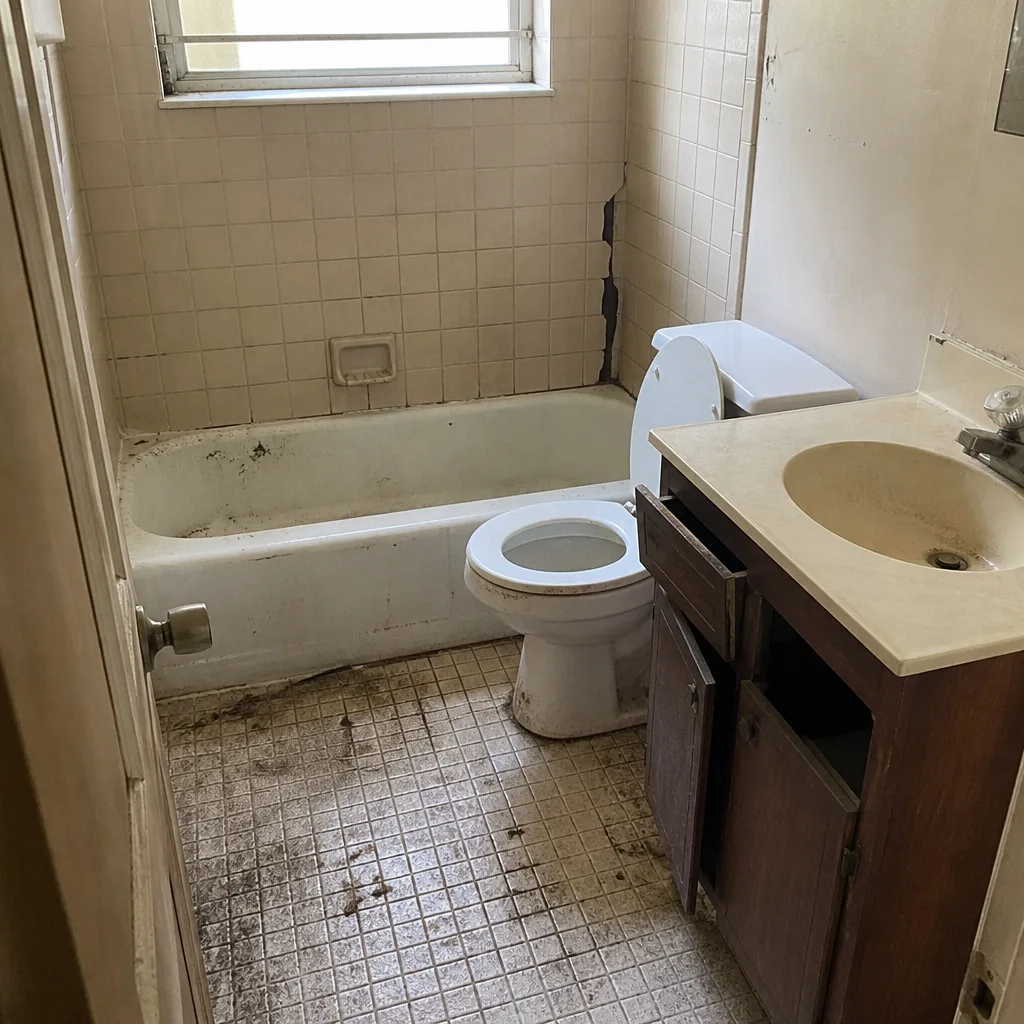 Before
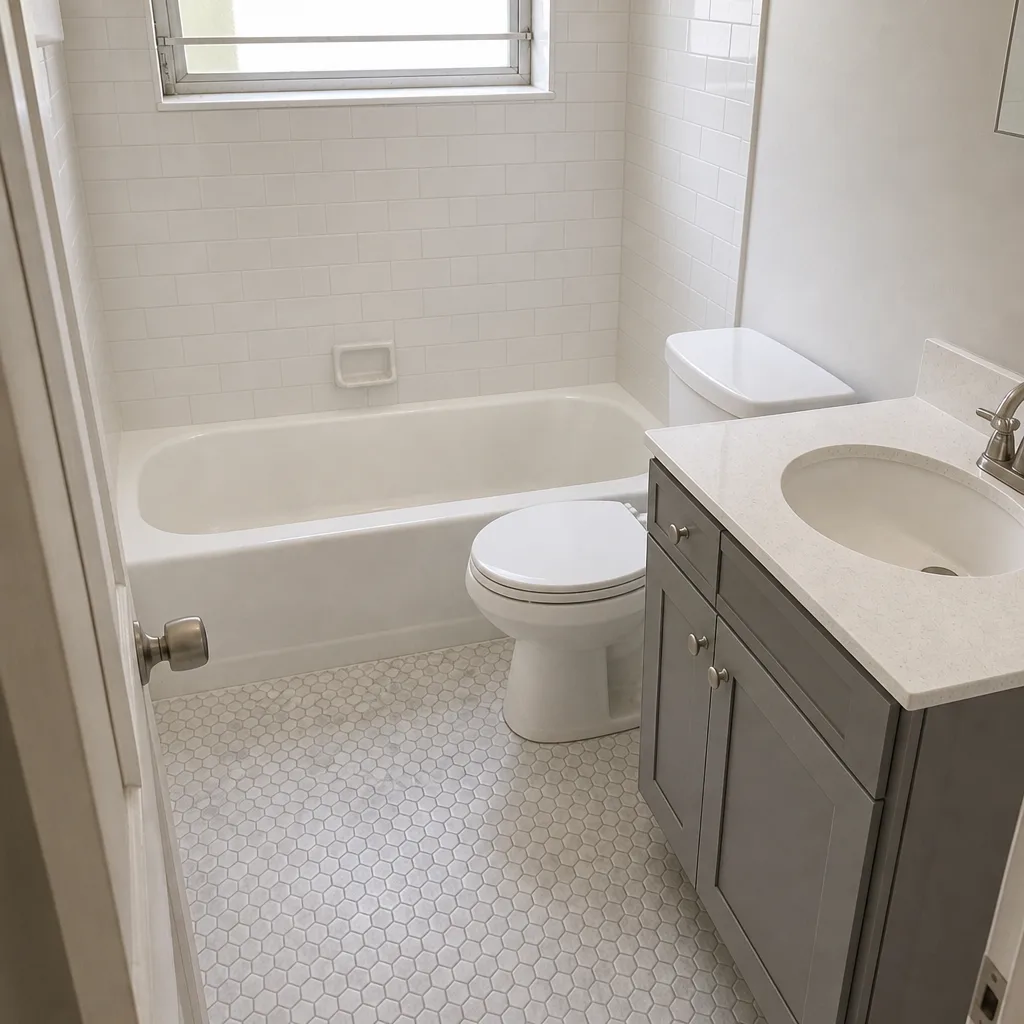 After
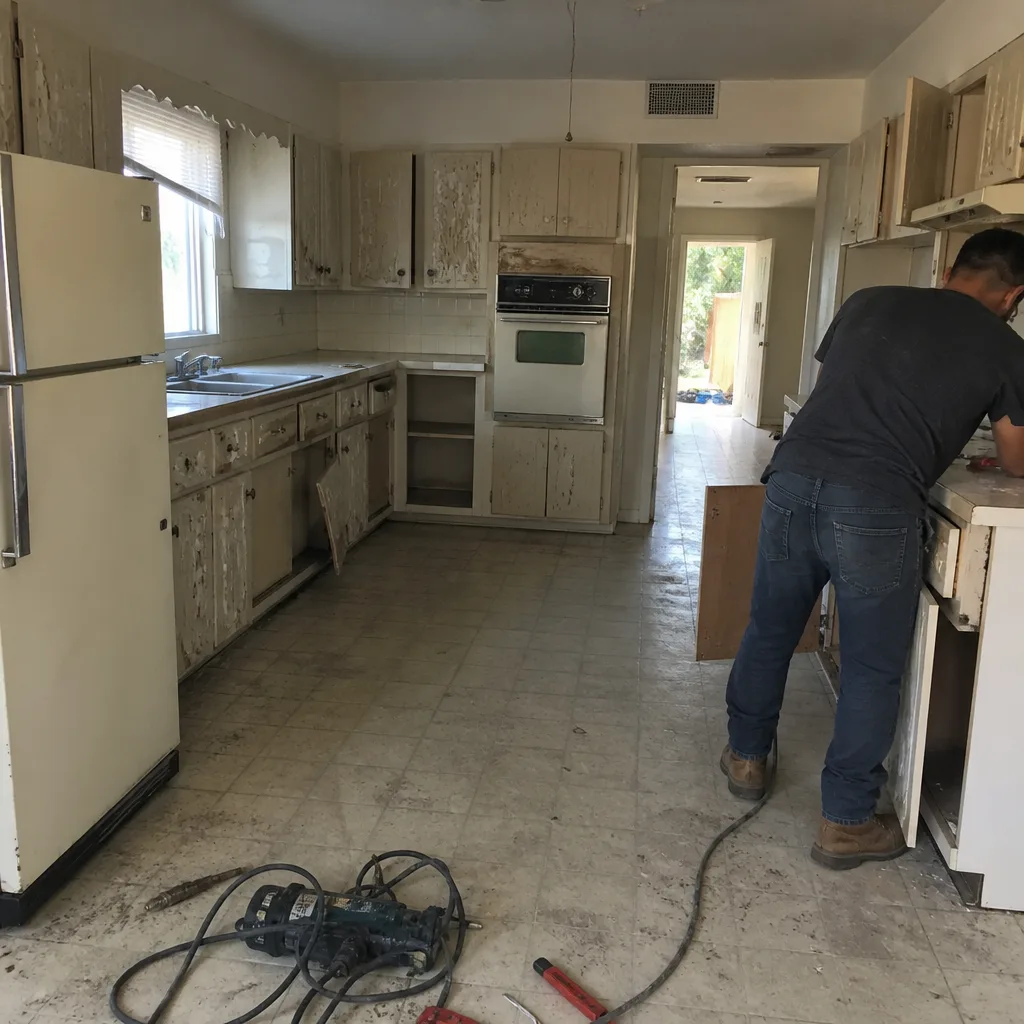 Before
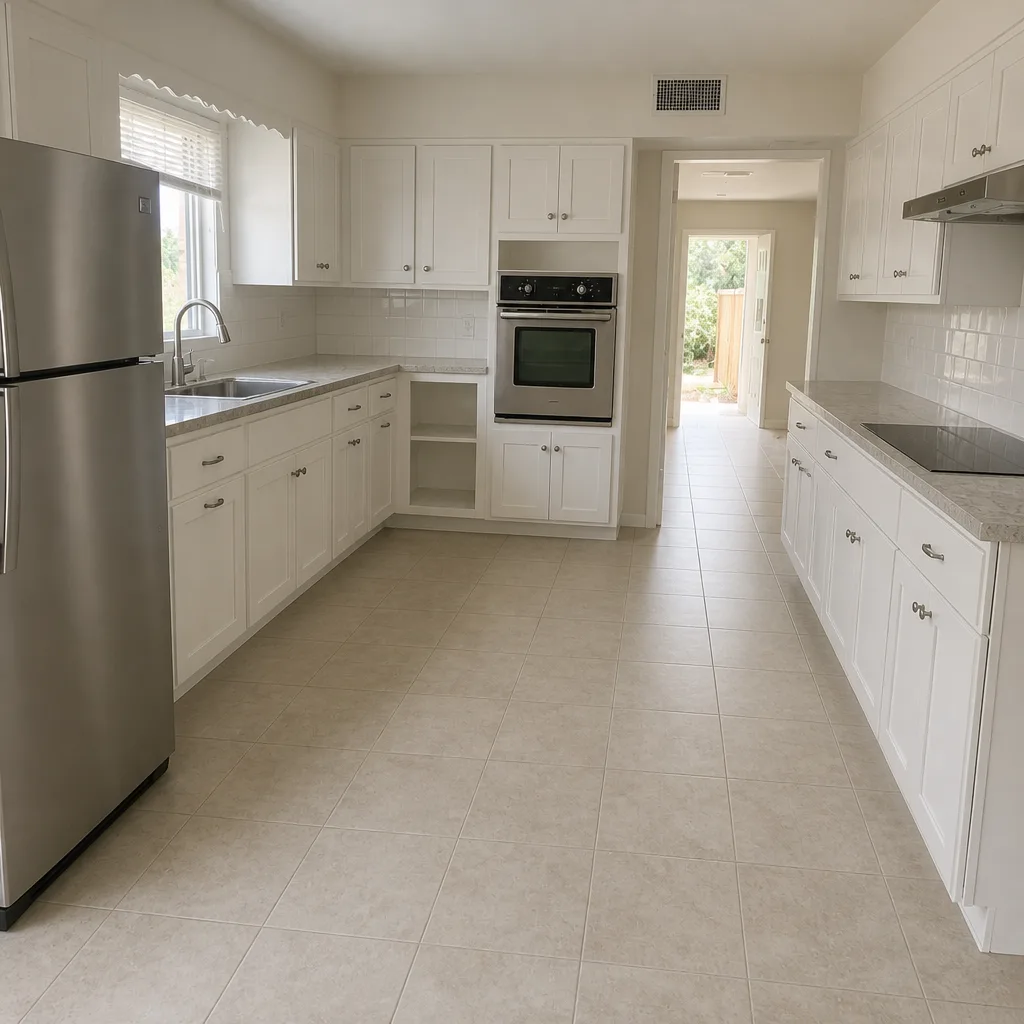 After
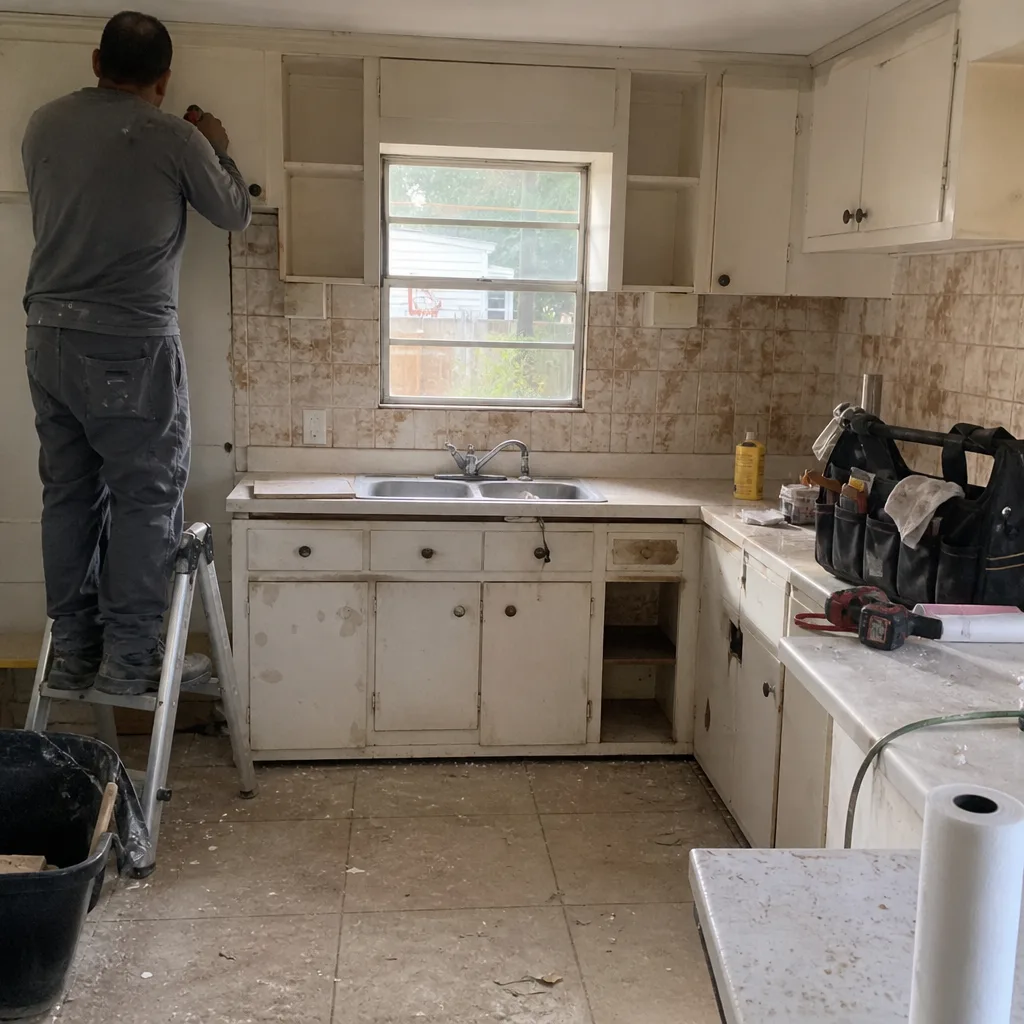 Before
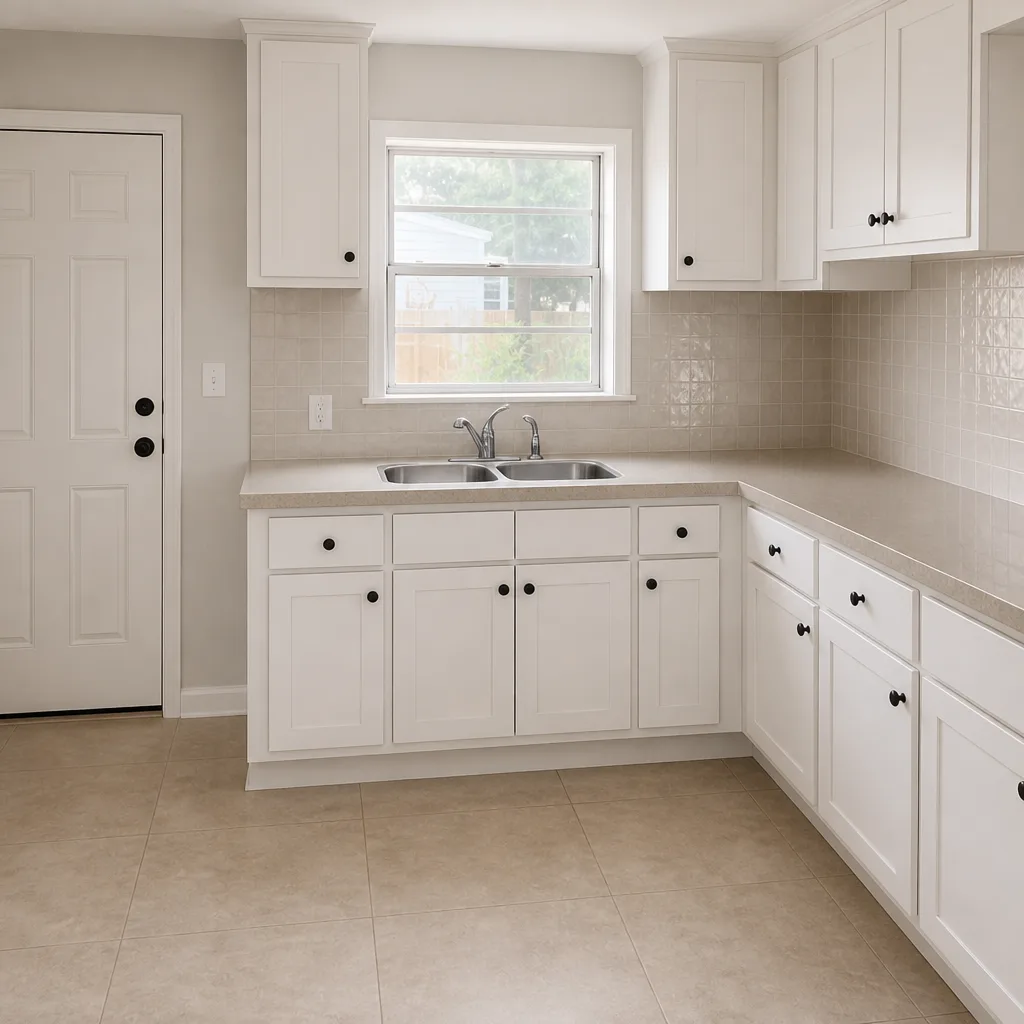 After
Frequently Asked Questions

From the first permit submittal to the final punch list, a kitchen or bath typically runs about 2 to 10 weeks of construction plus 2 to 6 weeks of permit and plan review in Miami-Dade, while additions and whole-house projects take months. The construction phase is the short part; the permit, ordering and approval phases are where most of the calendar time hides.
Because “three weeks” meant fifteen working days and the calendar included hold days nobody mentioned: a permit inspection window, a material delivery, a cure period. Adding permit, inspection and material days to fifteen working days routinely doubles the calendar time. The fix is asking for working days and calendar weeks separately in writing before work starts.
Plan review and permit issuance commonly add about 2 to 6 weeks before demolition can begin, and longer if plans get kicked back or past unpermitted work has to be corrected. Miami-Dade is one of the slower permitting jurisdictions in South Florida, and the High-Velocity Hurricane Zone review for structural or exterior work adds time. We build that window into every North Miami schedule up front.
It shouldn’t. With a written price before work begins, the number on day one is the number on the invoice, and the only price changes come from a change order you approve in writing for work that was never in the original scope. Be wary of a verbal estimate that “may change at the door” – that’s a price without a commitment. Call (888) 255-7411 for an exact quote – estimates are free.
Yes. Permits are pulled and inspections passed as part of the job, and the schedule you receive lists each inspection window so you know when the site will be quiet. We don’t ask homeowners to chase the county. For the full permitted-general-contracting picture, see our North Miami general contractor page.
Lock every finish decision before demo and approve each material the day the approval is due. In our experience, the homeowner side of the schedule – selections and approvals – is the single biggest lever you control. Make the choices on time and you remove the most common cause of a slipping calendar. To talk through your project timeline, call (888) 255-7411 for a free estimate.
The Bottom Line
Remodeling timelines don’t slip because contractors are slow. They slip because homeowners count calendar days and contractors count working days, and the days in between – permits, inspections, material lead times, cure windows – belong to neither clock but still eat the calendar. Read the schedule the way you’d read a price: demand it in writing, with calendar dates, working-day counts, hold days spelled out, and your own decision deadlines marked. In North Miami, budget extra weeks for Miami-Dade plan review and HVHZ requirements, choose finishes before demo, and treat the schedule as a document you can hold someone to. That’s the entire secret to a remodel that finishes when it was promised.
If you’d like a written price and a written schedule before any work starts – backed by the 365-Day Done Right Promise and a real person answering the phone any hour – call (888) 255-7411 for a free estimate in North Miami. We’ll hand you the number and the timeline in writing, and you can decide from there.
Written by the team at Penhallow Remodeling North Miami.