
Last updated November 17, 2026








Free written scope consultation - allowances, timeline, and change-order rules on paper before a single trade is scheduled
How Long Does General Contractor Take? Timelines and What to Expect
A North Miami kitchen remodel that runs eight weeks in September can stretch to fourteen if it breaks ground in January. Nothing about the carpentry changed. Every other homeowner on your block had the same idea at the same time. In this guide we walk through what actually sets the clock on a remodeling project in North Miami, from the Miami-Dade permit queue to hurricane-rated material lead times, and how to read a contractor’s schedule so you can tell a real timeline from a wishful one.
Quick Answer
Most North Miami remodeling projects run four to eight weeks for a bathroom, eight to sixteen weeks for a kitchen, and four to eight months for a whole-home remodel. The size of the job matters, but in Miami-Dade the permit review queue, subcontractor availability during snowbird season, and lead times on impact-rated products often move the finish date more than the scope does.
Styles & brands we work with
- Kitchen remodeling
- Bathroom remodeling
- Home additions & ADU
- Roofing
- Windows & doors
- Driveway & pavers
- Fence
Table of Contents
- What Does the Miami-Dade Permit Timeline Actually Look Like?
- How Does Season Change Your Timeline in North Miami?
- How to Read a Contractor’s Schedule Before You Sign
- What Real Delays Look Like vs. Red Flags
- Why a Written Arrival Window Matters
- What to Do When a Milestone Date Slips
- Rough Timelines by Project Type
What Does the Miami-Dade Permit Timeline Actually Look Like?
Permits are the first thing that moves your schedule, and they’re the thing national timeline guides leave out. Miami-Dade County splits permits into two tracks: over-the-counter (OTC) permits that get reviewed while you wait, and plan-review permits that go through a formal queue. Knowing which one your project lands in tells you more about your start date than the size of the room.
In our experience, OTC permits for a bathroom remodel typically clear in a few days at the county office, assuming the drawings are clean and the scope is cosmetic to moderate. A kitchen remodel that shifts plumbing or moves a load-bearing wall needs plan review, and that review typically runs four to eight weeks. Whole-home remodels that touch the building envelope – impact windows, structural changes, additions – sit in plan review plus a resubmittal cycle if the reviewer asks for revisions, which can add another couple of weeks.
Here’s what the two tracks look like side by side:
- Over-the-counter permits: cosmetic bathroom work, like-for-like cabinet swaps, minor electrical. Typically a few business days for review.
- Plan-review permits: plumbing relocation, wall removal, additions, envelope work. Typically four to eight weeks, longer if the county requests changes.
- Resubmittals: add one to three weeks each time the plan comes back with comments.
If a contractor tells you a plan-review project will start in two weeks, ask which permit track it’s on and whether the drawings are already stamped. The answer will tell you whether they’ve actually looked at your job or just quoted you a number to win the bid.
How Does Season Change Your Timeline in North Miami?
South Florida runs on a seasonal rhythm that reshapes schedules. From roughly November through April, snowbirds return, permits get pulled against the same county queue, and every reputable tile setter, cabinet installer, and electrician is booked weeks out. A kitchen that would have taken eight weeks in September often stretches to twelve or fourteen when it starts in January. The scope is identical. The labor market isn’t.
Two more local forces expand timelines:
- Rainy season (roughly May through October): concrete cure times stretch when humidity is high and afternoon storms roll through. Slab work, patio pours, and any exterior concrete need days of open weather, and skipping the cure because the calendar says move on is how you get cracks six months later.
- Hurricane prep and named-storm weeks: even a storm that misses Miami still shuts job sites down for days of prep and cleanup, and suppliers reroute deliveries to the coast. Schedule a two-week buffer around the peak of August and September if you’re planning exterior work.
Material lead times also swing. Impact-rated windows and doors – the PGT and similar lines most North Miami homeowners choose – are often built to order and can add four to eight weeks depending on the manufacturer and the size of the order. Roofing products like Atlas shingles and Tamko underlayment are usually stock, but hurricane-strap hardware and specific flashing profiles can be back-ordered in the weeks after a busy storm season. When we write a schedule, we build these windows in on the front end so the finish date isn’t a surprise.
How to Read a Contractor’s Schedule Before You Sign
A written schedule is only useful if the milestones behind it are real. Placeholder dates are easy to spot once you know what to look for. A realistic schedule reads like a chain of dependencies – permit date pulls before demo, demo finishes before rough-in, rough-in inspection passes before drywall – while a bid-winning schedule reads like a list of dates that look impressive but don’t connect to anything.
Here’s how to tell them apart:
- Look for inspection milestones. Rough-in electrical, plumbing, and framing get inspected in Miami-Dade before wallboard goes up. A schedule that skips these is a schedule that hasn’t been built by someone who’s done this job before.
- Check the lag between permit issuance and demo day. Real schedules build in a few days for material staging and dumpster delivery. Placeholder schedules jump from permit to demo in 24 hours.
- Confirm long-lead items are called out. Cabinetry from KraftMaid or Wellborn, quartz from Cambria or Silestone, and specialty tile usually carry four to eight weeks of lead time. A schedule that doesn’t show material lead time is telling you it hasn’t priced the order yet.
- Ask what happens if a milestone slips. A contractor who can name the sequencing plan when one step runs long has actually thought about your project. A contractor who shrugs is quoting from a template.
- Match the schedule to the contract. The written arrival window in your contract should align with what the schedule says. If those two documents don’t agree, one of them isn’t real.
This is where the Kingswell Way matters in practice: say the price before the work, show up in the window we gave, leave the place cleaner than we found it. A written schedule is one half of that promise; a written price is the other.
What Real Delays Look Like vs. Red Flags
Every project encounters some friction. The question is whether the friction is normal – weather, inspection timing, a back-ordered hinge – or a signal that your contractor is stretched too thin across too many jobs. Homeowners who’ve been burned once learn to read the difference quickly, and it’s worth knowing before you sign.
Legitimate delays:
- A week of rain in June pushes back the concrete pour by five days. The contractor tells you the new date, explains the reason, and adjusts the downstream milestones.
- The county asks for a revision on the plan review. The contractor submits the change and adds the correct number of weeks to the schedule.
- A specific cabinet door arrives damaged. The replacement is ordered and tracked, and you get the new arrival date in writing.
Red flags:
- The crew shows up two days a week on a job that was quoted as full-time. That pattern usually means your project is sharing a crew with three others.
- The foreman can’t tell you what’s happening next week. Someone who runs a real schedule knows the next milestone at any point in the job.
- Material hasn’t been ordered when demo is finishing. That means the contractor was holding your deposit for cash flow, not for your cabinets.
- The price starts drifting. A remodel that lands on day one at one number and grows every week is a pricing problem, not a scheduling problem, but it almost always shows up as a schedule problem first.
We’ve watched homeowners in neighborhoods like Keystone Point and Arch Creek pay for a scheduling lesson they didn’t need to learn. A written milestone schedule and a written price before work starts eliminate most of this.
Why a Written Arrival Window Matters
A defined arrival window is a small thing that carries a lot of weight. When the contract says the crew is on site at 7:30 a.m. on a specific day, you can plan around it. When the contract says “we’ll be there sometime that week,” you can’t. That difference is the entire point: it’s measurable accountability, and it’s the standard The Kingswell Way was built around.
Written into every project we take on, the Kingswell Guarantee requires four things: a written price before any work starts, a defined arrival window, a clean job site, and a written guarantee on the work. On top of that sits the 365-Day Done Right Promise – if something we did fails in the first year, we come back and fix it at no charge. The free return visit if a repair fails is part of that same commitment, no service call fee, no re-inspection charge.
Why this matters for a timeline conversation: when your contractor has committed in writing to an arrival window and a milestone schedule, delays become measurable. When a milestone slips, you know it slipped. The conversation shifts from “when are you coming back?” to “which milestone moved, why, and what’s the new date?” That’s a much better conversation for everyone.
What to Do When a Milestone Date Slips
Sooner or later a date moves. That’s true on every project, and it isn’t a crisis. What matters is how it gets handled. Here’s the sequence we recommend:
- Ask for the reason in plain language. Weather, inspection, back-order, or something else? The answer tells you whether the delay is a one-off or the start of a pattern.
- Get the new date in writing. A text or email confirming the new milestone, plus the reason, gives you a record and makes the next commitment real.
- Ask what cascades. Does the slip push the next milestone, or was there float in the schedule? Any schedule worth its salt has buffer built in, and the contractor should be able to say whether the finish date moves.
- Check the contract for what you agreed to. The written arrival window and milestone schedule are what you measure against. If the delay is outside the pattern – the third slip in three weeks, or a crew that isn’t showing up – that’s the moment to escalate, not the first slip.
If a contractor can’t answer those four questions on the spot, the schedule wasn’t real to begin with. If they can, you’re dealing with a professional having a normal bad week.
Rough Timelines by Project Type
These are working ranges in North Miami, adjusted for the permit and season factors above. Costs are separate from time, but the two often move on parallel tracks, and it helps to see both together.
- Bathroom remodel, OTC permit: four to six weeks. Cosmetic and moderate scope, existing plumbing stays put. Typical North Miami cost runs $12,000-$30,000 depending on tile, fixture brands like Kohler and Moen, and whether the substrate gets replaced.
- Bathroom remodel, plan-review permit: six to nine weeks. Add three to four weeks for the permit if the layout is changing. Typical cost runs $18,000-$45,000.
- Kitchen remodel, plan review: eight to fourteen weeks, with the wider end common during snowbird season or when cabinet and quartz orders sit in four to eight week lead time. Typical North Miami cost runs $25,000-$70,000 depending on cabinet line, Cambria or Silestone countertops, and appliances.
- Whole-home remodel: four to eight months. Envelope work, impact windows, and multi-trade sequencing stack up. Typical cost runs $120,000-$350,000 depending on scope.
Notice the shape of those numbers: the bathroom goes from four weeks to six when the permit track changes, not when the room gets bigger. That’s the pattern we keep coming back to. The job size matters, but the permit track, the season, and the material lead times matter just as much.
Common Mistakes to Avoid
- Assuming a national timeline applies. A four-week bathroom guide written for a lower-cost, faster-permitting state doesn’t reflect Miami-Dade’s review queue. Ask your contractor for a schedule built on Miami-Dade timelines specifically.
- Starting a major project in January without a seasonal buffer. Snowbird season packs the subcontractor calendar. If you can schedule exterior and structural work for spring or fall, you’ll typically gain weeks.
- Ordering impact windows at the end of the project. PGT and similar impact-rated lines often have four to eight week lead times. Order at contract signing, not at window trim time.
- Accepting a verbal schedule. A schedule without a written arrival window and milestone agreement isn’t a schedule, it’s a conversation. Get it in writing before demo day.
- Ignoring the free return visit clause. If the contract doesn’t spell out what happens when something fails, you’re relying on goodwill. A written guarantee on every repair is the baseline.
- Choosing the lowest bid without checking the schedule. A quote that’s $4,000 lower but runs six weeks longer often costs more in rent, storage, and lost patience than the savings. Price and schedule belong in the same conversation.
- Letting the job site turn into a storage unit. A clean job site every day isn’t cosmetic; it’s a sign the crew is actually running the job. Projects that leave debris for weeks usually have scheduling problems underneath.
If you’re still in the planning stage, the General Contractor in North Miami page walks through how we scope a project before the first permit is pulled, and the Kitchen Remodeling in North Miami and Bathroom Remodeling in North Miami pages show typical timelines by scope.
See the difference
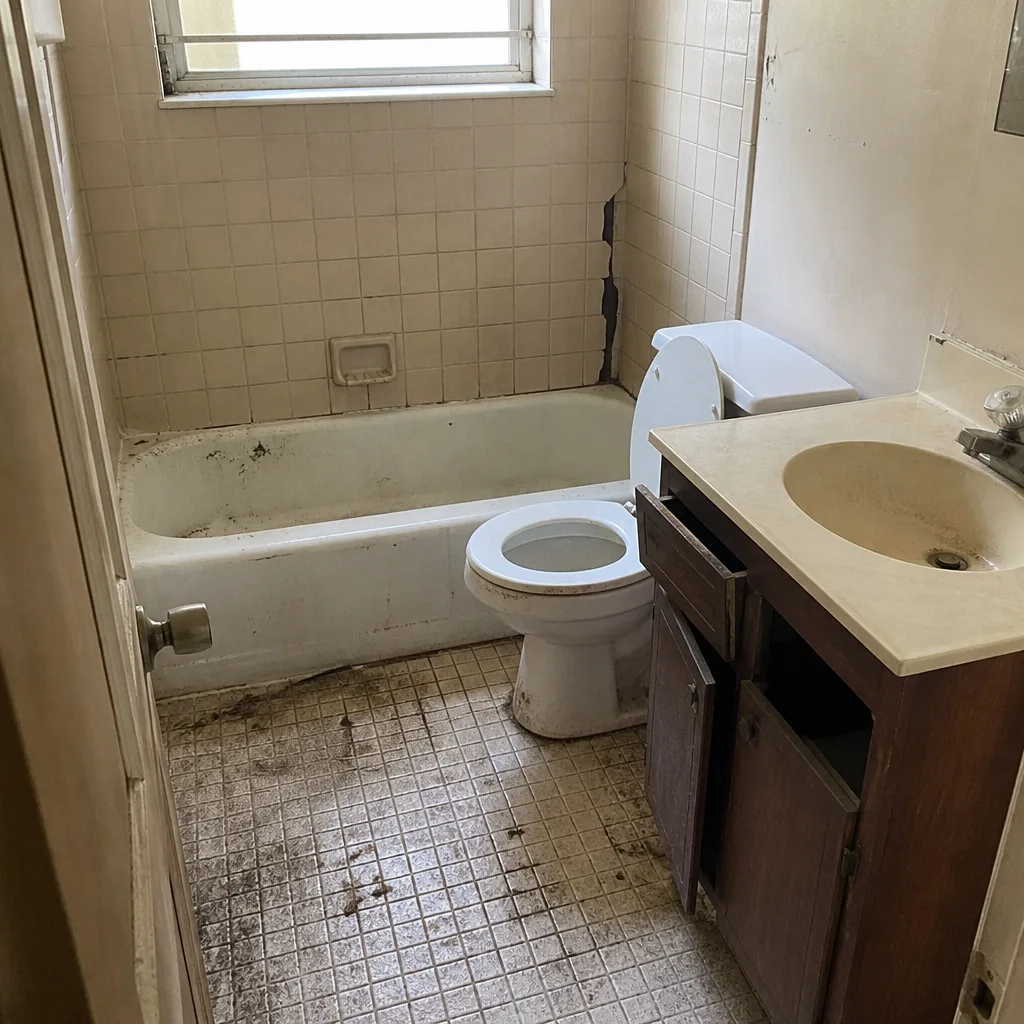 Before
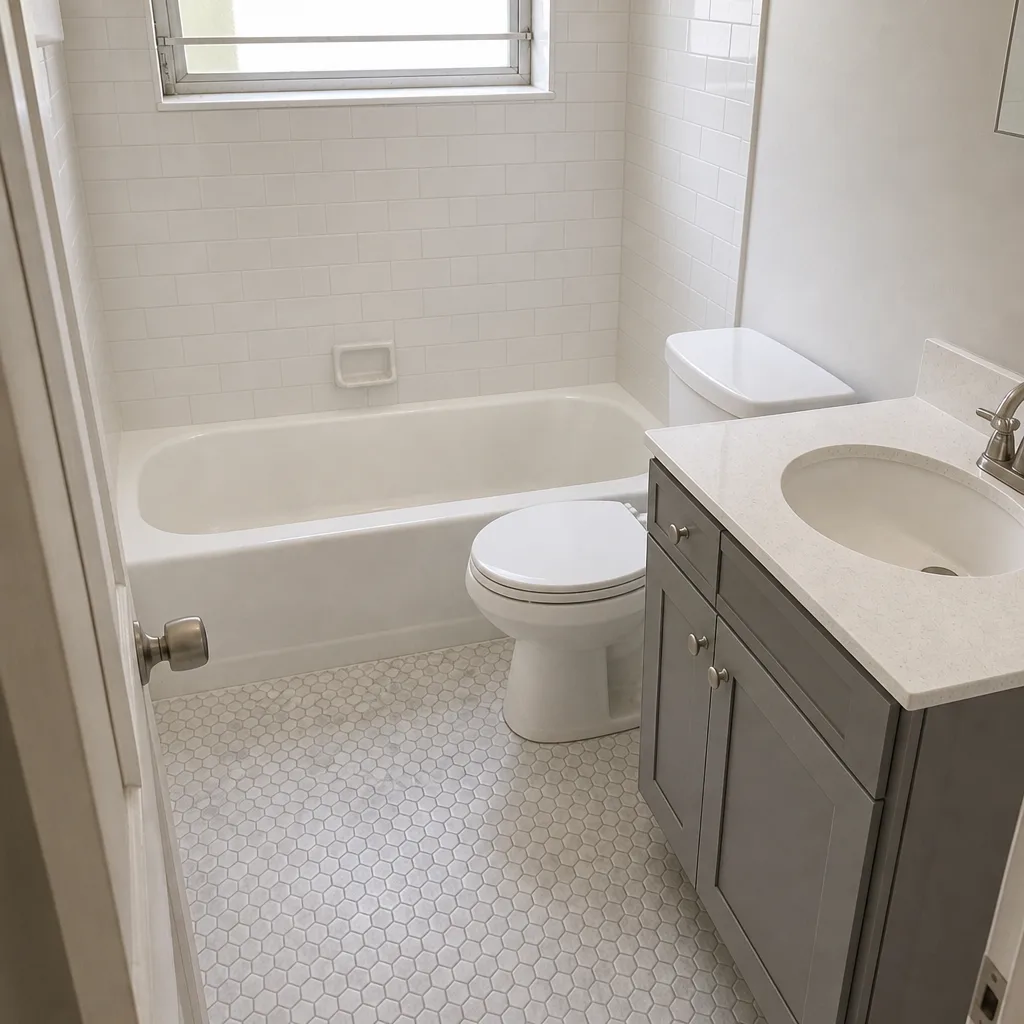 After
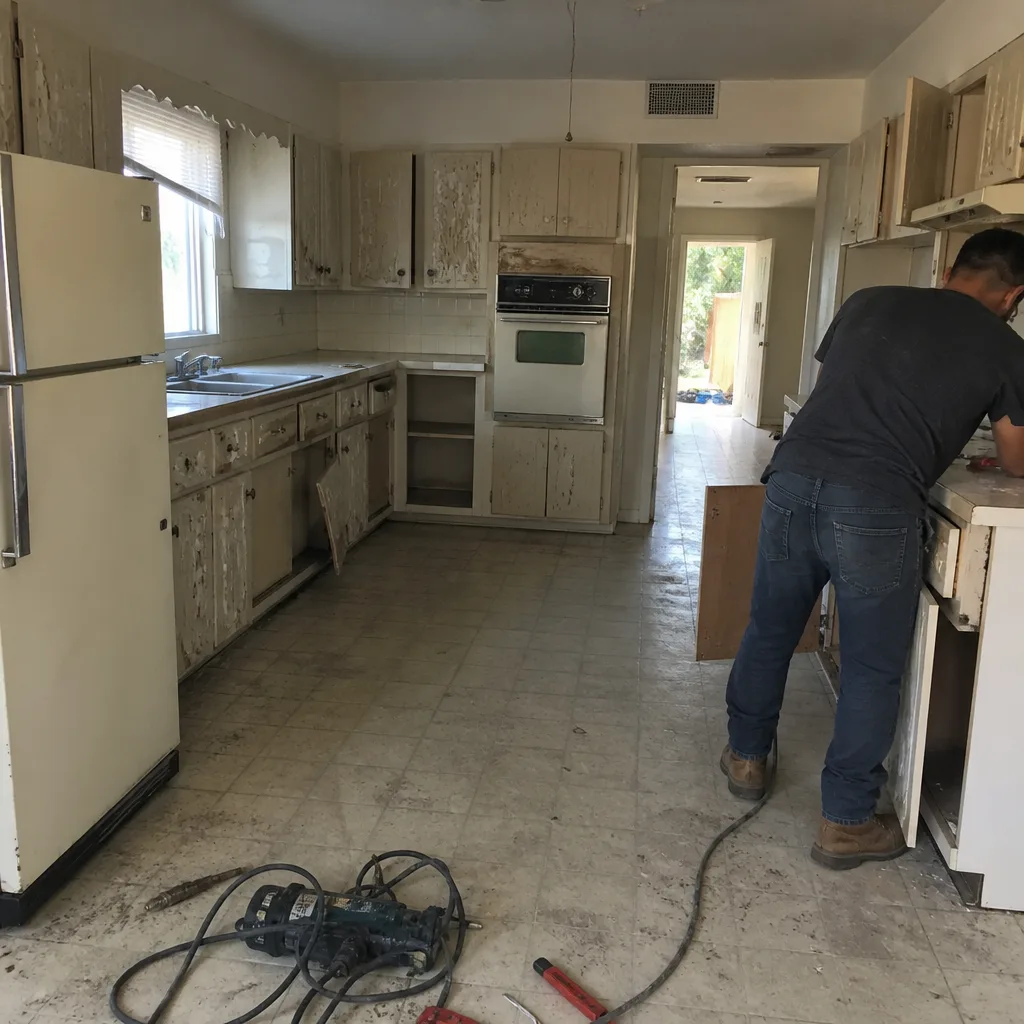 Before
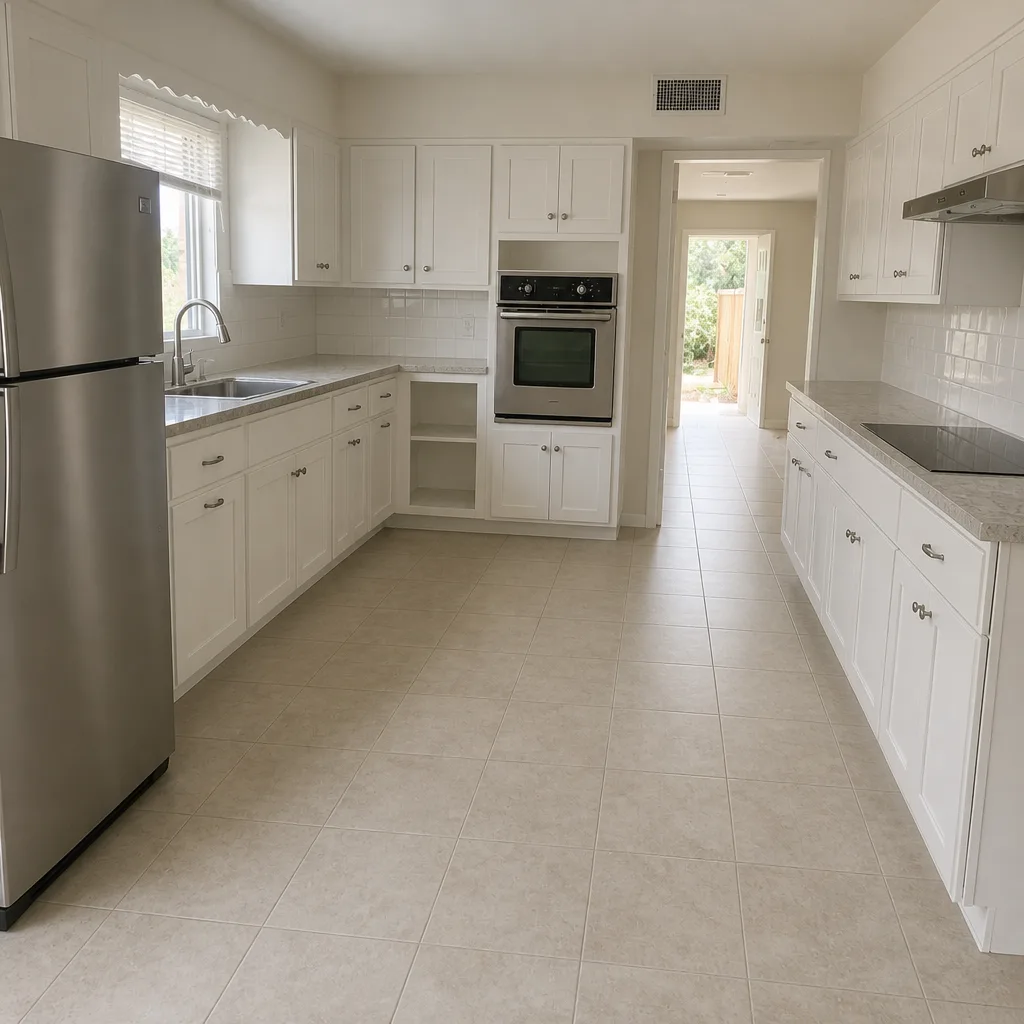 After
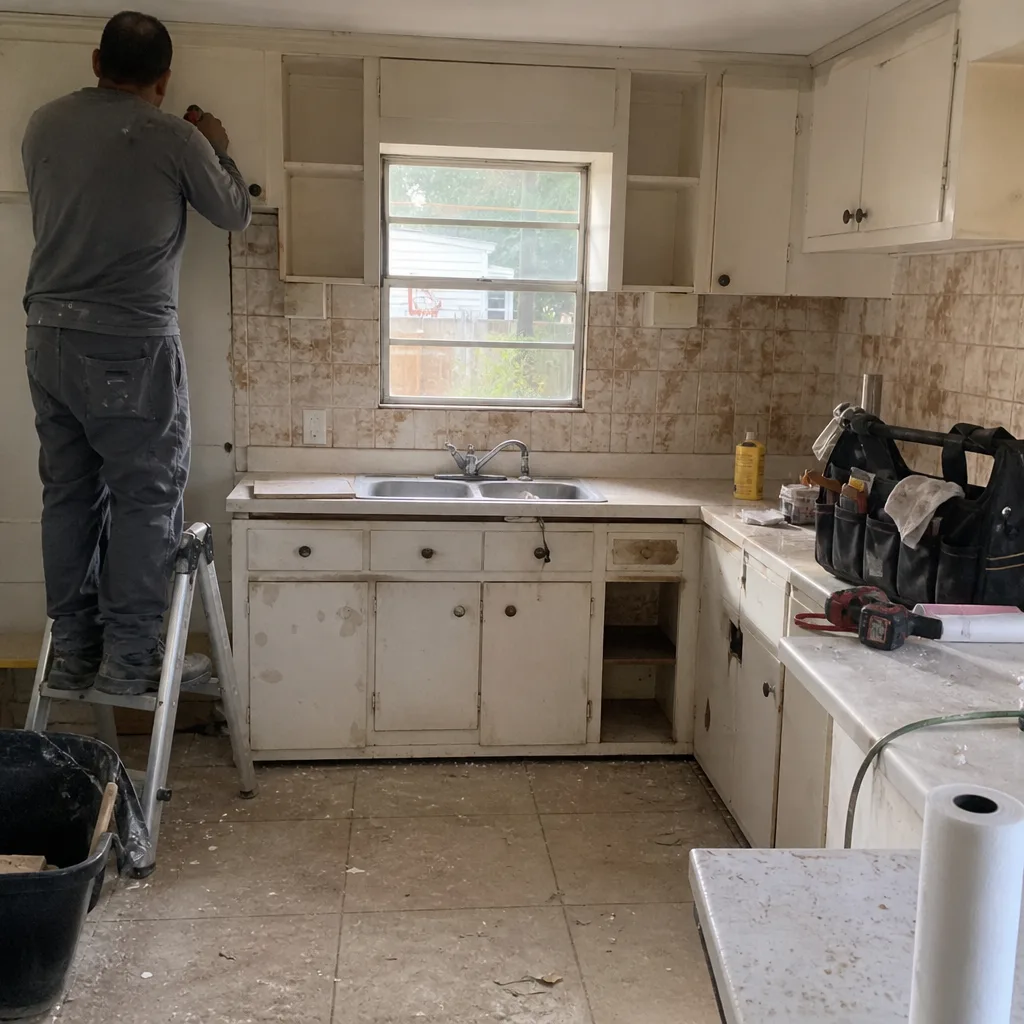 Before
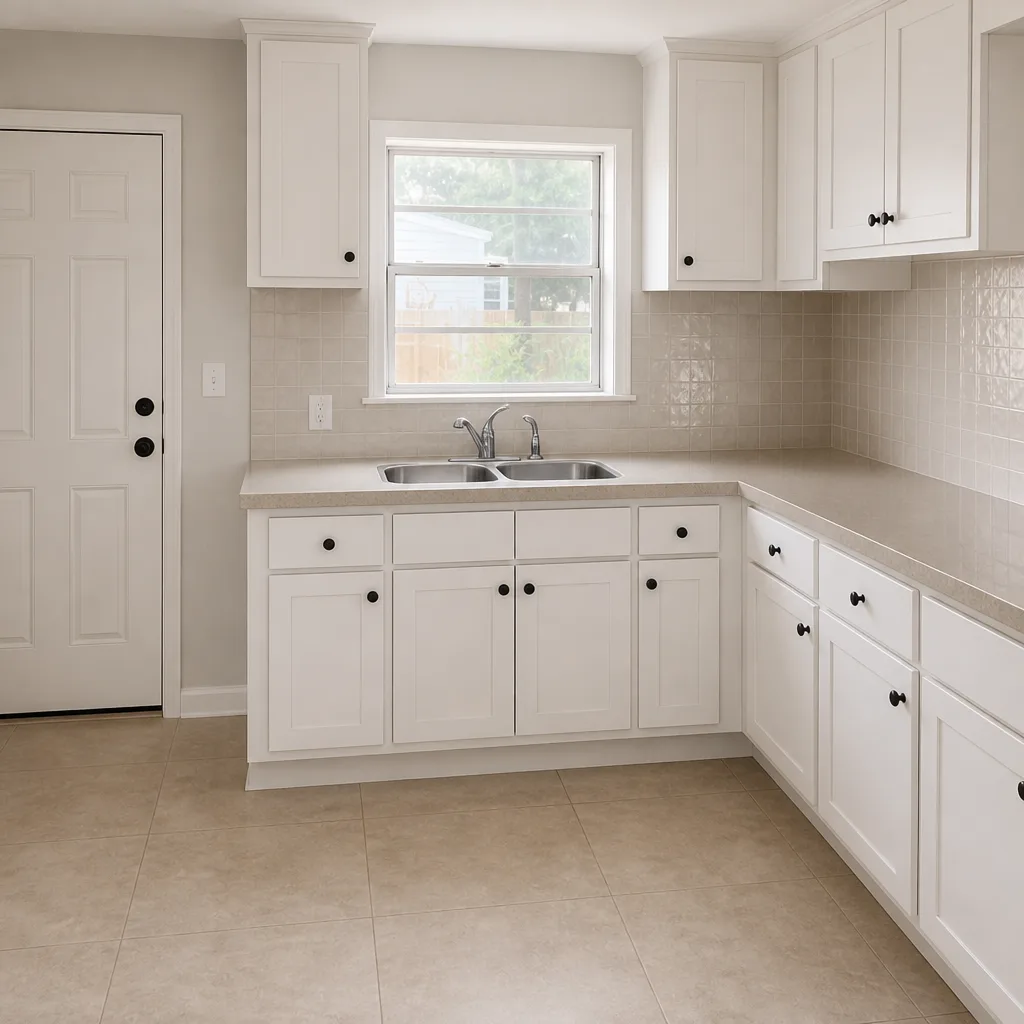 After
When to Call a Professional
If your project involves moving a load-bearing wall, changing plumbing or electrical locations, or touching the building envelope, you need a licensed general contractor and a permit. Miami-Dade inspectors will look for the permit at rough-in, and an unpermitted remodel can complicate a future sale. Same goes for anything structural or envelope-related on a home built before the current hurricane code; how the structure gets brought up to spec is not a weekend project. Our technicians have up to 22 years of experience and every job gets a written price, a defined arrival window, and the 365-Day Done Right Promise. Penhallow Remodeling North Miami offers free estimates in North Miami – call (888) 255-7411 to schedule yours.
Frequently Asked Questions

A typical Miami home remodel runs four to eight months, with the low end for moderate scope and the high end for whole-home projects that touch the envelope. The biggest variables in Miami versus other cities are the Miami-Dade permit queue and hurricane-rated material lead times; a kitchen that would take ten weeks elsewhere can take twelve to fourteen here during snowbird season. Call (888) 255-7411 for an exact schedule estimate on your project.
Over-the-counter permits typically clear in a few business days, while plan-review permits usually run four to eight weeks, with one to three additional weeks per resubmittal. The track your project lands on depends on scope: cosmetic work goes OTC, plumbing relocation and structural changes go to plan review. If a contractor quotes you a start date without confirming your permit track, ask again.
Yes, in three real ways. Schedule your project for spring or fall to avoid the snowbird scramble, order long-lead items like KraftMaid cabinets and Cambria quartz at contract signing, and have the design decisions locked before demo so no one is waiting on a tile choice. Those three moves can shave weeks off a typical North Miami timeline without skipping any of the work.
A written arrival window is a specific date and time committed in your contract for when crews will be on site. It’s the accountability mechanism that separates a real schedule from a verbal promise; if the crew isn’t there in the window, you have something in writing to point to. It’s built into the Kingswell Guarantee on every project we take on.
A North Miami kitchen remodel typically runs $25,000-$70,000 depending on cabinet line, countertop material, and appliance package. Cabinet lead times and the season affect both cost and schedule, since busy-season labor and rush material orders both carry a premium. Call (888) 255-7411 for a written price before any work starts.
The 365-Day Done Right Promise covers it: if the work fails in the first year, we come back and fix it at no charge, and the free return visit applies to repairs as well. That guarantee is included in writing with every project, and it’s separate from any manufacturer warranty on products like Cambria quartz or Kohler fixtures. For an exact scope on your project, call (888) 255-7411 and we’ll walk you through it.
The Bottom Line
Project timelines in North Miami are governed by the permit track your job lands on, the season you start in, and the lead times on hurricane-rated materials, more than they’re governed by the size of the room. A bathroom that takes four weeks in September can take six in February for the same scope. Read the schedule like you read the price: ask for the milestones, the permit track, and the long-lead item dates. A contractor who can answer those questions is running your project. One who can’t is quoting from a template. That’s the difference we build into every project at Penhallow Remodeling North Miami, and it’s why we put the schedule and the price in writing before the first cabinet comes out.
Ready to see a realistic timeline for your project? Call (888) 255-7411 for a free estimate with a written price and a written schedule before any work starts. Penhallow Remodeling North Miami puts it in writing so you can hold us to it – that’s the standard on every job, backed by the 365-Day Done Right Promise and the Kingswell Guarantee.
Written by the team at Penhallow Remodeling North Miami.