Last updated November 17, 2026







Free written scope consultation - allowances, timeline, and change-order rules on paper before a single trade is scheduled
Home Remodeling Troubleshooting: Common Problems and How to Fix Them
Most home remodeling disputes don’t start with a bad contractor. They start with a missing photograph. In our experience, the difference between a problem that gets quietly fixed and a problem that turns into a six-month standoff is almost always documentation; specifically, whether the homeowner wrote down or photographed what was promised before they asked for it to be corrected. Remodeling always produces problems, that’s normal. What separates a smooth project from a painful one is how the problem gets identified, recorded, and communicated. This guide gives you the third path between silently seething and calling a lawyer: a calm, documented process for figuring out what actually went wrong and getting it resolved. You’ll learn how to classify a defect, how to communicate it in writing without being adversarial, and which problems are common to North Miami homes in particular.
Quick Answer
To troubleshoot a home remodel problem, classify it first (cosmetic, performance, or code), document it with dated photos and a short written summary, and deliver it to your contractor in writing with a reasonable response window, typically 3 – 5 business days for non-emergencies. Most issues get resolved inside that window when the concern is specific, calm, and tied to the original scope. The problems that turn into disputes are usually the ones that were never documented.
Styles & brands we work with
- Kitchen remodeling
- Bathroom remodeling
- Home additions & ADU
- Roofing
- Windows & doors
- Driveway & pavers
- Fence
Table of Contents
- The Three Types of Remodeling Problems and Why the Type Matters
- How to Document a Problem Before You Say a Word
- How to Deliver a Concern in Writing Without Starting a Fight
- The North Miami Problems We See Most Often
- How to Read Your Contractor’s Response
- What a Written 365-Day Guarantee Changes
- Realistic Fix Timelines by Problem Type
- What Repairs and Redos Actually Cost
The Three Types of Remodeling Problems and Why the Type Matters
Before you contact anyone, name the category. Homeowners often treat every problem as equally serious, which either over-escalates small stuff or under-reacts to real issues. In North Miami whole-home remodels, an uneven tile grout line and a window that leaks during a summer squall are not the same conversation, and they shouldn’t be handled the same way.
Cosmetic problems affect appearance only: paint sheen inconsistency, a slightly off-center fixture, grout that’s a shade off from the sample. These get fixed, but they don’t carry urgency. Most written contracts cover “workmanlike” quality, not perfection, so a cosmetic concern is a negotiation, not a defect claim.
Performance problems are the big middle category. A door that sticks, a ceiling fan that hums, a shower that pools water, an outlet that trips a breaker. Performance issues affect how the home actually functions, and they carry weight because they can degrade into bigger problems if ignored.
Code problems are the highest-stakes category. Missing GFCI protection near a wet area, an ungrounded circuit, an improper vent, a guardrail that doesn’t meet height. These are non-negotiable, and any contractor who pushes back on a genuine code concern is telling you something.
Classify first, then you know whether your leverage point is “this looks sloppy,” “this doesn’t work,” or “this isn’t legal.” Each carries a different timeline and a different level of escalation.
How to Document a Problem Before You Say a Word
The single most useful thing you can do during a remodel is build a running record from day one, so that when something goes sideways you already have the paper trail. This is the homeowner version of Penhallow Remodeling North Miami home standards, which start with a written price and written scope before a single cabinet comes out.
- Keep the original written scope and price in one folder. Every change order, every signed document, every selection sheet. In our experience, 8 out of 10 disputes could be settled in a day if the homeowner could produce the signed scope.
- Photograph the problem with something for scale. A tape measure laid next to the defect, or a coin, or a standard outlet plate. A photo without scale is a photo a contractor can wave off.
- Take a wide shot and a close shot. The wide shows the room context, the close shows the specific issue. Timestamped photos on a phone are enough.
- Write two sentences. “On [date], I noticed [specific issue]. This differs from [the scope or the sample or the standard] because [reason].” That’s it. No adjectives.
- Note what you’ve already done. If you’ve contacted anyone, or left a message, log it. Silence is a contractor’s defense; a log defeats it.
- Save text messages and emails. Text is a legitimate record in Florida. A courteous text chain can resolve a problem faster than any phone call.
The point of documentation isn’t to build a case. It’s to make sure that when you say “this isn’t right,” the other person can see exactly what you’re looking at. That clarity protects both of you.
How to Deliver a Concern in Writing Without Starting a Fight
How you raise a problem decides how it gets answered. Homeowners who arrive angry tend to get a defensive response, and defensive contractors are slower to fix things. The most effective delivery is a short, courteous written message with a specific ask and a stated response window.
A well-built message has four parts:
- The observation. “We noticed the outlet on the kitchen island trips the breaker when the toaster runs.”
- The documentation. “I’ve attached photos from Tuesday.”
- The ask. “Can you take a look and let me know what’s causing it and when you can get back to correct it?”
- The response window. “Can you reply by end of next week?”
A reasonable response window for a non-emergency is 3 – 5 business days, or whatever the written contract specifies. For safety issues, a cold circuit, a gas smell, water where it shouldn’t be, you call immediately and expect a call back the same day. For everything else, giving your contractor a stated window is what separates a manageable conversation from a fight. It also creates a written record if the window passes.
Keep it in one channel. If you started by email, keep it by email. Mixing channels makes the record harder to follow and gives everyone an excuse to say “I thought we were handling this in person.”
The North Miami Problems We See Most Often
North Miami homes present specific problems that a remodeler from out of state may not know to plan for. The city has a lot of CBS construction, concrete block and stucco, which behaves very differently from wood frame. That single fact drives three problems we see regularly.
Moisture intrusion at window rough-ins. CBS block walls hold moisture differently than wood, and a rough-in that wasn’t properly flashed will leak during a summer afternoon storm rather than fail all at once. In North Miami, we routinely see this show up six to twelve months after a window replacement, long after the installer’s initial visit. If you notice soft drywall or a bubbling paint line under a window after a storm, that’s a flashing issue, not a painting issue, and re-painting over it fixes nothing.
HVAC duct placement that conflicts with ceiling plans. A drop ceiling or a soffit that was planned before the mechanical layout was finalized can leave a duct running where the ceiling detail was supposed to go. The result is either a soffit about 6 inches too low or a duct that gets pinched mid-run. This one belongs in pre-construction coordination. If you’re seeing low ceilings where you expected a flat ceiling, ask whether the duct was moved after the ceiling plan was drawn.
Electrical panel upgrade surprises. Many North Miami homes built before the 1980s have 100-amp panels, and a kitchen remodel with modern appliances will often require upgrading to 200 amps. The surprise isn’t at panel time, it’s when the electrician discovers that the service drop itself has to be replaced, adding roughly $1,800 – $4,000 to the project. A well-run job surfaces this during estimating, not during rough-in.
If your project involves a larger scope and you need a coordinated guide through these problems, the General Contractor in North Miami page walks through the sequencing that prevents most of them.
How to Read Your Contractor’s Response
Watch the response more than you watch the problem. A contractor who answers a callback within a day, shows up when they said, inspects, and gives you a written plan for the fix is telling you how the rest of the project will go. This is one of the most useful signals a homeowner has, and it costs nothing to see it.
Watch for these specific tells:
- The responder. Does a live person answer, or does your concern vanish into voicemail? We answer calls 24/7 with a real person because callback mazes are the single most common complaint we hear from homeowners who’ve worked with other contractors.
- The ownership. “We’ll take care of it” versus “let me come look and tell you what I see.” The second is better because it commits to a diagnosis, not just a vibe.
- The written follow-up. A contractor who confirms the fix in writing, with a date, is showing you they’ll do the same for the next issue.
- The timeline honesty. If they say “two weeks” and it’s realistically three, the honest answer matters more than the short one.
What should worry you is a fast verbal reassurance with no plan. “Yeah, no problem, it’s fine,” with no promised date and no follow-up, is the response that turns small issues into project-ending conflicts.
What a Written 365-Day Guarantee Changes
A verbal “we’ll take care of it” is worth what you paid for it. A written guarantee with a named remedy is a different object entirely. It gives you a specific thing to invoke when something fails, and it gives a contractor a clear standard to honor. Both sides benefit.
Penhallow Remodeling operates under the 365-Day Done Right Promise: if the work fails inside that window, we come back and fix it at no charge. It’s in writing on every project. The free return visit if a repair fails is included, with no service call and no re-inspection fee. That shifts the troubleshooting dynamic because the remedy isn’t a favor, it’s the contract.
If you have a written guarantee and something fails, invoke it the same way you’d raise any concern: photo, one or two sentences, and a stated response window. Reference the guarantee by name. That’s the difference between “I hope they fix it” and “the paper says they will.” For homeowners choosing a starting point on bathrooms specifically, the Bathroom Remodeling in North Miami page lays out how a written scope and guarantee get structured before work begins.
Realistic Fix Timelines by Problem Type
One of the main reasons homeowners get frustrated is expecting a fix overnight when the trade involved has a two-week queue. Realistic timelines by category:
- Cosmetic concern (paint, grout shade, fixture alignment): 3 – 10 business days. Small enough to schedule into the normal flow.
- Performance issue, non-emergency (sticking door, tripping outlet, slow drain): 5 – 15 business days if a trade has to return.
- Code issue (missing GFCI, insufficient guardrail, improper vent): 3 – 10 business days if a re-inspection is needed. This one escalates quickly because a failed inspection stalls the project.
- Safety issue (water intrusion near electrical, gas smell, active leak): same-day callback; fix within 24 – 72 hours.
- Structural concern (cracked beam, settling): diagnostic visit within a week; resolution depends on the diagnosis, not the calendar.
These windows are the norm in North Miami. If your contractor gives you a timeline wildly outside these ranges, ask why.
What Repairs and Redos Actually Cost
When a problem does require a redo, the cost is usually borne by whoever’s responsible. If the fix is covered by warranty or the original scope, you pay $0. If the fix falls outside scope because you changed your mind or the problem is a pre-existing condition of the home, expect these ranges for North Miami:
- Cosmetic touch-up (paint, caulk, minor grout): $150 – $500.
- Tile redo, small area (a shower wall section, a backsplash): $400 – $1,200.
- Drywall patch and repaint (window leak damage, small area): $300 – $900.
- Outlet or breaker replacement (single circuit): $180 – $450.
- Window re-flash and re-seal (one window, CBS wall): $350 – $800.
- HVAC duct re-route (single run): $600 – $1,800.
- Electrical panel upgrade (100A to 200A, with new service drop): $2,600 – $5,500.
These are the kinds of line-item ranges that should appear in a written estimate before work starts, not after. If your contractor can’t give you a written number, that’s the first problem to fix. For a coordinated kitchen scope, the Kitchen Remodeling in North Miami page shows how trade sequencing keeps these smaller items from compounding.
Common Mistakes to Avoid
- Waiting to say something. A small issue noticed on week two gets fixed faster than the same issue raised at handover. Raise it while the crew is still in the house.
- Raising it verbally and thinking it’s documented. Spoken concerns don’t survive contact with a busy schedule. Follow up in writing within 24 hours.
- Leading with anger or threats. You’ll get the same defensive energy back and slower resolution. Specific and calm moves faster than loud.
- Fixing it yourself or hiring someone else to “just take a look.” This voids most warranties immediately. Call the contractor first.
- Ignoring pre-existing conditions in older North Miami homes. A 1970s CBS home has latent issues (aging panel, corroded flashing, undersized ductwork) that a remodel can expose. Ask for these to be listed before work starts.
- Skipping the punch walk. Do a final walk with a written list, not a verbal tour. Every item on it should have an owner and a date.
- Accepting “we’ll handle it” without a date. A verbal promise with no date is not a commitment, it’s a wish.
See the difference
 Before
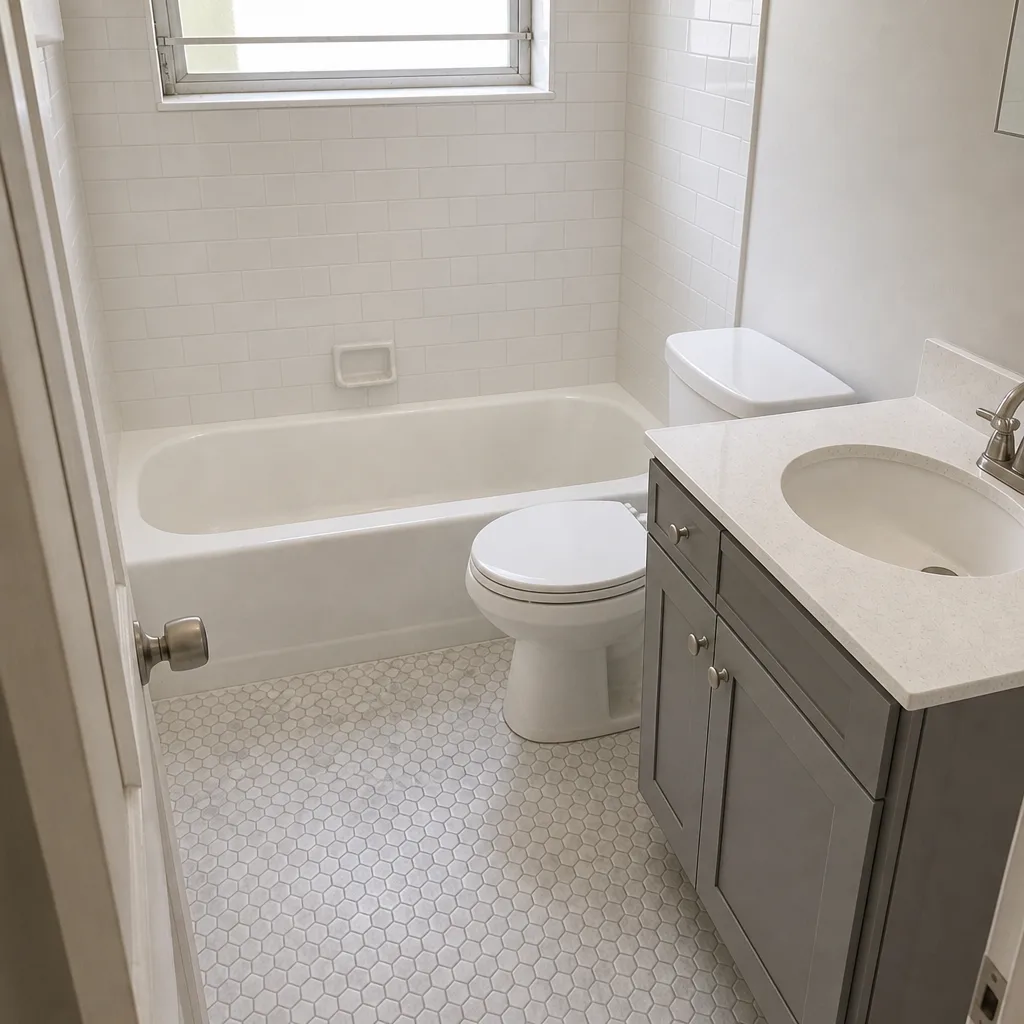 After
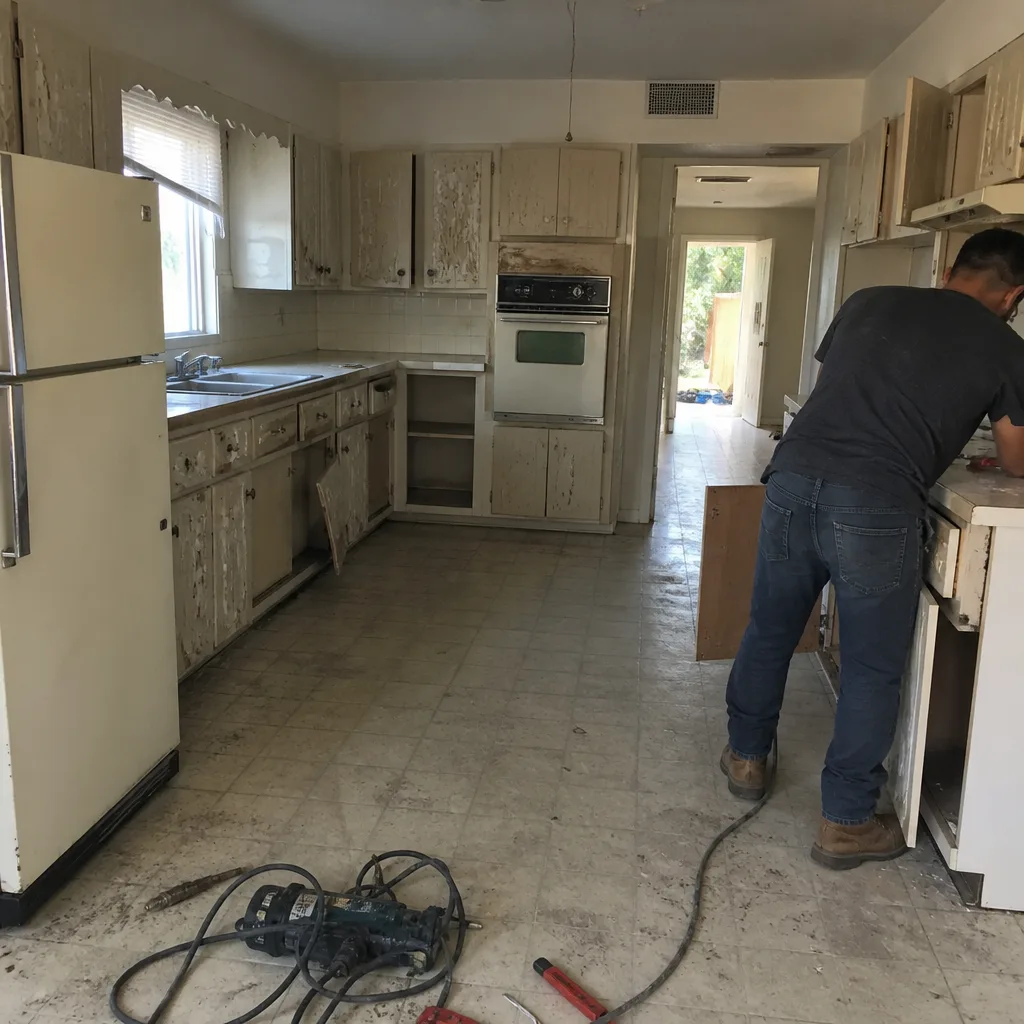 Before
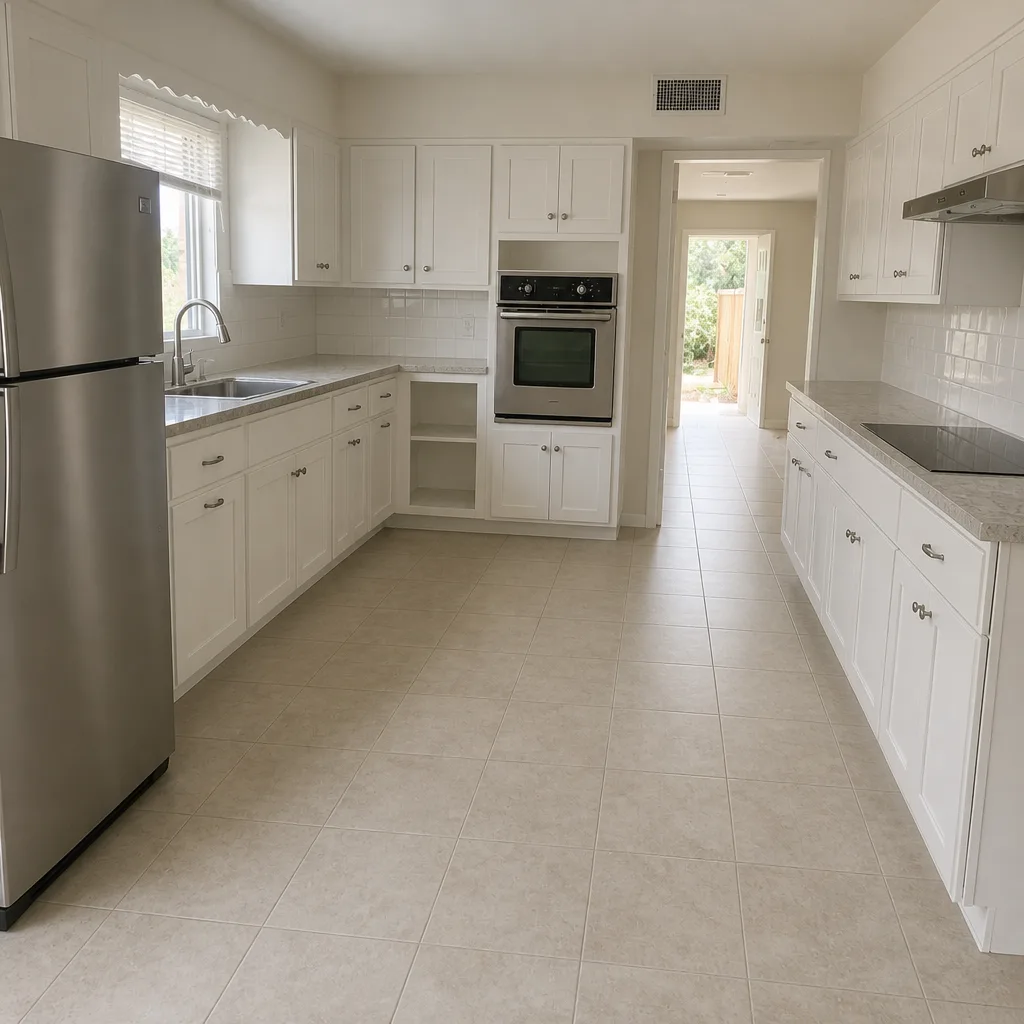 After
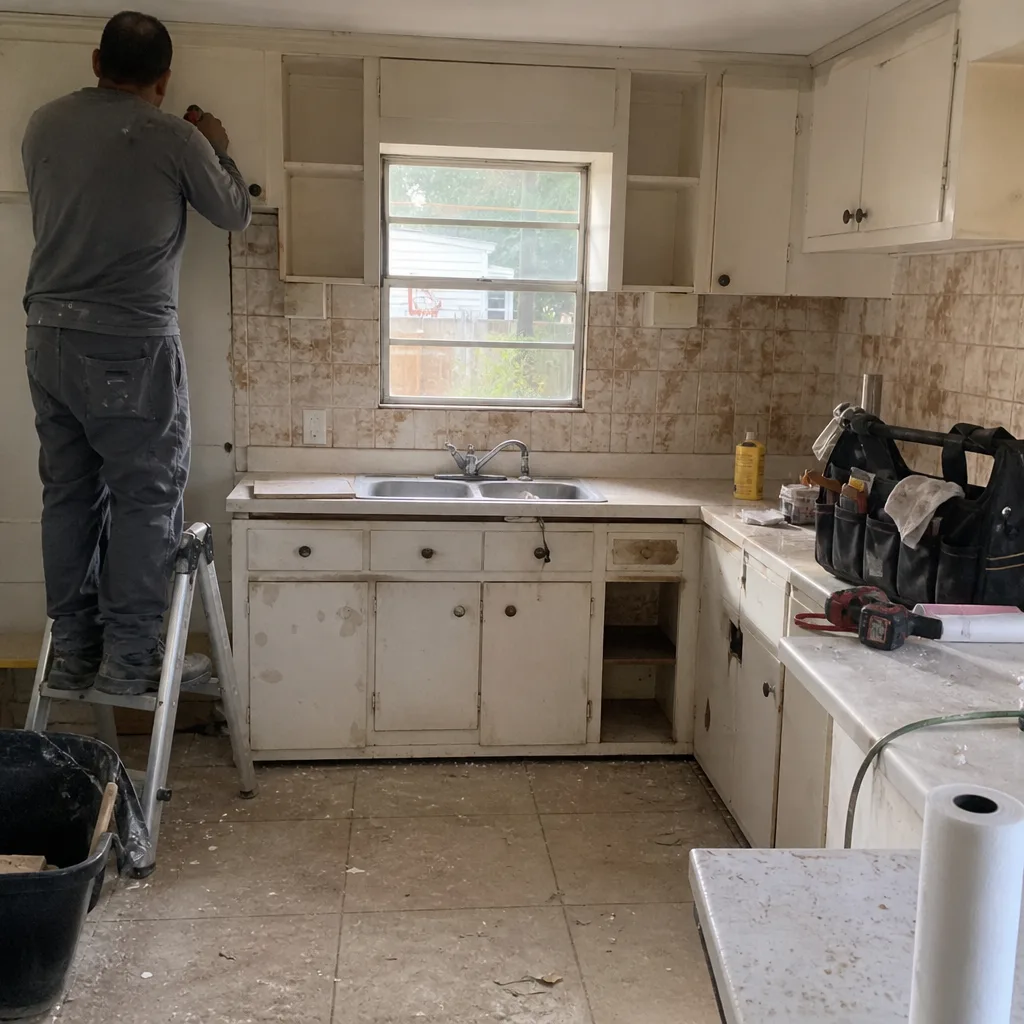 Before
 After
When to Call a Professional
Some problems are homeowner-solvable, and some aren’t. If a grout line is off, or a paint touch-up is needed, that’s a cosmetic concern most people can live with or handle themselves. But when the problem touches a wet area, an electrical panel, a structural element, a window rough-in on a CBS wall, or anything that might affect a building inspection, it needs a trained professional. In North Miami, a window that leaks after a summer storm almost always traces back to flashing installed at the rough-in, not the window itself, and diagnosing that requires opening the wall to see it. Wiring, panel upgrades, and gas-adjacent work are the same story: not a homeowner call, and not a handyman job. If you’re not sure which category you’re in, describe the problem by phone before you touch anything.
Penhallow Remodeling North Miami offers free estimates in North Miami, and every estimate is a written price before any work starts. Call (888) 255-7411 and a live person will answer, day or night.
Frequently Asked Questions

Most remodeling fixes run $150 – $1,200 if the problem falls inside the original scope or a warranty, because you pay nothing and the cost is on the contractor. Repairs outside scope, like pre-existing panel upgrades or window re-flashing, typically run $350 – $5,500 depending on the trade involved. Call (888) 255-7411 for an exact quote, estimates are free.
It shouldn’t. A written price before work starts means the number on day one is the number on the invoice. If a contractor discovers a pre-existing condition that genuinely wasn’t visible before demo, they should stop, write down what they found, present a change order, and get your signature. Anything else is drift. Call (888) 255-7411 and we’ll write the price down before we lift a tool.
Yes. Permits are pulled and inspections passed, and that includes the electrical, plumbing, and structural work that requires sign-off. If your contractor asks you to pull the permit as a homeowner, treat that as a red flag. Call (888) 255-7411 to hear how the permitting sequence works on a North Miami job.
Moisture intrusion at window rough-ins in CBS construction, usually discovered six to twelve months after a window replacement when the first strong summer storm arrives. The cause is almost always flashing that wasn’t detailed for block walls rather than the window itself. Call (888) 255-7411 for a free inspection and a written estimate on the repair.
Cosmetic fixes take 3 – 10 business days, non-emergency performance issues 5 – 15 business days, and safety issues get a same-day callback and a fix within 24 – 72 hours. Code issues that involve re-inspection should resolve within 3 – 10 business days because a failed inspection holds the whole project. Call (888) 255-7411 for an honest timeline on your specific job.
Yes. Our 365-Day Done Right Promise means that if the work fails inside the guarantee period, we come back and fix it at no charge. It’s in writing on every project, and the free return visit is included, no service call and no re-inspection fee. Call (888) 255-7411 and we’ll walk you through exactly what the guarantee covers.
The Bottom Line
Remodeling problems are normal. Disputes are not. The difference is almost always documentation and communication: classify the problem as cosmetic, performance, or code, photograph it with scale, write two clear sentences, deliver them with a stated response window, and give the contractor a reasonable chance to respond. In North Miami, watch the three local problems in particular: window flashing on CBS walls, HVAC conflicts with ceiling plans, and panel-upgrade surprises on older homes. A written 365-day guarantee turns the whole dynamic from hope into contract. The gap between fixed and fighting is a piece of paper. Hold the paper.
Call (888) 255-7411 for a free estimate. A live person answers 24/7, and every price we give is written down before any work starts.
Written by the team at Penhallow Remodeling North Miami.