Last updated November 17, 2026






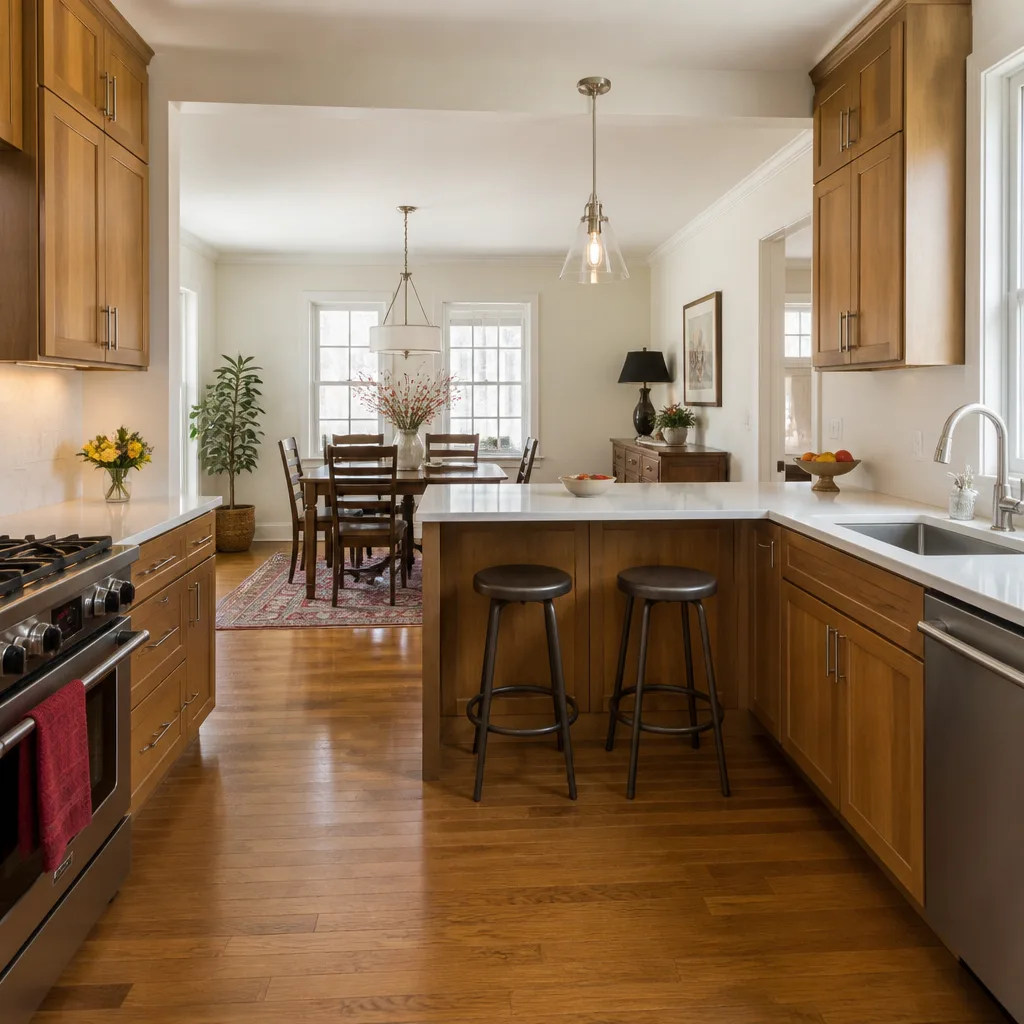
Free written scope consultation - allowances, timeline, and change-order rules on paper before a single trade is scheduled
The Complete Guide to Construction in North Miami
Miami-Dade County enforces the strictest residential building code in the continental United States. Most North Miami homeowners discover this after they’ve already signed a contract, when a window submittal comes back rejected or a framing inspection demands hardware nobody quoted. The High-Velocity Hurricane Zone doesn’t care what your cousin’s contractor does in Broward. This guide walks you through the whole reality of building and remodeling in North Miami: the design and permit sequence, the inspection milestones, the soil under your slab, how to read a written scope so you can tell a real number from a placeholder, and which delays were always yours to prevent.
Quick Answer
Construction in North Miami is a sequenced, code-heavy process: design and engineering first, then City of North Miami or Miami-Dade permitting, then a series of inspections (foundation, framing, rough-in, insulation, final) before a certificate of occupancy. Budget 4 to 10 months for a whole-home remodel and 12 to 18 months for new construction, and expect hurricane-zone product requirements to add 10 to 25 percent to material costs versus the rest of Florida.
Styles & brands we work with
- Kitchen remodeling
- Bathroom remodeling
- Home additions & ADU
- Roofing
- Windows & doors
- Driveway & pavers
- Fence
Table of Contents
- What the High-Velocity Hurricane Zone Means for Your Materials
- The Permitting and Inspection Sequence, Step by Step
- Why Biscayne Bay Soil Changes Your Foundation Line Items
- How to Read a Written Scope of Work Before You Sign
- The Real Timeline: Days, Weeks, and Homeowner Delays
- Neighborhood by Neighborhood: What Changes in North Miami
- What Construction Costs in North Miami
- City of North Miami vs. Unincorporated Miami-Dade
What the High-Velocity Hurricane Zone Means for Your Materials
Everything inside the High-Velocity Hurricane Zone (HVHZ) has to pass a different test than the rest of Florida. Miami-Dade’s product approval system – often called the NOA, or Notice of Acceptance – means your windows, doors, roofing underlayment, shutters, and garage doors each need a county-issued approval number, not just a state or manufacturer certificate. In North Miami, that happens at the counter whether you’re in a 1950s ranch near Griffing Park or a newer build along the Biscayne corridor.
What this does to a budget:
- Impact windows and doors: typically 20 to 40 percent more than standard units, because the frame, glass, and glazing system are tested as an assembly.
- Roofing: HVHZ roof systems require specific underlayments, ring-shank nails at tighter spacing, and a secondary water barrier. Expect $18,000 to $30,000 for a mid-size re-roof, compared with $12,000 to $19,000 outside the zone.
- Wall systems: concrete block with tie-downs and continuous load path hardware. Wood frame is allowed, but engineered fastening documentation adds engineering cost.
- Garage doors: wind-rated assemblies with reinforced tracks. A standard door from a big-box shelf won’t pass.
We’ve watched more than one North Miami estimate fall apart here. The contractor priced a ceiling fan of materials and the county asked for a hurricane-rated window spec. If a bid comes in dramatically cheaper than the others, look at the window and roof schedules first. They’re almost always where the discount lives.
The Permitting and Inspection Sequence, Step by Step
North Miami permitting moves in a fixed order. Miss a step and you restart a counter visit, which in this city can mean a week on the calendar. The sequence runs like this:
- Design and sealed drawings. Plans must be signed and sealed by a Florida-licensed architect or engineer for anything structural, and for most additions. Budget 3 to 6 weeks.
- Product approvals gathered. NOA numbers for windows, doors, roofing, and shutters. The submittal package is incomplete without them.
- Permit application. Filed with the City of North Miami Building Department if you’re inside city limits, or Miami-Dade County if you’re in unincorporated pockets. Plan review runs 3 to 8 weeks, longer for complex additions.
- Permit issued. You’ll have a placard that must stay visible. Most days of delay come from incomplete submittals, not the reviewers.
- Foundation inspection. Pre-pour inspection of rebar, forms, and anchoring. Called at least 24 hours ahead.
- Framing and sheathing inspection. After walls are up and before insulation. This is where HVHZ tie-downs get verified.
- Rough-in inspections. Electrical, plumbing, and mechanical, done separately or combined depending on the scope.
- Insulation and drywall. Insulation inspection first, then drywall hangs.
- Final inspections. Electrical, plumbing, mechanical, and building, each signed off separately.
- Certificate of occupancy. Issued only when every trade has passed. For a kitchen remodel, some scopes close out with a final building inspection instead.
We tell every North Miami homeowner the same thing: expect three or four inspection stops minimum for any real remodel. A bid that never mentions inspections is a bid that hasn’t priced the job.
Why Biscayne Bay Soil Changes Your Foundation Line Items
Soil in North Miami is not one thing. Head west toward the urban core and you’re likely over limestone pinnacle – a swiss-cheese rock layer that needs a different footing strategy than sand. Head east toward Biscayne Bay and you run into fill, organics, and high water tables. A geotechnical report is not optional decoration. It’s the reason two neighboring lots can carry footing costs that differ by tens of thousands of dollars.
Practical line items most generic estimates skip:
- Geotechnical borings. Usually $1,200 to $3,500 for a residential site. Skipping this is how foundations get redesigned mid-job.
- Over-excavation and engineered fill. Common near the bay where the native material can’t carry a slab. Adds $4,000 to $15,000 depending on depth.
- Foundation piling. Where limestone pockets or soft soils rule out standard footings, piles run $18,000 to $45,000 for a modest addition.
- Dewatering. Near the bay, keeping the hole dry during a pour can cost $2,000 to $8,000 in pumps and settling tanks.
- Waterproofing and drainage. Vapor barriers, sub-slab drainage, and footing drains in a rainy subtropical climate. Rarely in a cheap bid.
We’ve seen engineered fill quoted at half the eventual cost because the first price relied on a neighboring lot’s report. A report is for your lot, not the one across the alley.
How to Read a Written Scope of Work Before You Sign
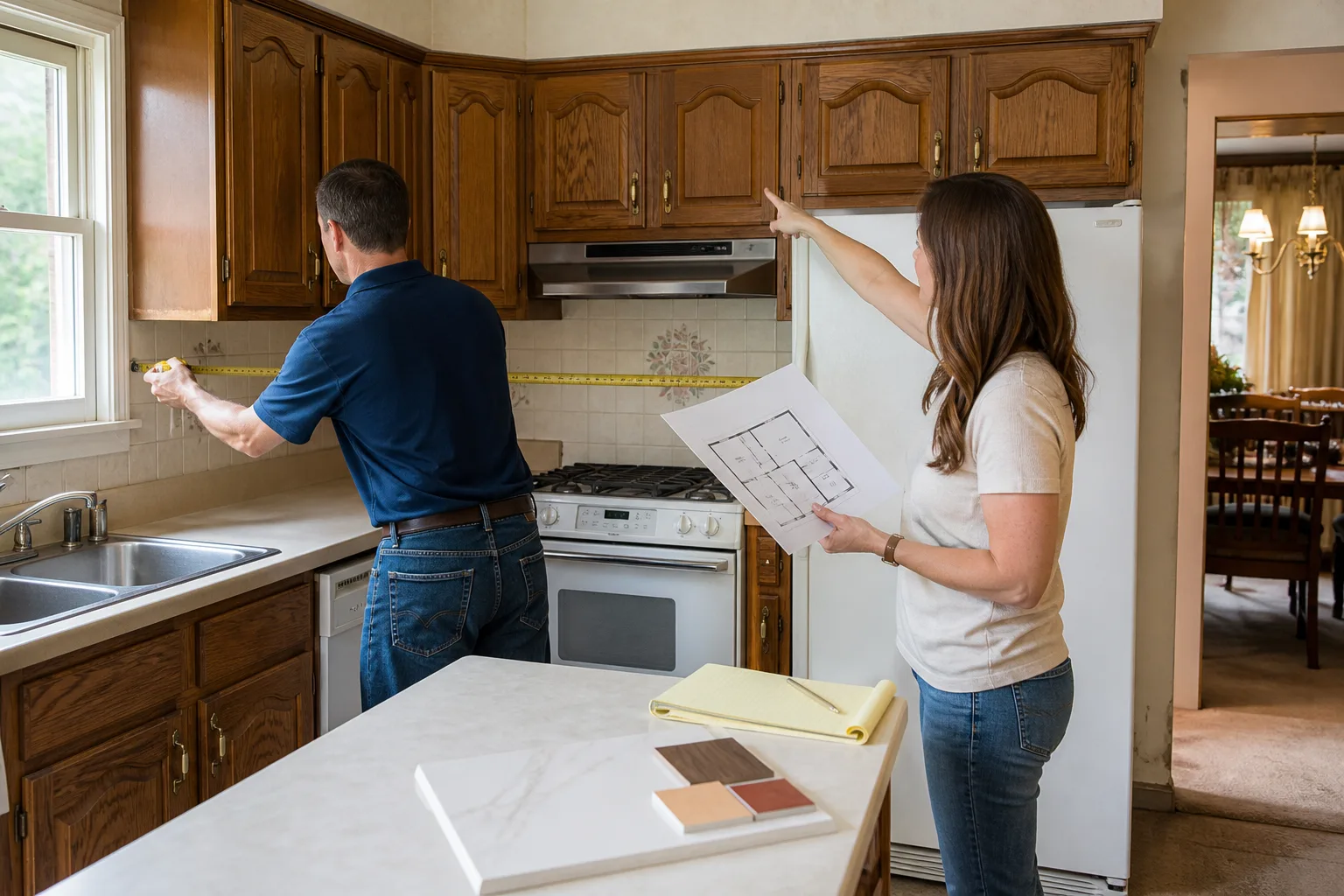
A written scope is the difference between a number and a guess. Read it the way a builder reads it – line by line, looking for these seven things:
- Demolition line. What’s being pulled out, what’s being dumped, and who pays for dumpster and haul-off. Generic scopes collapse three distinct costs into one word.
- Substrate and prep. A real scope names your cement board substrate, your waterproofing membrane brand, and the prep before tile. “Bathroom tile” alone is a price placeholder.
- Product specifications with brands and series. KraftMaid and Wellborn cabinetry, or Cambria quartz vs. “quartz countertops,” are different jobs. This is where discounts hide.
- Permit responsibility. “Contractor to pull all required permits and manage inspections” needs to be in the document, in ink.
- Allowances and change-order triggers. A $3,000 appliance allowance that becomes $9,000 at the showroom is not a fixed price. Ask for the allowance total and how overages are priced.
- Exclusions. What’s explicitly not included. This is the section most homeowners skip and most surprises live.
- The guarantee. What’s promised after completion, how long, and what happens if something fails. A real guarantee is in writing on every project, not a verbal promise on the last walk-through.
The general contractor in North Miami page goes deeper on what a full-scope project looks like from the first walk-through to closeout. If a contractor can’t explain each line, that’s your answer about how they’ll handle the surprises.
The Real Timeline: Days, Weeks, and Homeowner Delays
The single biggest source of delay we see in North Miami isn’t the permit office or a delivery truck. It’s the homeowner picking the cabinet line, the tile, or the front door three weeks after the crew is ready to install it. Structure the project around selections and the calendar holds. Leave selections loose and everyone – including the trades – waits.
What actually takes how long:
- Days: Concrete pour, drywall hang, tile install, final paint on a single room. Individual tasks are fast.
- One to two weeks: Cabinet delivery from KraftMaid or Wellborn once the order is released, countertop fabrication in Cambria or Silestone, custom shower glass.
- Three to eight weeks: Permit plan review, window and door lead times, roofing material delivery.
- Months: Architectural design, engineering and product-approval submittals, and the whole-home remodel itself.
The homeowner owns three delays that no contractor can fix: selection deadlines, access to the property (locking out the crew for a vacation), and change orders after demo starts. Demo reveals what’s behind the drywall – that’s not a delay, that’s a scope adjustment. But a change order filed two weeks after demo because nobody priced it upfront is a self-inflicted wound. Say the price before the work. That’s the whole rule.
For a deeper look at where the calendar lives in a whole-home project, our kitchen remodeling in North Miami page maps a 6- to 12-week kitchen against the same permit milestones.
Neighborhood by Neighborhood: What Changes in North Miami
North Miami isn’t uniform. The block you buy on quietly decides what the job costs.
- Griffing Park and Keystone Point: 1950s to 1960s ranch homes predominate. Remodels here are often as much about replacing aging cast iron drain lines and ungrounded electrical as about new finishes. Budget a rough-in allowance in any project before 1975.
- Arch Creek and the neighborhoods south of it: Established ranch inventory plus more recent renovations. The soil profile here is limestone-heavy, so foundation redesign is more likely if you’re adding footprint.
- Biscayne Gardens and the bay-side corridor: High water table and organics. Dewatering and engineered fill show up more often in bids here. Structural waterfront work has stricter inspection scrutiny.
- Sans Souci and the areas near the bay: Strong renovation market, houses close to the waterline, and a lot of impact-window retrofits. Window package pricing carries the HVHZ premium every time.
- Newer construction pockets: Where modular systems or manufactured components have been used – Sakrete bagged concrete for site pours and quick footing work, and panelized or prefab wall systems from suppliers like Cover or Dvele – the inspection schedule looks a bit different because manufacturing happens off-site. Confirm the county product approval for any panelized system before you sign.
If you’re considering a bathroom remodeling in North Miami in a pre-1980 home, ask what’s under the tile. The answer often decides the budget more than the finish choices do.
What Construction Costs in North Miami
Real numbers, not ranges designed to avoid a commitment. Here’s what construction in North Miami typically runs as of this writing. These are budget ranges for planning, not a quote for your specific scope.
- Kitchen remodel, mid-range: $28,000 to $55,000. Cabinet line, countertop material, and layout drive the top end.
- Bathroom remodel, full: $14,000 to $32,000. Substrate, waterproofing, and fixture brand move the number most.
- Whole-home remodel, 2,000 sq ft: $150,000 to $350,000. Rough-in replacement, window package, and roof add up fast.
- Room addition, 300 sq ft: $95,000 to $160,000. HVHZ wall systems, foundation strategy, and permit fees.
- New construction, 2,500 sq ft: $650,000 to $1,100,000. Soil conditions and finishes account for most of the spread.
- Permit fees: Roughly 1 to 2 percent of construction value, higher for complex structural work.
- Design and engineering: $3,000 to $12,000 for typical residential scopes.
Every published range is a planning tool. The only number worth holding someone to is the one written on the contract before work starts. Anything verbal is a guess dressed as a promise.
City of North Miami vs. Unincorporated Miami-Dade
Where your property line sits determines which permit office you deal with, and the difference matters. A parcel inside the City of North Miami goes through the city’s building department. A parcel in unincorporated Miami-Dade goes through the county. Both enforce the HVHZ. Both require county NOAs for hurricane-rated products. But the counters move differently, the submittal packets differ, and the inspection turnaround can vary by weeks.
Most homeowners don’t think about this until they’re told their plan review is delayed because their address falls under the county, not the city. Know which jurisdiction your property sits in before you ask for a timeline. It’s the first question any honest builder should ask you.
Common Mistakes to Avoid
- Hiring on price alone. The cheapest bid on a North Miami remodel is very often the one that forgot to price the impact windows and the underlayment. The savings show up at final inspection.
- Signing before the scope is specific. “Tile and drywall” is not a scope. If the document doesn’t name the substrate, the cabinet line, and the countertop material, it’s a placeholder.
- Skipping the geotechnical report. Two lots on the same block in North Miami can require very different footings. The report is cheap compared with a foundation redesign.
- Assuming inspections are the contractor’s problem alone. They’re the contractor’s job, yes, but the schedule they set affects your move-in date and your storage costs. Track them.
- Picking finishes after demo. Every selection you delay is a week of trades idling. Lock them in writing before the permit is issued.
- Skipping the change-order conversation. If the contract doesn’t say what happens when demo reveals rot or old wiring, it will happen on the invoice instead.
- Believing a verbal guarantee. What’s promised after the job ends needs to be written and included on the contract. If it isn’t in ink, it doesn’t exist.
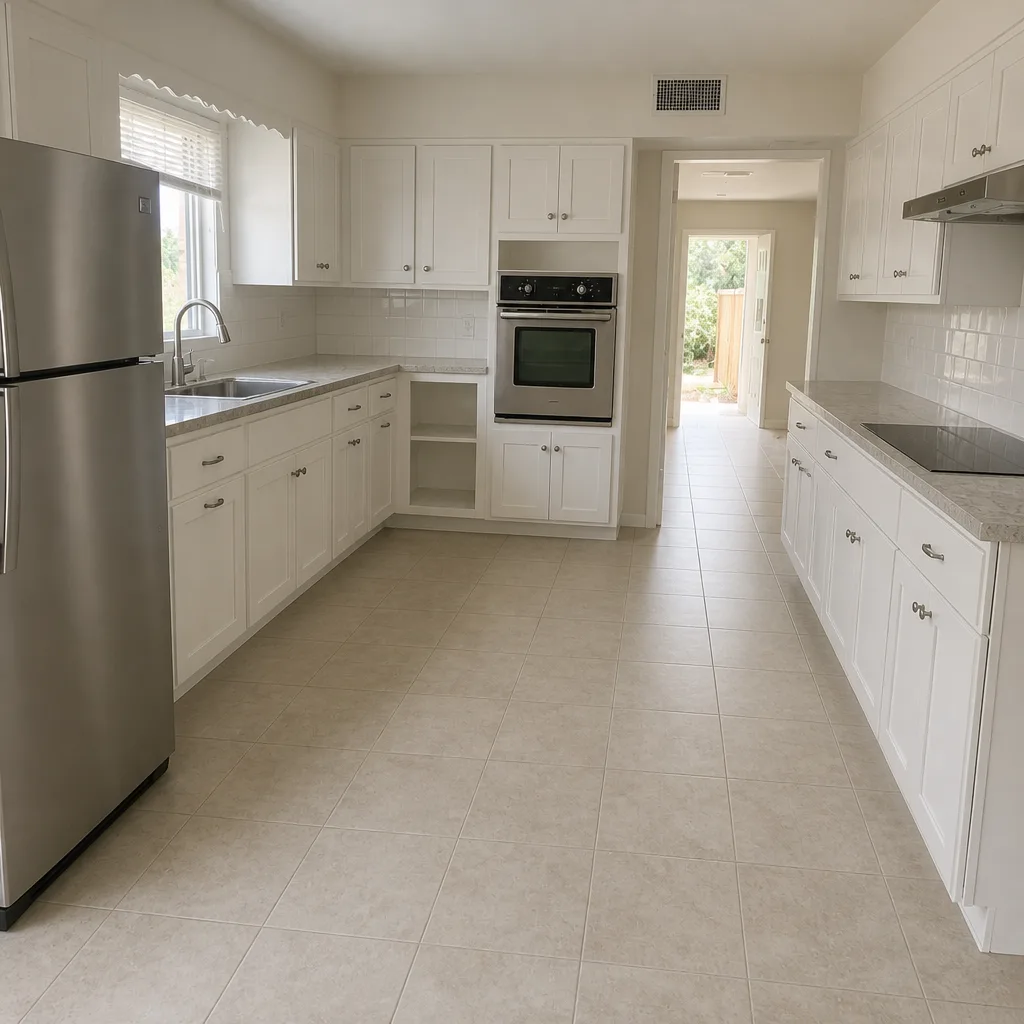
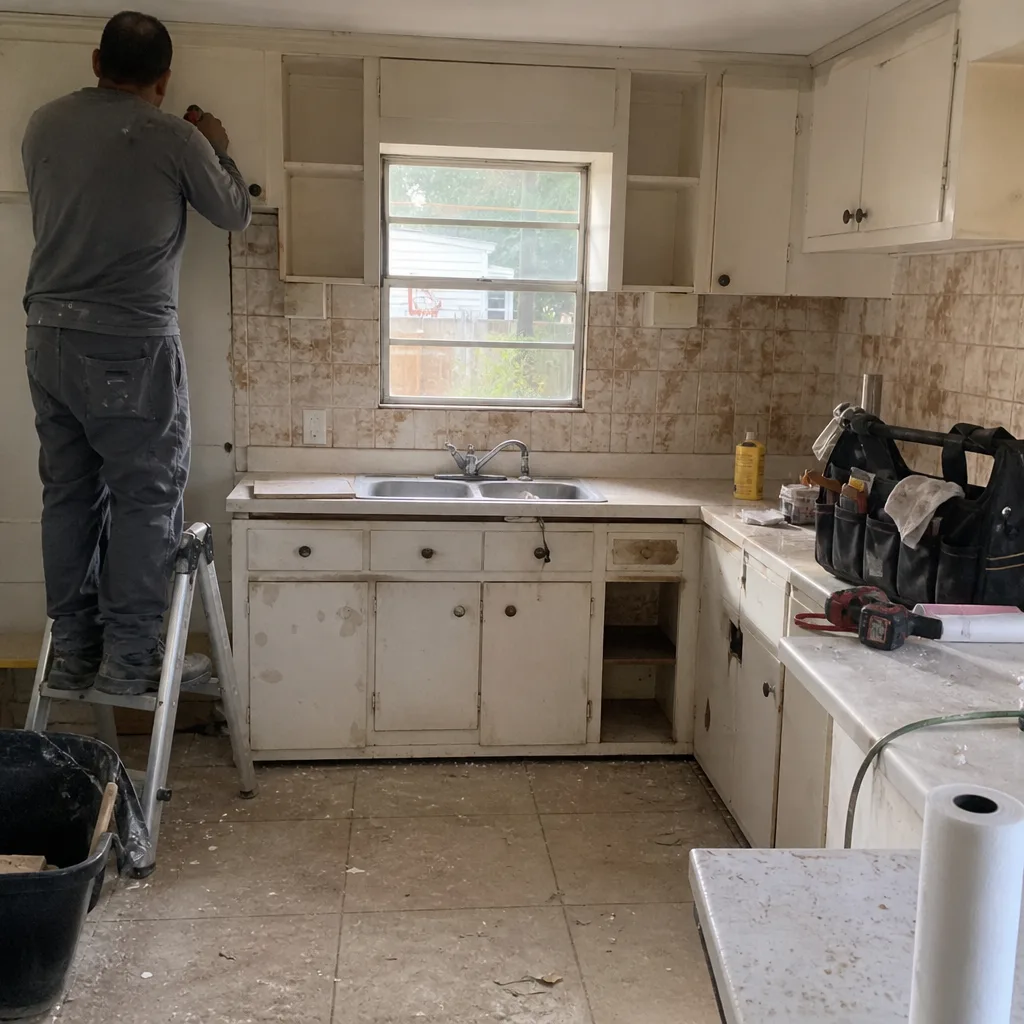
See the difference
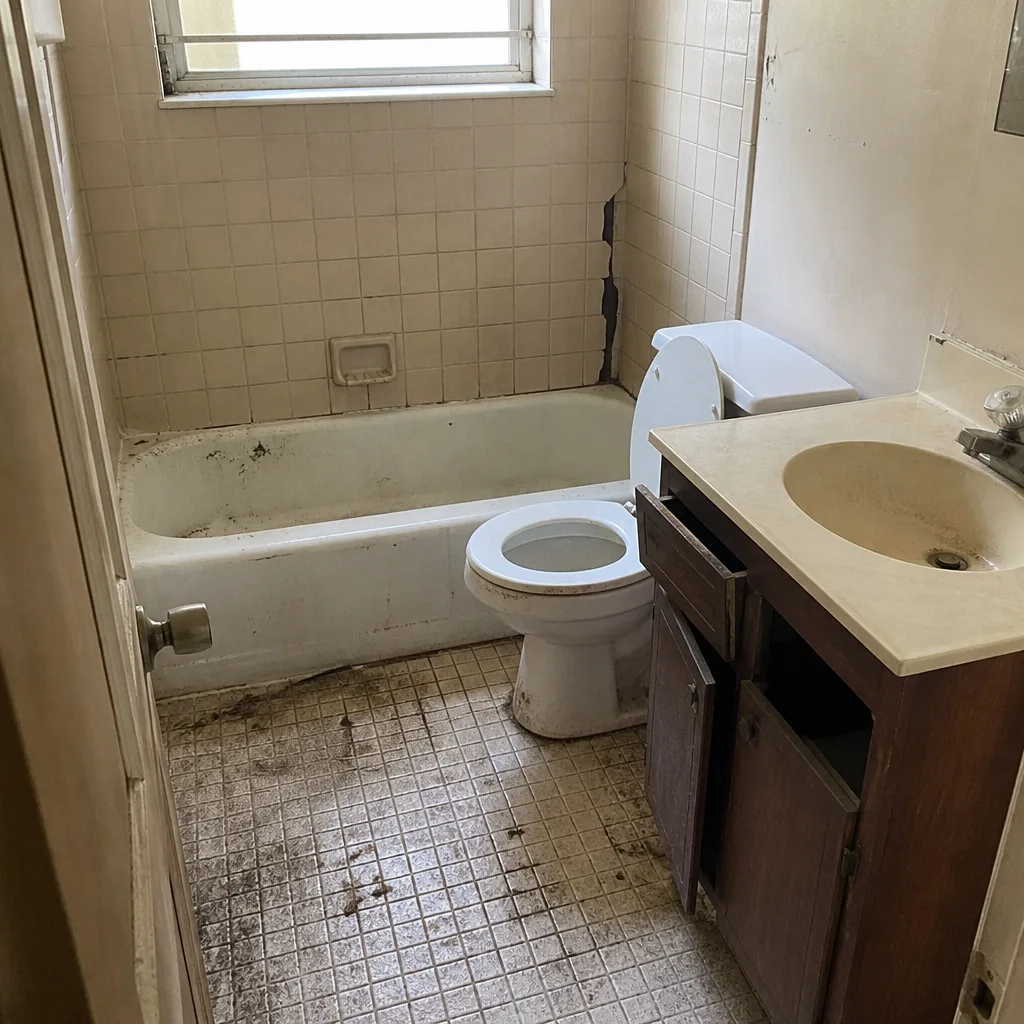 Before
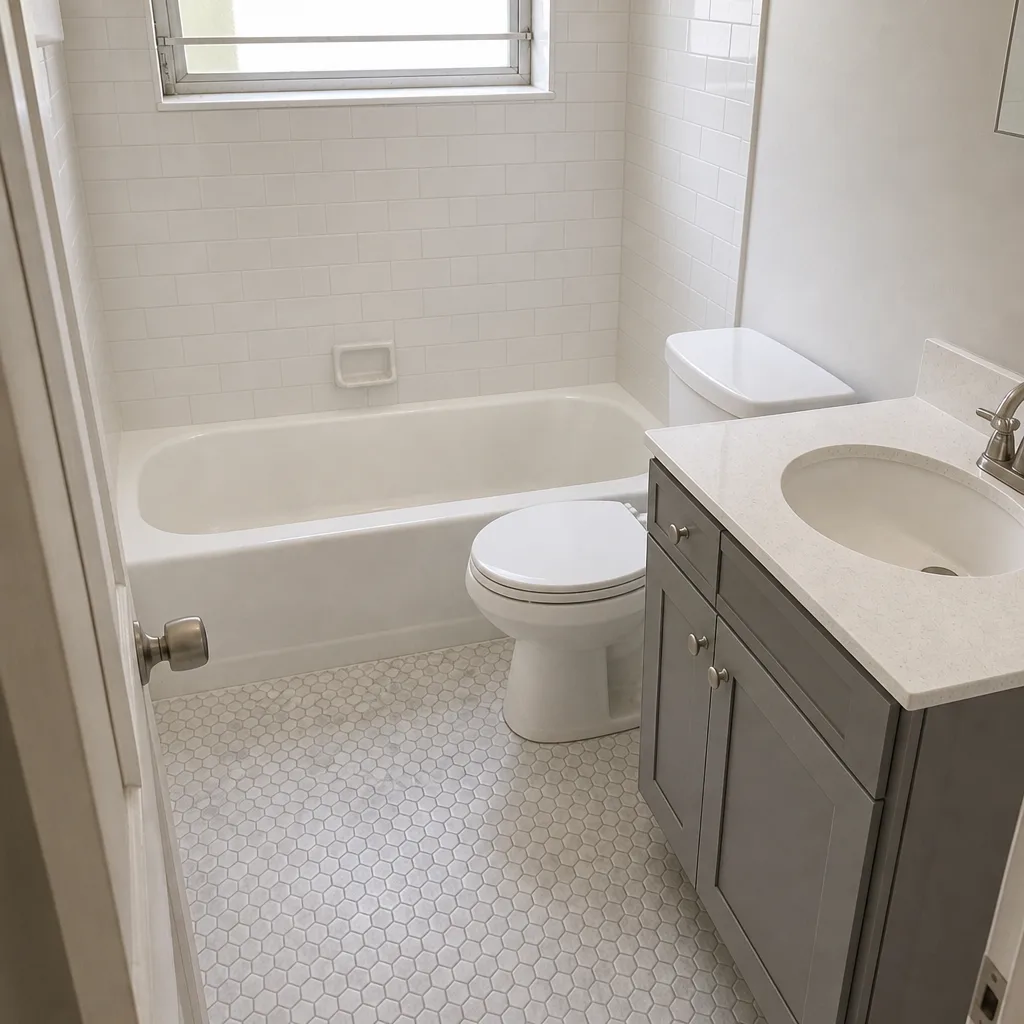 After
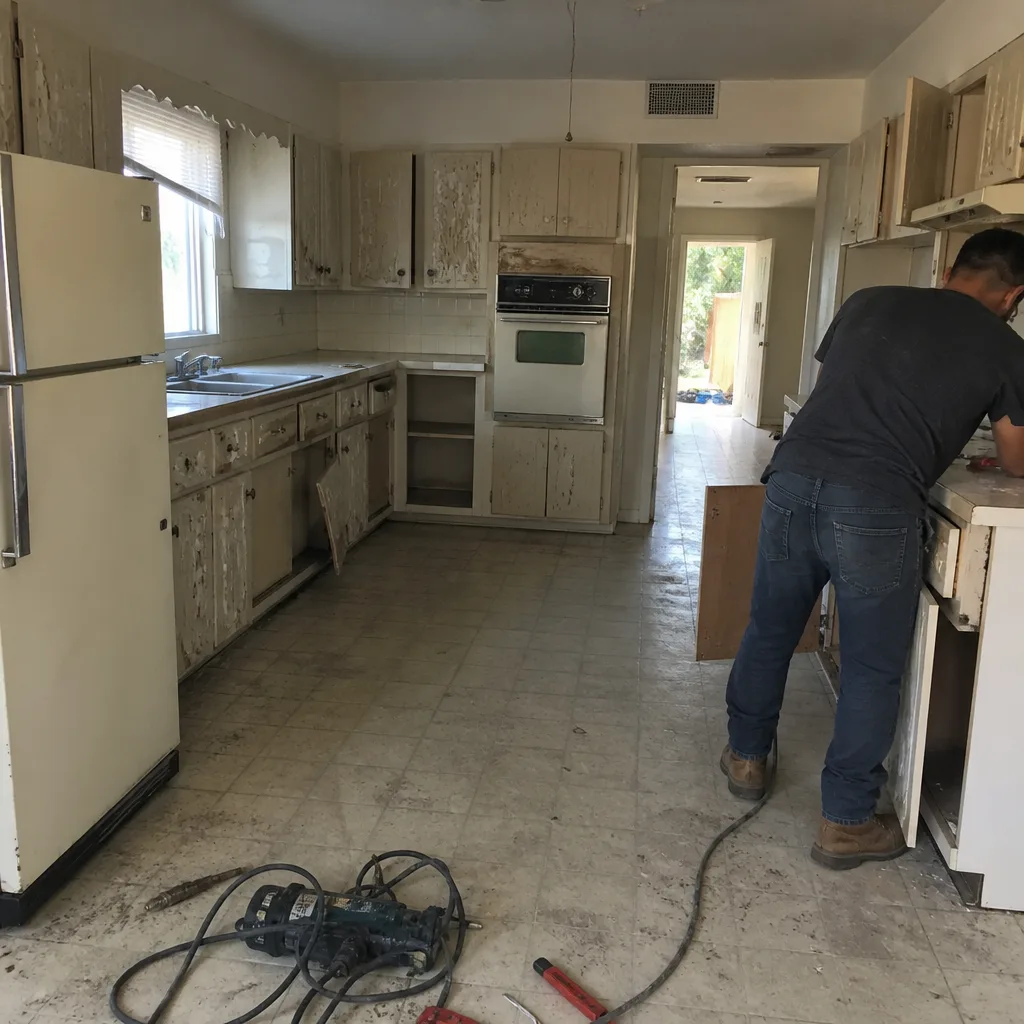 Before
 After
 Before
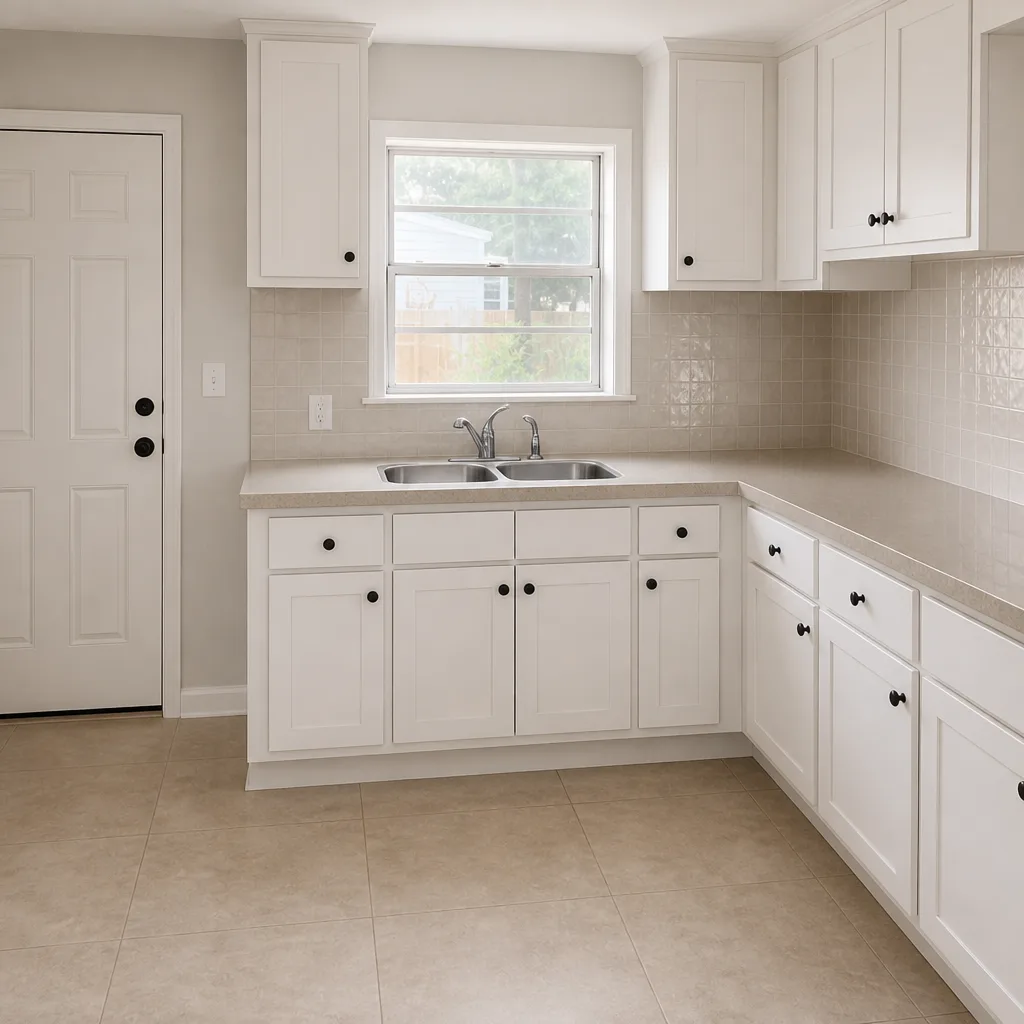 After
When to Call a Professional
Some things you can do yourself. Structural work in an HVHZ isn’t one of them. Call a professional when you’re:
- Opening walls or changing the footprint – the load path and window schedule are engineering decisions.
- Managing a permit that requires signed and sealed drawings, inspections, or a certificate of occupancy.
- Facing a pre-1975 home with aging cast iron, aluminum wiring, or no impact protection.
- Budgeting a whole-home remodel or addition where the line items run into six figures and a scope error costs real money.
- Replacing HVHZ-rated windows, doors, or roofing, where the wrong product simply won’t pass inspection.
Penhallow Remodeling North Miami offers free estimates in North Miami – call (888) 255-7411. We’ll bring a written scope and a written price to the first visit, and you’ll know exactly what the job costs before anyone picks up a hammer.
Frequently Asked Questions

Plan review for a residential remodel typically runs 3 to 6 weeks inside the City of North Miami, and 4 to 8 weeks through Miami-Dade County for unincorporated properties, with complex additions running longer. The biggest driver of delay isn’t the reviewer – it’s an incomplete submittal missing product approvals or engineering. Call (888) 255-7411 for an exact quote on your project.
Not technically required to own the house, but any new or replaced window in the High-Velocity Hurricane Zone must carry a Miami-Dade product approval number. That’s the practical outcome: replace a window in North Miami and you’re installing an HVHZ-approved impact or shutter-ready assembly. Budget for the premium versus standard windows – typically 20 to 40 percent more.
Mid-range kitchens typically run $28,000 to $55,000 in North Miami, with the cabinet line, countertop material, and whether the layout is changing being the three biggest cost drivers. A written scope that names KraftMaid or Wellborn cabinetry and a specific countertop material is the only way to know what you’re actually buying. Call (888) 255-7411 for a written price on your kitchen.
It’s jurisdictional: your property address either sits inside city limits or in unincorporated Miami-Dade. Both enforce the HVHZ and both require county product approvals, but the counters, submittal packets, and inspection turnaround differ. Confirm jurisdiction before you ask for a schedule – it will be the first question a builder should ask you.
Not if the scope was written correctly. A serious written scope – with demolition, substrate, product specs, and exclusions spelled out – anticipates what demo typically reveals in a North Miami home. Change orders are legitimate when the house surprises everyone; they’re a red flag when the original scope was vague. The number on day one should be the number on the invoice.
For most structural additions, yes. North Miami’s soils range from limestone pinnacle in the west to fill and high water tables near Biscayne Bay, so footing design has to be based on the specific lot. A geotechnical report typically runs $1,200 to $3,500 and is the cheapest insurance in the whole project.
The Bottom Line
Construction in North Miami runs on three realities: HVHZ product requirements that add real money to every window, door, and roof; a permit and inspection process that follows a numbered sequence; and soils that change footing strategy block by block. Everything else is execution. Get the scope in writing, ask which jurisdiction your property sits in, lock the finish selections before the permit is issued, and refuse a price that isn’t specific. The homeowner who walks in knowing the sequence wins the negotiation before the first walk-through. The Penhallow Remodeling North Miami home page is the place to start the conversation, and please review our process before you sit down with any contractor.
Penhallow Remodeling North Miami operates under The Kingswell Way – say the price before the work, show up in the window we gave, and leave the place cleaner than we found it. Every project gets a written price before a single cabinet is pulled, and every project carries the 365-Day Done Right Promise: if the work fails inside the guarantee period, we come back and make it right at no charge. A live person answers the phone around the clock, and every technician on every job is background-checked and arrives in uniform. Call (888) 255-7411 to schedule your free estimate in North Miami – you’ll get a written scope and a written price, and no pressure to sign anything on the first visit.
Written by the team at Penhallow Remodeling North Miami.