Last updated November 17, 2026






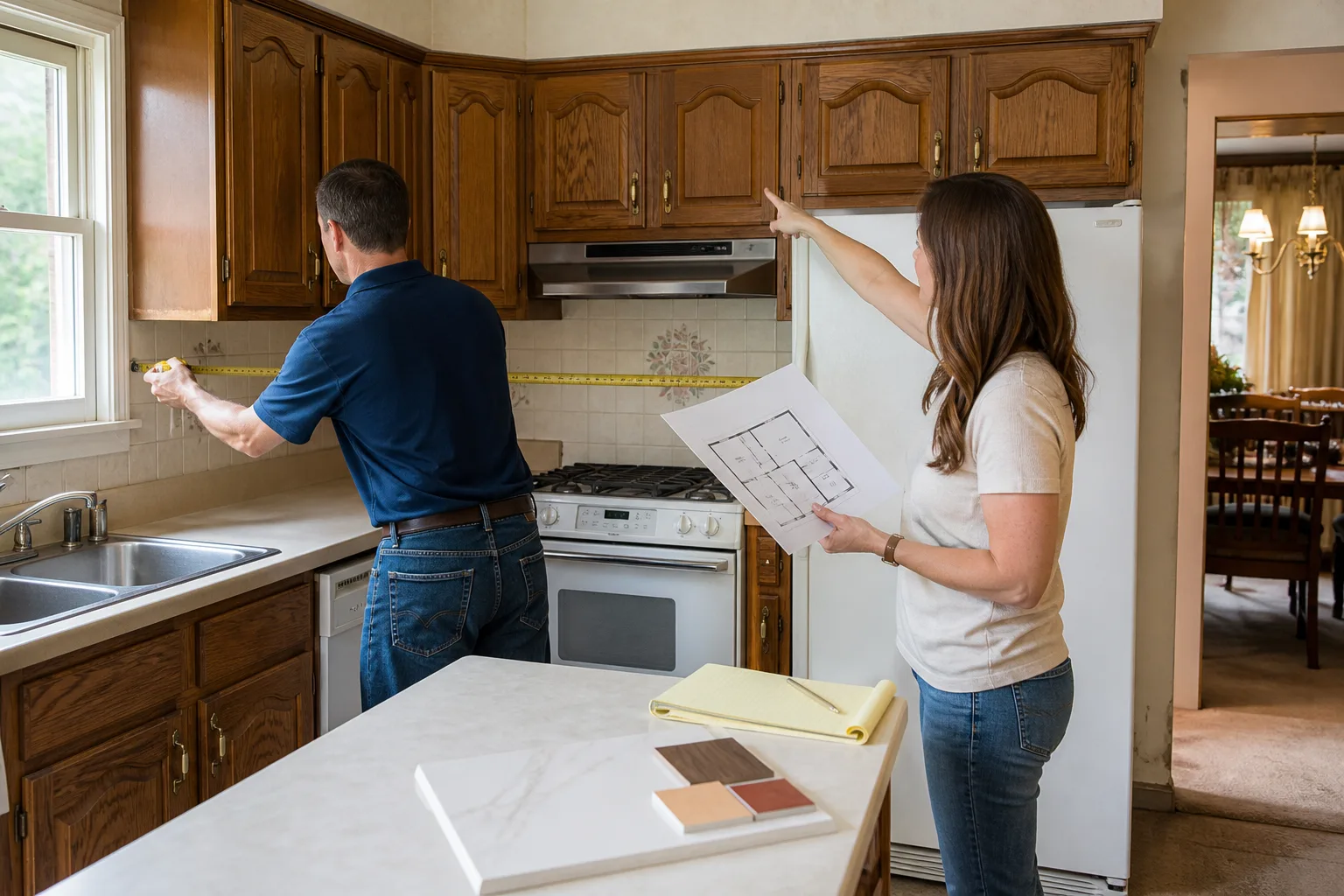
Free written scope consultation - allowances, timeline, and change-order rules on paper before a single trade is scheduled
Construction Cost Breakdown: The North Miami Homeowner’s Reference for 2026
When a national cost estimator says a kitchen remodel averages $25,000, it isn’t accounting for Miami-Dade permit fees, HVHZ-compliant materials, or the fact that every skilled trade in South Florida is currently booked weeks out. That gap between the national number and the real local number is where budgets blow up. We’ve watched homeowners walk into a project with a number from a website and walk out with a number that’s 40% higher, mostly because nobody explained what makes North Miami different. This guide puts actual line items on paper: kitchens, bathrooms, roofs, impact windows, additions, and the hidden costs that catch people flat-footed in North Miami.
Quick Answer
In North Miami, realistic 2026 remodel costs run roughly $28,000 – $95,000 for a kitchen, $14,000 – $42,000 for a bathroom, $18,000 – $38,000 for a roof replacement, $12,000 – $30,000 for impact windows, and $90,000 – $260,000 for an addition, depending on size, finishes and code requirements. The single biggest reason North Miami sits above state and national averages is the High Velocity Hurricane Zone (HVHZ) code, which dictates specific tested materials and installation methods for roofs, windows and structural components. Miami-Dade permit fees and inspection requirements add a layer most national estimators ignore entirely.
Styles & brands we work with
- Kitchen remodeling
- Bathroom remodeling
- Home additions & ADU
- Roofing
- Windows & doors
- Driveway & pavers
- Fence
Table of Contents
- Realistic 2026 Cost Ranges by Project Type
- Why North Miami Costs More Than State and National Averages
- How to Read a Contractor’s Line-Item Estimate
- The Real Cost of Change Orders
- What a Written, Fixed-Price Contract Protects You From
- Structuring Payment Milestones Around Inspections
- Neighborhood Note: Costs Vary by Block in North Miami
Realistic 2026 Cost Ranges by Project Type
Here’s what we see on actual estimates in North Miami, broken into three tiers. Low tier means stock or entry-level materials, a simple layout that isn’t changing, and no major surprises behind the walls. Mid tier is the range most homeowners land in: quality materials, some layout changes, and one or two upgrades that matter. High tier is custom everything, moving plumbing or load-bearing walls, and premium finishes. The numbers below are project totals, not per-square-foot estimates, because square footage alone tells you very little about what a job will cost.
- Kitchen remodel: $28,000 – $55,000 low; $55,000 – $75,000 mid; $75,000 – $95,000+ high
- Bathroom remodel: $14,000 – $22,000 low; $22,000 – $32,000 mid; $32,000 – $42,000+ high
- Roof replacement: $18,000 – $24,000 low; $24,000 – $32,000 mid; $32,000 – $38,000+ high
- Impact windows (whole home): $12,000 – $18,000 low; $18,000 – $24,000 mid; $24,000 – $30,000+ high
- Home addition: $90,000 – $150,000 low; $150,000 – $210,000 mid; $210,000 – $260,000+ high
What pushes a kitchen from low to high tier isn’t the cabinets alone. It’s whether you’re relocating a gas line (which requires a licensed plumber and a separate permit), whether the electrical panel has capacity for a new range and dishwasher, and whether the existing layout has a wall that turns out to be structural. In North Miami, a 1950s ranch near Griffing Park and a 1990s build near Keystone Point can have wildly different electrical and plumbing situations behind the same tile.
Why North Miami Costs More Than State and National Averages
The gap between a national remodeling cost and a North Miami cost comes down to three things: hurricane code, permit overhead, and labor supply. Each one is real money on the invoice, and none of them show up on a generic online calculator.
Hurricane code (HVHZ). Miami-Dade County falls inside the High Velocity Hurricane Zone, which means every roof covering, window, door and exterior attachment must be tested and rated to specific wind-load standards. A standard three-tab shingle roof in another state is not an option here. You’re installing a wind-rated roofing system from a manufacturer like GAF or CertainTeed with a Miami-Dade Product Approval number, and the underlayment, fasteners and edge metal all have to match the approval. That’s typically 15 – 25% more on roofing material than the same square footage outside the HVHZ.
Permit and inspection fees. Miami-Dade County and the City of North Miami both charge permit fees based on project valuation, and every structural, electrical, plumbing and mechanical change gets its own inspection sequence. A kitchen remodel that relocates a sink might involve three separate inspections before the final. Permit fees on a mid-range kitchen typically land between $1,200 and $2,800, and the inspection scheduling adds real time to the job.
Labor market tightness. After every active storm season, the same licensed trades that do remodeling work get pulled into repair and rebuild jobs. Skilled tile setters, cabinet installers and electricians in South Florida are consistently booked weeks ahead. That tightness translates to higher labor rates and less flexibility on scheduling, and it’s why a contractor who can lock in a crew and a start date is worth more than a bid that’s 8% cheaper from someone who can’t tell you when they’ll show up.
How to Read a Contractor’s Line-Item Estimate
A line-item estimate lists every scope item with its own price: demolition, framing, rough plumbing, rough electrical, drywall, tile, cabinetry, countertops, fixtures, paint, cleanup. A lump-sum estimate gives you one number and a list of what’s “included.” On a North Miami project where permits and inspections are a big part of the cost, the line-item version is the only one you can actually compare and audit.
Read the estimate in this order:
- Check that permits are a line item. If permits aren’t listed, either the contractor is burying the cost (ask where) or they’re planning to skip them, which is a red flag in Miami-Dade.
- Look for the word “allowance.” An allowance is a placeholder number for a material not yet chosen. A $2,000 tile allowance sounds fine until you realize the tile you actually want costs $4,800. Ask what happens if you go over: does the contractor bill the difference at cost, or with a markup?
- Find the contingency line. A real estimate should have a stated contingency (often 10 – 15%) for unknown conditions behind the walls. If there’s no contingency, the contractor plans to come back for more money, or they’ve padded the base number to cover it silently.
- Check what’s excluded. Exclusions are where surprises live. Look specifically for wording around structural repairs, mold remediation, and re-routing of existing utilities.
- Confirm the materials are named. A line that says “cabinetry” is vague. A line that says “KraftMaid or Wellborn, shaker door, soft-close” tells you what you’re actually buying.
If your estimate doesn’t survive this checklist, ask questions before you sign. A contractor who can’t explain their own line items in plain language is a contractor who will change the number later.
The Real Cost of Change Orders
A change order is any modification to the scope after work begins. On paper, a change order looks like a small dollar amount: moving an outlet, adding a cabinet, upgrading a faucet. The dollar cost is only part of it. The real cost is how a change interacts with permits and inspection sequencing, and that’s where North Miami projects lose weeks.
Example: mid-way through a bathroom remodel, you decide to move the toilet to the other wall. That’s a plumbing change. The plumbing rough-in inspection that already passed now has to be reopened, re-inspected and re-approved before the drywall can close. That’s a permit amendment, a new inspection booking, and a stall on every trade behind it. The plumber’s change order might be $600. The domino effect can be two to three weeks of delay and a cascading set of crew reschedules.
- Change orders that touch plumbing, electrical or structural work are the most expensive because they re-trigger inspections.
- Change orders that are finishes only (tile, paint color, fixture swap at same spec) are usually the cheapest and fastest.
- Change orders after final inspection has been scheduled typically push the whole project back to the end of the queue.
We’ve found the single best way to reduce change order cost is to finalize every plumbing, electrical and layout decision before demolition starts. Finishes can still move. Walls and pipes shouldn’t. If you’re planning a bathroom remodel and want to understand the sequencing, our guide to bathroom remodeling in North Miami walks through the inspection order.
What a Written, Fixed-Price Contract Protects You From
A written, fixed-price contract locks the scope and the number. On every job we run, the written price is presented before any work starts, and it stays the number on the invoice. That structure protects you from the most common way remodeling budgets fail: the number at the door that grows as the work reveals problems.
What it protects against:
- Scope creep on your side. The contract makes it formally clear what’s in scope and what triggers a change order, so additions are priced rather than absorbed silently.
- Surprise escalation. A fixed price means the contractor has to price the unknown conditions up front (via contingency) rather than billing you later.
- Verbal promises. If it isn’t in the written contract, it doesn’t exist. Every guarantee, warranty and included item should be on paper.
What it doesn’t protect against:
- Hidden conditions that no one could see before demolition. A rotten subfloor under tile, or termite damage in a wall, is unknowable until the wall opens. This is what the stated contingency exists for. A good contract explains the contingency mechanism and how it gets used.
- Owner-directed changes. If you add a wall or move a fixture, that’s a change order, not a guarantee violation.
- Acts of nature. Storm damage, flooding and other events outside a contractor’s control are typically excluded from any fixed price.
Every Penhallow project carries the 365-Day Done Right Promise: if something we install or build fails inside a year, we come back and fix it at no charge, and it’s covered in writing. We source materials from manufacturers like KraftMaid, Wellborn, Cambria and Kohler so the products behind that promise are solid in their own right. If you want to read how that guarantee applies across a full project, our general contractor page for North Miami lays it out.
Structuring Payment Milestones Around Inspections
The way a contract is paid is almost as important as the price. A payment schedule should track real progress you can verify, not calendar dates and not a big deposit up front. The safest structure ties each payment to an inspection milestone, so you pay for work that has actually been inspected and approved.
A milestone structure we recommend for North Miami remodels:
- Deposit: small, typically 10 – 15% at contract signing, held against material ordering.
- Rough-in payment: tied to passing rough plumbing and rough electrical inspections. You see the signed inspection card before you write the check.
- Drywall and finish payment: tied to drywall inspection and start of finish work.
- Final payment: released after final inspection passes and a punch list is signed off.
Avoid any contract that wants 50% up front, and avoid any contract where payment dates are set before the work exists. A contractor who can fund their own materials for the first stage is a contractor with real operating discipline. And a contractor who builds their schedule around inspections is a contractor who understands Miami-Dade permitting, which is the difference between a job that finishes on time and a job that sits. If you’re planning a kitchen remodel and want to see the payment structure in context, our kitchen remodeling in North Miami page covers it line by line.
Neighborhood Note: Costs Vary by Block in North Miami
Two houses on the same street in North Miami can carry very different cost profiles depending on when they were built. A home built in the 1950s near Sans Souci or Griffing Park typically has galvanized or early copper plumbing, a fuse panel that needs upgrading, and possibly asbestos in older tile mastic, all of which add real dollars to a remodel. A home built in the 1990s near Keystone Point or Eastern Shores usually has 200-amp electrical and PVC plumbing already in place, which drops the cost of rough-in work significantly.
We also see different insurance and code realities per neighborhood. Properties closer to Biscayne Bay carry flood-zone designations that affect how additions and elevated structures are built, which changes structural cost. And roofs on older inland homes are more likely to have been patched and re-patched, meaning a tear-off rather than a layover, which is more disposal and more labor.
Water quality and drainage are also local factors. North Miami sits on a coastal aquifer, and standing water around a slab foundation after heavy rain is common during the summer wet season. That can mean a foundation assessment is worth including in the budget even when it doesn’t look urgent on day one. This is the kind of thing that a national cost estimator can’t account for and a local contractor sees every week.
If you’re planning a whole-home scope rather than a single room, our Penhallow Remodeling North Miami home page has an overview of how we scope and price multi-room projects.
Common Mistakes to Avoid
- Using a national cost calculator as your budget. A calculator that doesn’t know about HVHZ materials or Miami-Dade permit valuations will leave you 20 – 40% short in North Miami, and the gap gets discovered after demo when you can’t undo anything.
- Accepting a verbal estimate or a lump-sum number without line items. If you can’t see where the money goes, you can’t audit it, and you’ll be negotiating over the invoice instead of having a written number you can hold someone to.
- Paying for materials before the rough-in inspections pass. Milestone payments tied to passing inspections are a self-check that the work is actually done and approved. Any payment schedule not tied to verifiable progress is a risk.
- Underestimating the cost of a relocation. Moving a sink, toilet or stove across a room triggers a plumbing inspection re-sequence and adds days. Add 15 – 20% to the plumbing line for any relocation in your budget.
- Choosing a contractor before they can tell you which trades they’ll schedule and when. Post-storm labor tightness is real. A contractor who can’t name their plumber, electrician and tile setter and give you a rough availability window is a contractor who will stall your job.
- Signing before the contingency mechanism is explained. Hidden conditions behind walls are real in a region where humidity cycling is brutal. If the contract doesn’t say how contingency dollars get approved, ask before you sign.
- Not pulling the permit. Skipping permits in Miami-Dade might save a few dollars now and cost ten times that later when you sell. Every inspection milestone is your protection that the work is actually up to code.
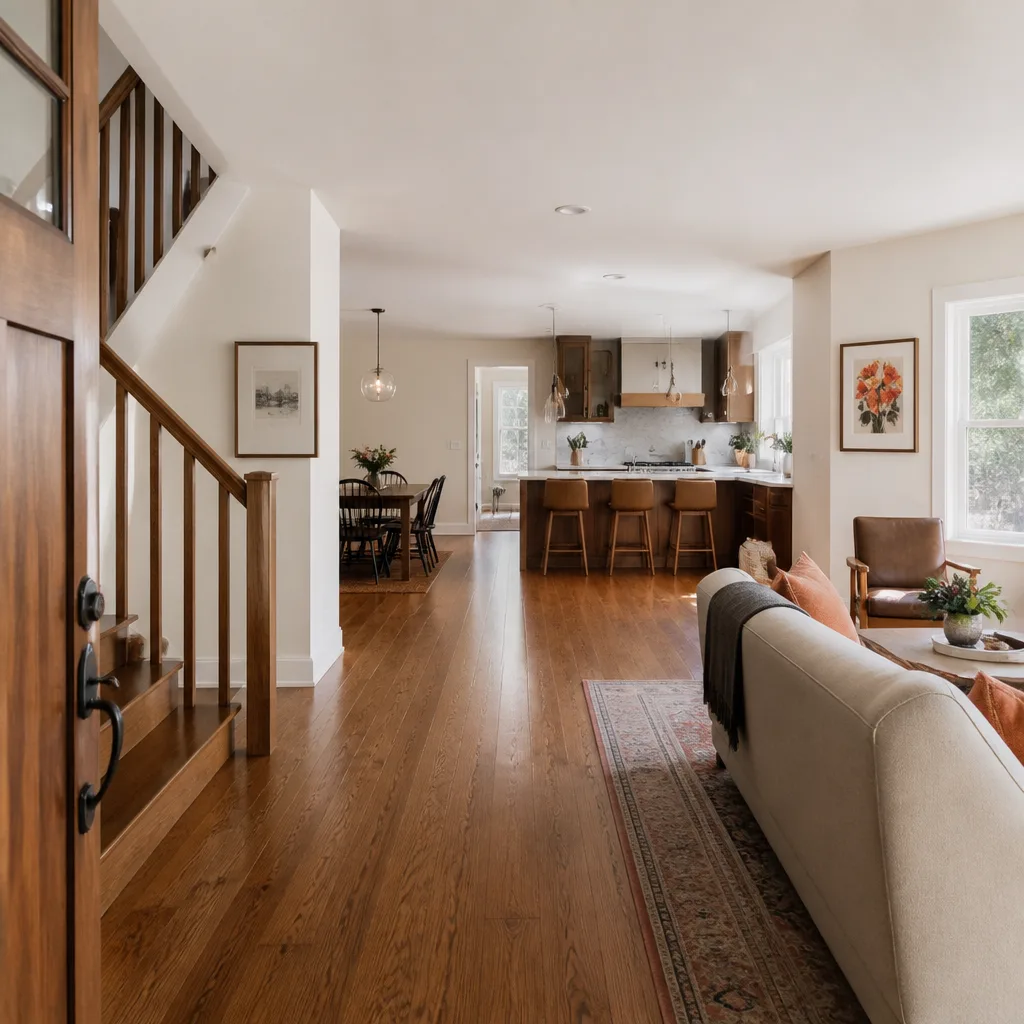
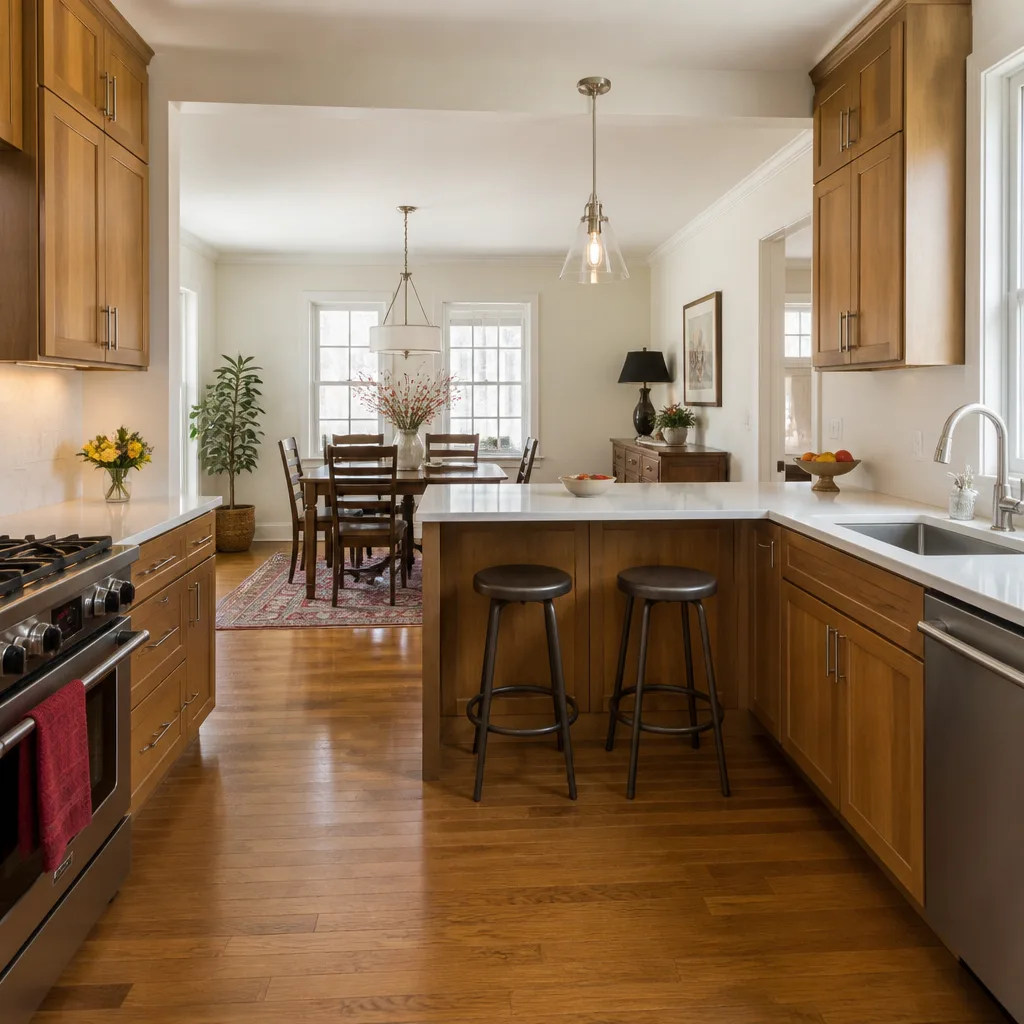
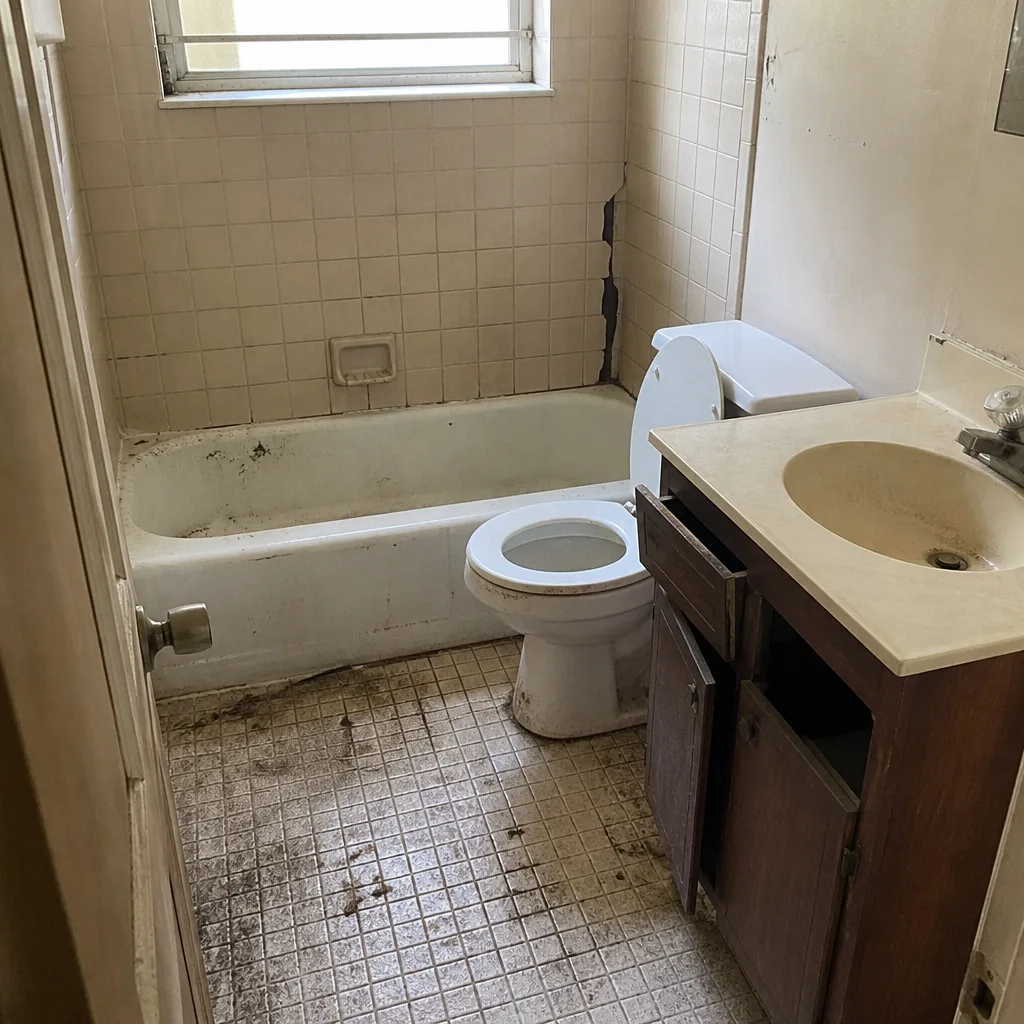
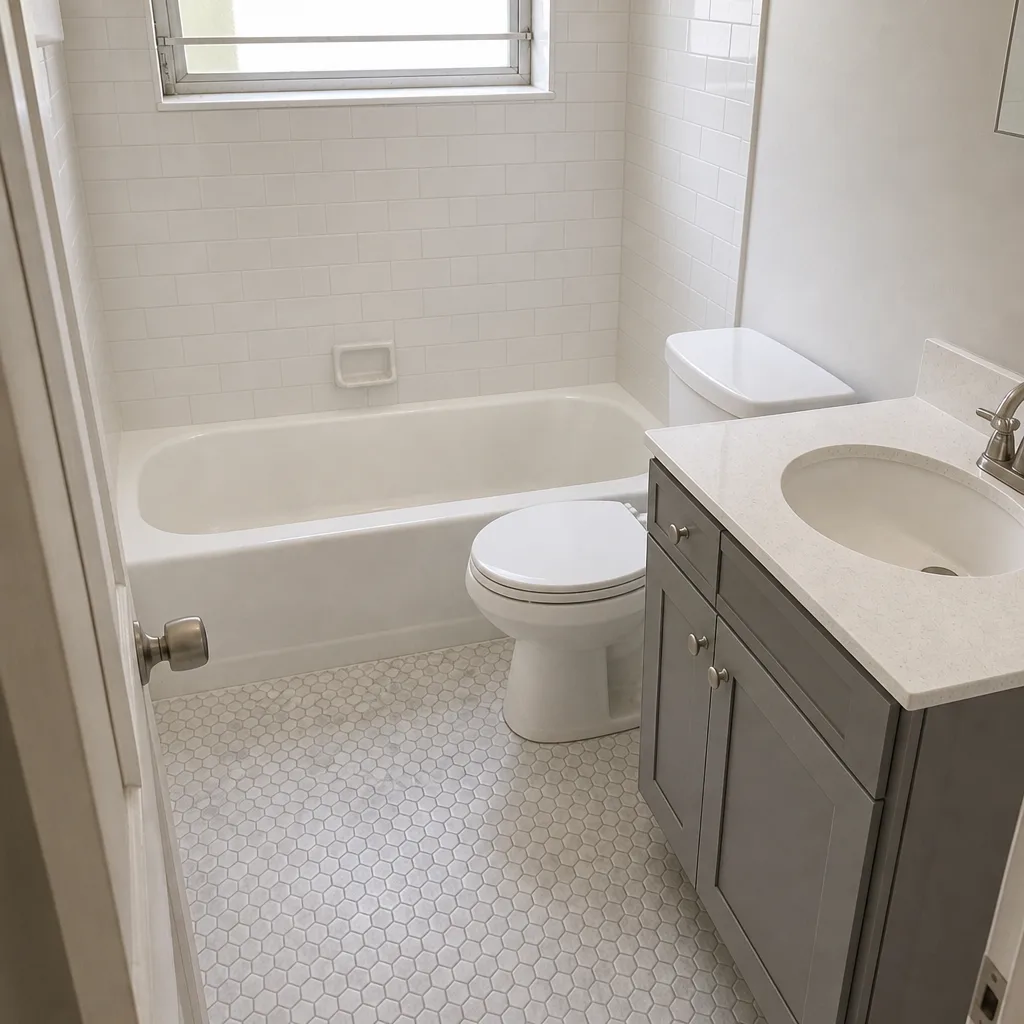
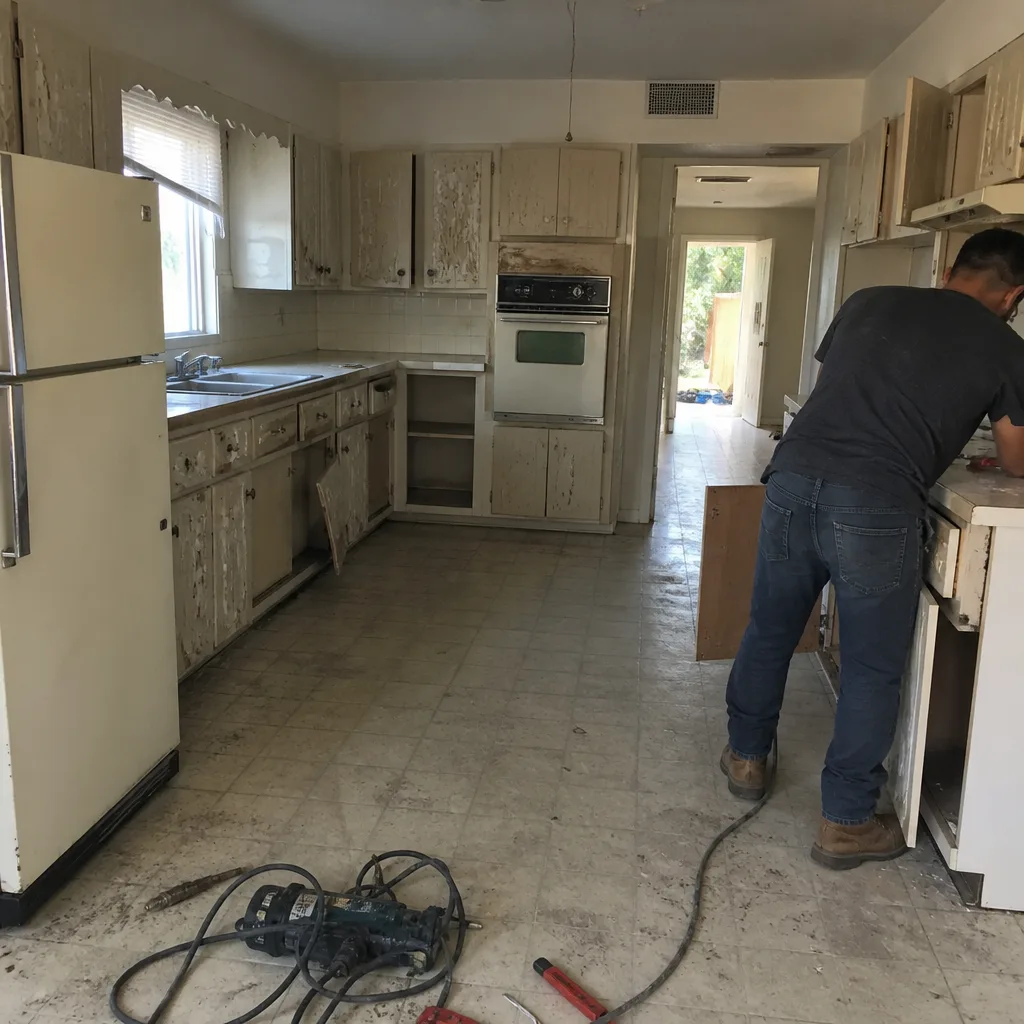
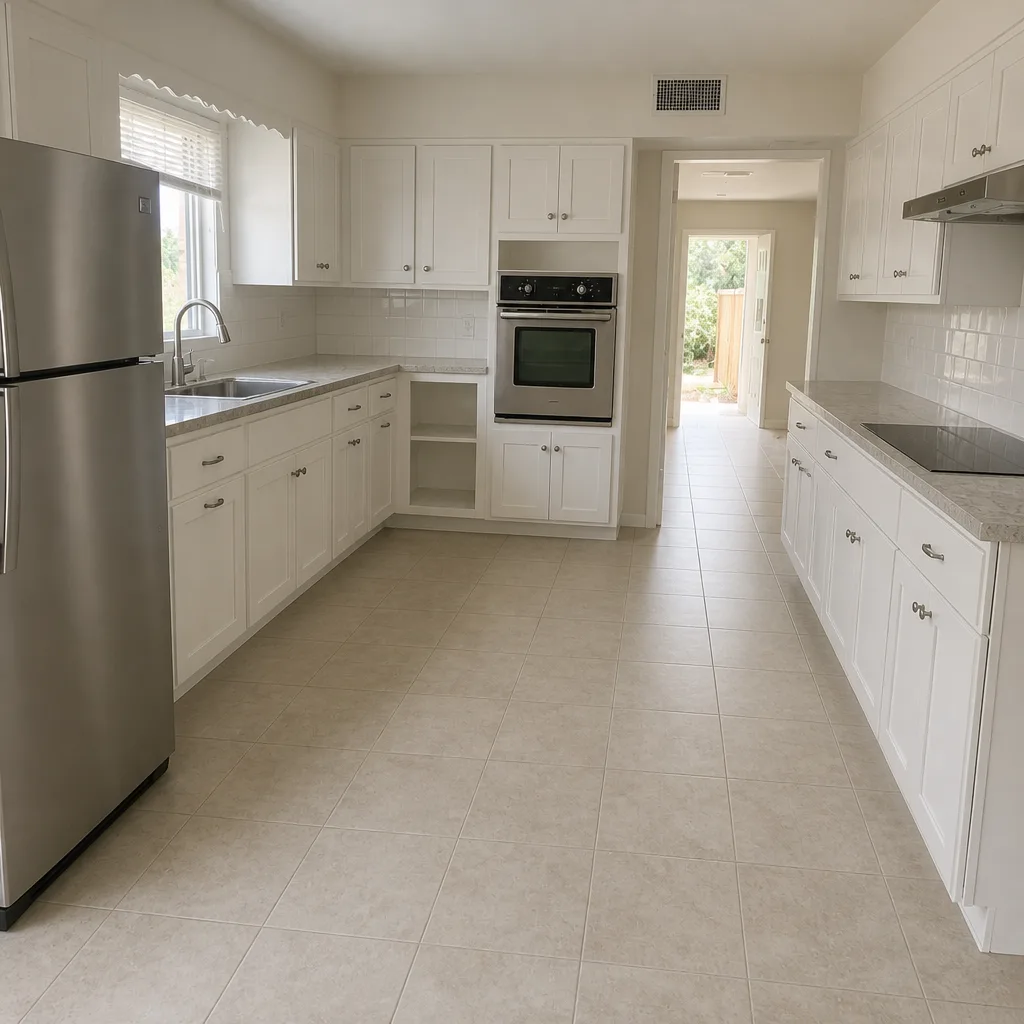
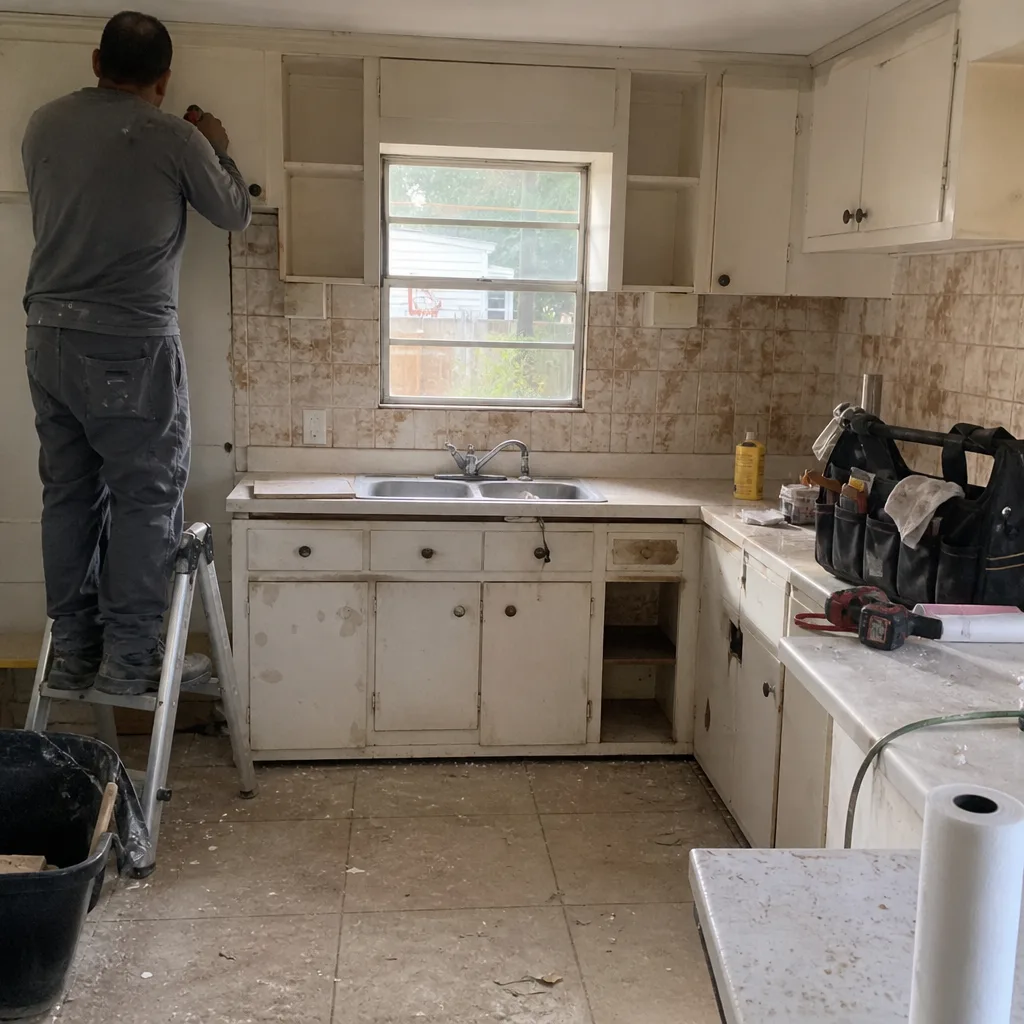
See the difference
 Before
 After
 Before
 After
 Before
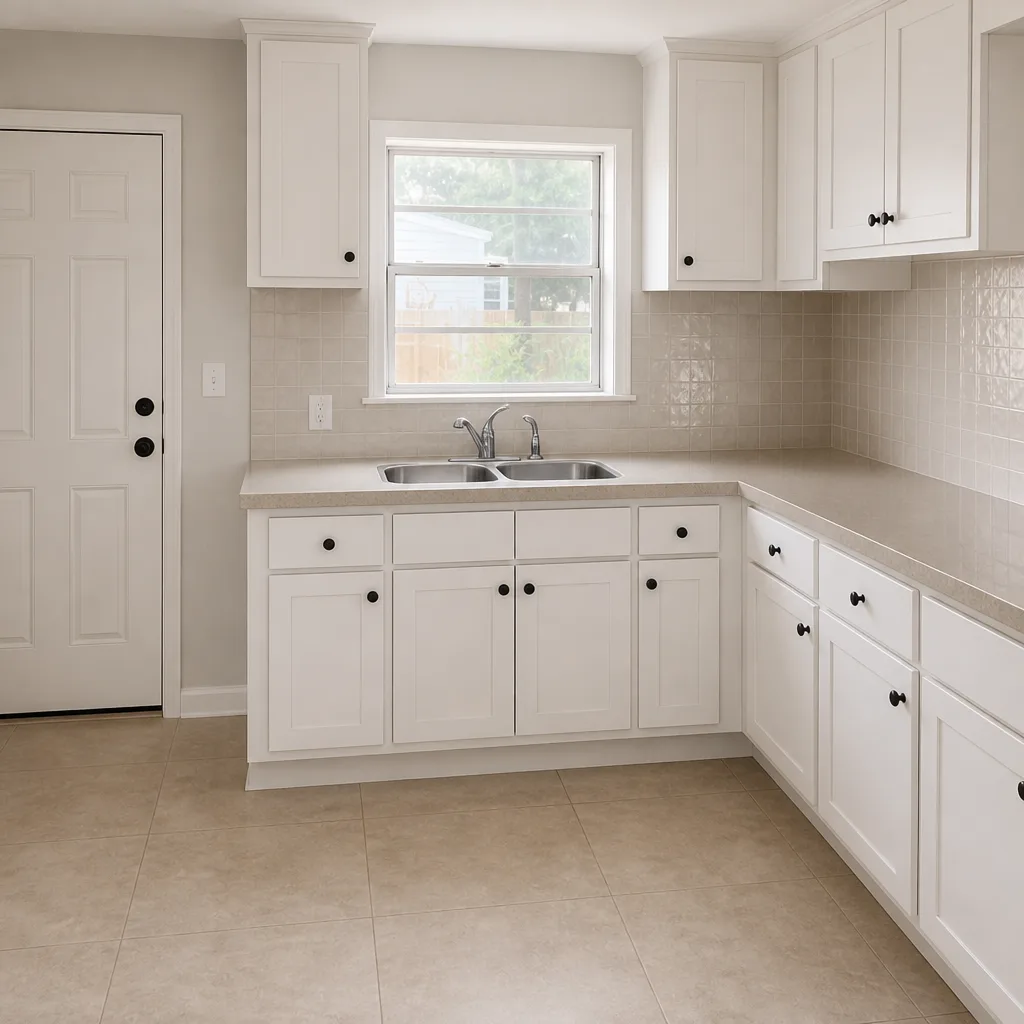 After
When to Call a Professional
Call a licensed general contractor for anything that touches the building envelope, moves plumbing or electrical, or requires a permit: a kitchen or bathroom remodel, a roof replacement, impact windows, or an addition. In South Florida, DIY electrical in a wet zone like a bathroom or kitchen is a genuine safety issue, and the wind-load requirements in the HVHZ mean the roof and window installation has real code obligations attached. The permit and inspection sequence isn’t optional if you plan to sell, insure or finance the home. A professional handles the permit, schedules the inspections and takes responsibility for meeting the code. Penhallow Remodeling North Miami offers free estimates in North Miami, with a written price before any work starts and a written guarantee on every project. Call (888) 255-7411 to schedule yours.
Frequently Asked Questions

A kitchen remodel in North Miami typically costs between $28,000 and $95,000, depending on layout changes, cabinet line and countertop material. The variables that move the number most are whether plumbing or electrical is being relocated, which cabinet line you choose (a KraftMaid vs. Wellborn spec will price differently), and whether the home needs an electrical panel upgrade to support modern appliances. Call (888) 255-7411 for an exact quote on your kitchen, with a written price before any work starts.
North Miami construction costs more than national averages primarily because of the High Velocity Hurricane Zone (HVHZ) code, Miami-Dade permit fees, and a tighter skilled labor market. HVHZ requires tested, rated materials for roofs and windows, which runs 15 – 25% above non-HVHZ material costs. Permit fees on a mid-range kitchen typically land between $1,200 and $2,800. And after storm seasons, licensed trades in South Florida are booked weeks out, which raises labor rates. Call (888) 255-7411 for a written estimate that reflects those local realities.
A roof replacement in North Miami typically runs $18,000 – $38,000, with the range driven mainly by square footage and whether the job is a tear-off or a layover. HVHZ-compliant roofing systems from manufacturers like GAF or CertainTeed require Miami-Dade Product Approval on the covering, underlayment, fasteners and edge metal, and that adds material cost over non-hurricane-zone roofs. A tear-off adds disposal cost but is usually necessary on older homes. Call (888) 255-7411 for a free roof evaluation and a written price.
No, on a fixed-price contract the number you sign is the number on the invoice, with two exceptions: hidden conditions that nobody could see before demolition, and owner-directed changes. Both are handled through the stated contingency and change-order mechanism in the contract, and both should be explained in writing before you sign. Our written price is presented before work starts, and the 365-Day Done Right Promise sits behind the finished work. Call (888) 255-7411 to talk through how the contract works on your project.
Yes, we pull the permits and schedule the inspections, and permit cost appears as a line item in the written estimate. In Miami-Dade County, permits are issued by the county or the City of North Miami depending on jurisdiction, and inspections on structural, electrical, plumbing and mechanical work are separate events that have to pass in sequence. Permit fees on a mid-range kitchen typically land between $1,200 and $2,800. Call (888) 255-7411 for a free estimate that includes the permit line.
A typical full bathroom remodel in North Miami takes six to ten weeks from demolition to final inspection, with the longer end driven by inspection scheduling and material lead times. The rough plumbing and rough electrical inspections have to pass before drywall closes, and final inspection has to pass before payment. Relocating a fixture mid-project re-triggers inspections and adds one to three weeks. Call (888) 255-7411 for a realistic timeline on your bathroom, with the schedule in writing before work starts.
The Bottom Line
North Miami remodeling costs sit above state and national averages because of hurricane code, permit overhead and labor supply, and a budget that doesn’t account for those realities will not survive demolition day. The path that works: get a line-item written estimate, confirm permits are in the number, understand the contingency and change-order process, and structure payments around passing inspections. Realistic 2026 ranges land at $28,000 – $95,000 for kitchens, $14,000 – $42,000 for bathrooms, $18,000 – $38,000 for roofs, $12,000 – $30,000 for impact windows, and $90,000 – $260,000 for additions. Get the number in writing and hold the contractor to it. Call (888) 255-7411 for a free estimate from Penhallow Remodeling North Miami.
Written by the team at Penhallow Remodeling North Miami.