Last updated November 17, 2026






Free written scope consultation - allowances, timeline, and change-order rules on paper before a single trade is scheduled
Construction Emergency Preparedness Guide for North Miami Homes
FEMA’s post-disaster data keeps showing the same uncomfortable pattern: homeowners who can document their construction and finishes before a storm recover roughly 30% more on insurance claims than homeowners who can’t. The difference isn’t income or luck. It’s a folder, a phone full of photos, and a short list of phone numbers written down before the power goes out. North Miami sits in one of the toughest wind zones in the country, and the homeowners who come through a bad week in decent shape are almost always the ones who prepared in a quiet week. This guide walks through the documentation file, the pre-storm checklist for CBS homes in the High-Velocity Hurricane Zone, the first 48 hours after damage, how to vet emergency contractors, and what a workmanship guarantee actually covers when the storm is the cause.
Quick Answer
Construction emergency preparedness in North Miami means three things: a documentation file of your home’s construction and finishes stored somewhere that survives flooding, a pre-storm checklist that verifies your impact openings, roof penetrations, and garage door wind rating, and a written plan for the first 48 hours that separates emergency mitigation from permitted permanent repair. Do those three things before hurricane season and you’ll recover faster and claim more than a neighbor who didn’t.
Styles & brands we work with
- Kitchen remodeling
- Bathroom remodeling
- Home additions & ADU
- Roofing
- Windows & doors
- Driveway & pavers
- Fence
Table of Contents
- Building Your Construction Documentation File
- The Pre-Storm Checklist for CBS Homes in the HVHZ
- The First 48 Hours After Storm Damage
- How to Vet Emergency Contractors After a Storm
- What a 365-Day Workmanship Guarantee Covers in a Storm
- Permits, Inspections, and Why They Matter More After a Storm
- Common Mistakes to Avoid
Building Your Construction Documentation File
The single highest-return hour you’ll spend on hurricane preparedness is the one where you photograph your house room by room and write down what’s in it. Adjusters work from evidence. When you can hand an adjuster a dated photo of your kitchen with the cabinet line, countertop material, and appliance model numbers already labeled, the conversation goes differently than when you’re describing what used to be there from memory.
Build the file in three layers. The first layer is visual: wide shots of every room, close shots of finishes, and photos of the exterior from all four sides. The second layer is documentary: your permit records, your closing documents, receipts for any remodel, and warranty paperwork for appliances, cabinetry, countertops, and roofing. The third layer is a simple spreadsheet listing each material and its specification – cabinet brand and line, countertop slab name, fixture models, roofing product, window product and impact rating.
Storage is where most North Miami homeowners get this wrong. A binder in the hall closet doesn’t survive a roof failure and two inches of water. Keep three copies:
- Cloud storage – a shared folder you can reach from any phone, on any network, including a hotel Wi-Fi in another county.
- Email to yourself – a single message with the PDF and a photo album attached, sent to an address you’ll still have access to.
- A physical copy with a relative or friend outside the evacuation zone – someone in Orlando or Atlanta who can fax or email pages to an adjuster if your phone dies.
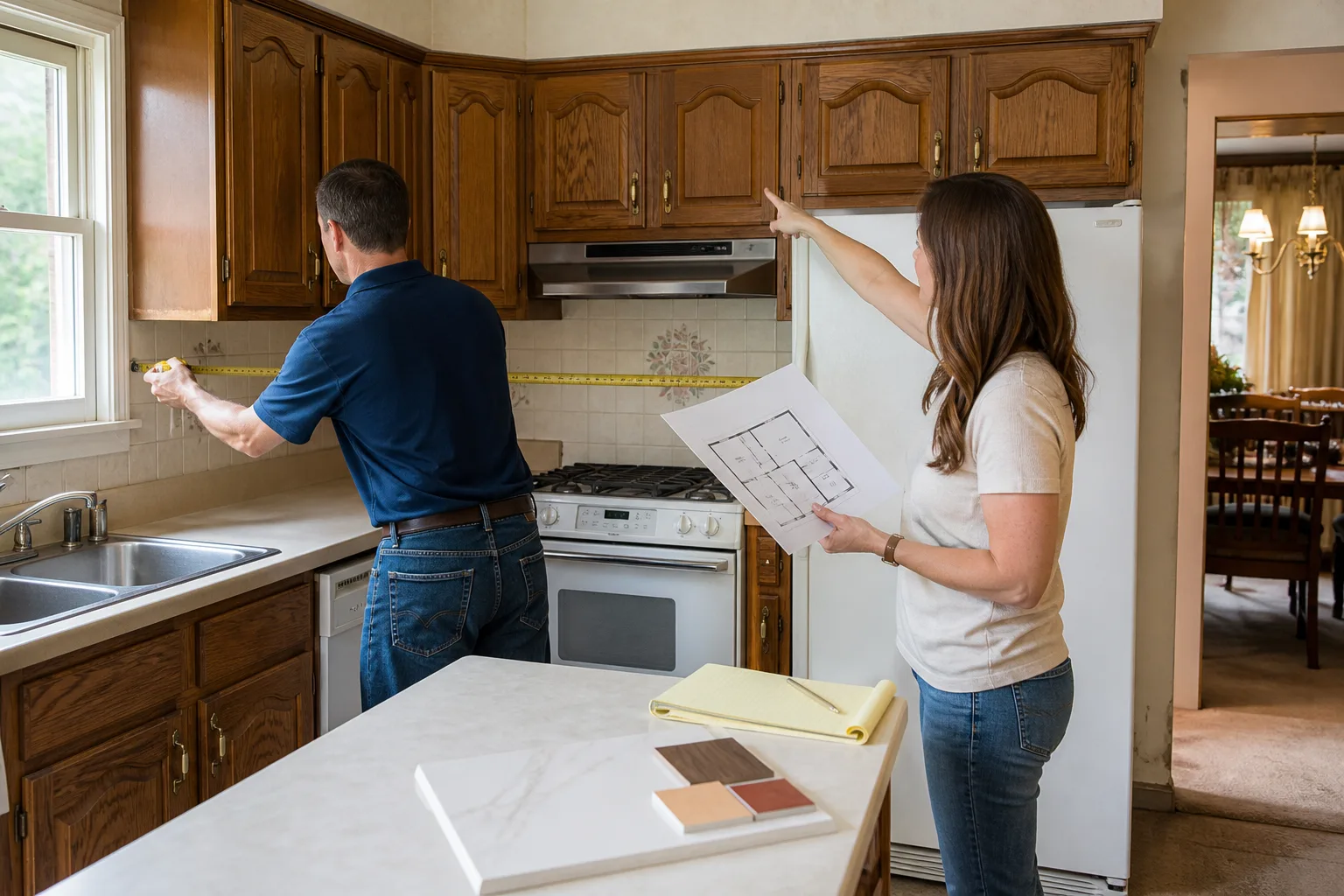
If your home has had a kitchen or bathroom remodel in the last decade, the documentation should include the scope of that work and the material specifications. We keep project files for exactly this reason, and when a homeowner calls us after a storm with the original spec sheet in hand, the repair scope gets written faster and the insurance conversation gets shorter. If you’re planning a remodel and want the paperwork side handled properly from the start, our Kitchen Remodeling in North Miami page explains how we document specifications as part of the written price.
The Pre-Storm Checklist for CBS Homes in the HVHZ
Most homes in North Miami are concrete block with a stucco exterior, which is a genuinely strong starting point in wind. The weak points are almost always the openings and the roof-to-wall connection, not the walls themselves. The Florida Building Code’s High-Velocity Hurricane Zone rules – the HVHZ designation that covers Miami-Dade and Broward – require impact-rated products in these locations, but a product that was compliant when installed can fail twenty years later if the fasteners have corroded or the sealant has degraded.
Work through this list once a year, ideally in May before the season starts:
- Verify your impact openings. Every window and door should carry an impact rating label – usually on the frame or in the original paperwork. If you’re not sure, a window contractor can confirm in an hour. Missing or damaged labels aren’t a failure, but missing documentation is.
- Inspect roof penetrations. Vents, skylights, satellite mounts, and any solar conduit entry are where water gets in. Look for cracked sealant, lifted flashing, or rust at the base of any penetration.
- Confirm your garage door wind rating. The garage door is the largest opening on most North Miami homes and the most common point of catastrophic failure. Check the rating label on the door and confirm the reinforcement struts are in place and tight.
- Check the soffit and fascia. Loose soffit panels become projectiles in a 130 mph gust. Walk the perimeter and press on each panel; anything that moves needs a fastener.
- Test the shutters or panels you own. If you have accordion shutters or removable panels, operate them once in calm weather. A track that’s seized in June is a track that won’t close in September.
- Photograph the “after” state of everything you just checked. A photo of your garage door label taken in May is evidence in October.
In our experience, the garage door rating is the item North Miami homeowners skip most often, and it’s also the item most likely to be the difference between a damaged door and a lost roof. The door fails, wind pressurizes the house from inside, and the roof lifts. If you want a professional set of eyes on the openings and the roof-to-wall connections before the season, a General Contractor in North Miami can walk the house and give you a written punch list.
The First 48 Hours After Storm Damage
The most expensive mistake after a storm is treating every repair as an emergency. The second most expensive mistake is waiting too long to mitigate. The line between the two is defined by the difference between mitigation and repair.
Mitigation is what you do to stop further damage: tarping a roof breach, boarding a broken window, extracting standing water, running dehumidifiers, removing wet drywall that’s already compromised. Mitigation is something you must do, and most policies require you to do it. Keep every receipt.
Permanent repair is the reconstruction – new roof sheathing, new drywall, new cabinetry, new flooring. That work requires a permit in North Miami-Dade, and it requires the adjuster to have seen the damage first. If you let a contractor rebuild before the adjuster documents the loss, you risk having the claim denied for lack of evidence.
Here’s the sequence that works:
- Document before you touch anything. Photograph and video every damaged area, ideally with something in frame that establishes the location and a timestamp.
- Call your insurer and open the claim. Get a claim number and the name of the assigned adjuster.
- Mitigate immediately. Tarp, board, extract, dry. Photograph the mitigation itself.
- Keep the mitigation scope separate from the repair scope. Two piles of receipts, two sets of photos.
- Wait for the adjuster’s inspection before permanent repair begins, unless a mitigation step (like water extraction) has to happen to prevent mold.
If water is coming in and you’re not sure whether it’s mitigation or repair, err toward mitigation and call us. A live person answers our phone 24/7 – not an answering service – and we can tell you in five minutes whether the situation needs a tarp tonight or an adjuster first.
How to Vet Emergency Contractors After a Storm
Storms attract a specific kind of contractor: the one who arrives in an unmarked truck the day after, offers a “cash discount,” asks for a deposit before writing a scope, and disappears with your money and a half-finished roof. Florida has a name for this pattern and a statute to address it. The Florida Price Gouging Law (Section 501.160, Florida Statutes) is activated by a declared state of emergency and prohibits unconscionable price increases on essential commodities – including contractor labor and materials – during the emergency period. If you’re quoted a number that’s double what it was three weeks ago, that’s worth a call to the Attorney General’s office.
Beyond the price, vet each contractor with these checks:
- Verify the license number on the Florida DBPR website (myfloridalicense.com) before signing anything. Ask for the number in writing on the estimate.
- Confirm the insurance certificate – general liability and workers’ comp. Call the insurer directly rather than trusting an emailed PDF.
- Require a written, itemized estimate with a scope of work, materials list, and a payment schedule that doesn’t front-load more than a modest deposit.
- Refuse any contract that requires full payment before inspection. Legitimate contractors bill as work progresses.
- Ask for a local physical address and a phone number that a real person answers. A contractor who can’t be reached on a Saturday isn’t going to be reachable at all once the money changes hands.
At Penhallow Remodeling North Miami, we operate to The Kingswell Way, which is a simple set of rules: say the price before the work, show up in the window we gave, leave the place cleaner than we found it. Every job gets a written price before the first tool comes out and a written guarantee when the work is done. That standard exists because we’ve seen what happens when it’s missing after a storm.
What a 365-Day Workmanship Guarantee Covers in a Storm
A workmanship guarantee covers defects in how the work was performed. It does not cover damage from wind, water, or a hurricane that exceeded the design load of the assembly. This distinction matters after a storm because it determines whether you call the contractor who did the work or the insurance company that wrote the policy.
Here’s the practical breakdown:
- Covered by the workmanship guarantee: a roof that leaked because a flashing was installed wrong, a window that leaked because the sealant was applied in the wrong sequence, a tile floor that cracked because the substrate wasn’t properly prepared, a cabinet that failed at a hinge because the wrong fastener was used. These are installation failures, and a proper guarantee covers them – in our case for 365 days, in writing, with a free return visit and no re-inspection fee.
- Covered by insurance: damage caused by the storm itself – wind-driven rain through a verified opening, impact damage, roof section loss, water intrusion from a failed seal that was compliant when installed. The guarantee isn’t the mechanism here; the claim is.
- Covered by a manufacturer warranty: a window that failed at the frame, an impact door that didn’t perform to its rating, a shingle that lost its granules. This is a third layer that runs alongside the other two.
Where homeowners get confused is the overlap. A leak through a window isn’t automatically a workmanship failure – it depends on whether the opening performed to its rated capacity. A good contractor will come out, inspect, and tell you plainly which side of the line the failure falls on, and will write that assessment down. If your guarantee paperwork doesn’t name the specific remedy (a return visit, a re-do, a refund) and the time limit, it’s not a guarantee; it’s a marketing line. When you’re evaluating a remodel quote anywhere in North Miami Beach, Bal Harbour, or Sunny Isles, ask for the guarantee language in writing before you sign.
Permits, Inspections, and Why They Matter More After a Storm
Post-storm repairs are still construction work, and in North Miami-Dade that means permits for structural, roofing, window, and major water-damage reconstruction. The temptation to skip the permit is real when you’re living in a hotel and want the house back – but a permit-less repair can void a future insurance claim, create a problem at resale, and, worst case, put you on the wrong side of a code inspection years later when you didn’t do anything wrong except trust the wrong contractor.
The permits that come up most often after storm damage in North Miami:
- Roofing permits – for anything beyond a minor patch. Miami-Dade County requires a permit and inspection for re-roofs and for structural sheathing replacement.
- Window and door replacement permits – even when the replacement is a like-for-like impact product, the county wants the product approval documentation on file.
- Water damage repair permits – drywall replacement beyond a certain square footage, and any structural repair to the wall or floor framing.
- Electrical and plumbing permits – if either system was affected by water intrusion, even if it seems to be working again.
When a contractor pulls the permit and the inspection passes, you get a document that goes into your documentation file and stays with the house. When a contractor skips it, you get a receipt and a prayer. Ask the question directly: “Will you pull the permit, and will I get the inspection card?” If the answer is anything other than yes, find another contractor. If you’re planning ahead of the season and want an inspection done before anything fails, our Bathroom Remodeling in North Miami work routinely tucks moisture-damage inspection into the scoping visit.
Common Mistakes to Avoid
- Keeping documentation only in the house. The file needs to survive the same storm it’s meant to document. Cloud plus email plus an out-of-zone copy, or it’s not a real file.
- Skipping the garage door rating check. It’s the largest opening on most North Miami homes, it fails more often than any other, and a garage door failure is a common pathway to roof loss when the house pressurizes.
- Rebuilding before the adjuster inspects. Rebuilding ahead of the inspection can jeopardize the claim. Mitigate, document, wait for the adjuster, then rebuild.
- Paying a large deposit up front. Discount offers from a contractor who won’t put a license number on the estimate are the standard post-storm fraud pattern. Verify the license on the DBPR site before a dollar changes hands.
- Assuming the workmanship guarantee covers storm damage. It doesn’t, and a contractor who implies otherwise is setting you up for a fight. The guarantee covers installation failures. Storms are insurance.
- Letting a “hurricane special” contractor skip the permit. An unpermitted repair can void a future insurance claim and create a disclosure problem at resale. The permit and inspection card belong in the documentation file.
- Ignoring small leaks after a storm. Water intrusion that looks minor in week one can rot framing by month three. If there’s moisture in the wall, open the wall and check – the repair cost doubles every month you wait.
See the difference
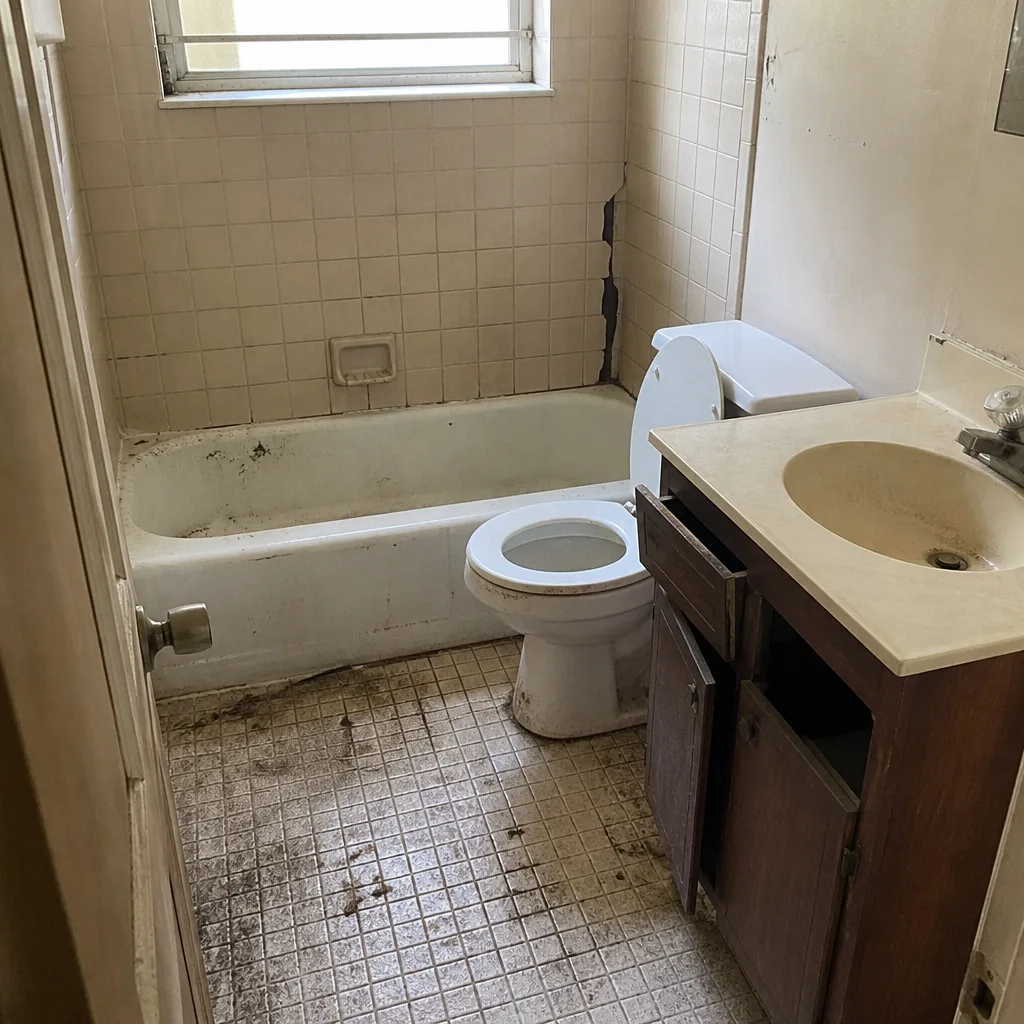 Before
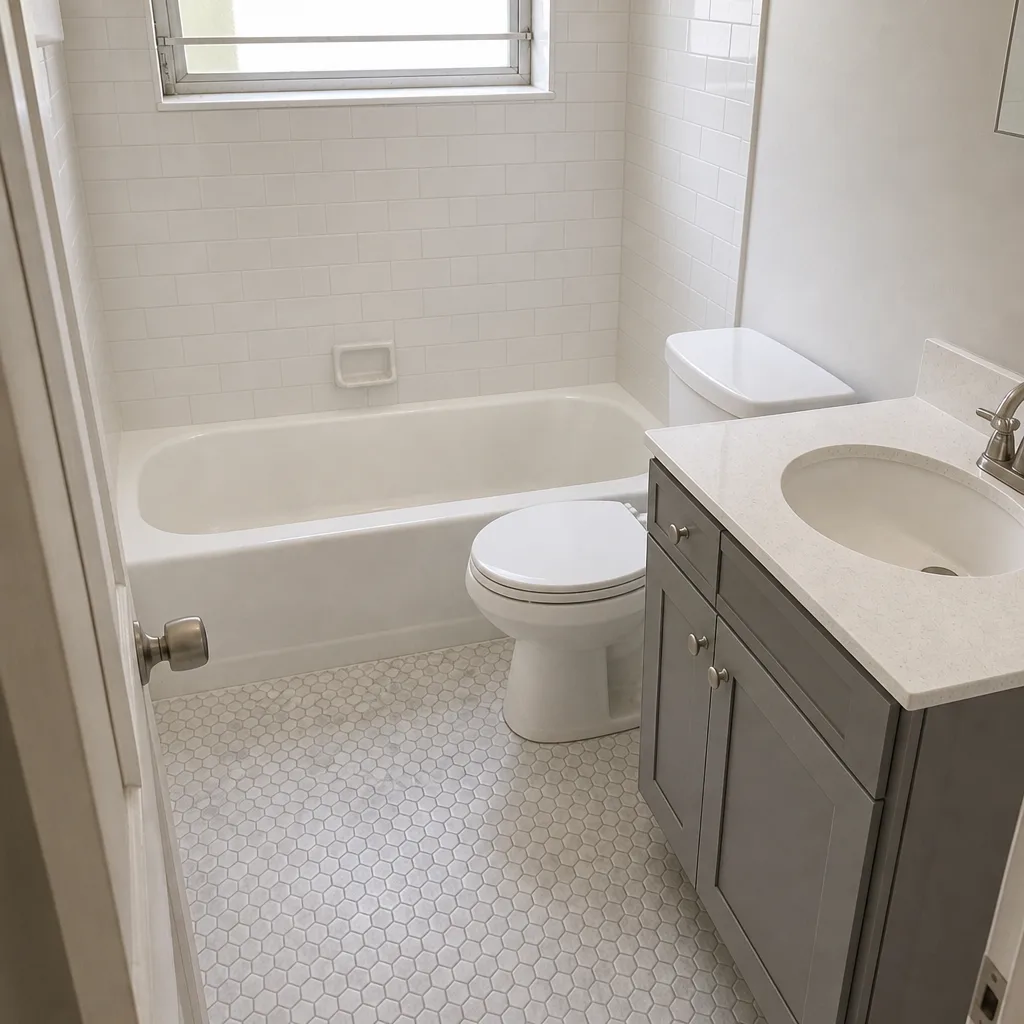 After
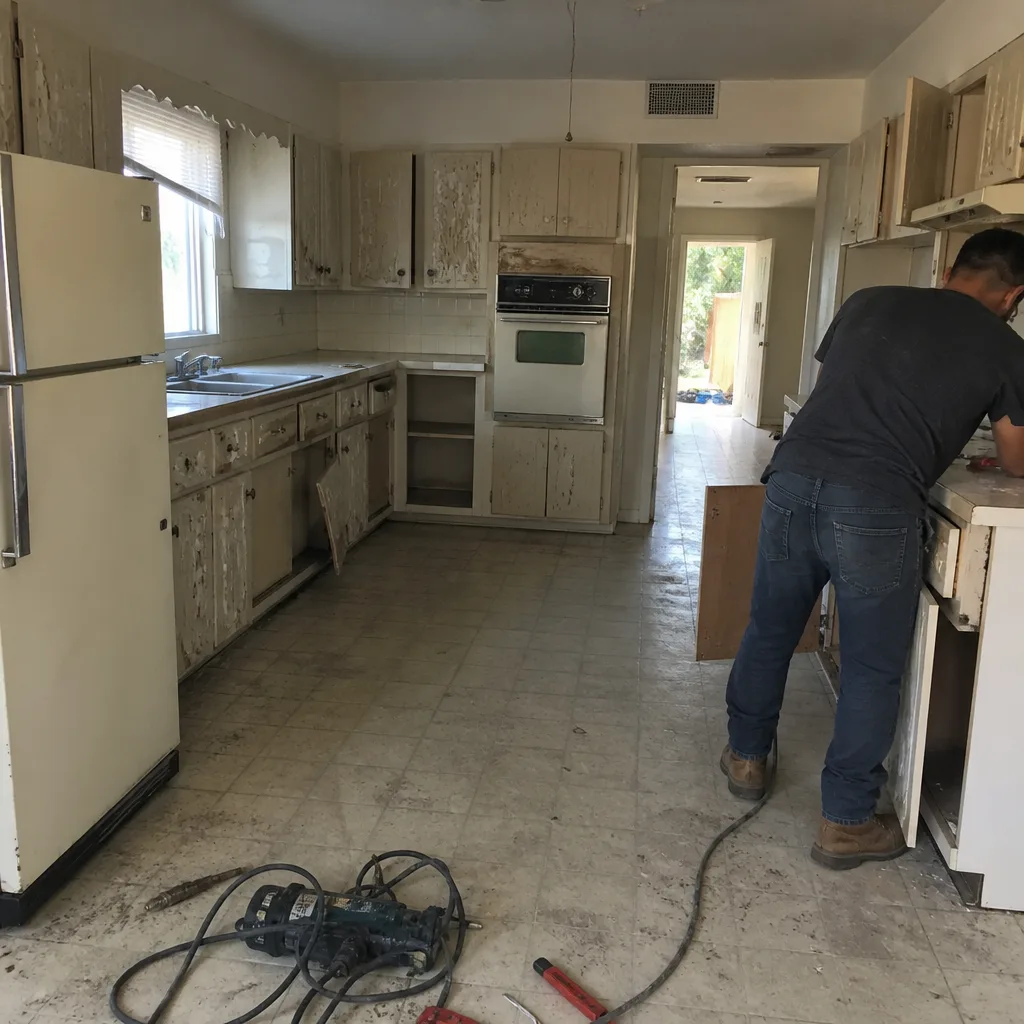 Before
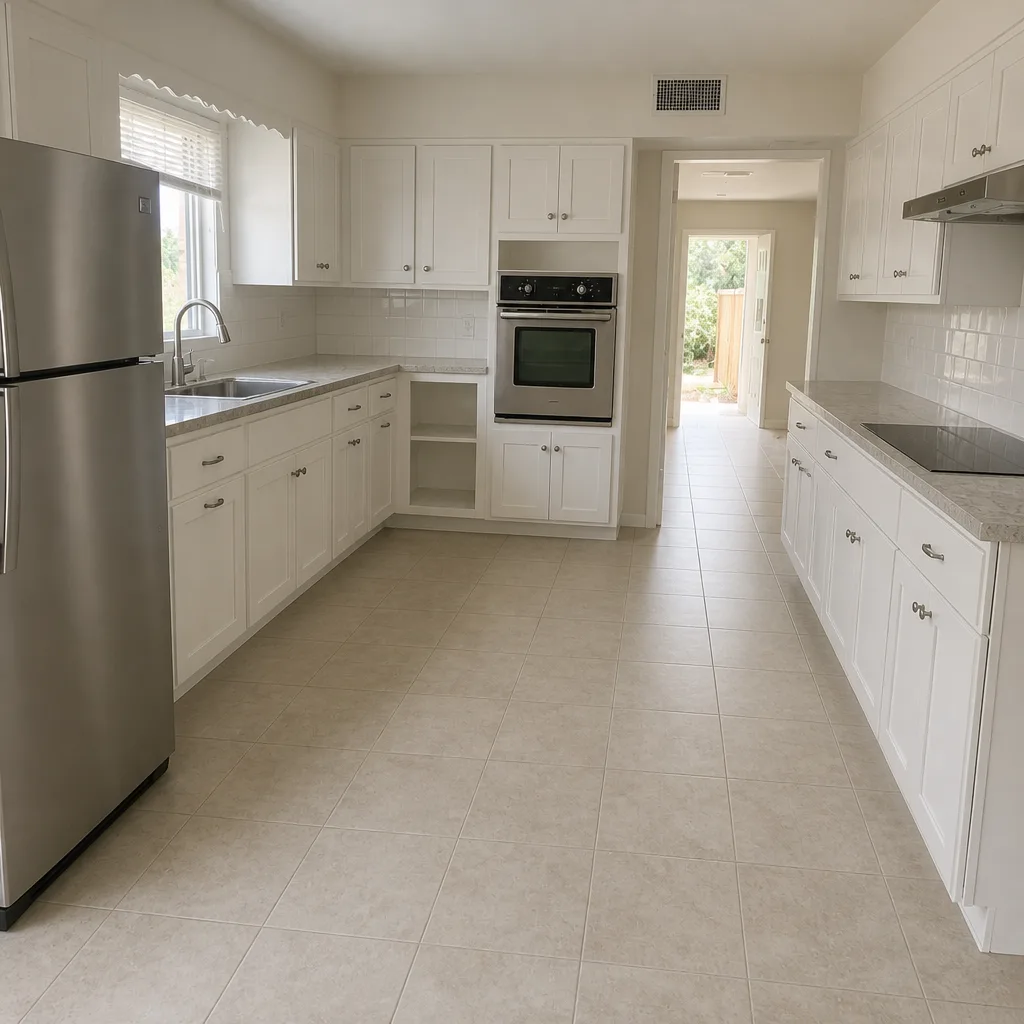 After
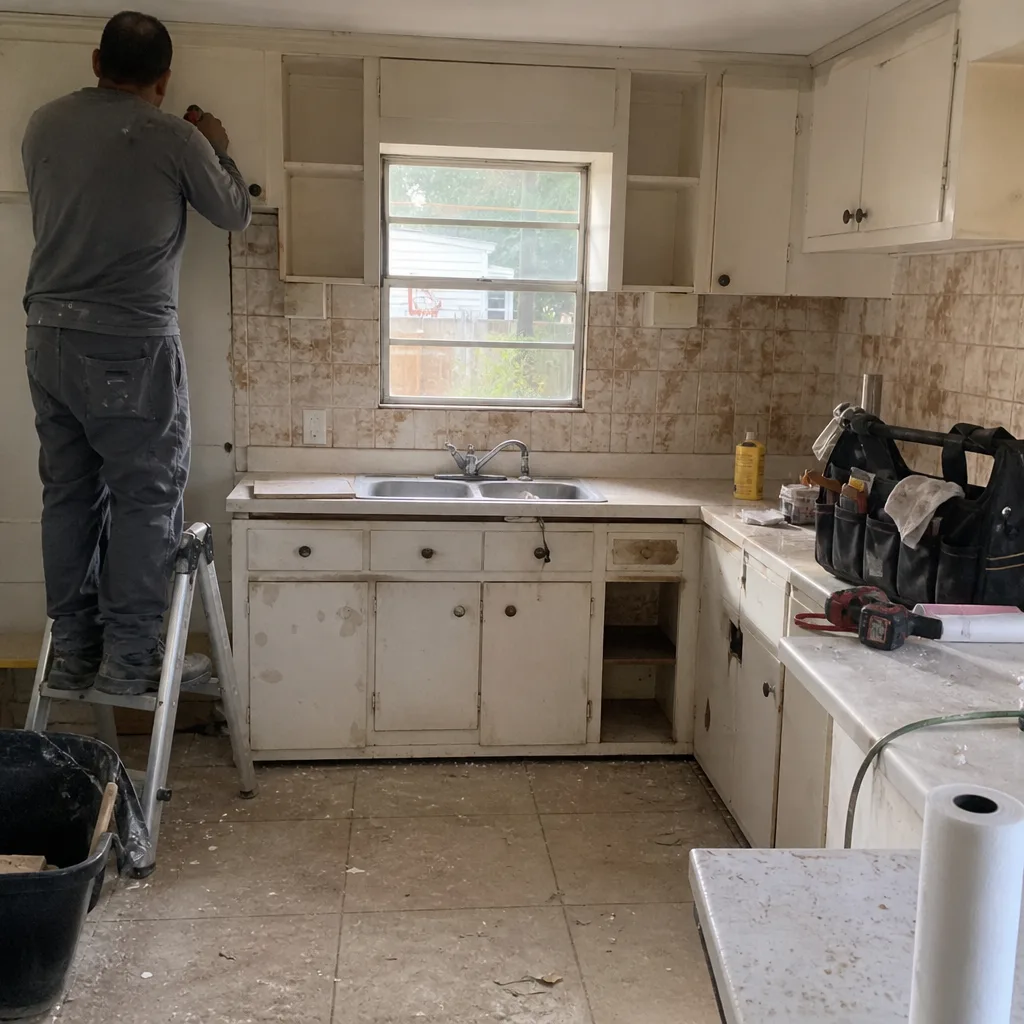 Before
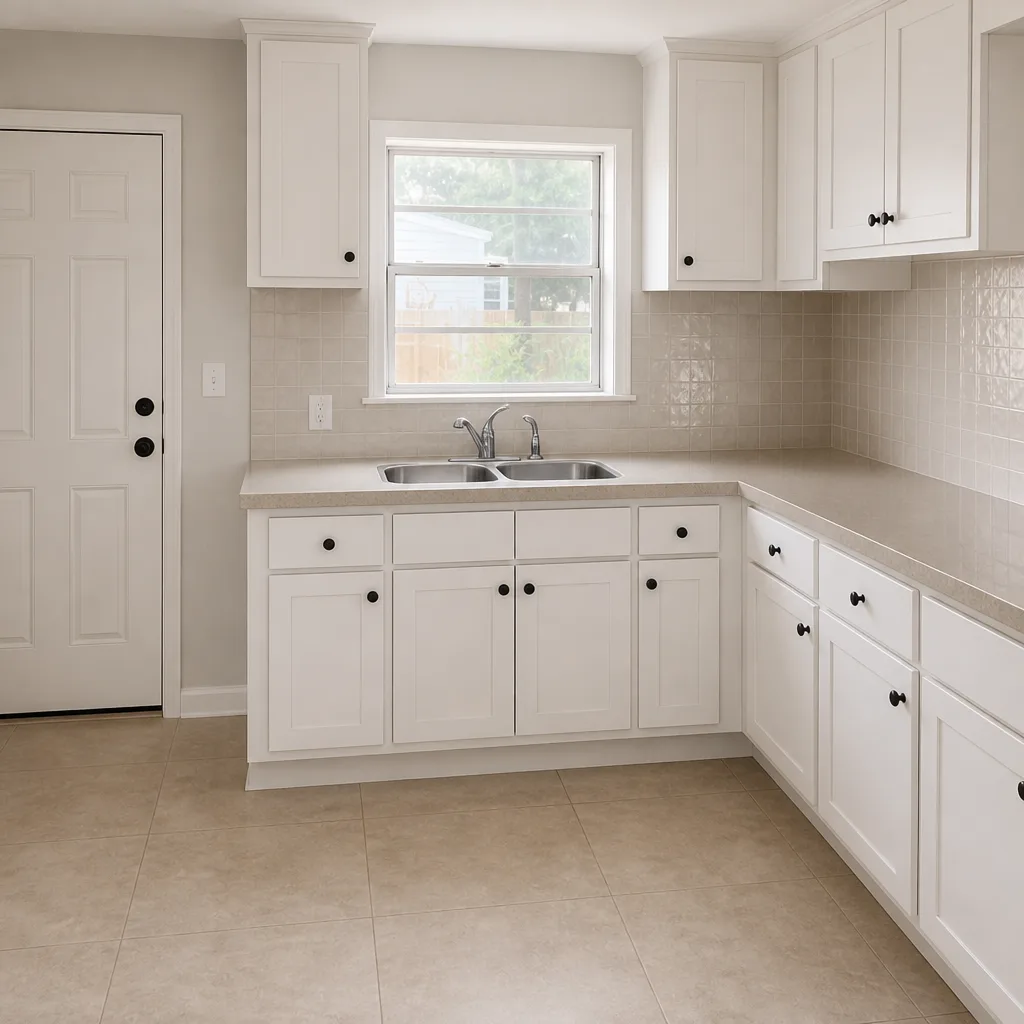 After
When to Call a Professional
Call us if any of these are true: you see water staining on a ceiling or interior wall after a storm, your garage door doesn’t close flush into the tracks, a window or door no longer latches after wind exposure, a soffit or fascia panel moves when you press it, or your documentation file is incomplete and you want a professional walkthrough before the season. We also take the calls when homeowners are unsure whether a repair is a mitigation issue or an insurance matter, and we’ll tell you plainly which it is.
Penhallow Remodeling North Miami offers free estimates in North Miami – call (888) 255-7411. Our technicians are background-checked and arrive in uniform, and our written price comes before any work starts. Start at Penhallow Remodeling North Miami home to see how the process works from day one.
Frequently Asked Questions
Post-storm repair costs in North Miami vary widely by scope, but a reasonable working range for common items is: emergency roof tarping $400 – $900, water extraction and drying $1,500 – $4,500 depending on square footage, drywall repair after water damage $1,200 – $4,000, and impact window or door replacement $800 – $3,200 per opening depending on product and size. Insurance usually covers the storm-caused portion after your deductible. Call (888) 255-7411 for an exact written quote – estimates are free.
Insurance covers storm-caused damage; the workmanship guarantee covers installation defects – a roof that leaked because the flashing was wrong, a window that leaked because the sealant sequence was wrong. If a completed remodel starts failing within the guarantee period for a reason we’d call an installation problem, we come back and fix it at no charge. If the cause is storm damage, that’s an insurance claim. A post-storm inspection usually tells you which is which within an hour.
Yes, for anything beyond a minor patch. In Miami-Dade, roofing, impact window and door replacement, structural repair, and drywall replacement beyond a small threshold all require a permit and an inspection. Emergency mitigation (tarping, boarding, water extraction) does not. Make sure the contractor pulls the permit and that you receive the inspection card after the work is done.
Look up the license number on myfloridalicense.com – the Florida DBPR site – before you sign anything. Ask for the number in writing on the estimate, confirm the general liability and workers’ comp coverage by calling the insurer directly, and require a written itemized scope. Florida’s anti-price-gouging statute (Section 501.160) applies to contractor labor during a declared state of emergency, so a quote that’s markedly above pre-storm pricing is worth reporting.
Photos of every room and all four exterior sides, permits and closing documents, receipts for remodels, product model numbers for cabinetry, countertops, appliances, fixtures, windows, and roofing, plus a simple spreadsheet tying each material to its specification. Store it in the cloud, in an email to yourself, and in a physical copy held outside the evacuation zone. The point is that it survives the same storm it’s designed to document.
Schedule it in April or May, before the season starts. The inspection takes about an hour for most homes and covers the openings, roof penetrations, garage door rating, and soffit fastening – the four items most likely to fail in a North Miami wind event. Doing this in the calm weeks means you’re not making decisions under pressure in September.
The Bottom Line
Preparedness is not a purchase, it’s a habit. Photograph the house, write down the specifications, store the file where a flood can’t reach it, walk the openings and roof penetrations once a year, and have a written plan for the first 48 hours that separates mitigation from repair. The North Miami homeowners who recover fastest after a storm are the ones who invested a few quiet hours before it. Every Penhallow Remodeling North Miami job starts with a written price before work begins and ends with a written 365-Day Done Right Promise – if it’s not done right, we make it right. Call (888) 255-7411 to schedule a free estimate or a pre-season walkthrough.
Written by the team at Penhallow Remodeling North Miami.