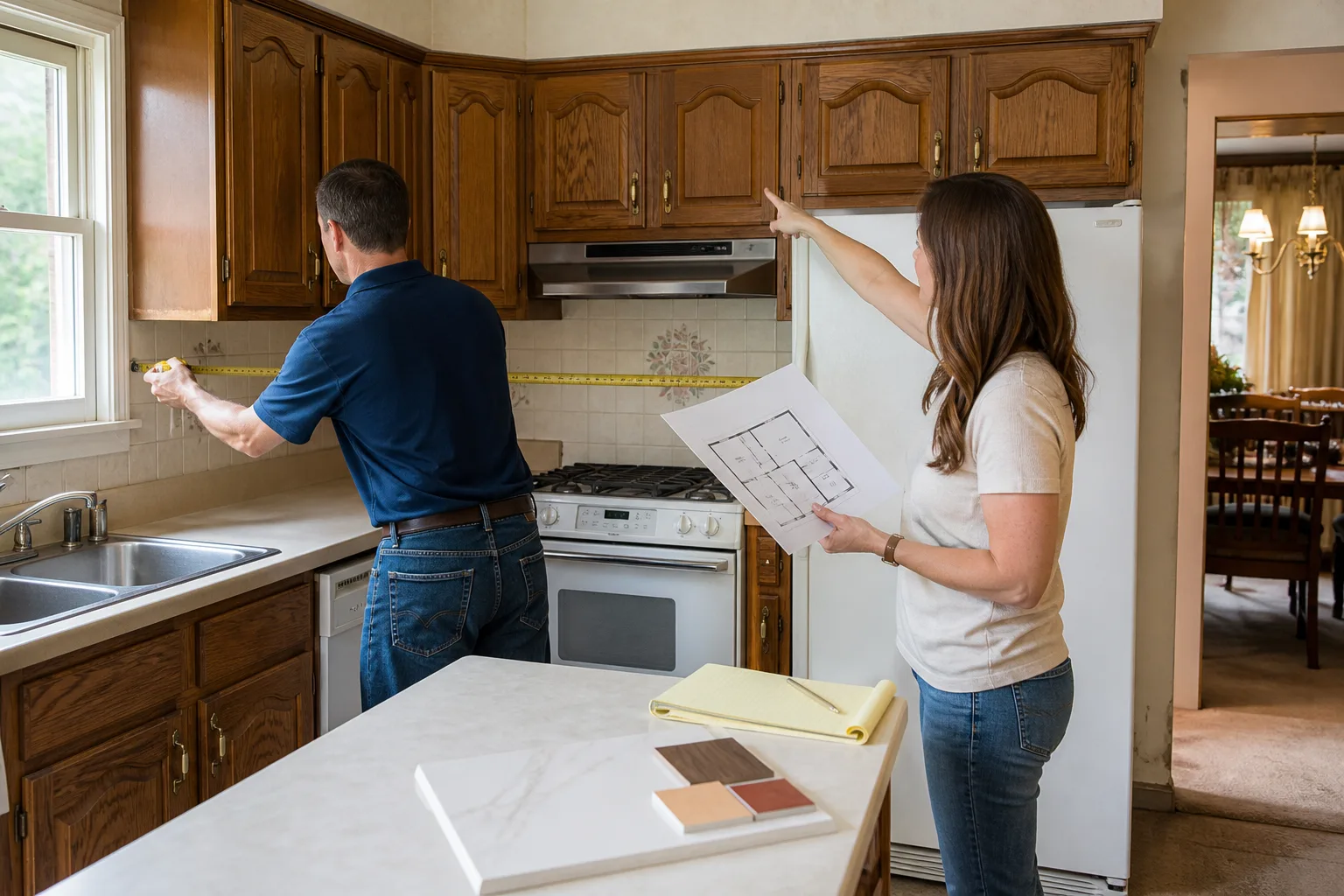
Last updated November 17, 2026







Free written scope consultation - allowances, timeline, and change-order rules on paper before a single trade is scheduled
General Contractor Troubleshooting: Common Problems and How to Fix Them
A contractor who disappears after the punch list isn’t a character problem. It’s a guarantee problem. If nothing was written down, you have no timeline to enforce, no number to hold anyone to, and no leverage when the phone stops ringing. Most of the remodeling disasters homeowners describe to us didn’t start in the tile or the drywall. They started on day one, in a verbal estimate that never became a document.
This guide maps the most common mid-project and post-project problems we see in North Miami back to the exact document, or missing document, that let them happen. You’ll learn how to separate a workmanship defect from a material defect, what “substantial completion” actually means in Florida, and how to build a paper trail that gives you standing if a dispute goes to the DBPR or small claims.
Quick Answer
When a general contractor problem hits, document everything in writing before you do anything else: photograph the issue with a date reference, send a written notice of the defect with a deadline for response, and check your contract for the dispute and completion clauses. Most remedy paths, from a free repair callback to a Florida DBPR complaint, depend on whether the problem was covered in writing. Call us at (888) 255-7411 before you sign anything you don’t understand.
Styles & brands we work with
- Kitchen remodeling
- Bathroom remodeling
- Home additions & ADU
- Roofing
- Windows & doors
- Driveway & pavers
- Fence
Table of Contents
- How Do You Tell a Workmanship Defect from a Material Defect?
- What Do You Do When the Contractor Misses a Milestone?
- What Does “Substantial Completion” Mean in Florida?
- How Do You Handle a Scope-Creep Invoice You Never Authorized?
- Who’s Responsible for Permits and Inspections in North Miami?
- Third-Party Inspector or a Complaint to Miami-Dade Building and Zoning?
- How Should a Punch List Actually Work?
How Do You Tell a Workmanship Defect from a Material Defect?
The distinction matters because your remedy is different for each, and almost every homeowner we meet conflates the two. A workmanship defect is an installation problem: the tile was set over a wet substrate, the cabinet box wasn’t shimmed level, the waterproofing was skipped behind the shower. A material defect is a product problem: the faucet cartridge fails on its own, the cabinet door warps from a bad batch of wood, the countertop slab has a fissure from the quarry.
Why the split matters: material defects are usually covered by a manufacturer warranty, which can run years past any labor warranty a contractor offers. Workmanship defects fall on the contractor, and only for as long as your written guarantee says.
- Workmanship signs: cracks that follow a seam or grout line, tile that sounds hollow when tapped, doors that drag six weeks after install, water pooling where the slope is wrong.
- Material signs: a single fixture failing while identical ones nearby are fine, finish peeling from a manufactured surface, glass that clouds inside a sealed unit.
- Mixed cases: a leaking shower is often both. The waterproofing was installed wrong (workmanship) and the drain flange failed (material). You may need a written opinion from a third-party inspector to sort that out.
In our experience across North Miami kitchens and baths, the hollowness test alone catches more bad tile work than any other single check. Tap every tile with the back of a screwdriver handle. A dull thud is normal; a hollow ring means the thinset didn’t bond. If you’re weighing a full bath renovation, our bathroom remodeling in North Miami team can walk you through what a properly waterproofed assembly should look like before the tile goes down.
What Do You Do When the Contractor Misses a Milestone?
First, check what your contract says about the schedule. A real contract names dates: demo complete, rough-in inspected, cabinets set, final walkthrough. If the schedule is described only as “approximately eight weeks,” you have almost nothing to enforce. If it names dates, a missed milestone is a documentable event, and that’s the point.
Here’s the paper trail we recommend building the moment a milestone slips, in this order:
- Send a written notice. Email and a certified letter, same text. State the milestone date from the contract, the current date, and ask for a written updated schedule within five business days. Keep it factual. No anger, no threats.
- Photograph the site with a dated reference. A newspaper on the counter works. Timestamped phone photos work better.
- Log every communication. Date, who you spoke with, what was said. If it was a call, follow up with an email summarizing it: “Per our call today, you confirmed cabinets arrive Friday.”
- Keep paying only against written invoices for completed work. Never pay a lump sum ahead of an unfinished phase because someone asks for cash flow help.
- If the schedule goes silent for two weeks, send a final written notice giving a firm deadline to respond before you escalate. That letter is your standing if this becomes a Florida DBPR complaint or a small claims filing in Miami-Dade.
The homeowners who get results are almost never the loudest ones. They’re the ones with the cleanest folders. Written prices and dates are why we put them in every project before work starts, and it’s the standard we operate under as part of The Kingswell Way.
What Does “Substantial Completion” Mean in Florida, and Why Does It Matter?
Substantial completion is the point at which a project is usable for its intended purpose, even if a punch list of minor items remains. Florida contract law treats it as a legal milestone. That matters because contractors use it to start warranty clocks, trigger final payment, and close out permits, sometimes before you’ve caught everything.
The trap works like this: your kitchen functions. The countertops are in, the sink runs, the outlets work. One cabinet door is misaligned, a backsplash tile is cracked, and the toe kick is missing. The contractor declares substantial completion, requests final payment, and moves on. You find three more items a month later and now you’re arguing about whether those were in the punch list.
- Ask for the punch list in writing before you sign off. Anything not on it becomes a warranty claim, not a completion claim.
- Don’t confuse usable with finished. Walk the room with the specifications sheet in hand. Every item listed should be checked off, not eyeballed.
- Hold final payment against the punch list. A retainage of 5 – 10% released only after punch completion is standard and worth writing into the contract. North Miami kitchens in older homes especially tend to hide late-discovered items, like an outlet cover missing behind a new cabinet run.
Our written guarantee exists precisely because we know substantial completion can be rushed. Every job carries our 365-Day Done Right Promise: if something we installed fails within the year, we come back and fix it at no charge. The window is defined, not vague. If you’re deep in a kitchen project and want a second opinion on the paperwork, our kitchen remodeling in North Miami team reads contracts for a living.
How Do You Handle a Scope-Creep Invoice You Never Authorized?
An unauthorized invoice is one of the most common calls we field: the final bill shows line items the homeowner swears were never agreed to. Framing was “needed.” An extra subfloor sheet, a change order nobody discussed. The contractor argues the work was necessary; the homeowner argues no one signed off. Legally, in Florida, the contract governs, and any change to the written scope should have been authorized in writing. Bob is not a number.
Here’s the exact response we’d send in writing, paraphrasing your situation into the letter:
“I received invoice [date] for $[amount]. Line items [X, Y, Z] do not appear in our signed contract or any written change order. Please provide the signed change order authorizing each item, or remove those charges from the invoice. I am prepared to pay the invoiced amount for work documented as authorized in writing. I’d like to resolve this directly and will respond promptly if you send documentation.”
Three rules underneath that language:
- Never pay the disputed amount “under protest” without saying so in writing. Paying can be read as accepting.
- Ask for the change order, not an explanation. A verbal reason why extra work was “needed” is not documentation.
- Keep the undisputed portion paid. Paying what you clearly owe keeps you out of the wrong.
A written, itemized change order before any extra work begins is the whole defense. It’s also why our clients get a written price before day one and every change order signed off before a hammer swings. The number on the invoice should match the number you agreed to.
Who’s Responsible for Permits and Inspections in North Miami?
In the vast majority of cases, the licensed general contractor is legally responsible for pulling the permits and managing the inspections. That’s not a courtesy; it’s part of the job. When a contractor asks you to pull an owner-builder permit for their work, that’s a red flag, and it shifts the liability onto you. You become the responsible party for code compliance and the inspection record.
North Miami sits under Miami-Dade County building rules, and the permit trail matters for two reasons: your project’s inspection history, and your ability to sell the home without a code enforcement surprise. Verify the permit was actually pulled before demo, not after. A simple check through Miami-Dade’s online permit portal will show you the application, the inspections logged, and whether the final inspection passed.
- Match permits to scope. Structural changes, electrical, plumbing, and HVAC all need permits. Cosmetic paint and cabinet refacing typically don’t.
- Don’t let inspections be skipped. “We’ll call it in at the end” is not how inspections work; each phase gets its own sign-off.
- Get the final inspection recorded. A project is not complete until the final inspection passes and the document is on file.
Our multi-trade experience here means we’ve watched a lot of North Miami permits get filed. It also means we know when a contractor is dodging the county. If you’re comparing bids and something about the permit language feels off, call (888) 255-7411. Estimates are free, and we’ll tell you what a permit packet for your project should include.
Third-Party Inspector or Complaint to Miami-Dade Building and Zoning: Which?
These are two different tools for two different problems. A third-party inspector is your private quality control, hired by you to document what’s wrong. A complaint to Miami-Dade Building and Zoning is a formal move that gets the county involved in code compliance. Most disputes resolve before the second is needed, but knowing which applies saves weeks.
- Bring in a third-party inspector when: you suspect workmanship defects behind a finished surface, when the contractor disputes your claim, or when you need a written professional opinion for an attorney or a small claims filing.
- File a complaint with Miami-Dade Building and Zoning when: the contractor is working without a required permit, skipped inspections, or built something that clearly violates code.
- Do both when: a code violation is hiding a workmanship problem.
A third-party inspection typically costs a few hundred dollars and produces a written report you can hand to anyone. Complaints filed with the county are free but slower and not a substitute for your own documentation. Neither shuts down a project you still want finished, so keep them in proportion.
How Should a Punch List Actually Work?
A punch list is a written list of incomplete or defective items. It is not a casual walkthrough. Create it together, in writing, with a date on it, and get both parties to sign. That signature converts a friendly conversation into an enforceable document.
- Walk the job with the specifications sheet in hand. Check every line item, not just the ones your eye catches.
- Write each item as a discrete entry. Not “backsplash needs work” but “two cracked tiles behind the range, to be replaced.”
- Date it and have both parties sign. A photo of the signed list goes in your folder.
- Set a completion deadline in the same document. No deadline, no leverage.
- Hold final payment until each item is checked off in writing.
The contractor who disappears after punch list isn’t a character problem. It’s a guarantee problem. When there’s a written guarantee on the work and a written punch list in place, the “we’ll be back” conversation has a date attached. Any pro should be happy to sign it. The one who avoids the pen is the one to walk from.
Common Mistakes to Avoid
- Signing a contract with no completion schedule. “Approximately eight weeks” gives you nothing to enforce. Demand dated milestones.
- Paying before a phase is inspected. Paying ahead of work leaves you holding a bill for work you can’t verify, which is exactly how fights and walk-aways start in North Miami.
- Accepting a verbal change order. If it’s not written and signed, it didn’t happen as far as a dispute is concerned.
- Letting the GC pull an owner-builder permit. That shifts the code compliance burden onto you, and the county will come looking for the homeowner, not the contractor.
- Calling a defect a defect before classifying it. Know whether it’s a workmanship or a material issue before you send a letter, because the remedy is different.
- Skipping the pre-demo walkthrough. Take dated photos of everything that will be covered up. They’re your only record of what existed before tile hid it.
- Confusing “usable” with “finished.” Substantial completion can be claimed the moment a room works. The punch list is what remains.
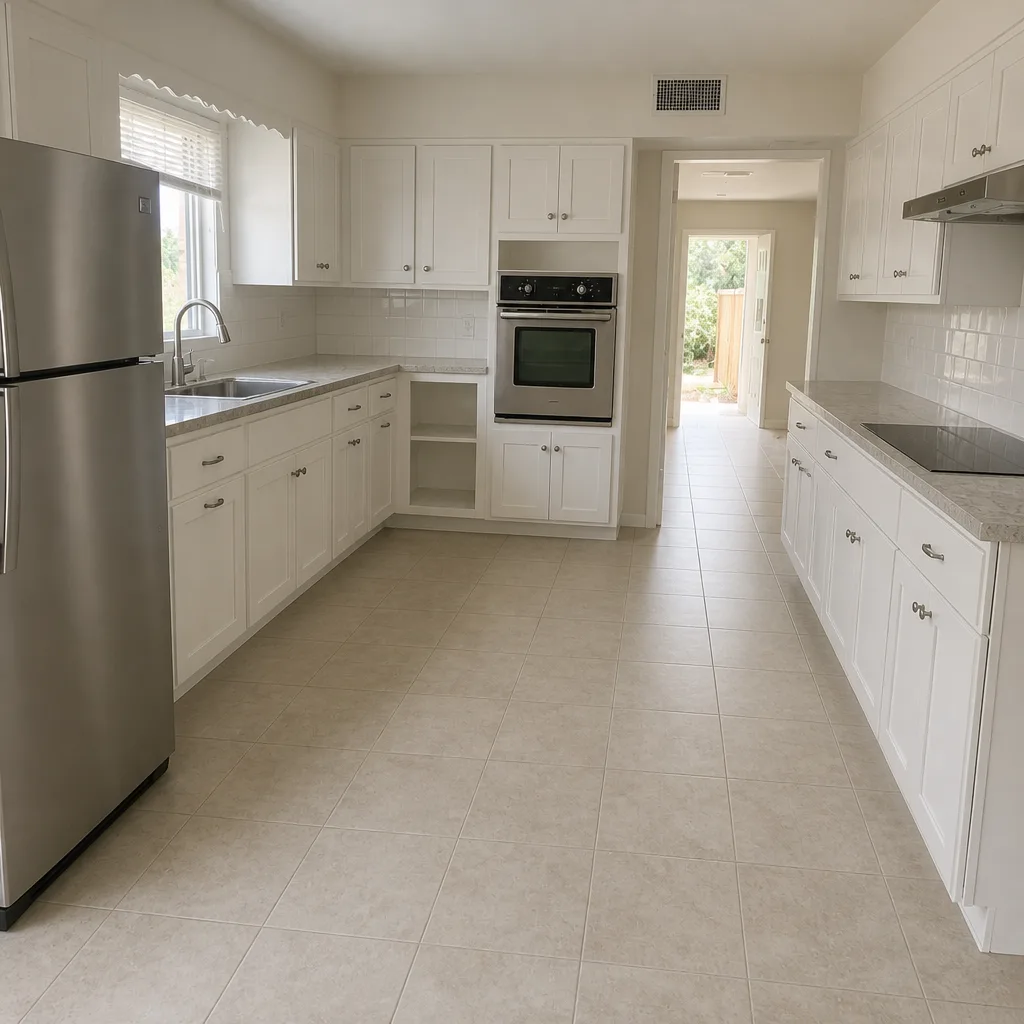
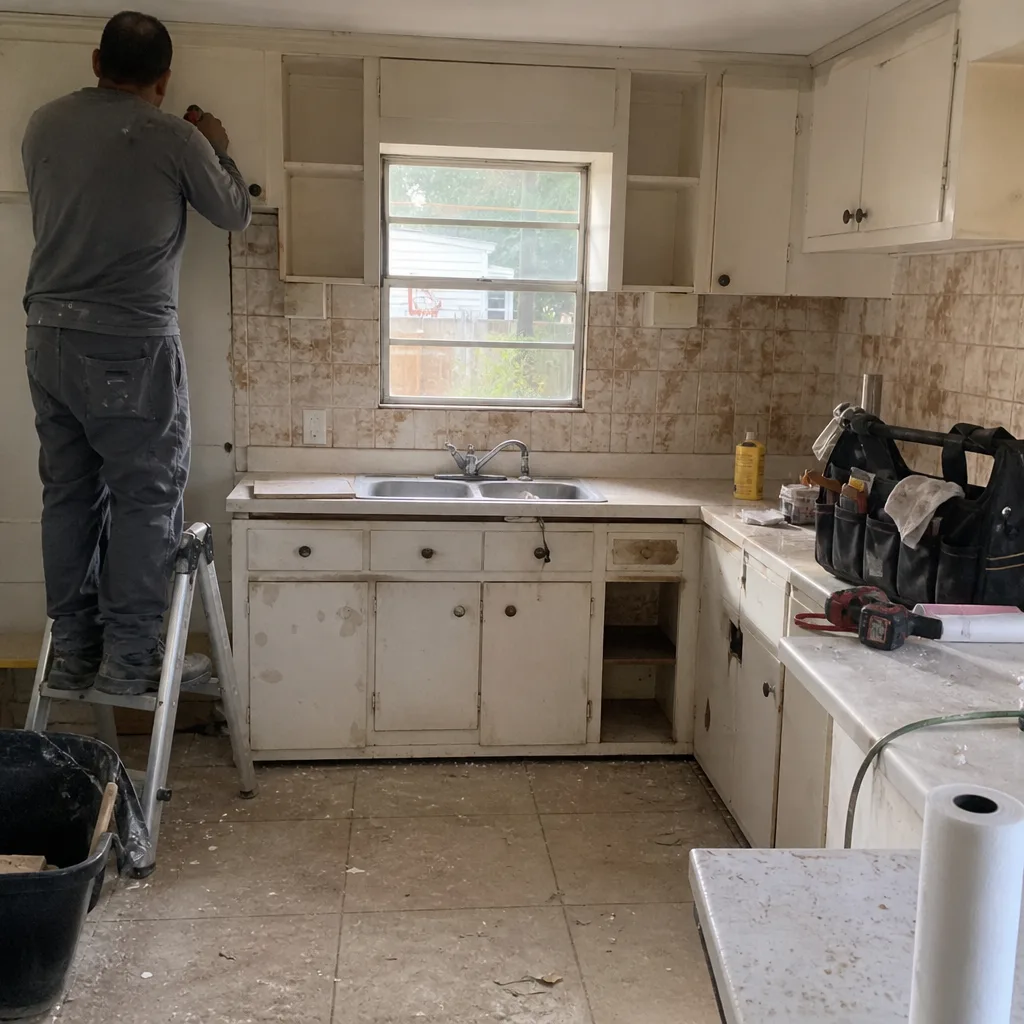
See the difference
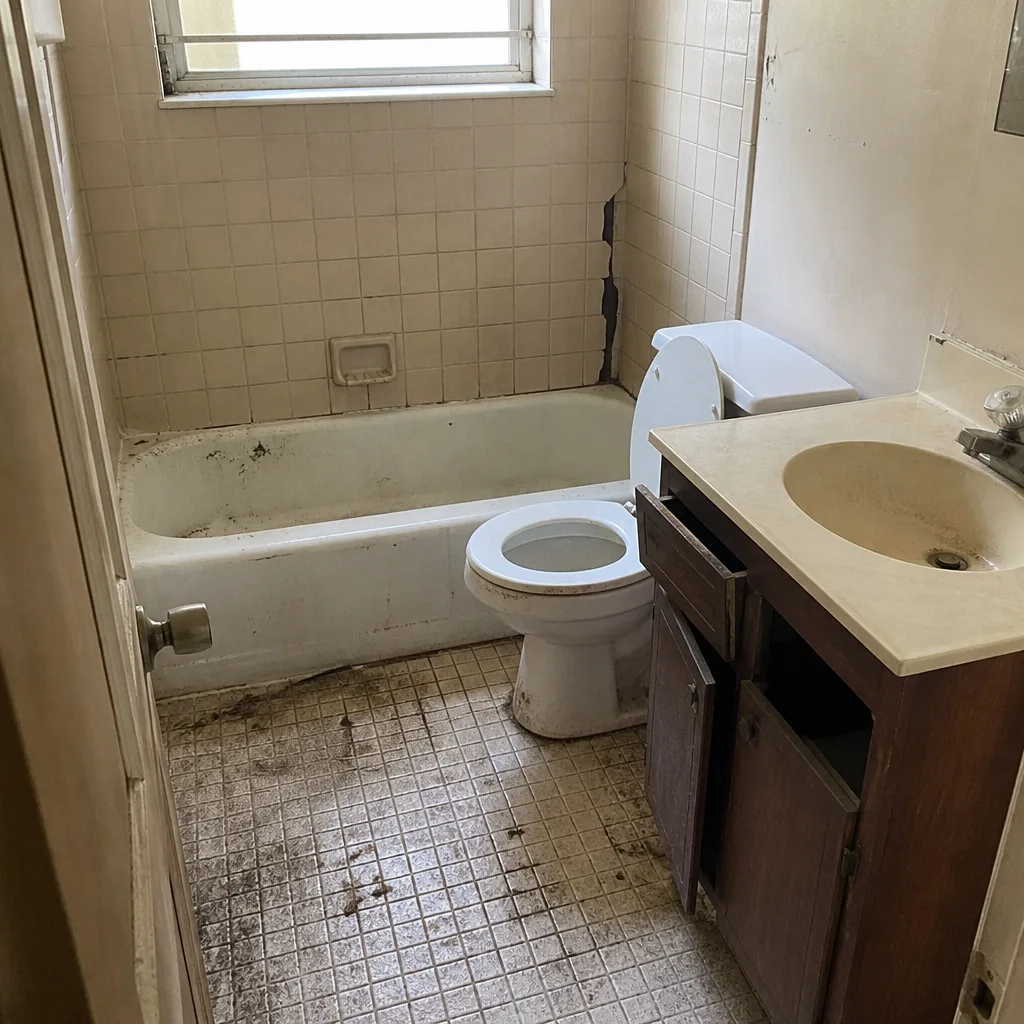 Before
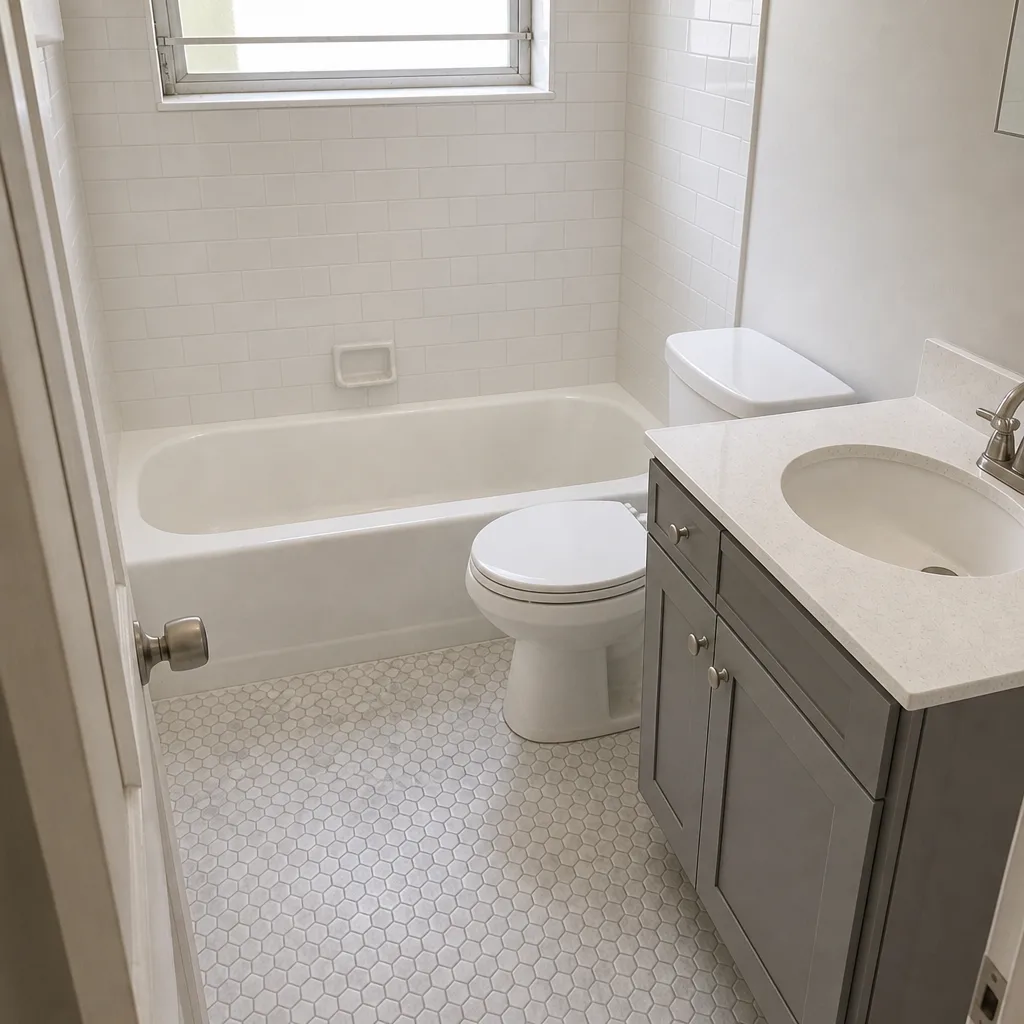 After
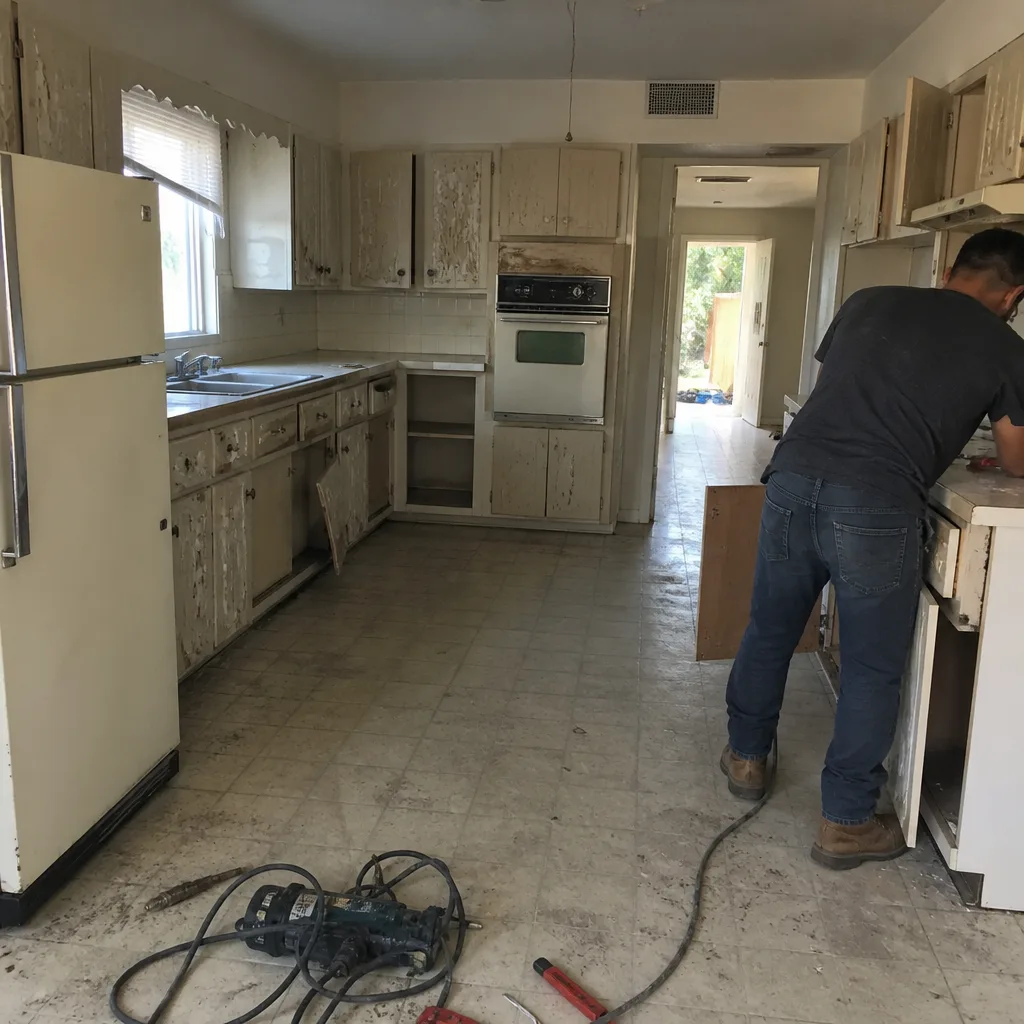 Before
 After
 Before
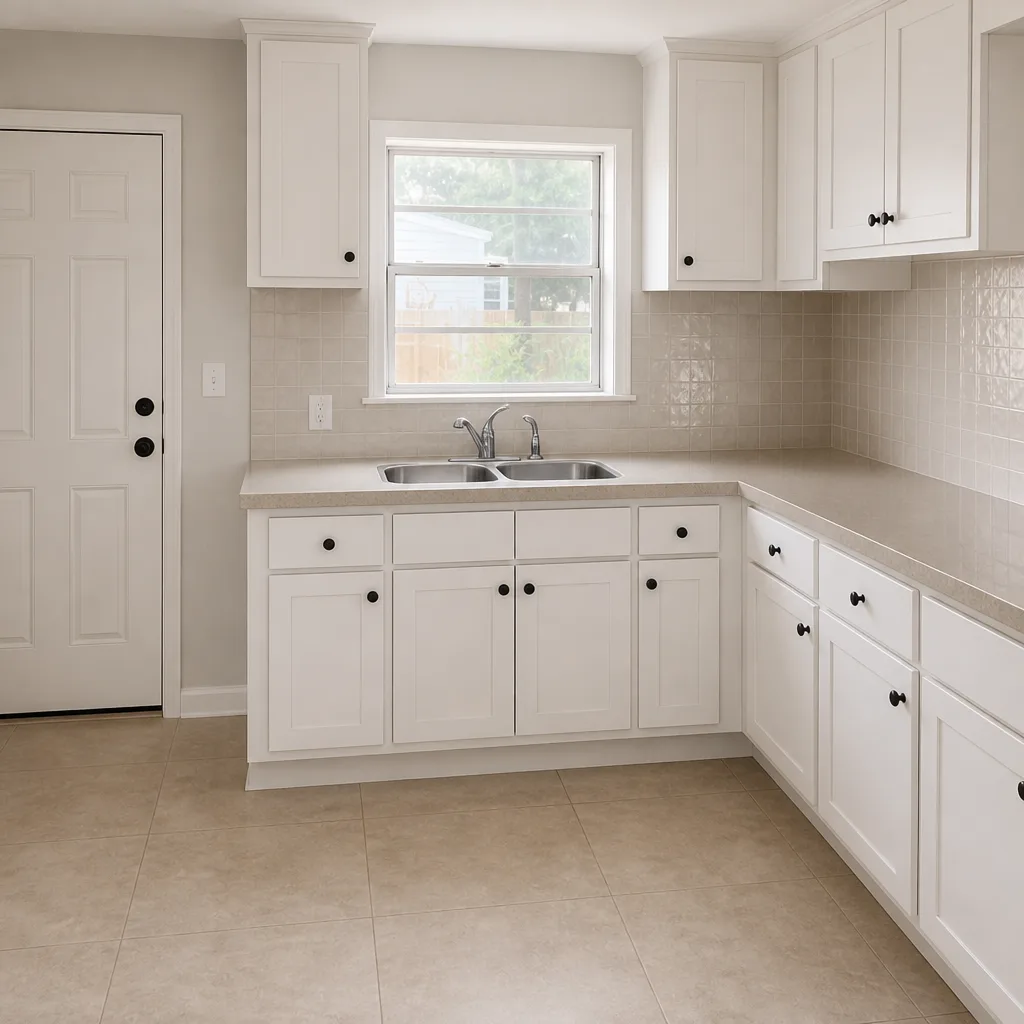 After
When to Call a Professional
Call us when the problem involves anything behind a wall, ceiling or floor: a shower leaking through a finished floor, a structural framing issue, or an electrical anomaly after a remodel. These aren’t situations to diagnose from the internet. Call us when a contractor has gone silent on a signed project, when you’re staring at a punch list and don’t know which items are normal wear versus defects, or when a change order doesn’t match the contract. And call us before you sign a new contract, not after, because our team can tell you what a proper job packet should include from the first revision to the final inspection record.
Penhallow Remodeling North Miami offers free estimates in North Miami. Our technicians have up to 22 years of experience and arrive in uniform, background-checked. Call (888) 255-7411 to schedule your free estimate, and know that a live person answers, day or night.
Frequently Asked Questions

Send a written notice on the same day: state the milestone date from the contract, the current date, and request a written updated schedule within five business days. Keep it factual, and document every follow-up. That letter is your standing if the dispute escalates. Call (888) 255-7411 if you’d like our team to look the notice over before you send it.
Yes, in most cases you can hold final payment until the written punch list is complete, which is why the list should be created, signed and dated before final payment is requested. Florida contracts commonly allow a 5 – 10% retainage released only after punch completion. Call (888) 255-7411 for a free estimate if you’re starting a project and want that clause in the contract from day one.
In nearly every case, yes, the licensed general contractor is responsible for pulling the permit and managing inspections. If they ask you to pull an owner-builder permit for their work, that shifts the liability onto you and is a serious red flag. Call (888) 255-7411 if you’re unsure what permits your project actually needs before work starts.
A workmanship defect is a problem with how something was installed; a material defect is a problem with the product itself. The remedies differ because material defects usually fall under a manufacturer warranty and workmanship defects fall on your contractor. Keep the product warranties from brands like Kohler, Moen or Cambria filed alongside your contract. Call (888) 255-7411 to walk through a defect with us.
Substantial completion means the project is usable for its intended purpose, even if minor punch items remain. It triggers warranty clocks, final payment and permit close-out, so it’s often claimed before a homeowner has caught everything. Get the punch list in writing and signed before you accept it. Call (888) 255-7411 for a free estimate if you’re planning a project and want a clear completion process.
File a complaint when the problem is a code compliance issue: work without a required permit, skipped inspections, or construction that clearly violates code. For workmanship quality disputes or contract issues, a third-party inspector and your written paper trail are the better tools. Call (888) 255-7411 if you need help sorting which one applies.
The Bottom Line
Most general contractor problems are paperwork problems wearing a construction costume. A guaranteed price in writing, a dated schedule, signed change orders, a written punch list and a defined warranty cover almost every dispute this guide describes. When a problem does hit, classify it, document it, and put your notice in writing before you call anyone. A real contractor puts a number and a guarantee on paper before a single cabinet is pulled. That’s the difference between a project you can hold someone to and one you can’t. Learn more about our general contractor in North Miami approach, or start at the Penhallow Remodeling North Miami home page.
Ready to start with a written price and a written guarantee? Call (888) 255-7411 for a free estimate. Every project comes with our 365-Day Done Right Promise, materials from trade brands like James Hardie, Therma-Tru and KraftMaid, and a live person on the line at any hour. Our team in North Miami is ready when you are.
Written by the team at Penhallow Remodeling North Miami.