
Last updated November 17, 2026







Free written scope consultation - allowances, timeline, and change-order rules on paper before a single trade is scheduled
Home Remodeling Maintenance Schedule: What to Do and When
Most maintenance guides tell you to “inspect caulking every spring.” They don’t tell you that the caulk joint where your new tile backsplash meets the countertop is the single spot most likely to let moisture into your cabinet boxes – and that ignoring it through one South Florida rainy season can rot a $600 cabinet base. A maintenance schedule isn’t about keeping a remodel pretty. It’s about protecting the money you already spent by catching the few failure points that void warranties and cost double to fix later. In this guide, we’ll build a calendar around those specific junctions, compressed for the North Miami climate, so you know exactly what to check and when.
Quick Answer
A post-remodel maintenance schedule should focus on three high-failure junctions – the caulk joint at countertops, grout at floor transitions, and exterior door thresholds – inspected every six months in North Miami rather than annually, because humidity and storm season accelerate wear. Everything else, from cabinet hardware to paint touch-ups, is cosmetic and can wait.
Styles & brands we work with
- Kitchen remodeling
- Bathroom remodeling
- Home additions & ADU
- Roofing
- Windows & doors
- Driveway & pavers
- Fence
Table of Contents
- The Three Failure Points That Actually Matter
- How North Miami Humidity Compresses the Timeline
- A Month-by-Month Post-Remodel Calendar
- Warranty-Critical vs. Cosmetic Maintenance
- Building a Written Maintenance Log
- Material-Specific Care: Quartz, Wood, and Tile
- Storm Season Prep and Post-Storm Checks
- Common Mistakes to Avoid
The Three Failure Points That Actually Matter
After a remodel, most of your home is doing fine. The problems concentrate at three junctions where two materials meet and water finds a way in. These are the spots that translate directly into warranty disputes and repair bills, and they deserve most of your attention.
1. The caulk joint at countertops and backsplashes. This is the number one spot. The seal between your countertop and backsplash, and between the backsplash and the wall, takes constant moisture from cooking, cleaning, and North Miami’s ambient humidity. When the caulk fails, water wicks behind the backsplash and into the cabinet boxes. A $600 cabinet base can rot before you notice a stain. Inspect every six months in North Miami; quarterly if the kitchen gets heavy use.
2. Grout at floor transitions. Where tile meets a different flooring material – or where it meets a wall or door frame – the grout line flexes with the house and cracks. Cracks let water under the tile and into the subfloor. A cracked transition line is easy to miss because it’s at the edge of your vision. Check every six months and immediately after any storm that shakes the house.
3. Exterior door thresholds. The threshold under a new exterior door is where wind-driven rain attacks during storm season. If the sealant or weatherstripping fails, water gets under the door and into the framing – one of the most expensive repairs to undo. Inspect before storm season and after any major rain event.
If you’ve recently finished a kitchen remodeling in North Miami, the countertop joint is your first priority. After a bathroom project, the shower-to-floor grout line and the toilet base seal deserve the same attention.
How North Miami Humidity Compresses the Timeline
A homeowner in Ohio can inspect caulk once a year and get away with it. In North Miami, that same interval is too long. Our average relative humidity sits in the 70s for much of the year, and the wet season from May through October keeps exterior joints damp for months at a stretch. What fails in a year up north can fail in six months here.
So we compress the schedule. Here’s the rule of thumb we give North Miami homeowners:
- Interior caulk and grout joints: every six months, not annually.
- Exterior thresholds and door seals: before May and again in November.
- Bathroom and kitchen wet areas: every three to six months.
- Any joint that sees direct sun or storm exposure: quarterly.
Storm season adds a second layer. Wind-driven rain pushes water sideways into places a gentle shower never reaches, which is why we tell people to walk the exterior of the house after every named storm. That’s not generic advice – in North Miami, it’s the difference between catching a failed seal early and finding mold behind a wall in January.
We’ve seen this play out across neighborhoods like Keystone Point and Biscayne Park, where older homes sit close to the water and take the humidity full-force. The schedule isn’t about being fussy. It’s about matching the maintenance interval to the climate you actually live in.
A Month-by-Month Post-Remodel Calendar
Here’s a twelve-month calendar built specifically for post-remodel care, not generic home upkeep. Adjust the start month to whenever your project wrapped up, and track it as a repeating cycle.
- Month 1 (after final walkthrough): Photograph every new junction – caulk lines, grout transitions, thresholds. These photos are your baseline if you ever need to file a claim. Note the date.
- Month 2: Check cabinet hardware for looseness and door alignment. Cosmetic, but easy to fix before it becomes a stripped screw.
- Month 3: First caulk and grout inspection on wet areas. Re-caulk any hairline gaps at the countertop and shower floor line.
- Month 4: Inspect exterior door thresholds and weatherstripping. Look for daylight or daylight-colored gaps and any soft wood.
- Month 5 (pre-storm season): Walk the exterior. Check seals, thresholds, and any caulk on exterior trim. This is the most important month in North Miami.
- Month 6: Full six-month inspection of all three failure junctions. Re-caulk and re-grout as needed. Log what you did.
- Month 7-9 (storm season): After each named storm, check thresholds, window seals, and any water staining on ceilings or under counters.
- Month 10: Inspect grout at floor transitions throughout the home. Re-seal tile if the surface no longer beads water.
- Month 11 (post-storm): Second exterior check. Look for any lifting sealant, cracked grout, or soft spots around door frames.
- Month 12: Year-end review. Update your log, note any recurring problem spots, and schedule professional inspection for anything that keeps failing.
Two full inspections a year form the spine of this calendar. Everything else is spot-checks around storm events and heavy-use periods.
Warranty-Critical vs. Cosmetic Maintenance
Not every maintenance task is equal. Some protect your guarantee; others just protect your pride. Knowing the difference tells you where to spend your time – and helps if a warranty claim ever gets disputed.
Warranty-critical tasks are the ones that prevent the failures a contractor’s guarantee is designed to cover. Miss these, and a manufacturer or installer can argue the failure came from neglect rather than workmanship:
- Maintaining caulk and sealant at wet junctions (countertops, backsplashes, shower floors).
- Keeping grout lines sealed and intact at transitions and in wet areas.
- Protecting exterior thresholds and door seals from water intrusion.
- Following the care instructions for specific materials – quartz, engineered stone, and wood cabinetry all carry their own manufacturer warranties with their own requirements.
Cosmetic tasks don’t affect the guarantee but keep a remodel looking sharp: tightening cabinet pulls, touching up paint, polishing hardware, cleaning grout haze from tile.
Here’s where the products matter. When we install a Cambria quartz countertop, it carries its own lifetime warranty alongside ours – but that warranty assumes you’re not letting water sit at the seams or using the wrong cleaner. The same is true for a KraftMaid or Wellborn cabinet line: the manufacturer stands behind the product, and the maintenance keeps that coverage intact.
Under our Penhallow Remodeling North Miami home standard, every project carries a written price up front and a 365-Day Done Right Promise – if something we installed fails within that year, we come back and make it right at no charge. That promise holds as long as the failure is about the work, not about a joint that went unsealed for a year. That’s why the warranty-critical list matters.
Building a Written Maintenance Log
A maintenance log sounds like homework until you need it. If a warranty claim is ever disputed – whether with us or with a manufacturer – a simple written record is what proves you maintained the home properly. It’s the difference between “I think I re-caulked that last spring” and a dated, photographed entry.
You don’t need software. A notebook or a spreadsheet works fine. For each entry, record:
- The date of the inspection or repair.
- Which junction or area you checked.
- What you found (intact, hairline crack, missing caulk, water stain).
- What you did about it, and with what product.
- A photo of the area before and after.
Keep the log with your project paperwork – the written price, the guarantee document, and any product warranty cards. Those documents together are your proof of care. When we come out on a repair call, a homeowner who can hand us a dated log makes the whole visit faster, because we can see the history at a glance.
We recommend photographing all three failure points right after your final walkthrough, before you move a single thing back into the room. Those baseline photos show the joints in their freshly finished state, which is the reference point for every future comparison.
Material-Specific Care: Quartz, Wood, and Tile
Different materials fail in different ways, so the care routine shifts depending on what’s in your remodel. Here’s how to handle the most common finishes we work with in North Miami.
Quartz and engineered stone countertops (Cambria, Silestone, Caesarstone). These resist stains but not heat or standing water. Use a pH-neutral cleaner, avoid abrasive pads, and never let water pool at the seams. Wipe up spills promptly. Quartz warranties typically exclude damage from heat or harsh chemicals, so keep hot pans on a trivet and skip the bleach.
Wood cabinetry (KraftMaid, Wellborn). Humidity is the enemy. In North Miami, cabinet doors can swell or stick as indoor humidity climbs. Keep interior humidity reasonable, check the caulk behind backsplashes so water never reaches the cabinet boxes, and tighten hinges and pulls annually.
Tile and grout. Grout is porous. Seal it in wet areas and at floor transitions, and re-seal when water stops beading on the surface – usually every one to two years in a humid climate. On a bathroom remodeling in North Miami project, the shower floor and the floor-to-wall transition take the heaviest moisture load and need the closest watch.
Fixtures from Kohler, Moen, and Grohe are built to last, but their cartridges and seals still age. A dripping faucet is usually a seal, not a failed fixture, and it’s worth fixing early rather than letting mineral-rich water stain the surface below.
Storm Season Prep and Post-Storm Checks
Storm season is the reason North Miami maintenance runs on a compressed clock. Wind-driven rain and flying debris attack exactly the junctions that matter most – exterior door thresholds, window seals, and any caulk line on the building envelope. A calm-weather inspection won’t catch what a storm does.
Before storm season (aim for May), do these steps:
- Walk every exterior door and window. Check weatherstripping and threshold seals for gaps or soft wood.
- Inspect caulk on exterior trim; re-caulk anything cracked or pulling away.
- Check that gutters and drainage direct water away from the house, not against a threshold.
- Photograph the exterior joints so you have a before-storm record.
After a named storm, walk the exterior again within a few days. Look for lifted sealant, cracked grout at door transitions, water staining under sinks, and any soft spot around a door frame. Catch it now and it’s a re-caulk. Catch it in January and it can be framing.
Window systems matter here too. When homes in North Miami are fitted with products like ES Windows or ECO Window Systems, the frame-to-wall seal is part of what keeps storm water out. That seal deserves a check every storm season, not just a glance.
If a storm turns up damage beyond what a homeowner should handle, that’s the moment to call. Our General Contractor in North Miami team can assess what’s cosmetic and what needs real repair.
Common Mistakes to Avoid
- Treating the schedule as cosmetic. Skipping the caulk inspection because the kitchen “looks fine” is how a $600 cabinet base rots. The failures happen behind a surface that still looks good.
- Using the same annual interval as northern states. One South Florida rainy season does the wear of a year up north. Inspect every six months, not twelve.
- Re-caulking over wet or dirty joints. New sealant won’t bond to a damp or grimy surface, and it’ll fail faster than the original. Clean, dry, and let it cure.
- Using the wrong cleaner on quartz. Harsh chemicals and abrasives can void a Cambria or Silestone warranty. Stick to pH-neutral cleaners.
- Ignoring exterior thresholds until storm season. The threshold is the most overlooked junction in North Miami and one of the most expensive to repair once water gets into the framing.
- Keeping no written record. Without a dated log, a disputed warranty claim becomes your word against a timeline. Photos and dates settle it.
- Waiting for a small grout crack to spread. At floor transitions, a hairline crack in a North Miami bathroom becomes a subfloor problem fast. Seal it while it’s still a sealant job.
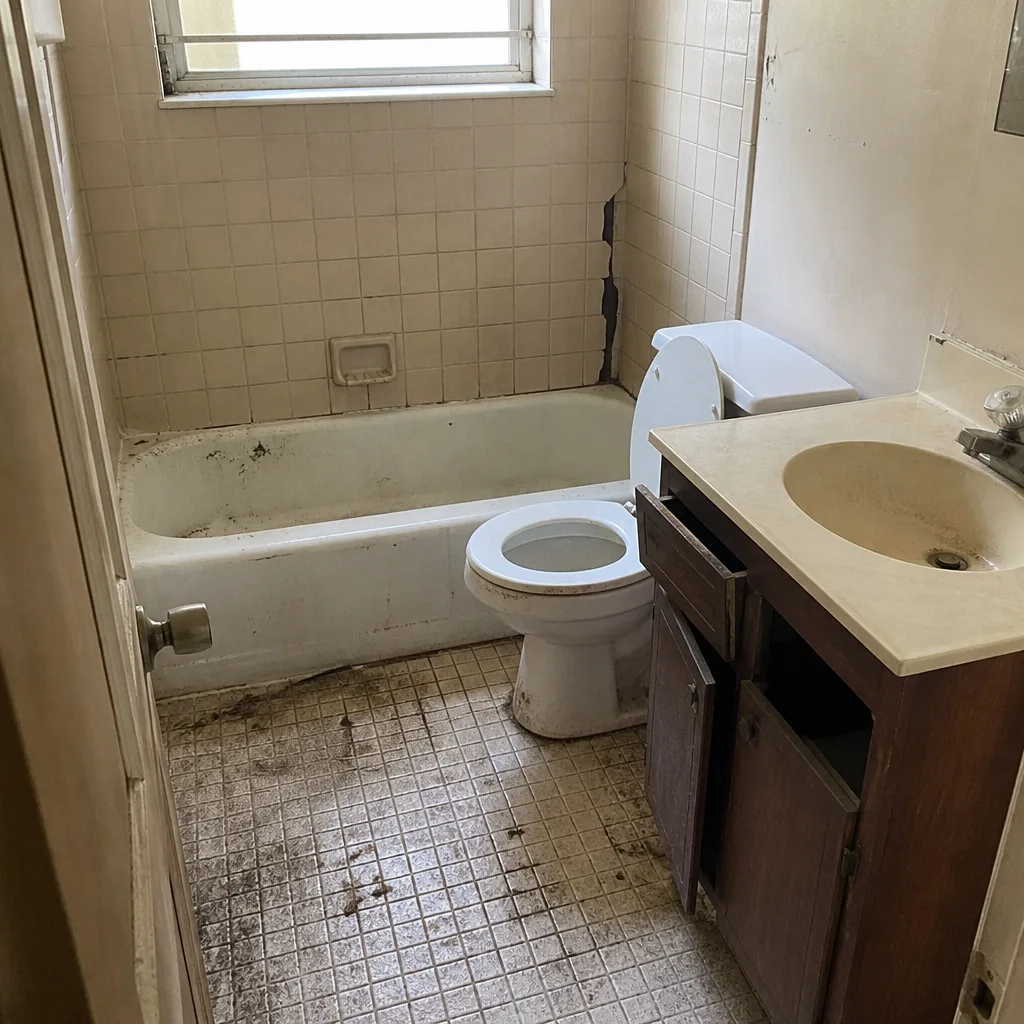
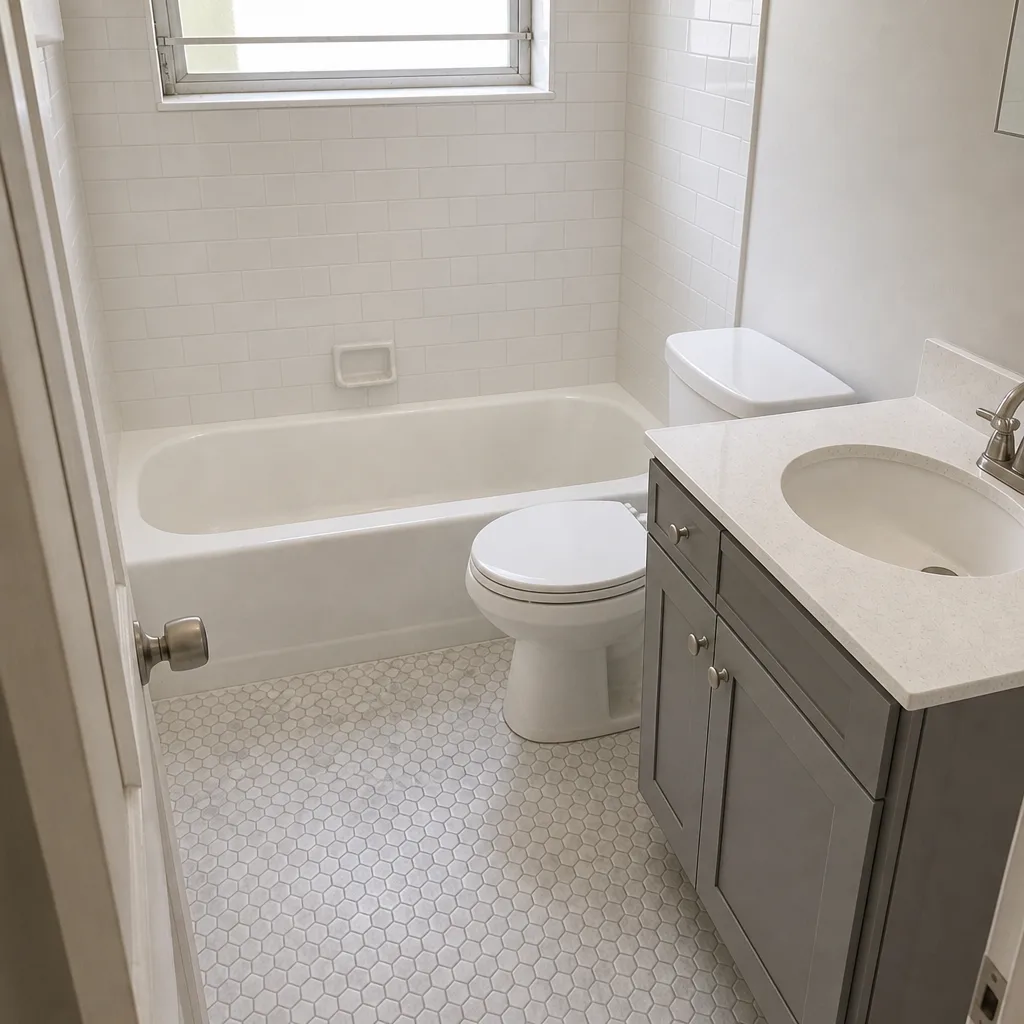
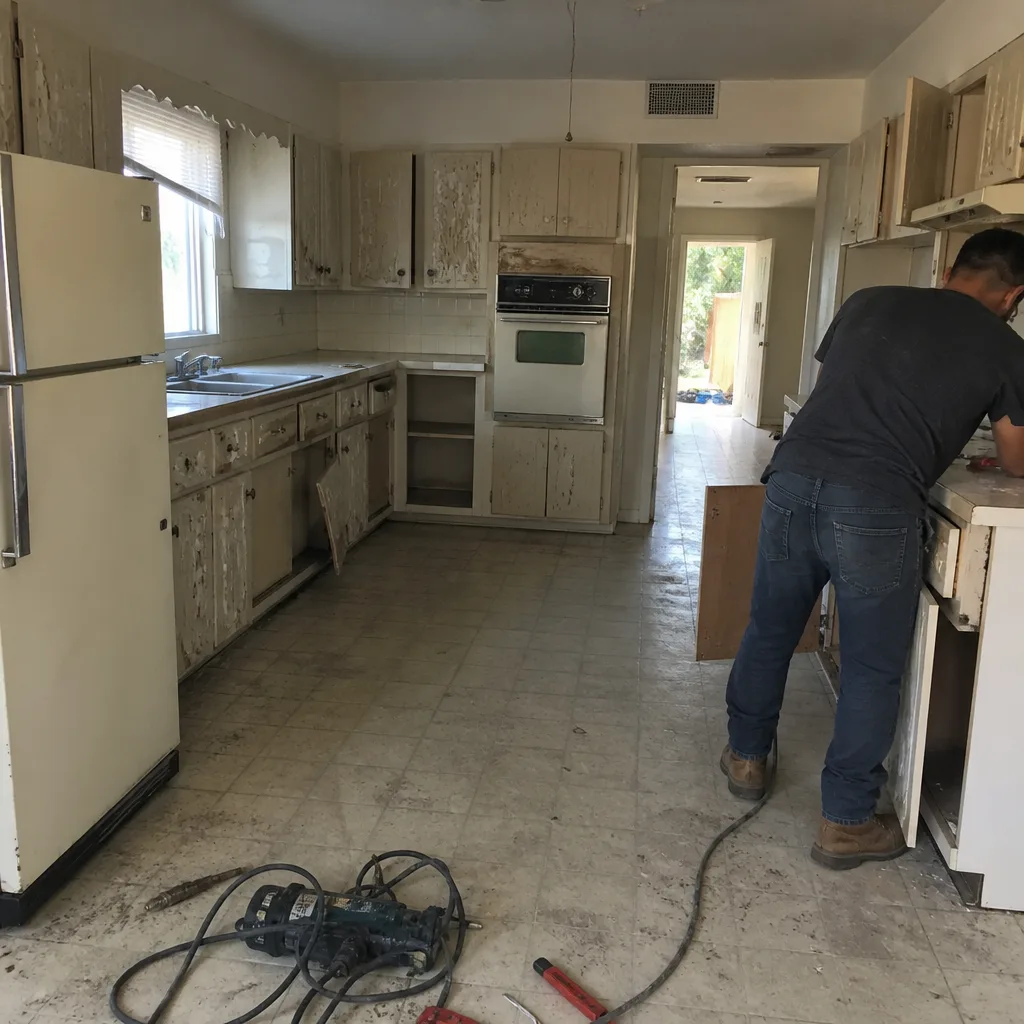
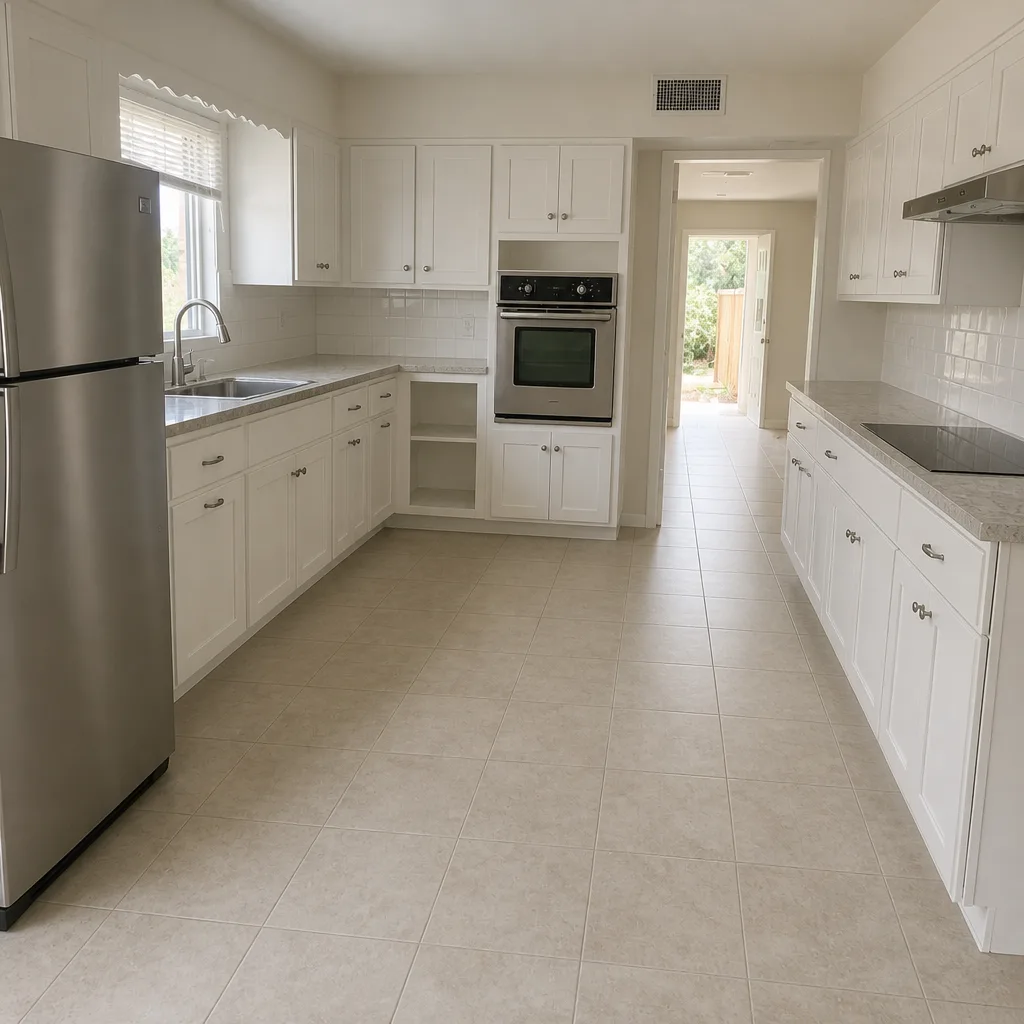
See the difference
 Before
 After
 Before
 After
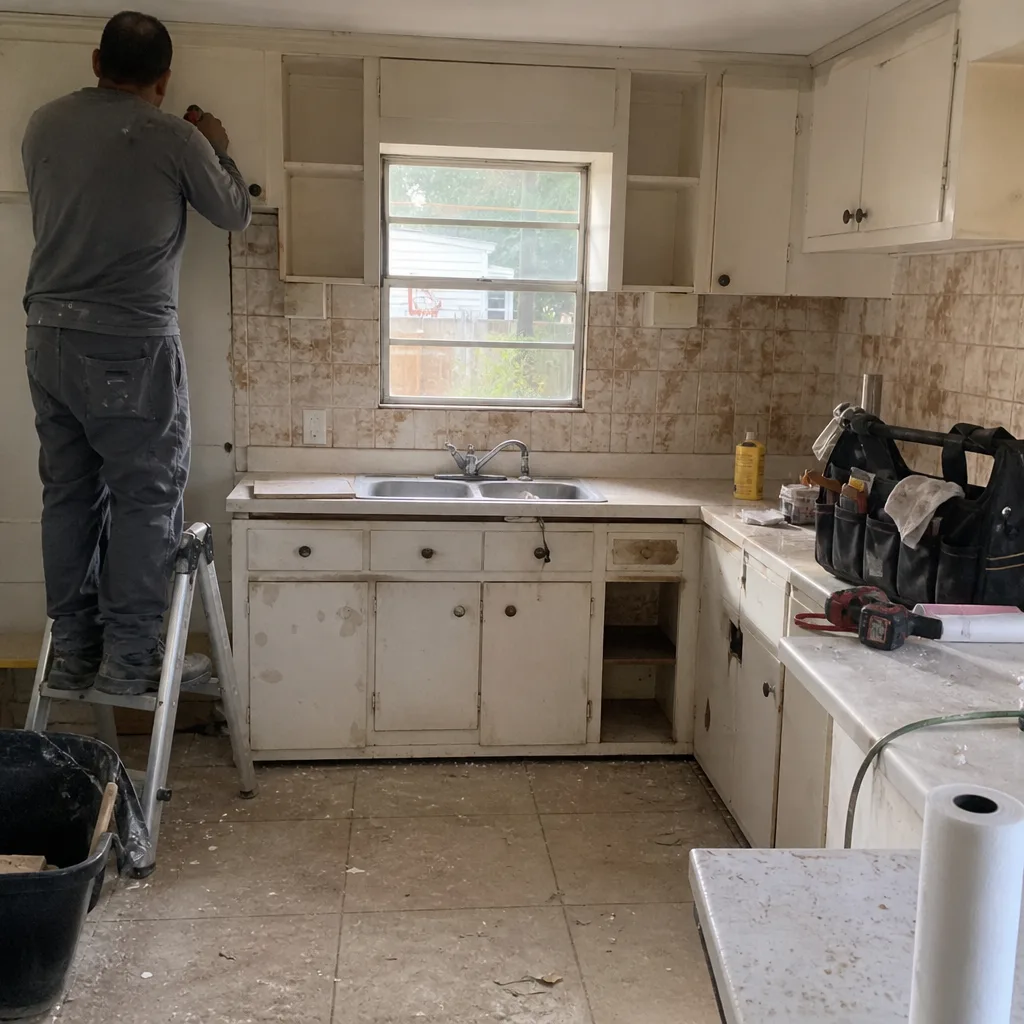 Before
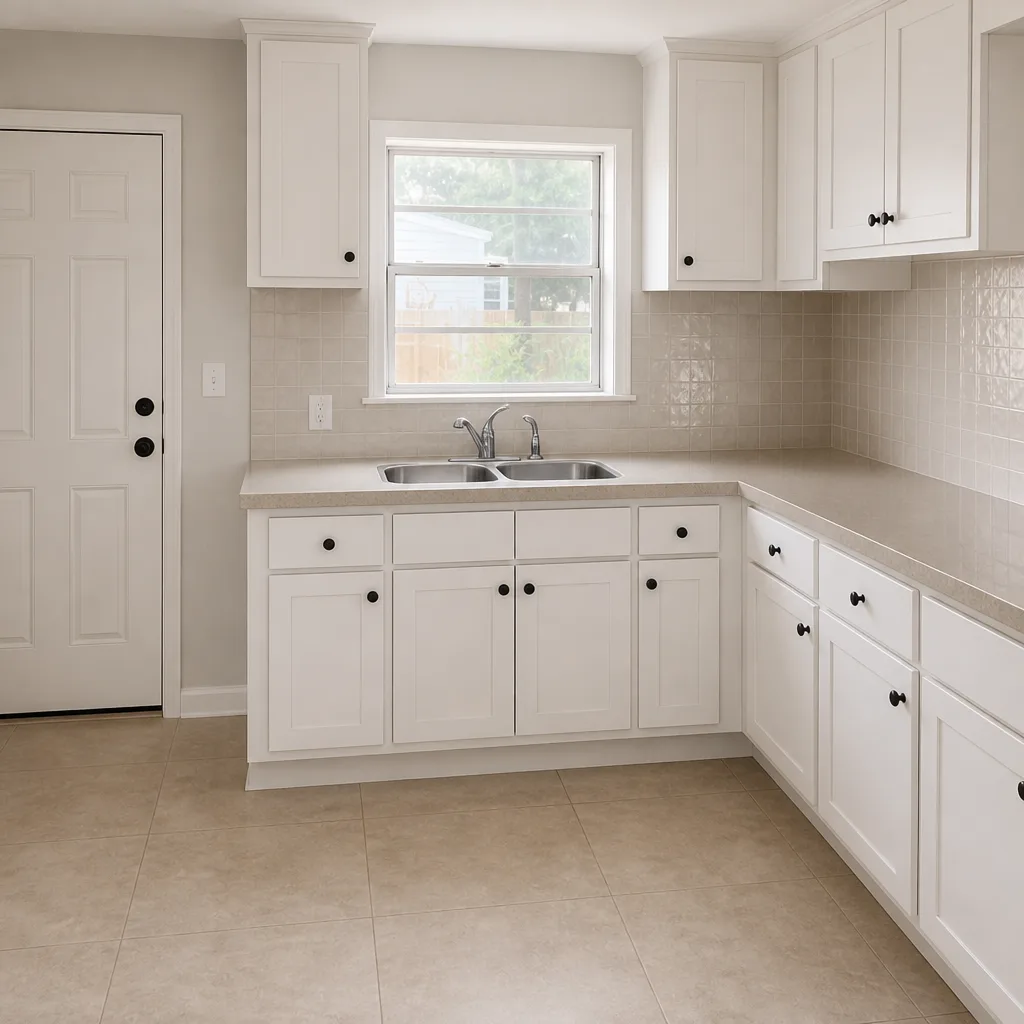 After
When to Call a Professional

Some maintenance is a homeowner’s job. Some is not. Call a professional if you find soft or spongy wood around a door threshold, water staining under a cabinet or on a ceiling, grout or caulk that keeps failing at the same spot despite re-sealing, or any sign of moisture behind tile or under flooring. Those point to a problem behind the surface that a fresh bead of caulk won’t fix. Also call if a repair you had done fails within its guarantee window – that’s exactly what a written guarantee is for, and a real contractor comes back at no charge.
Penhallow Remodeling North Miami offers free estimates in North Miami – call (888) 255-7411. We answer live 24/7, and every visit gets a written price before any work starts.
Frequently Asked Questions
Every six months for interior caulk and grout, and twice a year for exterior thresholds – before and after storm season. North Miami humidity and wind-driven rain wear joints roughly twice as fast as in drier climates, so the annual schedule many guides recommend is too slow here.
Keeping caulk and sealant intact at wet junctions, keeping grout sealed at transitions, and protecting exterior door thresholds. Those prevent the failures that a workmanship guarantee covers. Purely cosmetic tasks – touching up paint or tightening hardware – don’t affect your coverage.
It can shift responsibility. If water reaches a cabinet box through an unsealed joint, a contractor or manufacturer can reasonably argue the failure came from neglect rather than the work. Keeping a dated maintenance log is what protects you if a claim is ever disputed.
The caulk joint between the countertop and backsplash. It’s the shortest path for moisture to reach the cabinet boxes, and one rainy season with a failed seal can rot a cabinet base. Check it every six months and re-caulk any gap right away.
Yes, twice a year in North Miami. Thresholds and their weatherstripping take direct wind-driven rain during storm season, and a failed seal lets water into the framing – one of the costliest repairs to undo. Inspect before May and again in November.
For wet areas and any joint with direct sun or storm exposure, yes. Kitchens, bathrooms, and exterior joints can warrant a check every three to six months, while dry, interior areas hold to the six-month cycle. If you’re unsure, our technicians – who have up to 22 years of experience – can walk you through it.
The Bottom Line

A post-remodel maintenance schedule isn’t about keeping things looking new. It’s about protecting the three junctions that fail first – the caulk at your countertops, the grout at floor transitions, and your exterior door thresholds – and checking them on a North Miami clock, not an Ohio one. Inspect every six months, walk the exterior before and after storm season, and keep a dated log with photos. Do that, and the money you spent on the remodel stays protected, your manufacturer warranties stay intact, and any guarantee claim is easy to settle. Skip it, and the repairs cost twice as much.
Call (888) 255-7411 for a free estimate. We answer live 24/7, give you a written price before any work starts, and back every project with a written guarantee and our 365-Day Done Right Promise.
Written by the team at Penhallow Remodeling North Miami.