Last updated November 17, 2026






Free written scope consultation - allowances, timeline, and change-order rules on paper before a single trade is scheduled
DIY vs Professional Home Remodeling: What’s Safe to Do Yourself
Painting a bedroom yourself saves about $400 and a weekend. Wiring that same bedroom without a permit in Miami-Dade County can void your homeowner’s insurance payout after a fire – and your insurer will ask for the paperwork. That’s the uncomfortable math behind the DIY-or-pro decision: it isn’t really about confidence, it’s about which mistakes are recoverable. A crooked paint line costs a roll of tape. A shower pan installed over the wrong substrate costs the pan, the tile, and the wall behind it. This guide draws the line where the law and the ledger actually put it. We’re writing from North Miami, where heat, humidity, and code enforcement intersect in ways that matter more than any YouTube tutorial.
Quick Answer
Painting, tearing out non-load-bearing drywall, swapping cabinet hardware, and landscaping are genuinely safe to do yourself. Anything involving electrical circuits, plumbing inside walls, structural changes, gas lines, or waterproofing wet areas legally requires a licensed contractor in Florida – and unpermitted work can jeopardize your insurance and cost you five figures at resale. The dividing line isn’t skill. It’s whether a mistake is recoverable.
Styles & brands we work with
- Kitchen remodeling
- Bathroom remodeling
- Home additions & ADU
- Roofing
- Windows & doors
- Driveway & pavers
- Fence
Table of Contents
- What Florida Law Actually Requires You to Hire Out
- The Permit Line: Where DIY Ends in Miami-Dade County
- How Unpermitted Work Shows Up at Inspection and Resale
- The Safe DIY Zone (And Honest Caveats for Each Task)
- The Hidden Cost of a DIY Mistake: One Real Scenario
- Insurance Exposure: The Part Nobody Explains Before You Pick Up a Hammer
- How a Written Guarantee Changes the Risk Math
What Florida Law Actually Requires You to Hire Out
This is the section most DIY guides skip, and it’s the one that matters most. Florida Statute Chapter 489 governs contracting, and it’s specific about categories. Homeowners may legally pull permits for their own primary residence in many cases – but that’s a narrow exception, and it doesn’t cover specialties Florida treats as licensed trades.
Hire a licensed professional for:
- Electrical work beyond swapping a switch or light fixture. New circuits, panel work, and anything inside a wall require a licensed electrician and usually a permit.
- Plumbing beyond a toilet flapper or faucet cartridge. Moving a drain, running new supply lines, or re-piping requires a licensed plumber.
- Anything structural. Removing a wall, widening a doorway, or altering a load-bearing element. In North Miami, some homes have block-and-beam construction where the beam is the wall – a renovation trick that fools a first-time buyer and can’t be confirmed without an engineer.
- Water heater replacement. A specialized permit category in Florida; you cannot legally install your own.
- Roofing. A license and permit are required. Also genuinely dangerous.
- Gas service and lines. No exceptions; this is not a homeowner category.
- Wet-area waterproofing in showers and bathrooms. Not a separate license, but a code-governed system. Do it wrong and the failure surfaces six months later.
What you can legally do yourself: painting, cabinet hardware, fixtures hanging from existing boxes, surface trim, demo of non-load-bearing drywall, drywall patching, cabinet refinishing, and landscaping. That’s genuinely useful. It isn’t the whole renovation. When the scope crosses into the licensed categories above, our General Contractor in North Miami team pulls the permits and passes the inspections that protect you at resale.
The Permit Line: Where DIY Ends in Miami-Dade County
Permit rules are where the DIY conversation most often goes wrong. A homeowner reading a generic online guide walks away thinking “I can do it myself if I pull the permit.” That’s partly true – Miami-Dade does allow owner-builder permits for owner-occupied homes – and then a whole trail of conditions gets skipped.
An owner-builder permit requires all of the following:
- You must own the property and occupy it as your primary residence.
- You must sign an affidavit at the permit office swearing you’re not going to sell within one year. That locks you into the timeline.
- You must personally do the work or subcontract only to licensed trades – not to an unlicensed “guy who does that kind of thing.”
- You are financially responsible for any code defects uncovered during inspection, whatever the source.
- Your completed work must pass inspection on the same schedule as a licensed contractor’s – and the same inspection documentation follows the house forever.
That last point is the important one. Inspections don’t disappear when you sell. Every permit record is a public document, and a buyer’s agent will pull them. A 2019 electrical permit that was never closed may not seem like an issue until you’re two weeks from closing and the buyer’s inspector flags it. In North Miami, we’ve seen sales stall for months on documentation gaps that were invisible to the original owner. If the scope needs permits, the safest path is to have a licensed contractor – the permit trail is cleaner, the warranty is written, and the inspection stands up years later.
How Unpermitted Work Shows Up at Inspection and Resale
Unpermitted work surfaces in three places, and each has a dollar figure attached.
During inspection. A home inspector looks for clues: a junction box that doesn’t match the era of the house, a shower floor that flexes, a mosaic that sits proud of the surrounding tile, plumbing that doesn’t line up with the wall stub-out. When the inspector sees them, they flag them, and the flag goes into the report that the buyer reads.
During appraisal. An appraiser will compare the home to comparable sales and check the permit history. A finished basement or addition or in-law suite that was permitted adds to the appraised value. The same work unpermitted may not count – and in some cases gets appraised as less than if the work had never been done, because the appraiser notes it needs to be brought to code.
During negotiation. A buyer’s inspection that flags unpermitted electrical or wet-area tiling usually triggers renegotiation. In the North Miami market, we’ve seen buyers demand a credit equal to 1.5 to 2 times the original cost of the improper work, because they don’t trust that the removal, remediation, inspection fees, and re-installation will stay within that number. A $4,000 unpermitted shower retile can become an $8,000 credit on the closing statement.
Then there’s insurance. If a claim arises from unpermitted work – a fire from a miswired circuit, water damage from a badly set shower pan – the insurer can deny coverage on the ground that the work was never inspected and the risk was undisclosed. That isn’t theoretical. In Florida’s current property insurance market, a claim denial is the worst possible outcome for a homeowner across years of future premiums, not just for the claim itself. If you want a sense of what a practical, inspected, and documented process looks like, our Bathroom Remodeling in North Miami service walks through it from permit to closeout.
The Safe DIY Zone (And Honest Caveats for Each Task)
Here’s the honest list. These are the projects we tell North Miami homeowners to take on themselves, with a caveat attached to each one.
Painting
Genuinely safe. The caveat is preparation: sanding, caulking, and priming. Florida humidity means your paint – especially on exterior trim – needs to be rated for it. A cheaper paint on a south-facing wall in North Miami can fail within two years. The cost of redoing a bad paint job is more than the labor savings.
Demo of non-load-bearing drywall
Also safe, with one rule: before you touch a wall, you have a professional confirm it isn’t load-bearing. “It looks like a partition” isn’t a judgment call to make with a sledgehammer. Second caveat: older North Miami homes from the 1950s and 1960s sometimes contain asbestos in joint compound or older tile mastic. If the house predates 1980, get an assessment before demo. Remediation costs for a handful of tiles we’ve seen start in the four figures; discovering it during demo is the wrong time.
Cabinet hardware
Four screws per pull. The only real risk is the drill placement. Measure twice, place once, and use a template. A misdrilled hole in a painted or laminate front – especially an installed cabinet – shows and doesn’t easily fill. When we install KraftMaid or Wellborn cabinetry, we cut hardware holes at the shop on a jig; a homeowner can get the same clean result with a paper template and a brad-point bit.
Landscaping
Safe, with a humidity caveat. In South Florida, improper grading that traps water against the house is one of the most common causes of window and stucco water intrusion we encounter. Do the planting and the beds. Let someone who knows local drainage handle soil removal, grading, and the swale.
Everything else that changes structure, runs water or electricity through a wall, or touches the wet envelope of a bathroom should be professional. If your project is a kitchen, our Kitchen Remodeling in North Miami page covers the scope in detail. For everything else, the Penhallow Remodeling North Miami home page has a short overview of what we handle.
The Hidden Cost of a DIY Mistake: One Real Scenario
Here’s how a DIY saving turns into a loss, using a genuine pattern we’ve seen more than once.
A homeowner decides to retile a guest bathroom. Quotes from local contractors come in around $6,000 to $9,000 depending on tile selection. They decide to do the demo and set the pan themselves – saving, in their estimate, about $3,000.
The tile gets laid over the existing substrate. It looks fine. Eight months later, the grout joints darken and the floor flexes near the drain. The culprit is a cement board substrate that was installed without a vapor barrier and without proper sealant at the corners – a detail that’s the difference between a shower lasting 20 years and a shower lasting one. A pro’s quote included that step; the DIY plan didn’t actually know to.
Now the cost of undoing it:
- Demolition of the failed tile and pan: $800 to $1,500
- Replacement substrate, vapor barrier, and pan: $1,200 to $2,500 (this is the work the original pro quote already included)
- New tile and setting materials: $1,500 to $3,500
- Possible drywall repair on the adjacent wall after demolition: $300 to $700
- Water damage remediation, if it reached the framing: highly variable, but $2,000 to $6,000 is a common range
The final bill for the redo: $5,800 to $14,200. And that’s on top of the materials originally purchased – which are now landfill. The “savings” of $3,000 turned into a $6,000 to $11,000 net loss once the original purchase and the redo are added together. That’s the hidden cost of DIY: the number you compare against isn’t “the pro quote.” It’s “the pro quote, or the pro quote plus a redo.”
Insurance Exposure: The Part Nobody Explains Before You Pick Up a Hammer
Homeowner’s insurance is a quiet part of the DIY conversation until it isn’t. Three things to know.
First, your policy almost always excludes damage caused by faulty workmanship – even if the family that suffered the damage is yours. If a do-it-yourself shower leaks and molds the wall behind it, the insurer pays for the resulting water damage in some cases and denies for the workmanship in others. That’s a fact-dependent claim, and it’s not a claim anyone wants to be negotiating while their bathroom is in pieces on the floor.
Second, your policy expects a level of disclosure. Most Florida homeowner’s policies ask whether the home has had recent modifications. An unpermitted kitchen or bathroom “renovation” done by the previous owner – or by you – is a disclosure question. Denying it after a fire is exactly the kind of issue insurance adjusters are trained for.
Third, if you’re paying for flood coverage in North Miami on top of a standard homeowner’s policy, an inspector will sometimes ask for documentation of recent work done near the slab. Unpermitted plumbing changes to a slab floor – done because “the previous contractor was too expensive” – become a defensive point after a claim.
None of this is a reason to skip a simple project. All of it is a reason to know exactly where the line is. If a project is going to be inspected at resale or counted by an insurer, doing it to the documentation standard of a licensed contractor is simpler than trying to argue about it later. When you work with us, the permit, the inspection, and the written guarantee are handled as one package.
How a Written Guarantee Changes the Risk Math
Here’s the piece the DIY math usually misses: a written guarantee converts “the contractor’s price” from a cost into an insurance policy on the project itself.
Our standard is simple. Every project gets a written price before work starts – not an estimate range, a written number. Every technician is background-checked and arrives in uniform. And every project carries the 365-Day Done Right Promise: if the work fails within a year, we come back and fix it at no charge, covered in writing. If a repair fails, the return visit is free. No service call fee, no re-inspection charge. No voicemail – a live person answers the phone at Penhallow Remodeling North Miami any hour.
Compare that to the DIY alternative. The homeowner who did their own shower tile had no guarantee. They had a redo. If that same failure had happened on a job we installed – using Kohler or Moen fixtures, Cambria quartz or Silestone counters, or a tile setting system we specified ourselves – the 365-Day Done Right Promise means we come back and make it right, on our dime, in writing. That changes the math on the “DIY saves $3,000” comparison. The DIY path saved $3,000 with no guarantee. The pro path cost $3,000 more net of labor – and came with a year of warranty against failure.
That’s why we phrase the trade-off as insurance rather than strictly as labor cost. On the recoverable tasks in this guide, DIY and paying a pro come out roughly the same once your time is honestly valued. On the unrecoverable tasks, DIY is a bet against the odds of a redo, which we’ve watched owners lose more than once. If you’re still undecided on a specific project, one call for a written estimate usually settles it. Penhallow is part of the Kingswell family of companies, operating to The Kingswell Way – say the price before the work, show up in the window we gave, leave the place cleaner than we found it.
Common Mistakes to Avoid
- Assuming “permit” and “license” are the same thing. You may pull a homeowner permit in Miami-Dade, but you cannot legally perform licensed trades – electrical, plumbing, water heater, gas – regardless of the permit. Assuming otherwise is the most common mistake we see.
- Skipping the engineer on a “small” wall removal. In older North Miami homes with block-and-beam construction, a wall that looks like a partition can be carrying the structural frame. A $500 engineering opinion is cheap compared to a $20,000+ remediation.
- Laying tile directly on the wrong substrate. Cement board, vapor barrier, and sealant at the corners are not optional in Florida’s humidity. Skipped details show up as dark grout lines in 6 to 12 months.
- Doing demo before checking for asbestos. Homes built before 1980 can hide asbestos in joint compound and tile mastic. Test before you swing a hammer. Remediation of a small area often runs $1,500 to $5,000 or more; discovering it mid-demo can double that.
- Assuming your insurance will cover a botched DIY job. Faulty workmanship is excluded on most Florida homeowner’s policies. The claim gets denied, but the water damage and the premiums don’t disappear.
- Believing the “verbal estimate” is a real number. A contractor who won’t put the price in writing before work starts has given you a placeholder. Our quotes are always written before any work starts. Ask any contractor you talk to for the same.
- Forgetting the resale documentation trail. Even a legally-permitted homeowner job needs its closed inspection record. If it can’t be found when you sell, the buyer will assume the worst – and negotiate accordingly.
See the difference
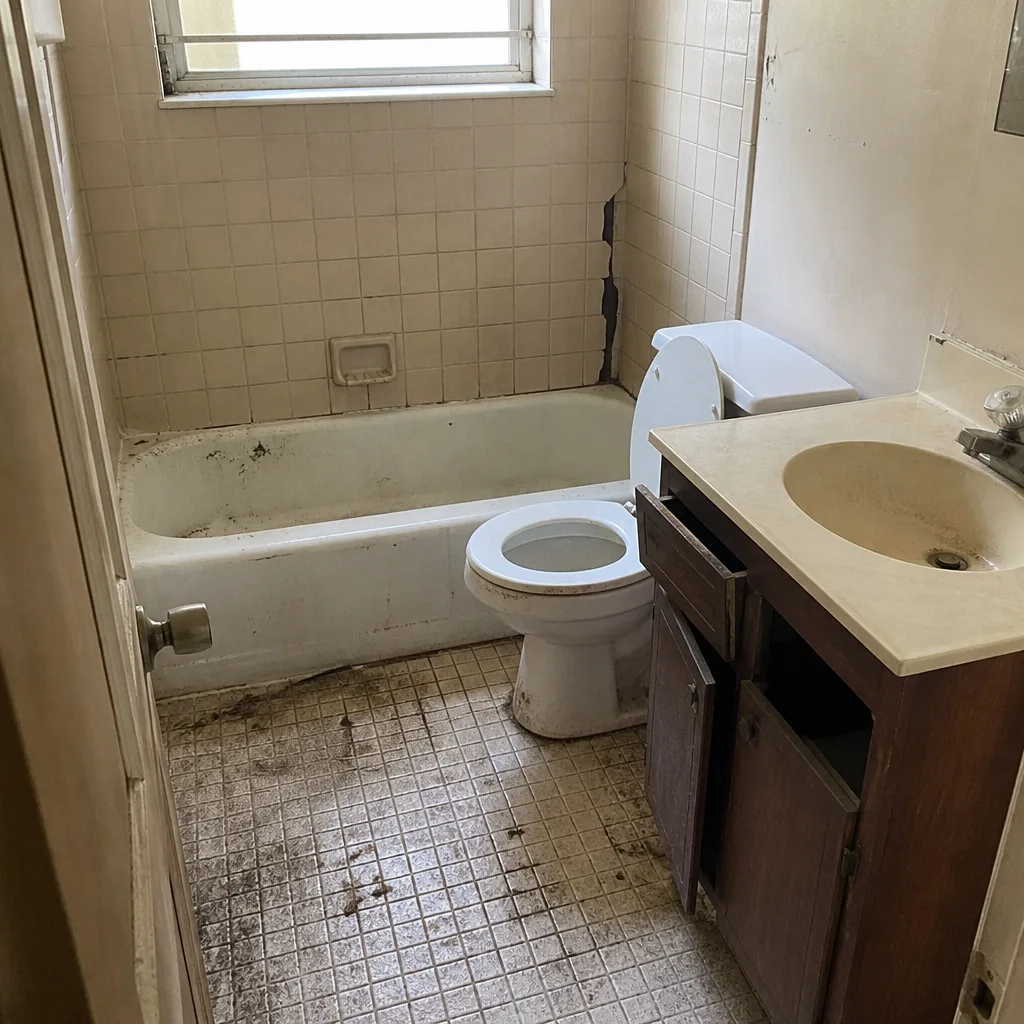 Before
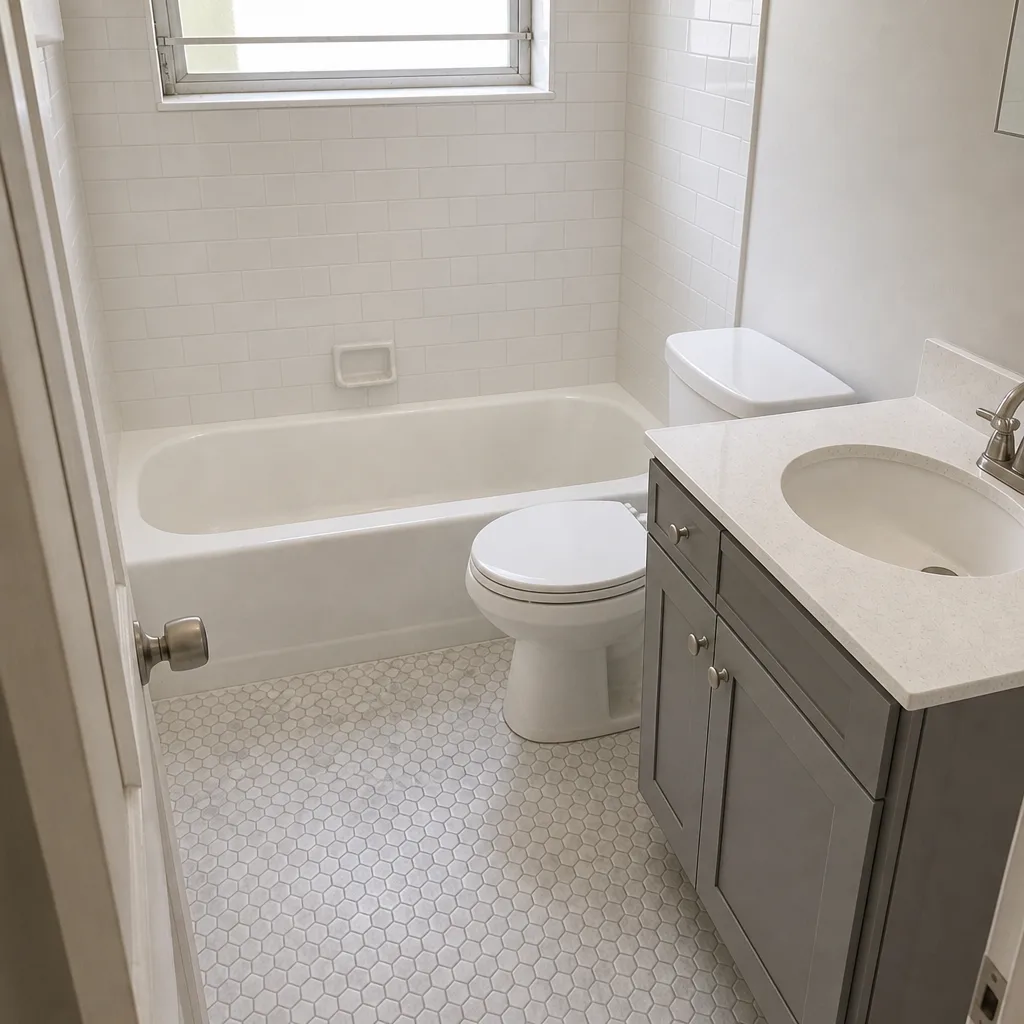 After
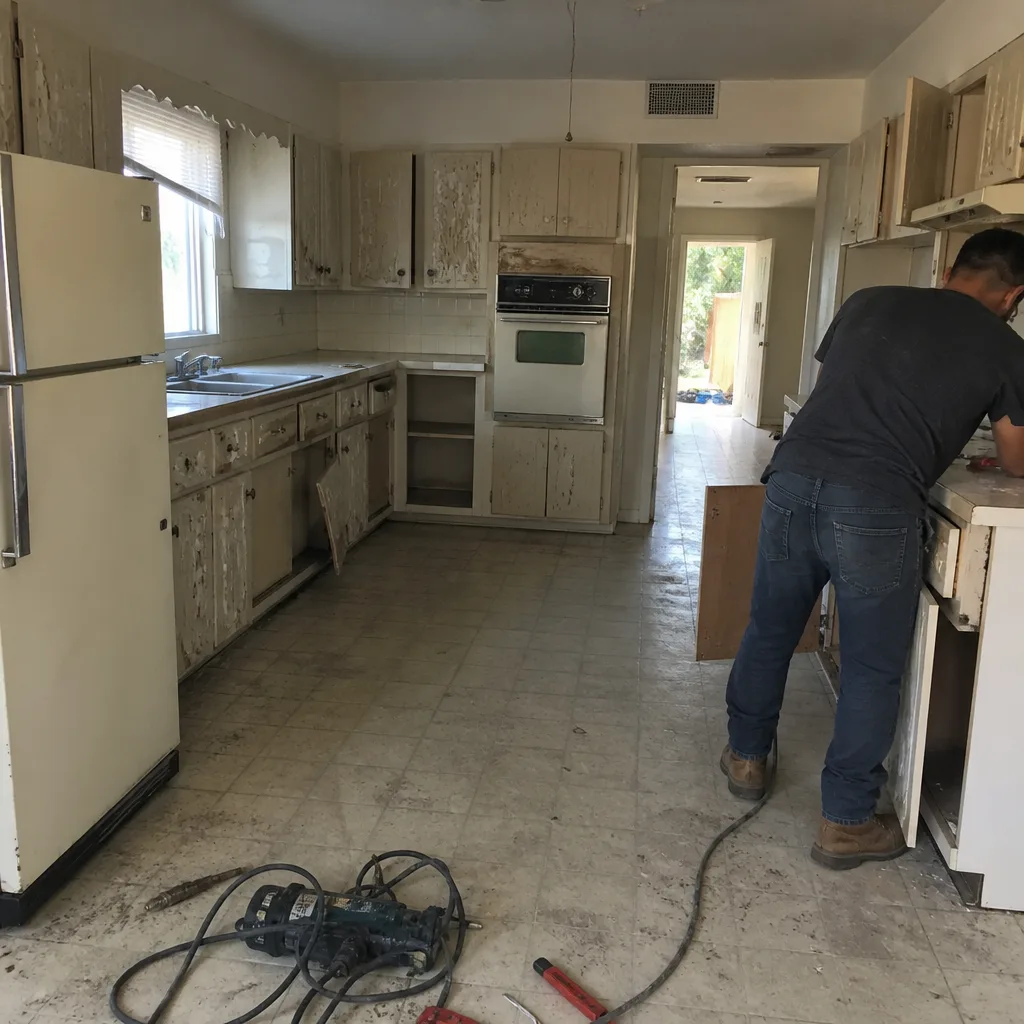 Before
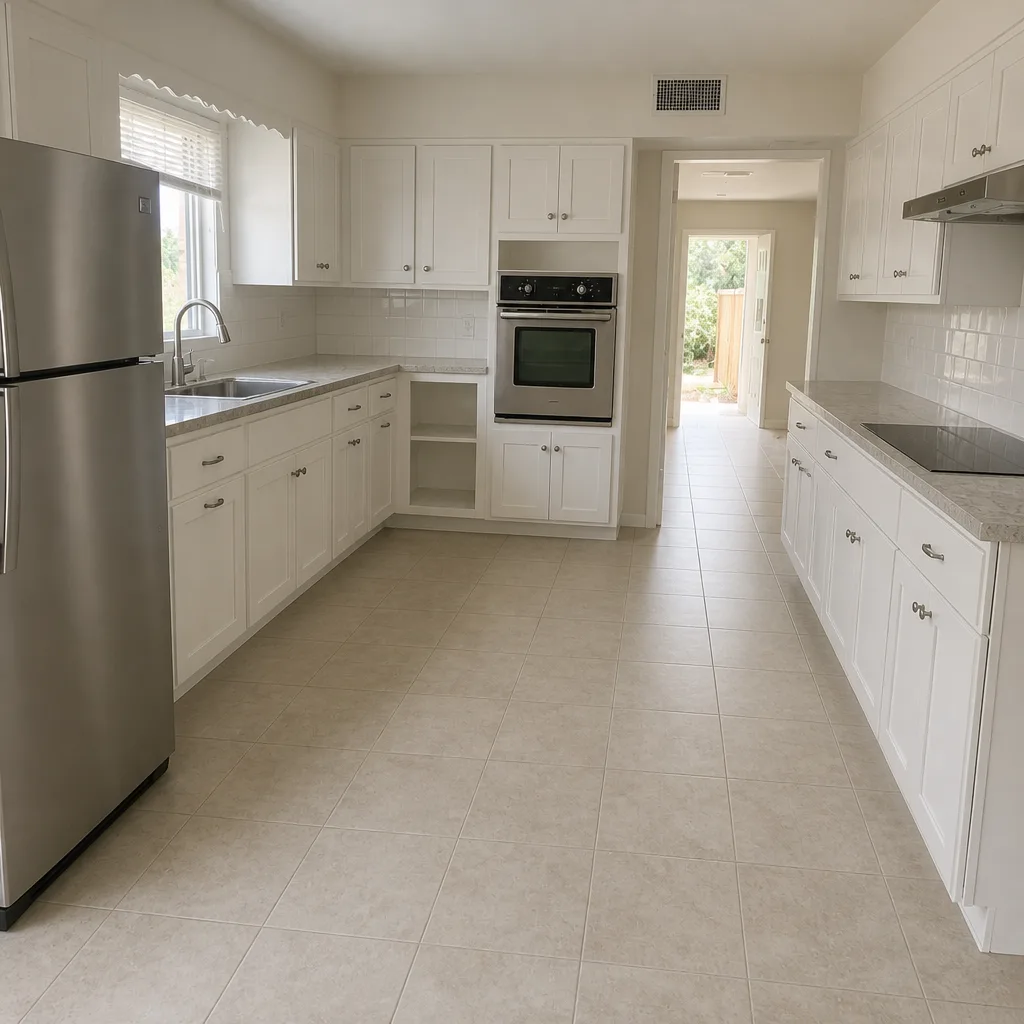 After
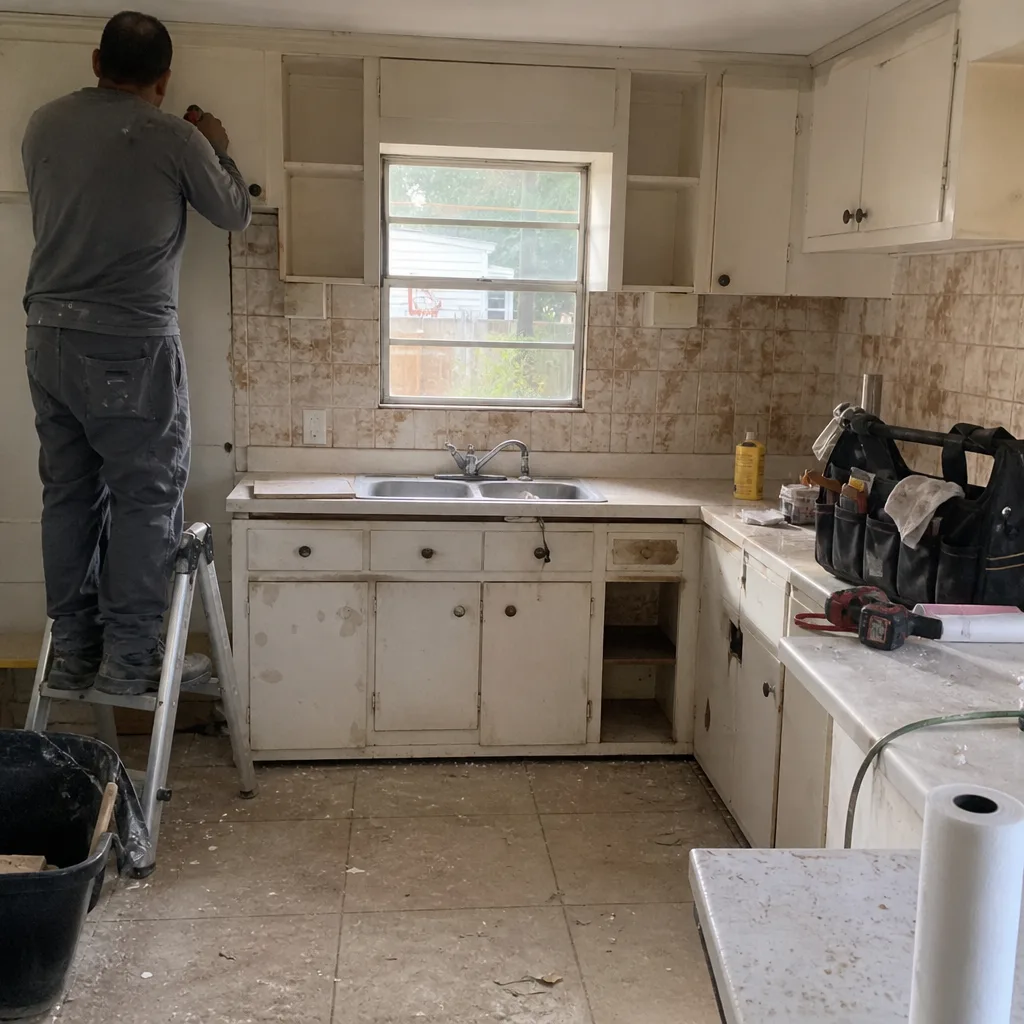 Before
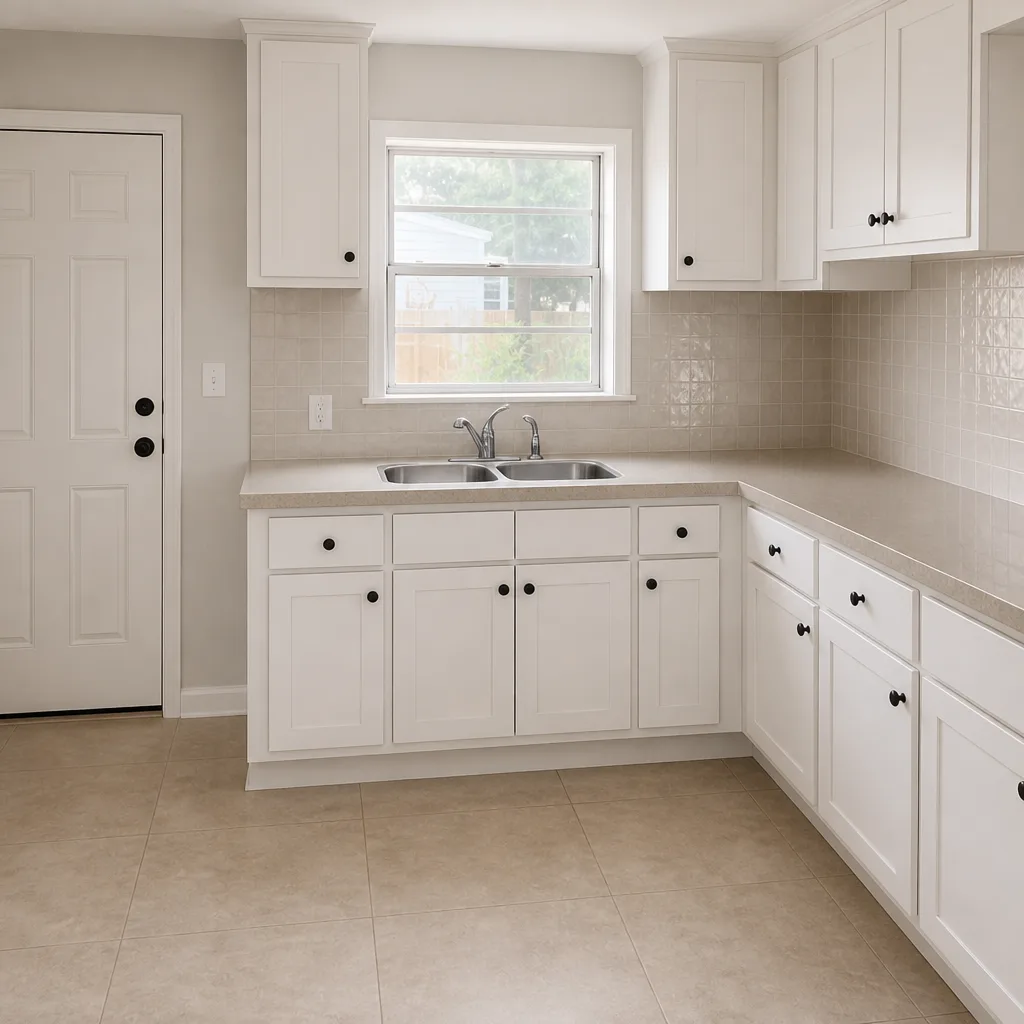 After
When to Call a Professional
Call a professional when the scope crosses any of these lines: electrical beyond a fixture swap, plumbing inside a wall, moving a fixture, replacing a water heater, touching anything structural, working in the wet envelope of a bathroom, rerouting gas, or altering the roof. Call us when the project involves permits – because even when a homeowner can pull them, the documentation trail that protects resale is simpler from a licensed contractor. And call us when you simply want the price in writing before any work begins. Penhallow Remodeling North Miami offers free estimates in North Miami – call (888) 255-7411. Every quote is a written price with a written guarantee against the work, backed by the 365-Day Done Right Promise.
Frequently Asked Questions

Partly. You can legally do the parts that don’t involve licensed trades: demo, drywall (non-load-bearing), painting, cabinet hardware. You cannot legally do your own plumbing changes, electrical work in the wet areas, or water heater installation. Wet-area waterproofing itself isn’t a licensed category, but a failed shower pan from improper substrate is one of the most common causes of insurance claim denials we see in North Miami. For bathroom scope details, see Bathroom Remodeling in North Miami. For a written estimate, call (888) 255-7411.
Yes, and the impact is concrete. Unpermitted work typically surfaces during the buyer’s inspection and shows up as either a renegotiation credit (typically 1.5 to 2 times the original cost of the improper work) or a stalled sale pending remediation. In a hot North Miami market, it can also lengthen time-to-close by weeks or months. The cost of doing it permitted is almost always less than the cost of remediating later.
Almost never. Standard Florida homeowner’s policies exclude damage caused by faulty workmanship, even when the fault is the homeowner’s own. If a plumbing or electrical mistake causes a fire or water damage, the resulting damage may or may not be covered depending on the policy – but the workmanship component is excluded. That’s why permit-and-inspection documentation matters: it’s the cleanest evidence that the work met code.
The two are different questions. Painting is both safe and legal. Tearing out non-load-bearing drywall is both safe and legal – after you confirm it’s not structural and confirm no asbestos in older homes. Moving a wall or re-piping a bathroom might be technically doable by a skilled homeowner but is illegal without the right license and permit. The safe-and-legal list is what we recommend. The legal-only list is what you actually need to be aware of before you start.
At Penhallow Remodeling North Miami, every project carries the 365-Day Done Right Promise in writing: if the work fails within a year of completion, we return and fix it at no charge. If a repair fails, the return visit is free – no service call, no re-inspection fee. The guarantee sits alongside the manufacturer warranties on the products we install (Kohler, Moen, Cambria, and others each carry their own). To see what a written guarantee looks like on your specific project, call (888) 255-7411 for a free estimate.
Timelines vary by scope and permitting, but the sequence is consistent: design and selections, permit application and approval, demo, rough trades and inspections, substrate and finish work, final inspection. A bathroom usually runs several weeks to a couple of months. A kitchen runs longer depending on cabinetry lead times and layout changes. A Peninsula project starts with a written schedule alongside the written price, so the arrival windows are fixed before demolition starts. Call (888) 255-7411 for a project-specific schedule in North Miami.
The Bottom Line
The DIY-versus-pro question isn’t really about whether you can. It’s about which mistakes you can recover from and which ones cost more to undo than to do right the first time. Painting, hardware, demo of non-load-bearing drywall, and landscaping are safe, recoverable, and often worth doing yourself. Electrical, plumbing in walls, structural work, water heaters, and wet-area waterproofing are legally licensed work in Florida – and unpermitted work carries real resale and insurance consequences in North Miami that most guides don’t mention. A written price plus a written 365-Day Done Right Promise is the cheapest insurance a homeowner can buy on the recoverable line. For everything else, call us.
Contact Us

If you’re weighing a remodel in North Miami and want to know exactly which line your project falls on, we’re happy to walk through it with you. No pressure, no countdown clock. Call Penhallow Remodeling North Miami at (888) 255-7411 for a free estimate – a live person answers any hour, and your written price arrives before any work starts. Every project carries the 365-Day Done Right Promise in writing, backed by background-checked, uniformed technicians and The Kingswell Way.
Written by the team at Penhallow Remodeling North Miami.