
Last updated November 17, 2026








Free written scope consultation - allowances, timeline, and change-order rules on paper before a single trade is scheduled
General Contractor Maintenance Checklist for North Miami Homeowners
The average North Miami homeowner discovers a rotted window buck or failed waterproofing membrane the same way: standing inside during a tropical downpour wondering how long it’s been like this. Here’s the counterintuitive part. Most of the damage we see in North Miami wasn’t caused by the storm that finally revealed it. It was caused by eighteen quiet months of humidity, sun and salt working on the same seam. This guide gives you a maintenance rhythm built for that reality: a wet-season and dry-season calendar, the systems that fail first in coastal air, and how to document your home so you’re never guessing when something went wrong.
Quick Answer
A North Miami maintenance checklist should be organized around the wet season (roughly June through November) and the dry season (December through May), not the four-season calendar you’ll find on most national home care sites. The three systems that degrade fastest in North Miami’s coastal humidity are stucco at the weep screed, aluminum window and door framing, and roof underlayment. Inspect all three before June and again after hurricane season closes.
Styles & brands we work with
- Kitchen remodeling
- Bathroom remodeling
- Home additions & ADU
- Roofing
- Windows & doors
- Driveway & pavers
- Fence
Table of Contents
- Why a Minnesota Maintenance Calendar Fails in North Miami
- The Wet-Season and Dry-Season Rhythm
- Month-by-Month Task List
- The Three Systems That Fail First in Coastal Humidity
- How to Build a Photo Baseline Before Anything Fails
- What You Can Do Yourself vs. What Florida Law Requires a Licensed Contractor For
- Why a Written Maintenance Record Matters for Insurance and Resale
Why a Minnesota Maintenance Calendar Fails in North Miami
National maintenance checklists are written for a climate with a hard freeze. They tell you to winterize hose bibs, clear snow from foundation vents, and check the furnace in October. In North Miami, none of that applies. What does apply is nearly the opposite: continuous moisture load on exterior assemblies, year-round UV exposure that breaks down sealants and paint films, and salt air that attacks every fastener and aluminum surface within a few miles of Biscayne Bay.
Think about what that means for a single window. In a cold climate, a window assembly dries out for months at a time. In North Miami, the exterior face of that window is wet, humid or sun-baked almost every day of the year. The sealant bead around the frame has a working life measured in a handful of years, not a decade. When it fails, water doesn’t announce itself. It wicks into the rough opening, and the first sign you see is often a soft spot on the interior drywall months later.
The other difference is the storm clock. Atlantic hurricane season runs June 1 to November 30, and the tasks that protect your home from wind-driven rain have to be finished before that window opens. A checklist that tells you to “inspect the roof in spring” is close to useless here, because spring in North Miami is the tail end of the dry season and the roof is at its least stressed. The inspection that matters happens before the rains return.
If you’re planning a larger project this year, our guide to hiring a General Contractor in North Miami covers how to sequence inspections around active work.
The Wet-Season and Dry-Season Rhythm
Here’s the rule that governs everything else on this list: you inspect in the dry season and you protect in the wet season. The dry months, December through May, are when you can actually see what’s wrong. Sealant and stucco are dry enough to read, roof surfaces are accessible, and a contractor can open a wall assembly without racing an afternoon thunderstorm.
The wet months, June through November, are for monitoring and storm prep rather than repair. That doesn’t mean you ignore problems until December. It means you watch, you document, and you act on anything urgent. A water stain that grows during the wet season is telling you something a dry-season inspection won’t.
A practical split looks like this:
- December through February (dry): full exterior inspection, sealant replacement, roof check, stucco and weep screed review, photo documentation.
- March through May (dry, pre-storm): storm prep, window and door hardware check, gutter and drainage clearing, shutter or impact panel inventory, final pre-season walkthrough.
- June through November (wet): monthly interior moisture sweep, post-storm exterior walkthrough, drainage monitoring, fast action on any stain or soft spot.
If you only do one thing, do a thorough pre-season walkthrough in May. That single habit catches more damage in North Miami than a year of ad-hoc fixes.
Month-by-Month Task List
This is a working calendar, not a set of rigid dates. Shift tasks a few weeks either way to suit your schedule, but keep the wet-season and dry-season split intact.
- January: Full exterior walkthrough. Photograph every wall, window and roofline. Note any sealant that has cracked or pulled away from the frame.
- February: Roof inspection from the ground with binoculars, plus a professional look if you see lifted shingles, dark streaks or exposed edges. Check the underlayment at any visible valley.
- March: Stucco review, especially at the weep screed (the metal lip at the base of the wall that lets water drain out of the assembly). Look for cracks wider than a hairline and any rust staining at fasteners.
- April: Clear gutters and downspouts, check grading so water runs away from the foundation, and confirm window and door weep holes are open, not plugged with debris.
- May: Pre-storm prep. Inventory impact shutters or panels, check hardware, confirm roof straps or clips if you have documentation, and photograph everything for your baseline record.
- June: First month of the rainy season. Interior moisture sweep in every room that shares an exterior wall. Watch for new stains, bubbling paint or any soft drywall.
- July: Mid-season check. Re-walk the exterior after the first heavy storms. Look for water tracking down walls or pooling at the base.
- August through October: Peak hurricane season. After any named storm, do a post-storm exterior walkthrough and photograph damage before you touch anything.
- November: Season close-out. Re-inspect all three critical systems, note anything the season revealed, and schedule repair work for the dry months.
- December: Dry-season kickoff. Repeat the January inspection and compare against your baseline photos from last year.
In our experience, the homeowners who run this calendar catch small failures while they’re still small. The ones who don’t tend to find out during a storm.
The Three Systems That Fail First in Coastal Humidity
Not every part of a house is equally at risk in North Miami. These three systems degrade faster than anything else, and each one gives you warning signs before it fails outright.
Stucco Weep Screeds
The weep screed sits at the base of your exterior wall and lets moisture escape from inside the wall assembly. When it’s blocked, painted over, or buried by landscaping, water sits in the wall. Check that the screed is visible and clear, and look for staining or efflorescence (the white mineral powder that tells you water is moving through the stucco). Rust streaks at the screed usually mean moisture has been pooling for a while.
Aluminum Window and Door Framing
Aluminum framing is everywhere in North Miami, and it’s a strong choice in a storm region. But the sealant around the frame and the glazing at the glass are the weak points. When you see a spec of water inside the track after a rain, that’s not condensation. It’s a failed seal. We see a lot of this on systems installed by Penhallow Remodeling North Miami home customers who had older CWS or ES Windows units that had gone fifteen years without a sealant refresh. A close inspection of the frame perimeter before June catches it.
Roof Underlayment
The underlayment is the water-resistant layer under the roof covering. It’s the last line of defense, and it ages faster than the shingles or tile above it. You can’t see it directly from the ground, but you can read the signs: dark streaks on the roof, lifted or curled edges, and any water stain inside the attic or at a ceiling near a valley. A roofer can check the underlayment condition at the edges and at penetrations without a full teardown. This is not a DIY inspection; it’s a check a licensed roofer should make.
If you’re replacing windows as part of a larger renovation, an impact-rated product from a brand like ES Windows or ECO Window Systems is worth pricing against a repair of the old frame. Our Bathroom Remodeling in North Miami guide talks about the same sequencing decision inside the home, where a failed substrate (the layer behind tile) has to be fixed before new tile goes in.
How to Build a Photo Baseline Before Anything Fails
Here’s the habit that pays off more than any single repair: document your home before something fails, not after. A photo baseline turns “I don’t know how long it’s been like this” into a dated record you can hand to a contractor or an insurance adjuster. It also protects you during resale disclosure, where you may be asked to state when you first noticed an issue.
Here’s how to build it:
- Photograph every exterior elevation in even light, ideally in the dry season when shadows are soft. Four walls, roofline, and base of wall.
- Take one close-up of every window and door frame at all four sides, so you can compare the sealant line year to year.
- Photograph the weep screed along the length of each wall and the base of the stucco.
- Document the roof from the ground with a wide and a zoomed shot at each valley and penetration.
- Note the date and a short description on each photo, in the file name or in a note on your phone. “South wall, weep screed, 3/14” is worth more than a hundred unlabeled images.
- Store the set in one folder you update each January. It becomes a year-over-year comparison you can actually use.
Once you have that baseline, an annual comparison takes twenty minutes and tells you exactly what changed.
What You Can Do Yourself vs. What Florida Law Requires a Licensed Contractor For
Some maintenance is genuinely homeowner territory. Other work requires a licensed contractor under Florida law, and getting that line wrong can put your insurance coverage and your safety at risk.
Reasonable to self-perform:
- Clearing gutters and downspouts
- Washing exterior walls and window frames
- Cleaning window and door weep holes
- Photographing and documenting your home
- Inventorying and testing shutter and panel hardware
- Applying a fresh bead of exterior sealant at minor joints, if you’re comfortable on a ladder
Requires a licensed contractor, or at minimum a licensed inspection:
- Roof replacement or underlayment repair
- Structural repairs and replacing rotted framing or window bucks
- Stucco repair that goes beyond cosmetic patching
- Any work that requires a permit and inspection
- Window and door replacement (permit and impact rating compliance)
- Water intrusion diagnosis inside a wall assembly
A word of caution on roofs and anything on a ladder near a steep or high roof: storm damage and tired underlayment are not a place to improvise. A roofer who does this every day can read a roof in minutes without stepping into a hazard you shouldn’t take on.
Why a Written Maintenance Record Matters for Insurance and Resale
A dated written maintenance record is worth more than most homeowners realize. Two situations make it matter most.
The first is an insurance claim. When you file a claim for water damage or storm damage, the adjuster will ask when the damage began and whether it was maintained. A record that shows you inspected your roof in February and photographed the sealed window frames in March tells a very different story than a homeowner with no documentation. It’s the difference between “this was a neglected condition” and “this was a sudden storm event.”
The second is resale disclosure. Florida sellers are expected to disclose known material defects. A maintenance record shows what you knew and when. If you have a dated photo of a weep screed that was clear in January and a stain that showed up in July, you can accurately disclose the timeline instead of guessing.
Keep the record simple: a dated folder of photos and a short written log of each inspection and each repair, with the contractor, the date and the scope of work. That’s it. Ten minutes a year, and it does real work for you when it counts.
Common Mistakes to Avoid
- Following a national four-season checklist. Winterizing hose bibs and checking the furnace have no place in a North Miami plan. Build your calendar around the wet and dry seasons instead.
- Inspecting the roof in spring instead of before hurricane season. By the time the rains start, it’s too late to fix what a pre-season look would have caught. Do the roof check in February.
- Painting over the weep screed. It’s a common cosmetic move and a real hazard in coastal humidity. Paint the wall, leave the screed clear so water can escape.
- Skipping the photo baseline. Without a dated before picture, you’ll never know how long a stain has been there, and neither will an adjuster.
- Fixing stucco cracks without finding the source. A crack filled and repainted over a failed sealant will reopen within a season. Diagnose first, repair second.
- Ignoring a soft spot because “it hasn’t rained in weeks.” In North Miami, the interior of a wall can stay wet for a long time after the rain stops.
- Assuming sealant lasts a decade. In coastal humidity, exterior sealant on aluminum framing needs a refresh on a much shorter cycle. Inspect it every year.
See the difference
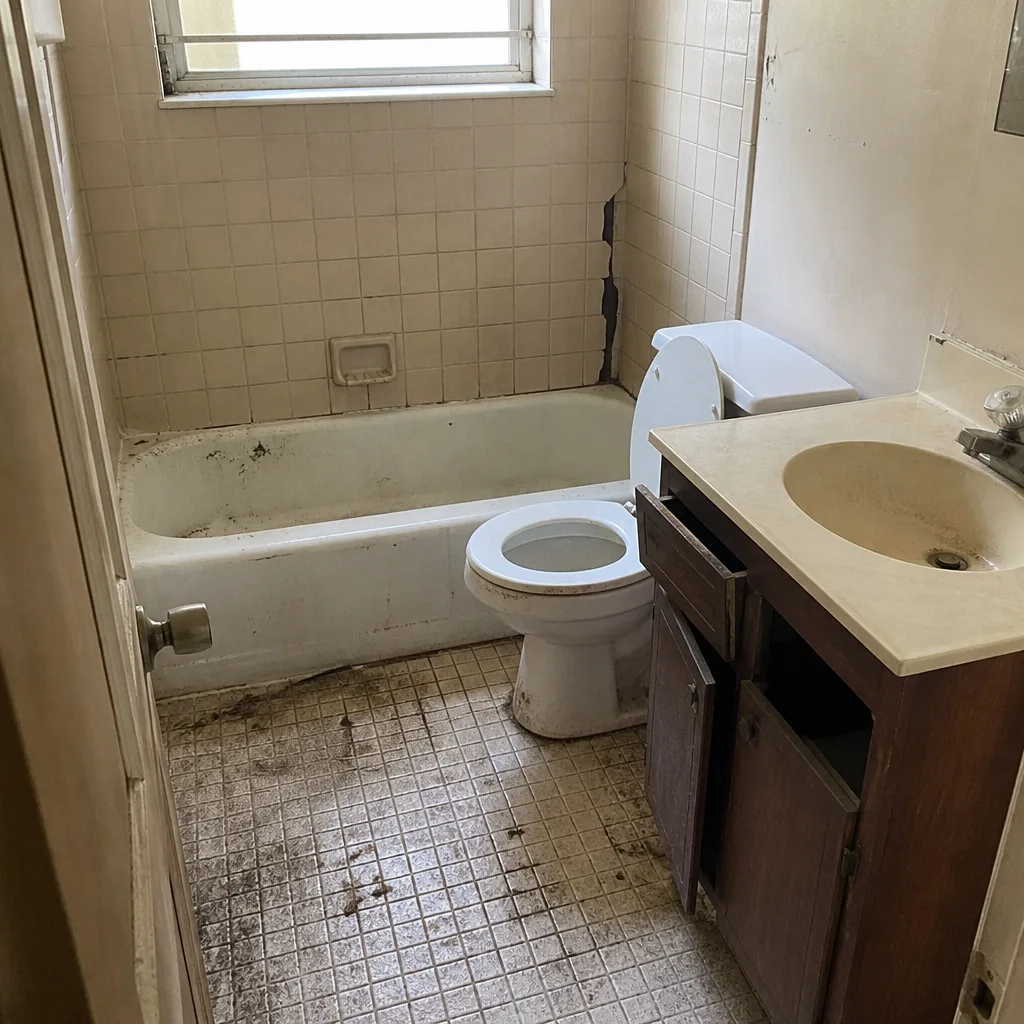 Before
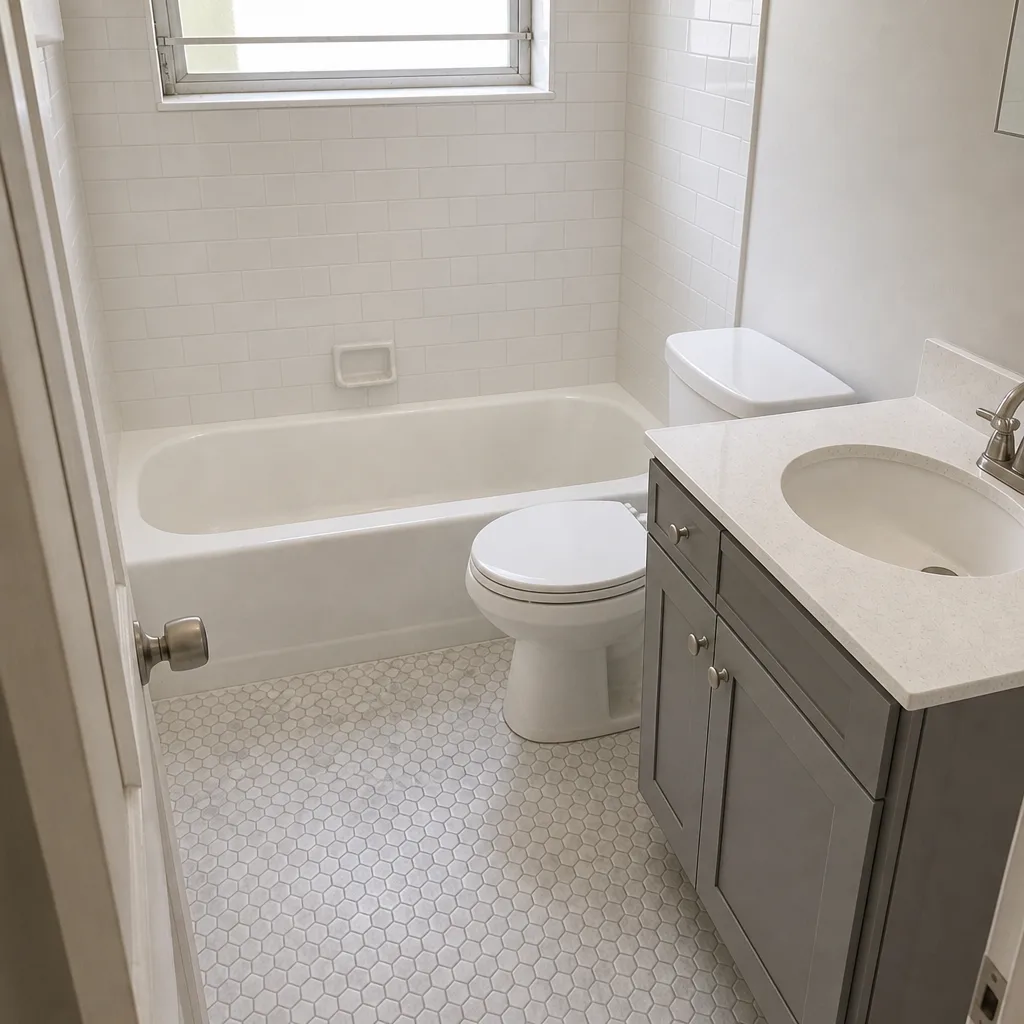 After
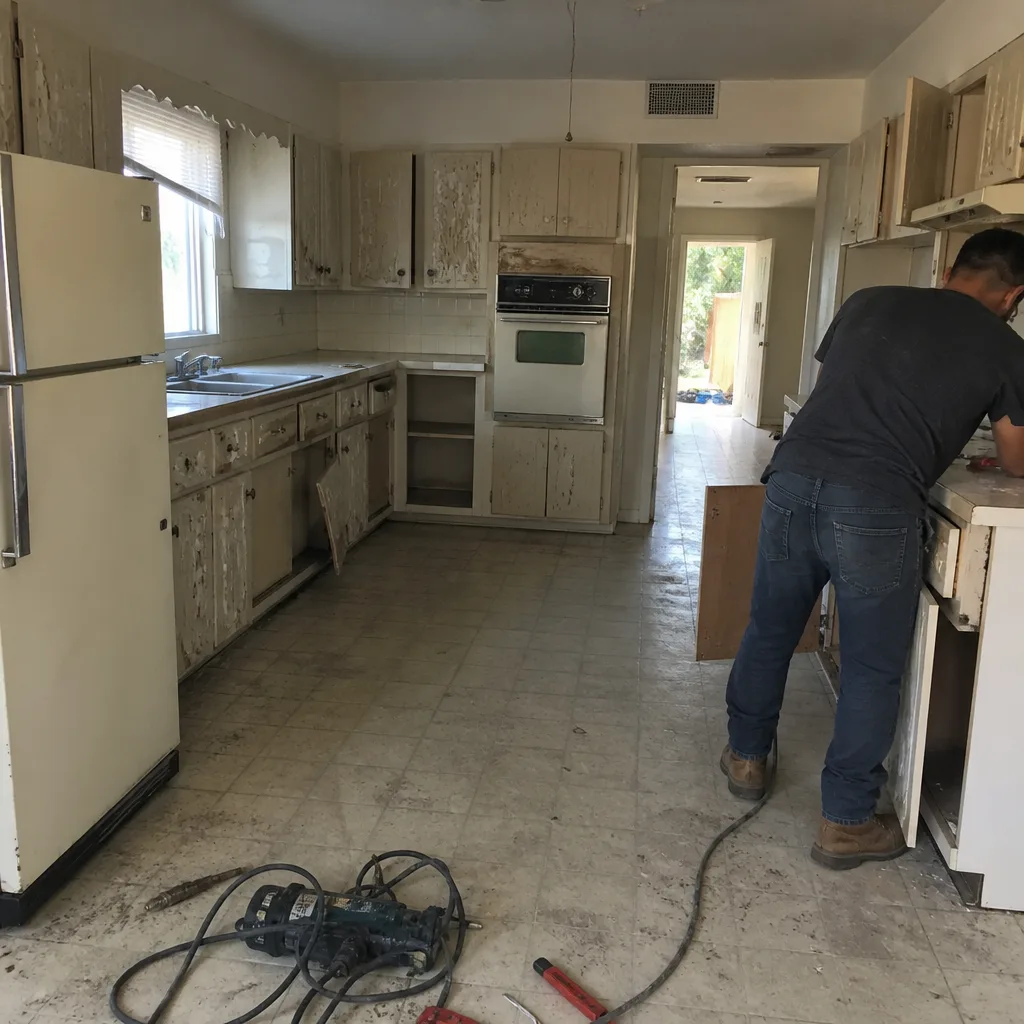 Before
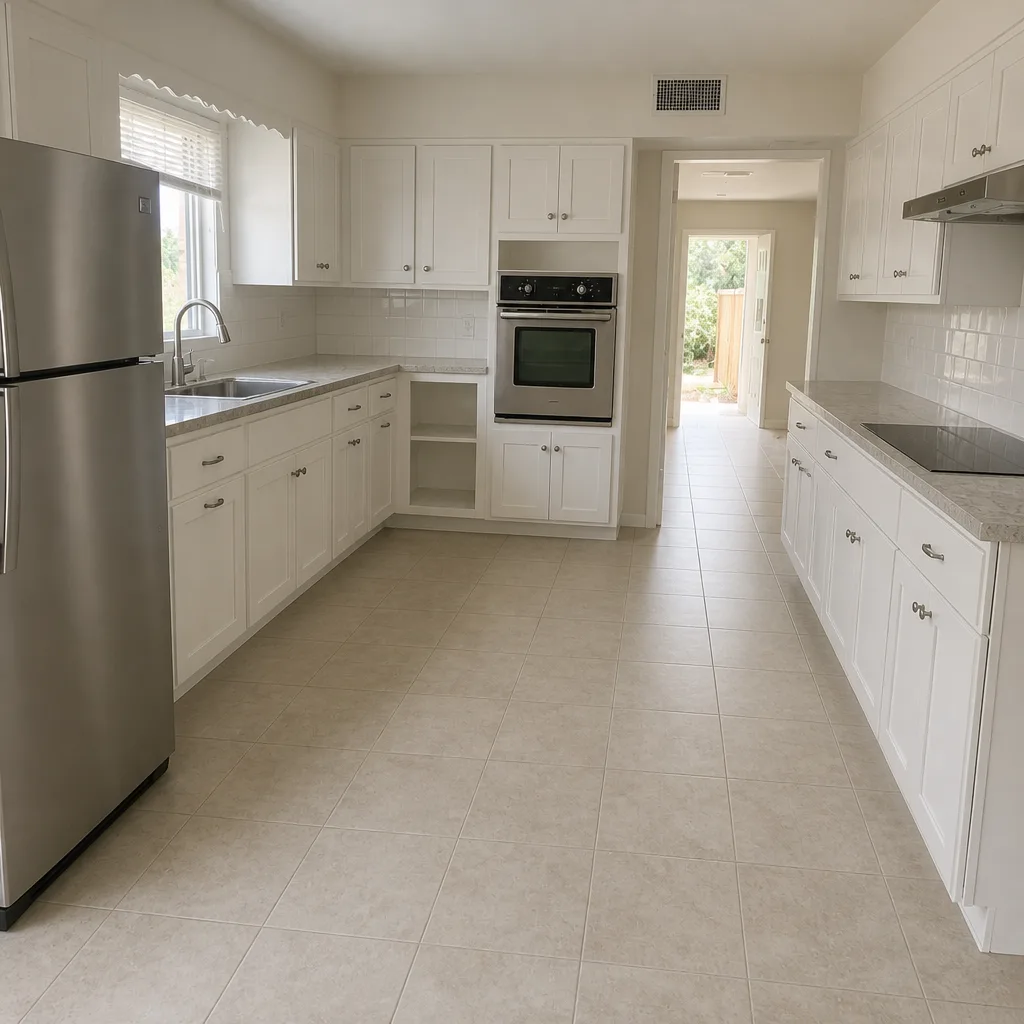 After
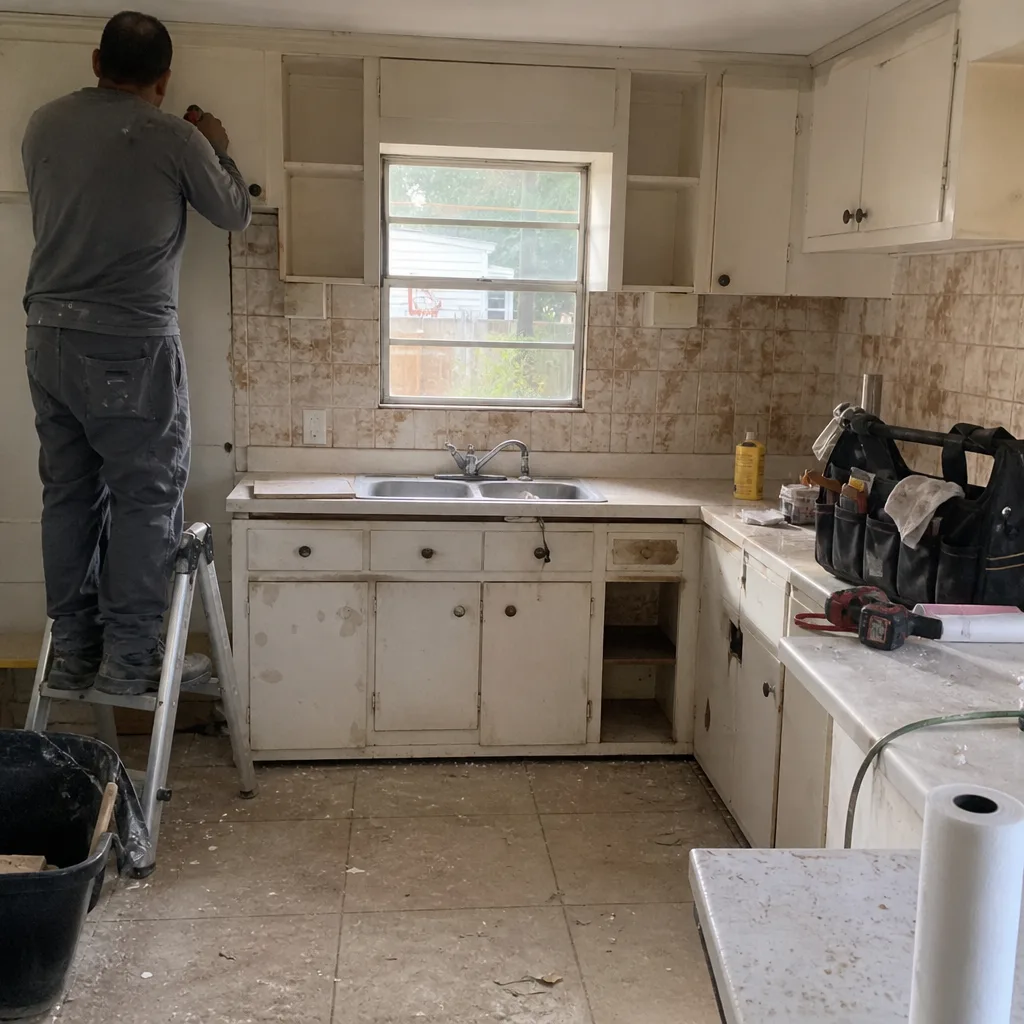 Before
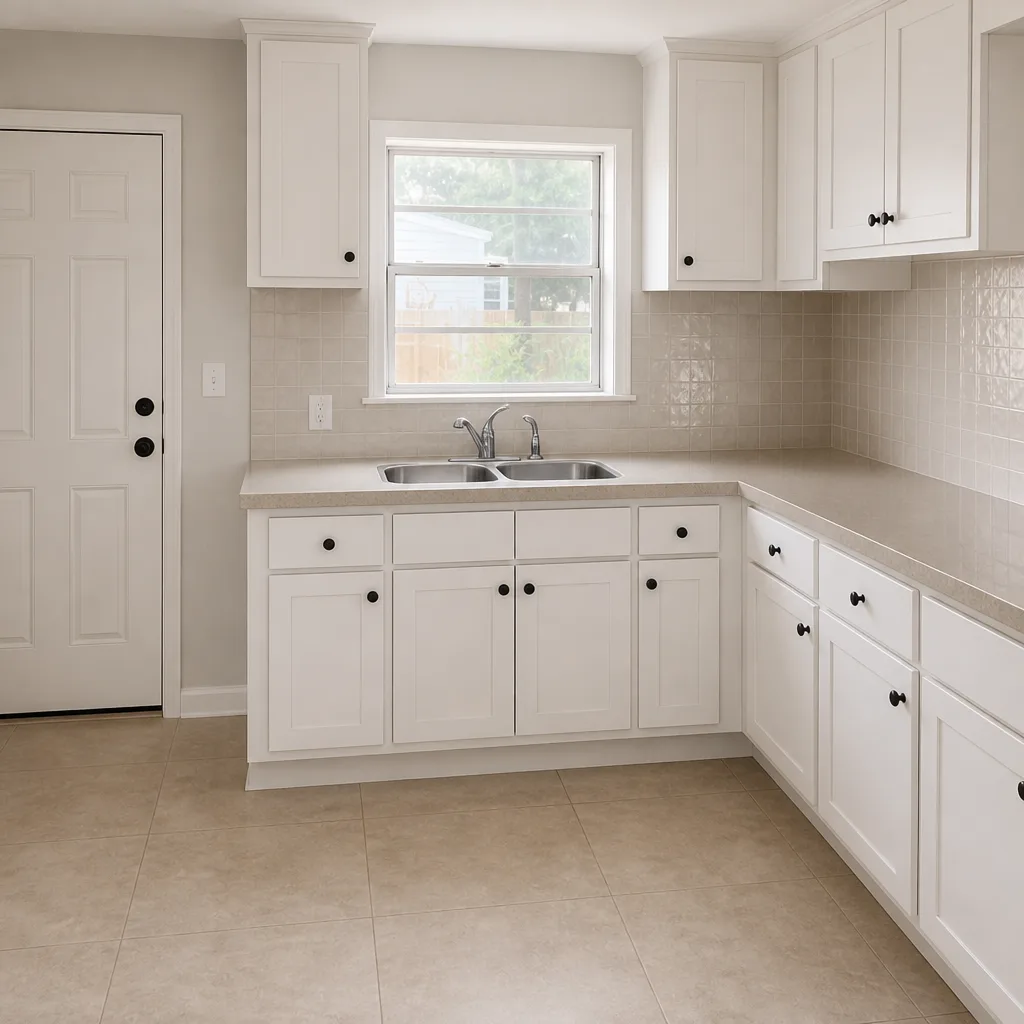 After
When to Call a Professional
Call a licensed professional when you see a water stain that grows, a soft or spongy spot in a wall or ceiling, a rotted window buck, or a roofline that has changed shape. If your weep screed is buried or blocked and you can’t clear it, or if a stucco crack is wider than a hairline, that’s a diagnosis job, not a patch job. The same is true for any roof underlayment question and for any window replacement where the impact rating matters.
The general rule: if the work touches structure, roofing, or the weather barrier (the layer that keeps water out of the wall), get a licensed professional. Penhallow Remodeling North Miami offers free estimates in North Miami for the work within our scope: kitchen remodeling, bathroom remodeling and whole-home remodels. Call (888) 255-7411 to schedule yours. Our technicians have up to 22 years of experience, and every project comes with a written price before work starts and our 365-Day Done Right Promise in writing.
Frequently Asked Questions

Twice a year for a full inspection, once in the dry season before hurricane season and once after it closes, plus a quick monthly moisture check during the wet months. The dry-season inspection is the one that catches problems while they’re still small. A quick post-storm walkthrough after any named storm is also worth the time. Call (888) 255-7411 if you’d rather have a professional walkthrough than do it yourself.
Yes, and more than most homeowners expect. Exterior sealant around aluminum framing and stucco joints needs an annual check and a refresh on a much shorter cycle than in drier climates. Inspect it every year, ideally in the dry season, and replace any bead that’s cracked, shrunk or pulled away from the frame.
Photograph it before you touch anything, note the date and the location, and then call a licensed contractor to diagnose the source. Don’t paint over it or repair the visible surface until the cause is found. In coastal humidity, a covered-up water intrusion will keep working and the damage will keep spreading behind the finish.
A weep screed is the metal lip at the base of a stucco wall that lets moisture drain out of the wall assembly. In coastal humidity, a blocked weep screed traps water inside the wall, and that trapped water causes rot, efflorescence and eventually structural damage. Check that it’s visible and clear every year, and never paint over it or bury it in landscaping.
Yes. A dated record of inspections and photos shows an adjuster that you maintained your home and helps establish when the damage began. That distinction matters when a claim hinges on whether a condition was neglected or the result of a storm event. Keep a simple dated folder and a short written log, and it does real work for you when you need it.
Window replacement generally requires a permit and compliance with impact rating requirements, and the exact scope depends on your property and jurisdiction. Ask the contractor to handle the permit and confirm the inspection process before work starts. If you’re working with a contractor on a larger project, our Kitchen Remodeling in North Miami guide covers how project scopes and permits are sequenced. Call (888) 255-7411 with questions about your project.
The Bottom Line
North Miami maintenance runs on a different clock than the rest of the country. The tasks that matter most are tied to the wet season and hurricane season, and the systems that fail first are stucco weep screeds, aluminum framing and roof underlayment. Inspect in the dry months, monitor in the wet months, and photograph everything so you have a dated baseline when a contractor or an adjuster asks. Keep a simple written record. When something crosses from maintenance into structure, roofing or the weather barrier, call a licensed professional rather than patching over it.
Penhallow Remodeling North Miami works to the Kingswell standard: a written price before any work starts, a real arrival window, a clean job site, and a written guarantee on every project. Our background-checked, uniformed technicians arrive with that standard on every job, and our 365-Day Done Right Promise means if something isn’t done right, we come back and make it right at no charge. That promise is in writing on every project, alongside product lines like Cambria and Silestone countertops and Kohler and Moen fixtures that carry their own warranties behind ours. If your maintenance review turns up work in our scope, we’re glad to give you a written number you can hold us to.
Call (888) 255-7411 for a free estimate. A live person answers, any hour.
Written by the team at Penhallow Remodeling North Miami.