Last updated November 17, 2026








Free written scope consultation - allowances, timeline, and change-order rules on paper before a single trade is scheduled
How to Hire a Construction Contractor in North Miami: A Step-by-Step Guide
The Florida Department of Business and Professional Regulation fields thousands of contractor complaints every year. A striking share of them begin with the same sentence: “He seemed trustworthy, so I didn’t get it in writing.” That one gap – no written scope, no written price, no written guarantee – is where most North Miami remodeling headaches start. This guide walks through how to verify a license in three minutes, what a Florida contract must contain before you hand over a deposit, how to compare bids that look identical but hide different scopes, and which behaviors should stop you cold before you sign anything.
Quick Answer
To hire a construction contractor in North Miami, verify the contractor’s Florida license through DBPR, confirm they carry general liability and workers’ comp coverage, get a written scope and fixed price before any deposit changes hands, and make sure the contract spells out the payment schedule, permit responsibility, and written guarantee. Never pay a large deposit without a signed contract that names a scope, a price, a start window and a finish date.
Styles & brands we work with
- Kitchen remodeling
- Bathroom remodeling
- Home additions & ADU
- Roofing
- Windows & doors
- Driveway & pavers
- Fence
Table of Contents
- Step 1: Verify the License in Under Three Minutes
- Certified vs. Registered: What the Difference Means for You
- What Must Be in the Contract Before You Pay a Deposit
- How to Compare Bids That Look Identical
- What a Written Guarantee Should Actually Say
- The Subcontractor Questions Nobody Asks
- Red Flags Before the Contract Is Signed
- How to Read a Realistic Schedule
Step 1: Verify the License in Under Three Minutes
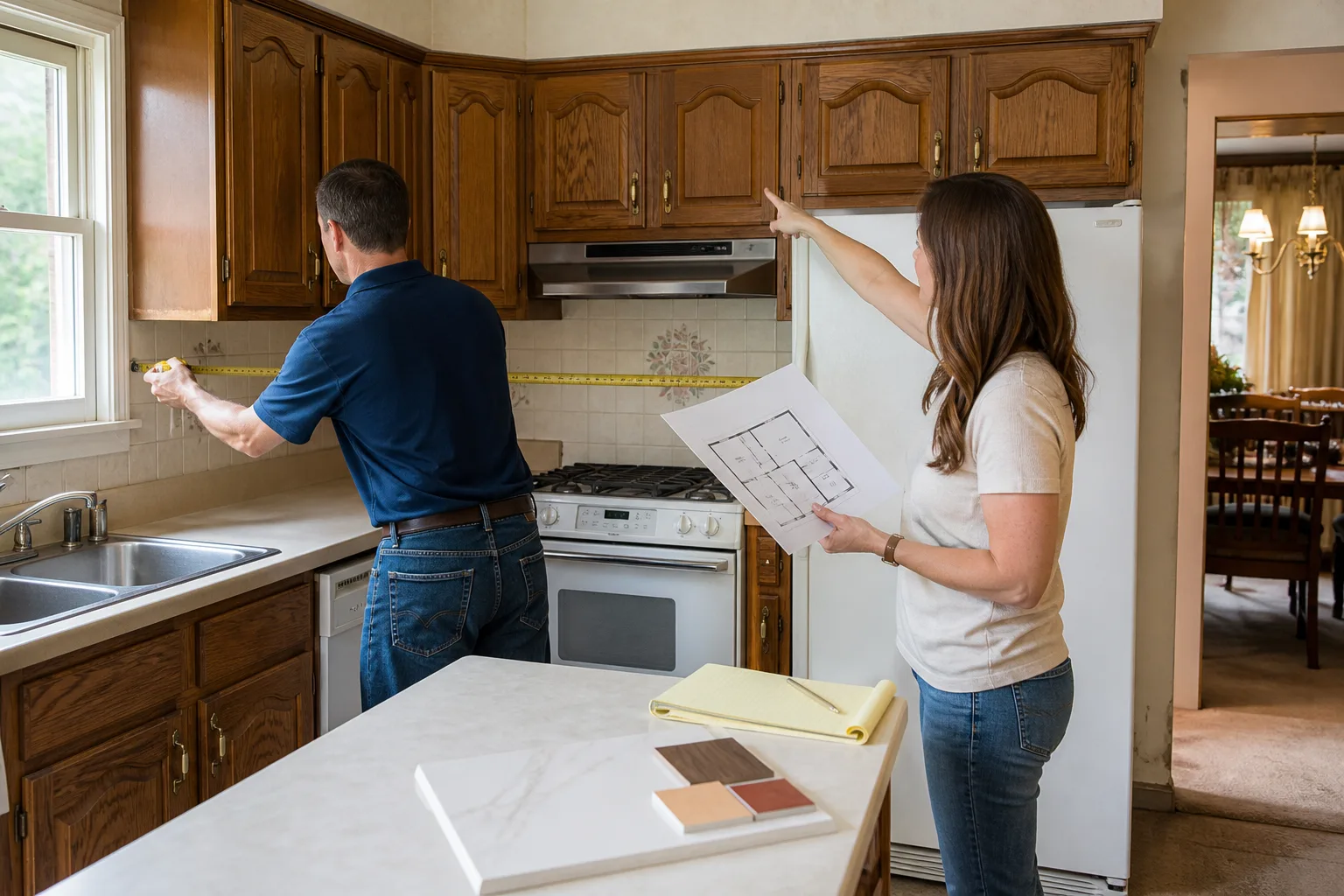
Florida makes this easier than most homeowners expect. Pull up the DBPR license lookup on your phone while the contractor is still standing in your kitchen.
- Go to the DBPR Licensee Search (myfloridalicense.com) and search by the contractor’s name or company name.
- Confirm the license status reads “Current, Active” – not “Null and Void,” “Delinquent,” or “Suspended.”
- Check the license type. A “Certified” license is valid statewide. A “Registered” license is only valid in the counties where it’s registered.
- Confirm the qualifying agent’s name is listed. That’s the person legally responsible for the work; if they’re not on the record, the company isn’t properly licensed to pull permits in your name.
- Check the complaint history tab. One recent complaint can be a coincidence; three in the past eighteen months is a pattern.
We’ve seen homeowners in North Miami get burned by a contractor whose license was current two years ago but went delinquent after a lapsed insurance renewal. The license number looked fine on the truck. Nobody checked the database. For a kitchen or bathroom project in North Miami, that single check takes less time than brewing coffee and tells you more than any reference call.
Certified vs. Registered: What the Difference Means for You
A certified contractor holds a state-issued license valid across all Florida counties. A registered contractor holds a local license valid only in the specific counties where they’ve registered with the local building department. Both are legal, but they aren’t the same thing.
- Certified contractors can pull permits and work in any Florida county without additional registration. This is the stricter standard and generally signals a contractor operating at a higher level.
- Registered contractors are limited to the counties where they’ve filed. If your project is in North Miami, verify their registration covers Miami-Dade County specifically.
- Neither – an unlicensed contractor – cannot legally pull permits, and any work they do that requires inspection will fail or be red-tagged by the building department. In Miami-Dade, unpermitted work can also complicate your homeowner’s insurance and your ability to sell the home later.
For anything structural – load-bearing walls, additions, or a full general contractor in North Miami scope – insist on certified and verify the license reflects an active general or building contractor category, not just a specialty trade license pretending to cover general work.
What Must Be in the Contract Before You Pay a Deposit
Florida Statute 489.119 and the related contracting statutes set the baseline. The rest is what a fair contractor volunteers without being asked.
Five things must appear in writing before money changes hands:
- A written scope of work – not “renovate kitchen,” but a line-by-line list of what’s included and, just as important, what’s excluded.
- A fixed price or a written allowance schedule – every itemized line, with allowances spelled out for materials the homeowner selects (e.g., “$X allowance for Cambria quartz countertops; overages billed at cost plus documented markup”).
- A payment schedule tied to milestones – not a flat 50% deposit. Florida law caps deposits for certain work, but many contractors ask for more than necessary. A reasonable schedule ties each payment to a completed phase.
- Permit responsibility – who pulls them, who pays for them, and what happens if an inspection fails.
- A written guarantee – duration, what’s covered, who pays for labor if something fails, and whether the return visit is free.
If any of these is verbal, it doesn’t exist. We’ve seen North Miami homeowners discover the hard way that “we’ll handle the permits” was never written anywhere.
How to Compare Bids That Look Identical
Two bids can both say “$42,000 for a kitchen remodel” and represent completely different jobs. One includes cabinet installation, the other doesn’t. One carries a $6,000 countertop allowance, the other $3,500. One pulls permits, the other doesn’t mention them.
Compare bids on these seven axes:
- Scope granularity – how many line items, and how specific. Fewer than 15 lines for a full kitchen is a warning sign.
- Allowances – the dollar figure attached to each homeowner-selected material (cabinetry, countertop, tile, fixtures). Ask what the allowance actually buys at the contractor’s preferred vendor.
- Demo and disposal – who hauls the old cabinets and tile away, and is that in the number?
- Permit fees and inspections – itemized or absent?
- Subcontractor costs – electrical, plumbing, HVAC, and drywall are the four line items most likely to be “TBD” or missing.
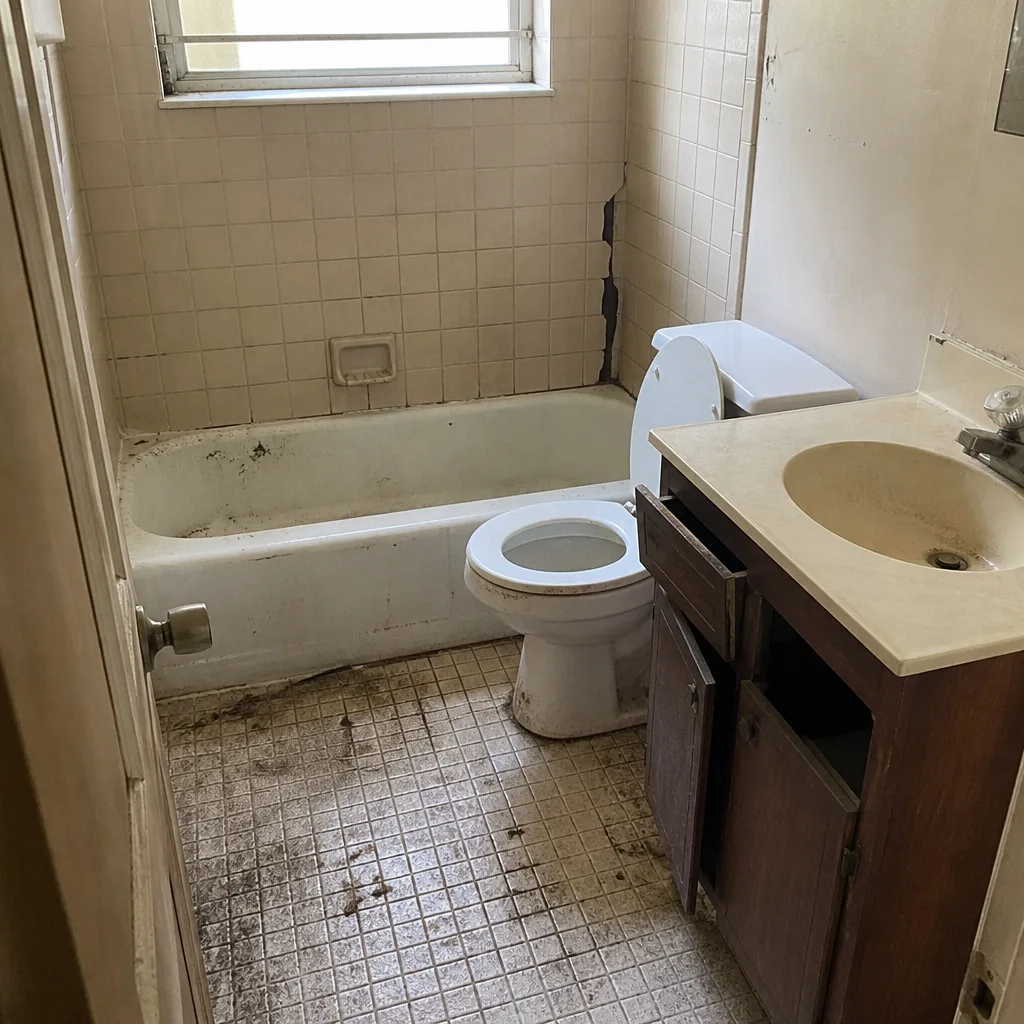
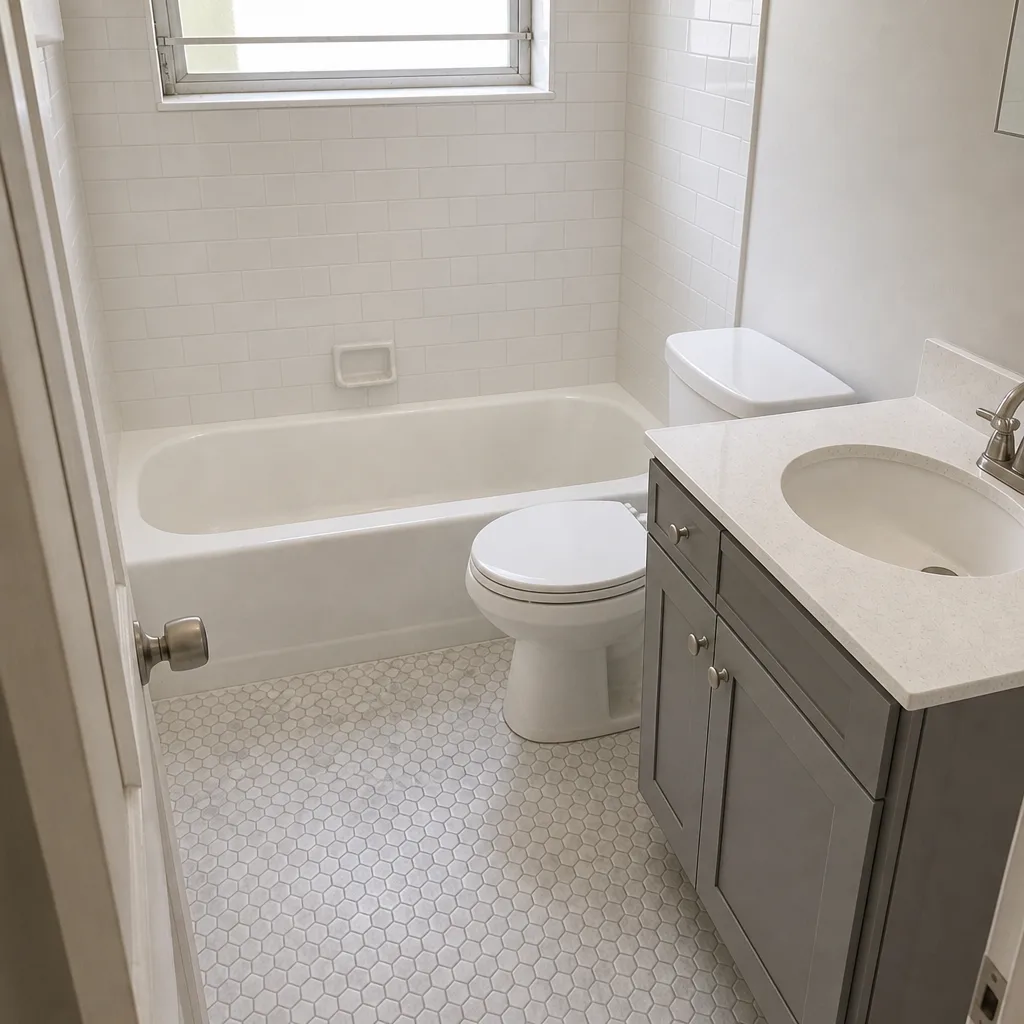
- Contingency – a written allowance for concealed damage (rotted framing behind a North Miami bathroom tile wall is not rare after a humid summer) or a stated process for how surprises get priced.
- Guarantee terms – what’s written, not what’s promised verbally.
A good written bid from a kitchen remodeling in North Miami contractor reads like a small novel: every material, every trade, every allowance, every guarantee. If it fits on one page with three bullet points, that’s not a price – that’s a guess.
What a Written Guarantee Should Actually Say
A guarantee is worth what the paper says it’s worth. Read the fine print before you sign, not after.
Any written guarantee should answer five questions precisely:
- How long does it last? A 30-day warranty covers almost nothing. A 365-day written promise covers a full seasonal cycle, including a wet North Miami summer and the settling that follows.
- What’s covered? Labor, materials, or both. If it only covers “materials,” the labor to fix a failed shower pan is on you.
- Who pays for the return visit? The best guarantees include a free return visit if the work fails – no service call, no re-inspection fee.
- What voids it? Some guarantees void if the homeowner makes any modification, even a cosmetic one. Read the conditions.
- Is it in writing? Verbal guarantees are not guarantees.
Our own guarantee is written into every project: the 365-Day Done Right Promise. If something fails inside the year, we come back and fix it at no charge, and the terms are on paper before any demo begins. That’s the standard to hold any North Miami contractor to, whether or not it’s us.
The Subcontractor Questions Nobody Asks
Most remodeling is done by subcontractors – electricians, plumbers, tile setters, drywall crews. The contractor you hire coordinates them. What most homeowners never ask is: who’s actually doing the work, and who’s liable if they get it wrong?
Ask these before the contract is signed:
- Are your subcontractors licensed? Florida requires specific license categories for electrical and plumbing work. A general contractor cannot legally perform either.
- Are your subcontractors insured? If an uninsured sub is injured on your property, your homeowner’s policy may be on the hook.
- Who’s liable if their work fails? The answer should be “we are,” and it should be in writing. If the contract names the sub as responsible, you’re now managing a second relationship you never agreed to.
- Will the same crew be here on day one and day thirty? Consistency matters, especially on a full bathroom remodeling in North Miami where tile setting and waterproofing sequence is easy to botch.
- Who answers if I have a question mid-project? A live person or a voicemail box? Ask now, not after the walls are open.
In our experience, the “who’s liable” question separates real contractors from middlemen. A contractor who owns the responsibility in writing is the one you want.
Red Flags Before the Contract Is Signed
- No written price, only a verbal ballpark. A real price takes work. Anyone who gives a number on a handshake hasn’t looked at the job.
- Cash deposit requested before any written scope. Every legitimate project starts with a written scope, not a request for money.
- License number “on the way.” Florida license verification is public and instant. There’s no “in progress” state on a certified license.
- No physical presence or references in Miami-Dade. A contractor who can’t name one North Miami or nearby job is asking you to be their first local reference.
- Price quoted “if we start Monday.” Legitimate pricing doesn’t shift based on how fast you sign.
- No written guarantee offered. Anyone unwilling to put the promise on paper isn’t planning to keep it.
- Pushback on permits. “We don’t need a permit for that” is sometimes true and sometimes fraud, and it’s always worth a second opinion from the city.
How to Read a Realistic Schedule
A real schedule lists dependencies, not just dates. Cabinets can’t be measured until demo is done. Countertops can’t be templated until cabinets are set. Tile needs to cure. Inspections need scheduling windows that the city controls, not the contractor.
A written schedule with a stated start window and a realistic finish date signals a contractor who has done this before. Ask what happens if materials arrive late, and what the contingency is. A contractor who says “we’ll figure it out” hasn’t thought about it. A contractor who says “we hold your final payment until the punch list is clear” has.
For a full home remodel in North Miami, realistic sequencing runs longer than most homeowners expect: 3-6 weeks for a bathroom, 6-10 weeks for a kitchen, and 12-20 weeks for a whole-home project depending on permit turnaround. Anyone quoting shorter timelines needs a reason.
Common Mistakes to Avoid
- Hiring the first bid. Not because the first bid is always wrong, but because you haven’t compared scopes. Two written bids teach you more about a job than any one bid ever will.
- Skipping the DBPR check because the license looked official. A license number on a truck proves nothing. The database does.
- Paying a large deposit without a milestone schedule. Florida caps much of this, but contractors still ask. Ask what each payment buys you.
- Accepting a countertop allowance that won’t cover the material you actually want. A $3,500 allowance won’t buy a Cambria or Silestone countertop for a standard North Miami kitchen. Know the real cost of your finish choices.
- Letting a “written guarantee” be one sentence. Duration, coverage, who pays for labor – if it’s not written, it’s not a guarantee.
- Assuming the general contractor is insured. Ask for the certificates of insurance (general liability and workers’ comp) before work starts.
- Not asking who signs the permits. In Miami-Dade, the permit pulls a paper trail that follows the house. Unpermitted work can complicate a sale years later.
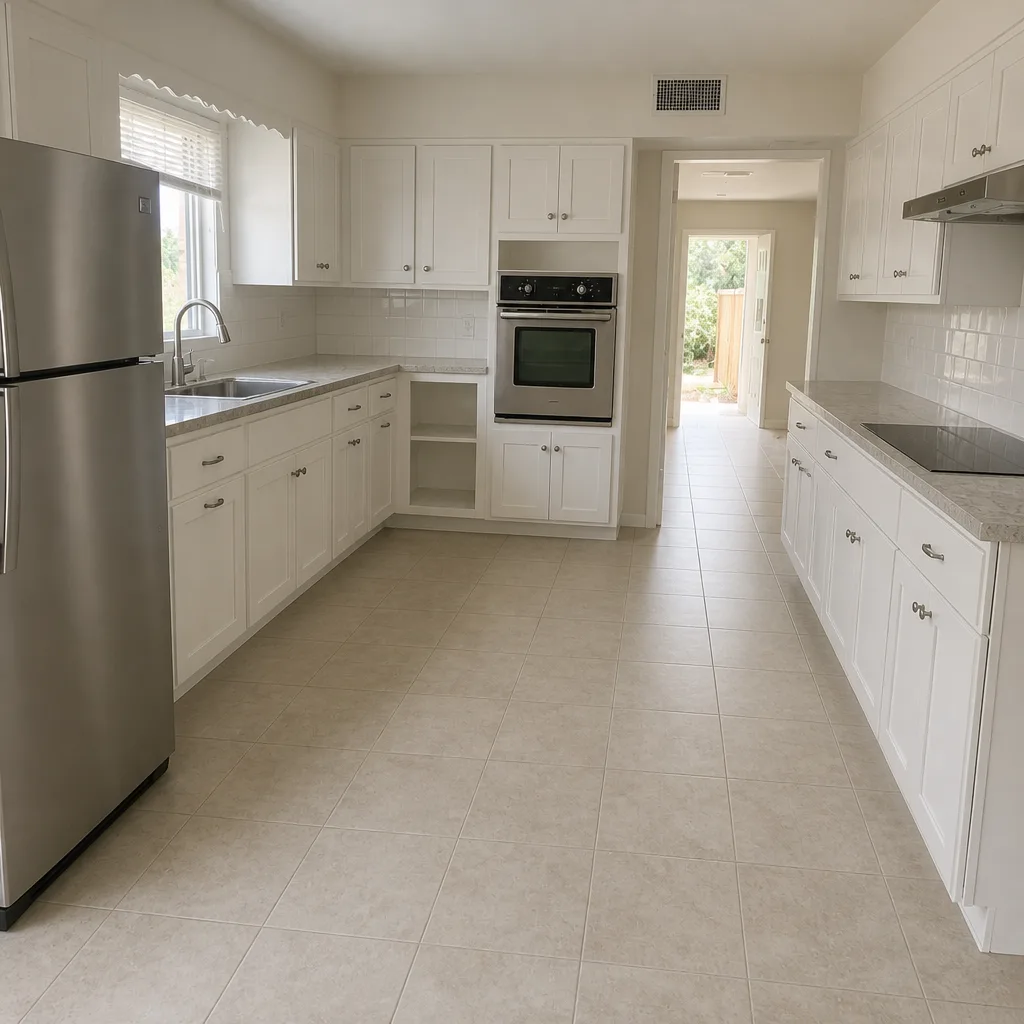
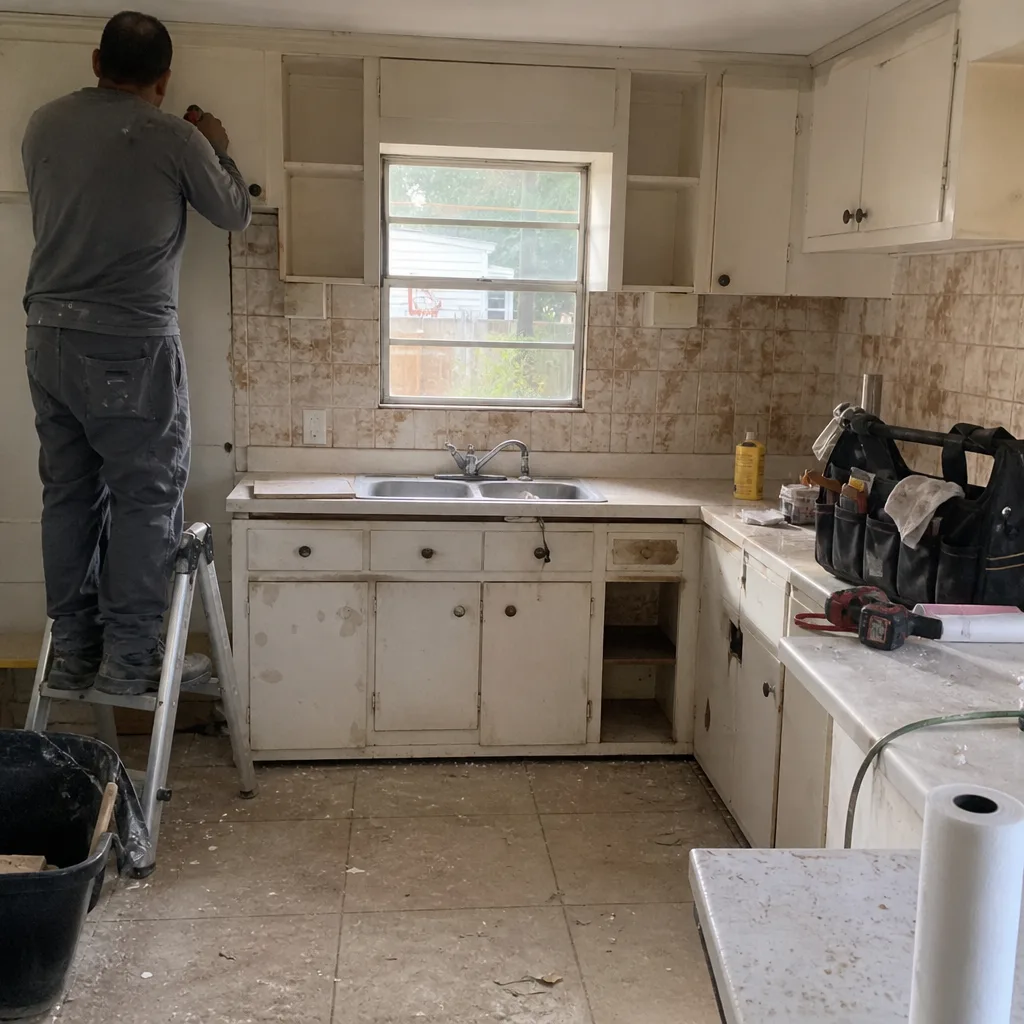
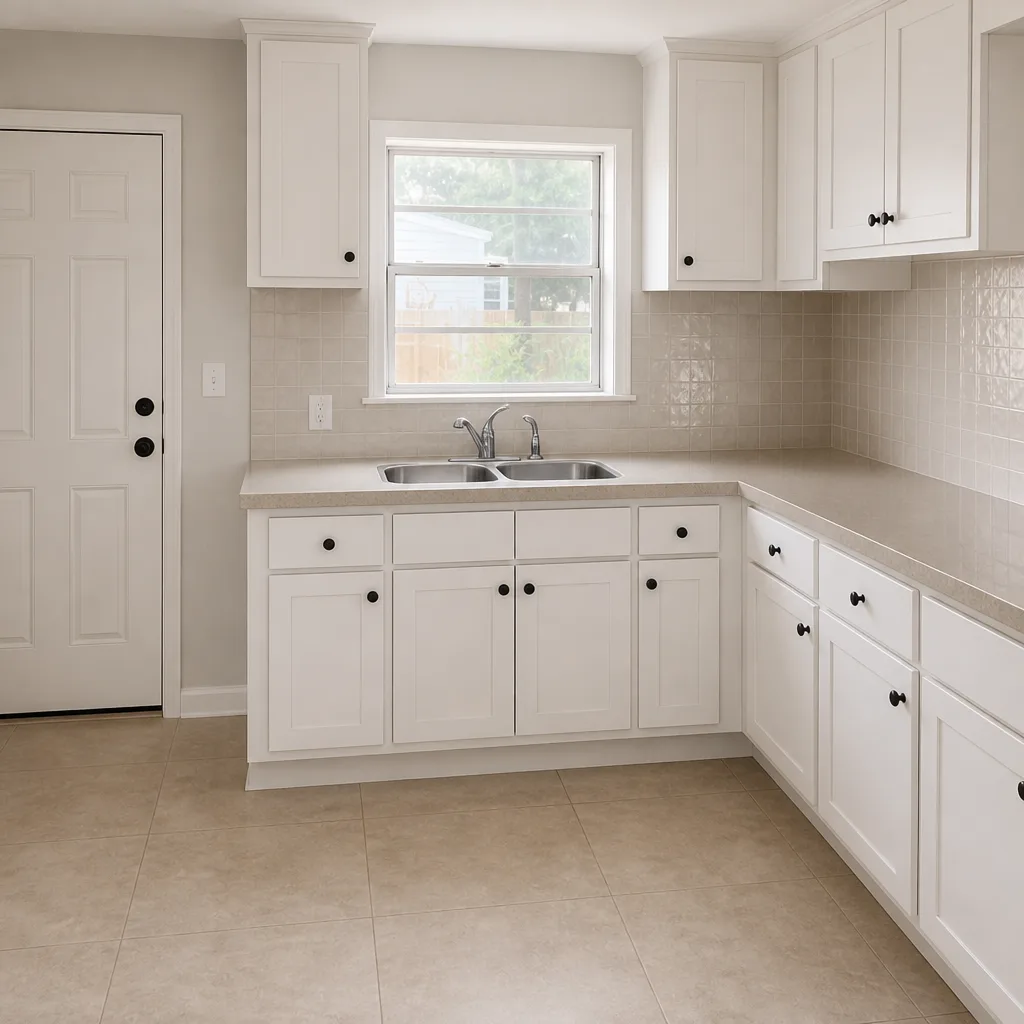
See the difference
 Before
 After
 Before
 After
 Before
 After
When to Call a Professional
Some jobs don’t need a contractor. A faucet swap or a fresh coat of paint doesn’t justify the paperwork. But the moment you’re touching a permit, moving plumbing or electrical, opening a wall, or changing a layout, the stakes shift. Those are the jobs where one missing line in a contract costs five figures. If your project falls into that category, or if you’ve already been burned once and want to see what a real written price and written guarantee look like before you sign anything, Penhallow Remodeling North Miami offers free estimates in North Miami – call (888) 255-7411. We put the price and the guarantee in writing before any work starts, every project, no exceptions. If you haven’t seen our Penhallow Remodeling North Miami home page, it’s a good place to see how the standard applies to every job.
Frequently Asked Questions

Kitchen remodels in North Miami typically run $18,000 – $55,000 depending on layout, cabinet line, and countertop material. A reface or cosmetic refresh lands closer to the low end; a full layout change with new cabinetry (KraftMaid or Wellborn, for example), Cambria quartz, and new appliances pushes toward the upper range. Call (888) 255-7411 for a written, line-item quote – estimates are free.
Not if the contract is written properly. A fair written price includes every line item and a stated allowance schedule for homeowner-selected materials, so the day-one number matches the invoice. The only legitimate changes are concealed conditions the contractor couldn’t have seen (rotted framing behind tile, for example), and those should be priced in writing before work continues. Call (888) 255-7411 to see a sample written price.
Yes. Every permitted scope includes permit filing, fee disclosure, and coordination with Miami-Dade and City of North Miami inspectors, all written into the contract. Unpermitted work is a risk for you, not the contractor, so if a bid doesn’t mention permits, ask why. Call (888) 255-7411 with your project address and we’ll confirm exactly what needs a permit.
A typical bathroom remodel in North Miami runs 3 – 6 weeks; a kitchen runs 6 – 10 weeks; whole-home remodels run 12 – 20 weeks depending on permit turnaround and material lead times. The written schedule includes a start window and a finish date, plus what happens if materials arrive late. Call (888) 255-7411 for a timeline scoped to your specific project.
A certified license is state-issued and valid in all Florida counties. A registered license is only valid in the counties where the contractor has registered. For any general contracting work in North Miami, verify the license reads “Certified” and “Current, Active” on the DBPR database before signing anything. Any question about how the license classification applies to your project, call (888) 255-7411.
Duration (a year is a real baseline), what’s covered (labor and materials), who pays for a return visit if something fails, and what voids it. Our 365-Day Done Right Promise covers all four in writing on every project, and the free return visit is built in. Call (888) 255-7411 if you’d like to see the guarantee language before committing to a bid.
The Bottom Line
Hiring a contractor in North Miami comes down to four written documents: a license verification, a written scope, a written price, and a written guarantee. Everything else – the references, the samples, the return phone call – confirms what those four documents already tell you. Get the paper before the deposit, verify the license on DBPR before the handshake, and hold any contractor to a guarantee long enough to actually cover a full seasonal cycle. If you want to see what that looks like in practice, the team at Penhallow Remodeling North Miami does free estimates with a written price up front.
For a free estimate on your North Miami kitchen, bathroom, or whole-home remodel, call (888) 255-7411. A real person answers, 24/7. Every project comes with a written price before work starts and the 365-Day Done Right Promise in writing – if something fails in the first year, we come back and make it right, at no charge.
Written by the team at Penhallow Remodeling North Miami.