Last updated November 17, 2026







Free written scope consultation - allowances, timeline, and change-order rules on paper before a single trade is scheduled
Kitchen Remodeling Troubleshooting: Common Problems and How to Fix Them
Cabinet doors that won’t align, grout that cracks in six months, and a range hood that moves air nowhere – these aren’t random bad luck. In our experience across North Miami, each one traces back to a single skipped step that a written spec would have caught before anyone picked up a tool. Most kitchen problems we get called about long after the job are communication failures that solidified into tile and drywall. And the fix depends entirely on when you catch them. This guide walks you through the real window you have to act at each stage, from framing day to the second year of living in the finished room.
Styles & brands we work with
- Kitchen remodeling
- Bathroom remodeling
- Home additions & ADU
- Roofing
- Windows & doors
- Driveway & pavers
- Fence
Quick Answer
Most kitchen remodeling problems are fixable if you catch them before drywall goes up – after that, costs climb fast. The single most important thing you can do is put each concern in writing with photos and a reasonable deadline as soon as you notice it, rather than waiting to see if it resolves on its own. In North Miami’s humidity, cabinet swelling and grout cracking are the two most common post-completion issues, and both are almost always preventable at the sealing and substrate stage.
Table of Contents
- Why Most Kitchen Problems Aren’t Construction Failures
- The Three Stages: When Problems Appear and What They Cost
- Problems to Catch Before Drywall (Your Cheapest Window)
- Problems After Drywall (Moderate Cost, Still Manageable)
- The North Miami Cabinet Problem: Swelling and Delamination
- How to Document a Mid-Project Problem in Writing
- “It’s Just Normal Settling”: When That’s True and When It’s a Dodge
- What a 365-Day Guarantee Actually Enables
- Common Mistakes to Avoid
- When to Call a Professional
- Frequently Asked Questions
- The Bottom Line
Why Most Kitchen Problems Aren’t Construction Failures
The cracked grout, the sticking drawer, the hood that hums but doesn’t pull smoke – in most cases the crew didn’t install the wrong thing. The spec was incomplete, or a decision never got made, and the crew filled the gap with a default. Nobody told the tile setter which mortar to use for a porcelain plank over a plywood subfloor, so he used what was on the truck. Nobody confirmed the hood’s duct route before framing, so it ended up venting into a soffit. The work looks fine on day one and fails slowly.
That’s why the best contractors in Kitchen Remodeling in North Miami write the specification down before demolition. A written spec is your reference document when something feels off mid-project. It’s also what makes a callback possible months later – you can point to a line, not a memory.
For North Miami homeowners, this matters more than it does in drier climates. Humidity infiltrates through gaps you can’t see, and it does its damage over months. A cabinet box that was never sealed at the toe kick won’t fail during the installation inspection. It fails a year later, and by then the crew is on a different job. Written documentation is the thread that connects that failure back to the person responsible for it.
The Three Stages: When Problems Appear and What They Cost
Timing is everything in kitchen troubleshooting. The same defect caught at framing cost a fraction of what it costs after cabinets are hung. Here’s roughly how the window narrows and what you can expect to spend fixing issues at each stage in the North Miami market.
| Stage | When It Appears | Typical Fix Cost | What’s Fixable |
|---|---|---|---|
| Pre-drywall | Framing, rough-in, inspection | $0 – $500 (often just a change order) | Electrical placement, plumbing rough-in, duct routing, framing, blocking |
| Post-drywall, pre-install | After drywall hang, before cabinets | $200 – $1,500 | Outlet relocation, substrate repair, patch and repaint, minor rework |
| Post-installation | After cabinets, counters, tile set | $800 – $6,000+ | Cabinet replacement, countertop removal, tile demolition and re-set |
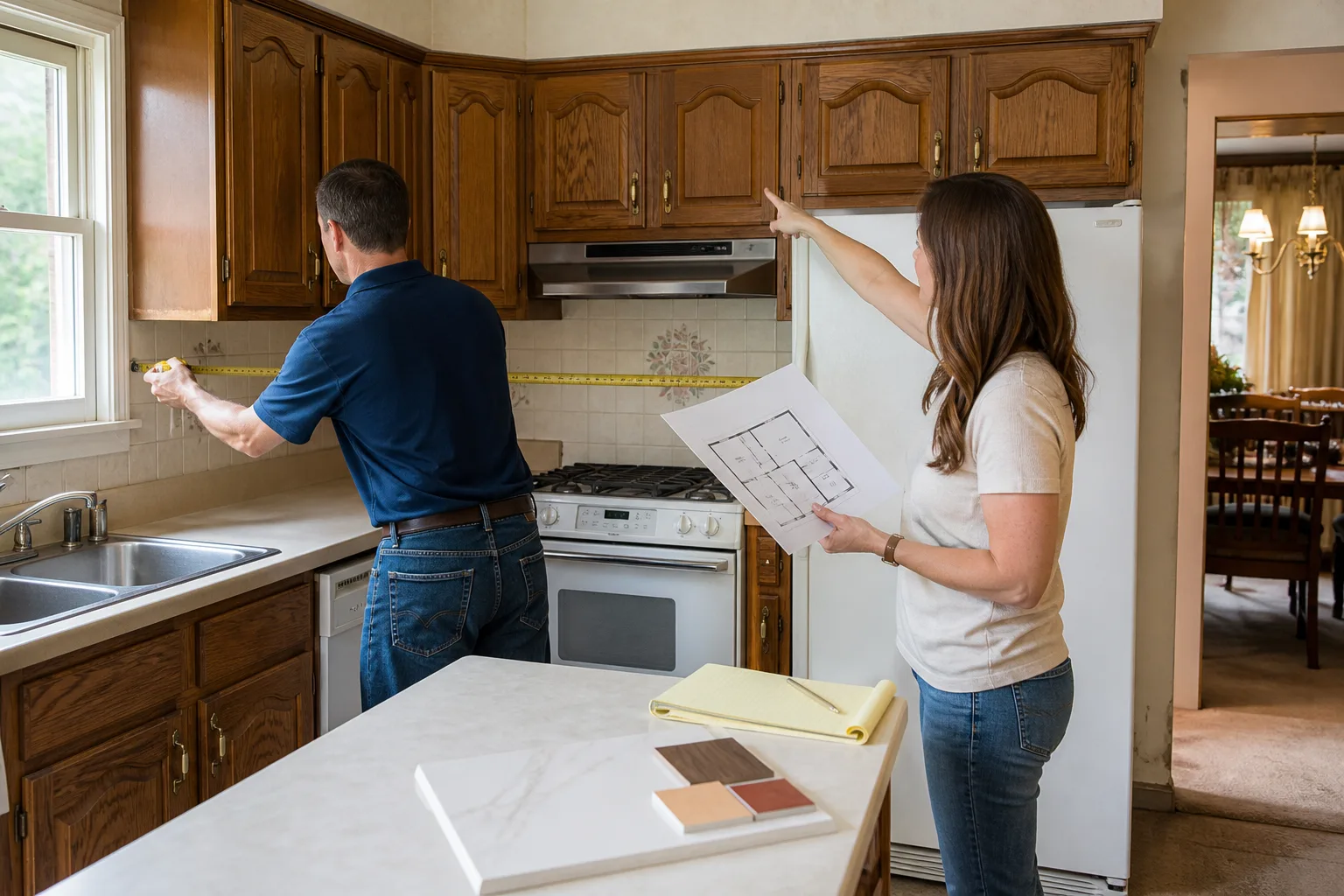
The pattern is stark. A homeowner who notices the outlet is 14 inches from the range during framing pays nothing to move it. The same homeowner who notices it after the backsplash is set pays for drywall repair, tile removal, a new tile run, and the electrician’s return visit. We’ve seen this exact scenario play out in North Miami more times than it should, and it always comes down to whether the homeowner was walked through the layout on the wall before drywall went up.
The practical takeaway: walk the room at the end of framing. Ask where every outlet, switch, and duct will land. Take photos. Then walk it again after drywall. Those two walkthroughs are the cheapest insurance you’ll ever buy on a remodel.
Problems to Catch Before Drywall (Your Cheapest Window)
This is the window where you have the most leverage and the least cost. If you catch it here, the fix is usually a conversation, not a change order. Here’s what to check in order.
- Outlet and switch placement. Stand where you’ll stand at the sink, the range, and the fridge. Are the outlets where your appliances need them? Is the range outlet behind the cabinet or offset to the side where you can actually reach it?
- Duct routing for the hood. Trace the path the hood duct will take to the exterior. If it turns more than two corners or runs more than 25 feet, the hood will underperform no matter how many CFM it’s rated for. Get the route confirmed in writing.
- Plumbing rough-in heights. For a dishwasher, the supply and drain need to sit within the cabinet’s void. For a sink, the drain height determines whether the P-trap will clear the cabinet floor.
- Framing for heavy items. If you’re hanging a pot rack, a wall oven, or a range hood with a chimney shroud, the blocking needs to go in before drywall. Ask to see it.
- Inspection sign-off. In North Miami, electrical and plumbing rough-in inspections happen before drywall closes. Confirm the inspection card is signed before the board goes up – once it’s closed, you can’t get a look inside without opening it back up.
The whole walkthrough takes forty-five minutes. Skipping it because you trust the crew is the single most common mistake we see. Trust is fine; verification is better. When a homeowner asks us for a General Contractor in North Miami, the walkthrough is part of the service, not an afterthought.
Problems After Drywall (Moderate Cost, Still Manageable)
Once the board is up and taped, the room looks finished but the mechanicals are sealed inside. Most problems found at this stage are still fixable without starting over, but the cost goes up. The most common ones are outlet placement that shifted during install, substrate issues that show up as soft spots underfoot, and seams that telegraph through paint after a few weeks.
- Drywall cracks along corners or seams. A hairline crack within the first month is common as the house settles and the joint compound dries. A crack wider than a credit card, or one that reappears after repair, points to a framing issue underneath – that’s not normal settling.
- Soft or spongy spots in the floor. If you can feel a dip under the tile before cabinets go in, the substrate wasn’t screwed down properly. Fix it now. Tile set over a soft substrate will crack at the grout lines within a year.
- Outlet boxes set too deep or too shallow. A box recessed more than a quarter inch behind the drywall face needs a spacer or a re-set. This is cheap to fix at drywall stage and annoying to fix after the backsplash is on.
- Ceiling texture mismatch. If the ceiling was patched after a soffit change, the texture may not match the rest of the room. Look at it under raking light before the final coat of paint.
At this stage, the fix is usually a service visit from the same crew, not a new trade. Get the issue in writing and ask for a resolution timeline. If you’re comparing bids for a bathroom or kitchen at the same time, our guide to Bathroom Remodeling in North Miami covers the same walkthrough process for the smaller room.
The North Miami Cabinet Problem: Swelling and Delamination
This is the one we get called about most in North Miami, and it’s almost always preventable. Cabinet boxes that swell, delaminate, or develop soft corners within two years of installation are the signature failure of poorly sealed toe kicks and kickplates in this climate. North Miami’s humidity – which stays high most of the year and spikes in the summer rainy season – finds every unsealed gap at the base of the cabinet run. The particleboard core of a stock cabinet wicks that moisture up, and the melamine or veneer face lifts.
Here’s what you can check during and after the install:
- Toe kick sealing. The toe kick (the recessed panel at the bottom of the cabinet) and the kickplate below it should be caulked or sealed to the floor and to the cabinet sides. Run your finger along the seam. If you can feel a gap, moisture can get in.
- Cabinet base material. Ask what the cabinet box is made of. Plywood boxes handle humidity better than particleboard. If you’re choosing a stock line like KraftMaid or Wellborn, ask specifically about the base construction and how the exposed edges are sealed.
- Clearance from the floor. Cabinets set directly on a slab without a sealed toe kick channel are the most vulnerable. A small bead of matching sealant along the entire base is a ten-minute fix that prevents a two-year problem.
- Under-sink moisture. The cabinet under the sink is the second most common failure point. Check that the plumbing penetrations are sealed and that the cabinet floor is protected with a waterproof liner or a sealed finish.
If you’re already seeing soft corners or a face that’s lifting at the bottom edge, that’s not “normal settling.” That’s moisture damage, and it will spread. Call it in before the guarantee period runs out. When you choose a contractor through Penhallow Remodeling North Miami home, the sealing spec should be in the written scope from day one.
How to Document a Mid-Project Problem in Writing
This is the part most homeowners handle badly, and it’s the difference between a fix and a fight. A mid-project problem gets resolved quickly when it’s documented well. Here’s the sequence that works.
- Photograph the problem in context. Take one wide shot showing the whole wall or cabinet run, and one close-up of the defect. Include something for scale – a tape measure or a coin. Date the photos in your phone’s metadata; most phones do this automatically.
- Write a plain-language description. One sentence on what you see, one on when you first noticed it, one on why you think it’s not normal. Example: “The grout along the south wall cracked two weeks after install and a piece came loose. The same grout line is solid elsewhere in the kitchen. I don’t think this is settling because it’s isolated.”
- Send it by email or text, not phone. You want a written record. Ask for a response within a reasonable window – three business days is fair for a non-emergency.
- Ask for a written resolution plan. “Who will look at this, when, and what do you propose to do?” is the right question. It’s specific and it puts the ball in their court.
A reasonable contractor responds within a few business days and schedules a look within a week or two. Stalling looks like repeated “we’ll get to it” replies, no date, or a request that you “wait and see.” If you’re getting the second response, put a deadline in writing and escalate to the owner.
If you’re in a North Miami project and want a second opinion on whether a problem is serious, our general contractor team in North Miami will walk a room with you and tell you honestly whether it’s a warranty issue or a non-issue. That’s a free second visit, and there’s no service call for it.
“It’s Just Normal Settling”: When That’s True and When It’s a Dodge
Every homeowner hears this phrase at least once. Sometimes it’s true. Sometimes it’s the fastest way to make a callback problem disappear without actually fixing it. Here’s how to tell the difference.
What is genuinely normal settling:
- A hairline crack at a drywall corner or seam within the first three months, especially after the first seasonal shift.
- A door that sticks slightly in the first summer after install and frees up in the fall.
- Tiny (< 1/16 inch) grout cracks at inside corners where two tile planes meet. These are movement joints and should have been caulked, not grouted, but a small crack is not structural.
- A slight gap at baseboard-to-floor as the house settles.
What is not normal settling:
- A tile that’s loose enough to move when you press it, or a grout crack wider than a credit card.
- Cracked grout that reappears in the same spot after being repaired twice.
- Cabinet doors that won’t align after the first month and stay out of alignment after adjustment.
- Soft spots in the floor, cabinet base, or subfloor.
- Water staining, bubbling paint, or any visible moisture.
When a contractor says “it’s just settling” to one of the items in the second list, that’s a dodge. Ask the follow-up question: “What’s the plan if it doesn’t fix itself by the end of the guarantee period?” A contractor who stands behind the work will have an answer. One who’s hoping you’ll forget won’t.
A written guarantee makes this conversation a lot shorter. You don’t need to argue about whether it’s settling when the fix is covered either way. Call (888) 255-7411 and ask for a written scope that spells out what happens if a problem recurs.
What a 365-Day Guarantee Actually Enables
A 365-Day Done Right Promise sounds like marketing until you understand what it actually enables. Here’s the practical version of what should be covered, and how to invoke it without turning a small problem into a dispute.
What a real 365-day guarantee should cover:
- Cabinet doors and drawers that won’t align or stay aligned after install.
- Grout cracking beyond the normal settling threshold described above.
- Cabinet base swelling or delamination from unsealed kickplates or under-sink penetrations.
- Hood duct or electrical issues that surfaced during the first year.
- Substrate failure – soft spots, tile cracks from inadequate underlayment.
- Any plumbing or electrical install issue that shows up under normal use.
How to invoke it without escalating:
- Send the documentation package from the previous section – photos, plain description, date.
- State the guarantee in plain terms: “This falls under the 365-Day Done Right Promise; please schedule a return visit within the next two weeks.”
- Ask for the repair date in writing.
- Attend the return visit and photograph the repair before and after.
What a written guarantee changes is that the callback request is not a favor. It’s a claim on a document you already have. A contractor who answers the phone and schedules without argument is the one whose guarantee is worth believing. A contractor who doesn’t answer, or who starts the conversation with “that’s not covered,” is the one whose guarantee was never real.
If you’re comparing contractors in North Miami, ask for the guarantee in writing before you sign. Our kitchen remodeling team puts the 365-Day Done Right Promise in writing on every project, alongside the written price.
Common Mistakes to Avoid
- Waiting to see if a problem fixes itself. A grout crack that’s still there in two weeks is a real problem, not settling. The longer you wait, the less leverage you have on the resolution. Call it in the week you notice it.
- Accepting a verbal “we’ll take care of it” without a date. A verbal promise with no date is a hope. Ask for the resolution date in writing, and hold the contractor to it.
- Skipping the framing walkthrough. Forty-five minutes at the framing stage catches ninety percent of the problems that cost thousands later. In North Miami, where the plumbing and electrical rough-ins have to pass inspection before drywall, the walkthrough is the one clear window you get.
- Not sealing the toe kick and under-sink penetrations. This is the number one cause of cabinet swelling in North Miami. Ask the installer to confirm the sealant spec in writing before cabinets go in.
- Choosing a cabinet line on price alone. A cheaper cabinet with a less-sealed base can fail in two years. KraftMaid and Wellborn both offer a range of base constructions – ask specifically what the box is made of and how the exposed edges are sealed.
- Not asking what the guarantee covers before you sign. “Written guarantee” sounds great until you find out it excludes cabinet doors and grout. Get the coverage list in writing and read the exclusions.
- Escalating to a dispute too early. Most mid-project problems are solved with a well-documented email and a reasonable deadline. Save the escalation for a contractor who ignores both.
When to Call a Professional
Some problems are genuinely worth a phone call. If you’re seeing water staining or any sign of moisture inside a cabinet, a crack in the tile or grout wider than a credit card, a cabinet box that’s soft or delaminating at the base, or a hood that’s vented into the room rather than outside, call in a professional. These are not settling, and they will not fix themselves. Similarly, if your contractor stopped responding to emails or missed a resolution date you set in writing, it’s time for a second opinion.
Penhallow Remodeling North Miami offers free estimates in North Miami – call (888) 255-7411. A live person answers the phone 24/7, and every project comes with a written price before any work starts, background-checked and uniformed technicians on the job, and the 365-Day Done Right Promise in writing.
Frequently Asked Questions
A single cracked tile in a kitchen floor typically runs $150 – $400 to replace, including matching grout and re-sealing, though matching a discontinued tile is a separate problem. The bigger cost driver is whether the crack was caused by a substrate failure – if it was, the fix is to the underlayment, not the tile, and that runs $800 – $3,000. Call (888) 255-7411 for an exact quote; estimates are free.
It shouldn’t. A written price before any work starts is the standard we hold ourselves to, and the number on day one should be the number on the invoice. What can change the price is a scope change you request mid-project, or a hidden condition (rot behind a wall, an undersized circuit) that no honest contractor could have priced without opening the wall. Ask for a written change order before any additional work is approved; a written change order is the difference between a fair adjustment and a balloon.
North Miami’s humidity infiltrates through unsealed toe kicks, kickplates, and under-sink plumbing penetrations, and particleboard cabinet boxes wick that moisture into the core. Within two years, the melamine or veneer face lifts and the corners go soft. The fix is to seal those gaps at install – ask for the sealing spec in writing before the cabinets go in. If you’re already seeing swelling, it’s moisture damage and it will spread; call (888) 255-7411.
Yes. Electrical and plumbing rough-in work in North Miami requires a permit and inspection before drywall closes, and a legitimate contractor pulls those permits and schedules the inspection. Ask to see the inspection card before drywall goes up – that’s your protection against a crew that skipped the permit and closed the wall on an unpermitted rough-in. Call (888) 255-7411 if you want a written scope that includes the permit process.
A mid-range kitchen remodel in North Miami typically takes six to ten weeks from demolition to final walkthrough, with the biggest variable being cabinet delivery and permitting. A cabinet line like KraftMaid or Wellborn can ship in four to six weeks, and the rough-in inspection adds a week. Ask for the schedule in writing, broken down by phase, so you can see where the time goes. Call (888) 255-7411 for a project-specific schedule and a free estimate.
A hairline crack at a drywall corner or seam within the first three months is normal settling. A crack wider than a credit card, a tile that moves when you press it, a grout line that reappears after being repaired twice, or a soft spot in the floor or cabinet base is not – those are structural or moisture issues. When a contractor says “it’s just settling” to one of those, ask for the plan if it doesn’t fix itself. Call (888) 255-7411 for a written guarantee that covers it either way.
The Bottom Line
Most kitchen remodeling problems in North Miami aren’t construction failures – they’re communication failures that got built into the room. The fix depends on when you catch them: pre-drywall problems are cheap to solve, post-drywall problems cost a little more, and post-installation problems cost the most. Walk the room at framing and after drywall. Document anything that looks wrong with photos and a plain-language email, and ask for a resolution date in writing. Then let a written guarantee do the rest of the work – a 365-Day Done Right Promise turns a callback into a claim on a document, not a favor. Call (888) 255-7411 for a free estimate on your North Miami kitchen; a real person answers, and the price you get in writing is the price you can hold us to.
Written by the team at Penhallow Remodeling North Miami.
See the difference
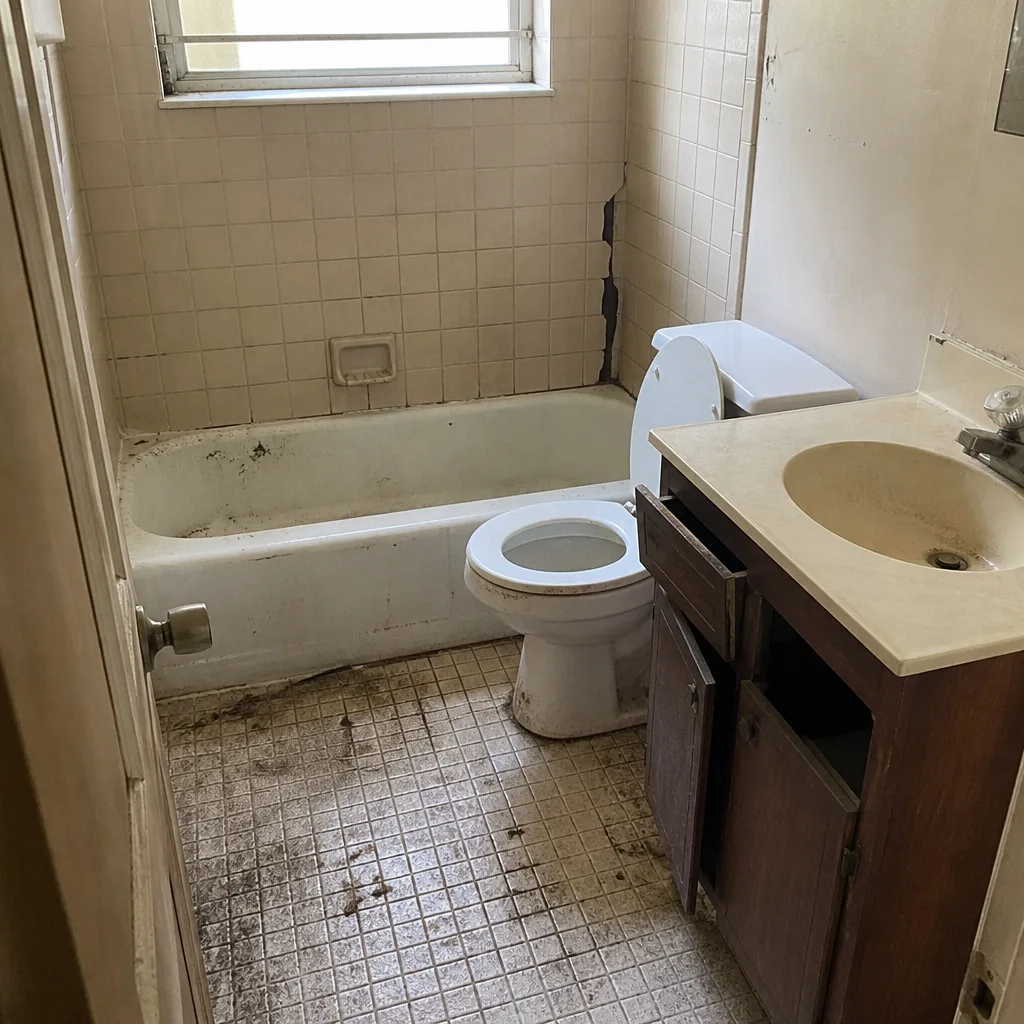 Before
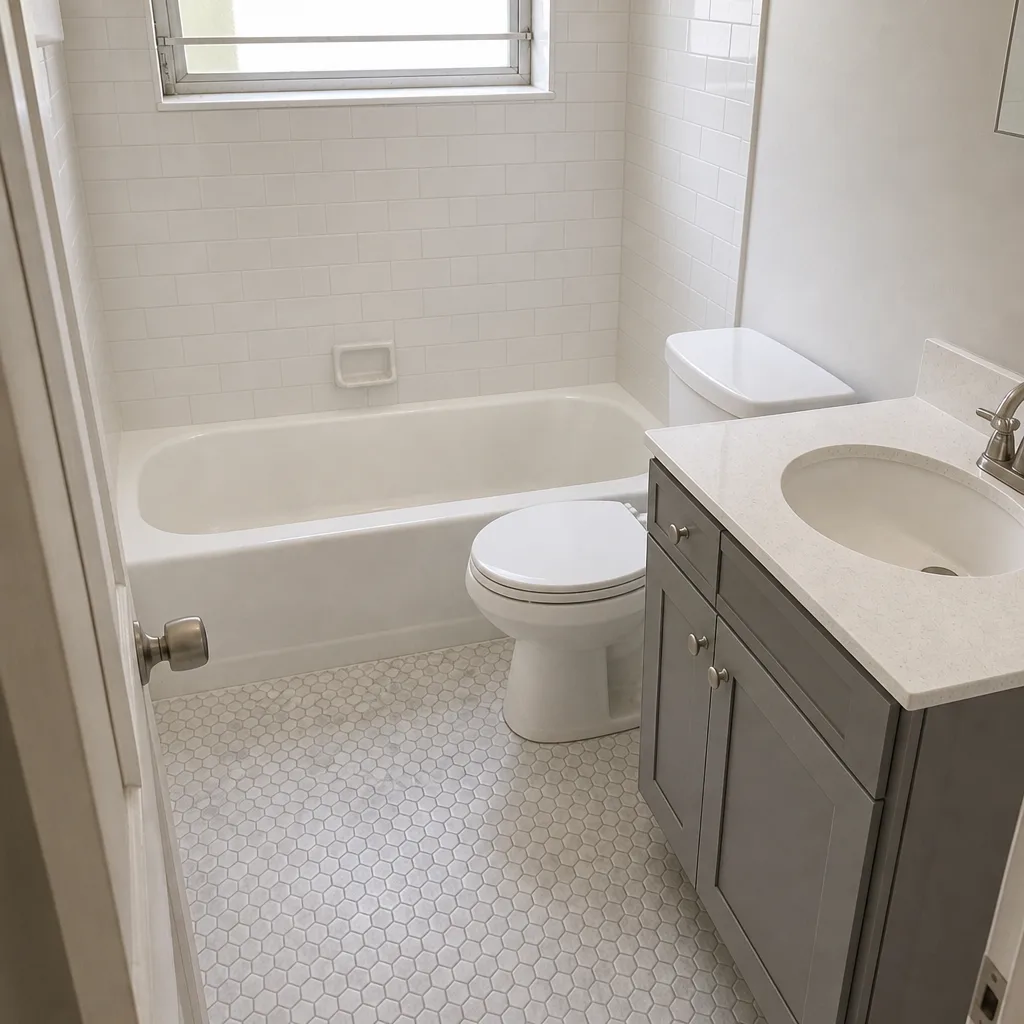 After
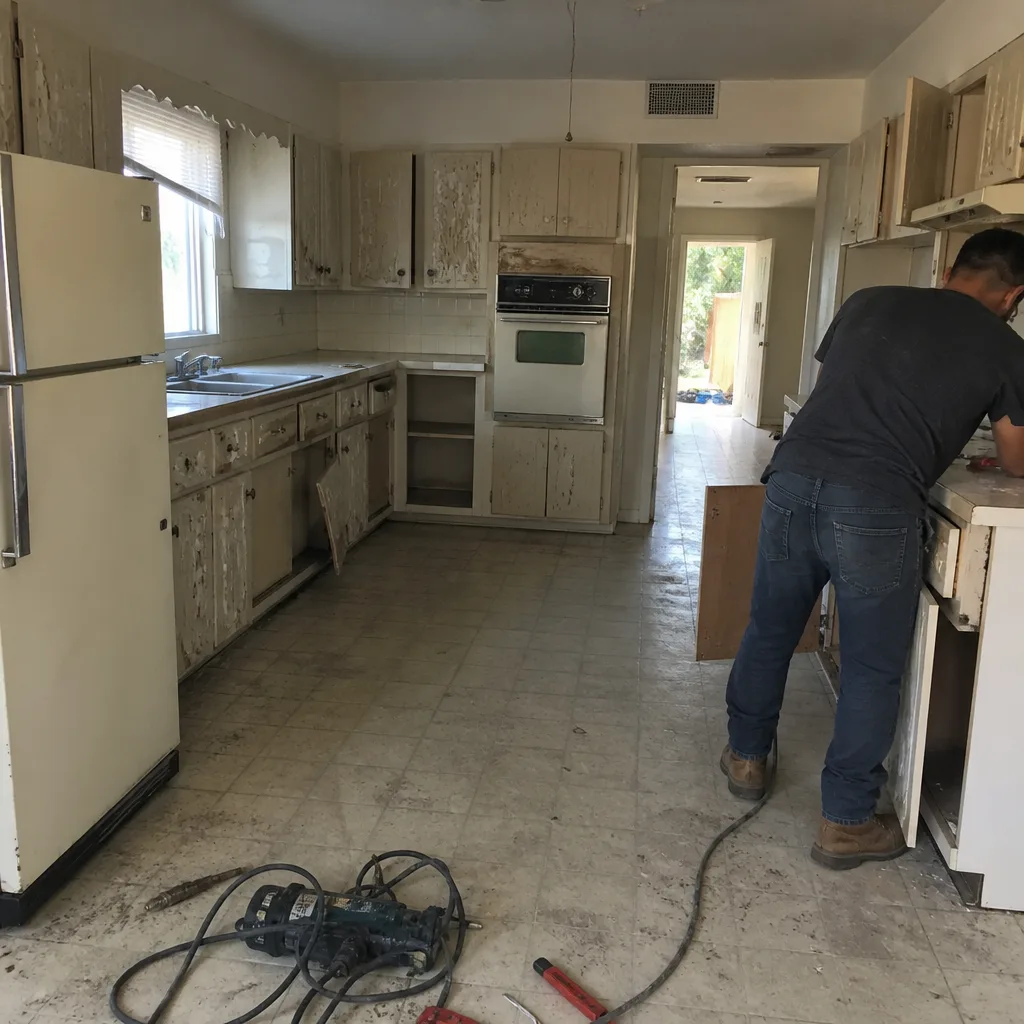 Before
 After
 Before
 After