
Last updated November 17, 2026








Free written scope consultation - allowances, timeline, and change-order rules on paper before a single trade is scheduled
Kitchen Remodeling Warning Signs Every Homeowner Should Know
A contractor who quotes a full kitchen remodel from a ten-minute walkthrough, without measuring a single cabinet run, isn’t giving you an estimate. They’re giving you a number built to win the job, not to finish it. In our experience working kitchens across North Miami, the red flags that cost homeowners the most money rarely announce themselves. They hide in the gaps: a verbal ballpark instead of a line-item written price, a contract that names no cabinet brand, a promise that a full gut “doesn’t need a permit.” This guide walks through the warning signs you can read before you’re committed, and what each one is really telling you.
Quick Answer
The most expensive kitchen remodeling warning signs are procedural, not cosmetic. Watch for contractors who skip a line-item written estimate, can’t produce a cabinet specification sheet, haven’t confirmed appliance rough-in dimensions before demo, wave off permits in a Miami-Dade kitchen gut, or leave material grades vague enough to swap after signing. Any one of these is a reason to slow down; two or more is a reason to walk.
Styles & brands we work with
- Kitchen remodeling
- Bathroom remodeling
- Home additions & ADU
- Roofing
- Windows & doors
- Driveway & pavers
- Fence
Table of Contents
- The Ten-Minute Walkthrough That Never Touches a Tape Measure
- No Line-Item Written Estimate: The Ballpark Problem
- The Missing Cabinet Specification Sheet
- Appliance Rough-In Dimensions Nobody Confirmed
- Does a Kitchen Gut Need a Permit in Miami-Dade?
- The Material Substitution Pattern
- What a Real 365-Day Written Guarantee Covers in a Kitchen
- What a Legitimate Kitchen Contract Includes in Florida
The Ten-Minute Walkthrough That Never Touches a Tape Measure
A real kitchen estimate starts with measurements. Cabinet runs, wall-to-wall clearances, window and door openings, the depth of the countertop footprint against each appliance. If a contractor quotes you a full remodel after a quick lap around the room with a clipboard and a friendly smile, ask them one question: what’s the exact cabinet run along the sink wall? If they can’t answer with a number, you’re looking at a guess dressed as a quote.
In North Miami, this shows up in a particular way. Plenty of the housing stock runs to 1950s and 1960s ranches and small mid-century blocks, where wall thicknesses vary, soffits are common, and a “standard” 24-inch base cabinet depth doesn’t always land where you expect. A contractor who hasn’t measured won’t catch the soffit. They’ll discover it on demo day and hand you a change order.
Here’s what a genuine pre-contract walkthrough looks like:
- The contractor measures every cabinet run and writes the numbers down where you can see them.
- They check appliance widths and clearances (a 36-inch range doesn’t fit a 30-inch opening).
- They look at the existing electrical, water shutoffs, and gas line locations.
- They identify soffits, load-bearing walls, and anything behind the drywall that changes the scope.
- They tell you what they still don’t know until demo, and how that gets priced.
Any contractor who can’t walk you through those five steps calmly, before signing anything, is a warning sign. For a fuller picture of how a proper kitchen project is scoped from day one, our Kitchen Remodeling in North Miami page lays out the sequence.
No Line-Item Written Estimate: The Ballpark Problem
A verbal estimate isn’t a price. It’s an opening offer. The number that matters is the one written down, broken into line items, that you can hold a contractor to when the work is done. If a kitchen remodel quote comes as a single lump sum, or as “somewhere between $18,000 and $55,000,” you have no way to know what’s inside it.
Ask where every dollar goes. A legitimate line-item written estimate for a full kitchen remodel typically looks something like this:
- Demolition and haul-away: cabinet removal, tile removal, debris disposal, dumpster cost.
- Cabinetry: brand and product line named, box construction specified, door style, finish.
- Countertops: material (Cambria quartz, Silestone, Caesarstone, granite) and thickness stated.
- Backsplash tile: material grade and square footage.
- Plumbing rough-in and finish work: sink, faucet, disposal.
- Electrical: outlets, under-cabinet lighting, dedicated appliance circuits.
- Drywall, paint, trim, and finish carpentry.
- Permit fees.
- Labor, itemized or as a stated percentage.
We’ve seen kitchens in North Miami come in over budget not because the work was bad, but because the original quote named no brands, no materials, and no thickness. Without line items, every upgrade is a negotiation you lose. A written price before work starts is the only protection you have, and it’s worth treating as non-negotiable.
The Missing Cabinet Specification Sheet
“We’ll put in nice cabinets” is not a specification. Cabinets are usually the largest single line item in a kitchen remodel, and the difference between a plywood box and a particleboard box, or a full-overlay soft-close door and a standard hinge, is thousands of dollars per kitchen. If the contractor hasn’t written down the brand and product line, you don’t know what you’re buying.
Ask for a cabinet spec sheet before you sign. It should name:
- The manufacturer and, crucially, the product line within that manufacturer (a builder-grade line and a premium line from the same brand can differ by 30% or more in cost).
- Box construction (plywood versus particleboard), drawer box material, and drawer-glide rating.
- Door style, finish, and whether it’s painted or stained.
- Hinge type and soft-close specification.
- Whether toe kicks, fillers, and crown molding are included or extra.
When we install KraftMaid or Wellborn cabinetry, the spec sheet comes from the manufacturer’s own catalog, not from a salesperson’s description. That matters because when a contractor writes “premium cabinetry” and delivers a builder-grade line, the homeowner has nothing to compare against. The spec sheet is the comparison.
Appliance Rough-In Dimensions Nobody Confirmed
Appliances and cabinets have to agree on dimensions before demo, not after. A slide-in range needs the right opening. A refrigerator needs depth and door-swing clearance. A dishwasher needs a plumbing stub to land inside the cabinet bay. When a contractor doesn’t confirm these numbers before demo, three things happen: the appliance doesn’t fit, the cabinet has to be modified on the spot, and you’re charged for the rework.
Ask the contractor to confirm, in writing, the dimensions they’re designing around. A proper rough-in sheet includes:
- Range or cooktop width and depth, including clearance to the wall and vent hood.
- Refrigerator width, height, depth, and required door-swing space (the fridge doors have to clear the countertop).
- Dishwasher opening height and depth, and where the water shutoff valve sits.
- Microwave or hood dimensions and mounting height.
- Sink base cabinet dimension matched to the sink itself (an undermount sink needs a larger base than a drop-in).
In North Miami, a common failure is a homeowner picking a larger refrigerator than the original design accommodates, and the contractor not catching it until the cabinets are hung. The fix is a rushed order for shorter upper cabinets and a longer lead time. Confirm rough-ins before demo, every time.
Does a Kitchen Gut Need a Permit in Miami-Dade?
If a contractor tells you a full kitchen gut in Miami-Dade “doesn’t need a permit,” they’re either uninformed or hoping you won’t check. Either way, that’s a warning sign worth pausing on. Permits are required for kitchens, and the requirement kicks in earlier than most homeowners realize.
Permits are generally required when the work involves:
- Electrical changes – new circuits, relocated outlets, under-cabinet lighting, or a new dedicated appliance circuit.
- Plumbing changes – moving a sink, relocating a dishwasher, changing a supply line or drain.
- Gas line changes – any new gas appliance connection or line relocation.
- Wall removal – even a partial non-load-bearing wall removal requires a permit and often an engineer’s note.
- Window or door changes in the kitchen envelope.
Cosmetic-only work – replacing cabinet doors, painting, swapping out a like-for-like countertop – may not need one. But the moment electrical, plumbing, or structural work is in scope, a permit is required.
Verify it yourself. Miami-Dade County’s online permit portal lets you search by address. Ask the contractor for the permit number, then look it up. If the permit doesn’t exist, or the scope on the permit doesn’t match the work, the work isn’t being done legally. In a resale, an unpermitted kitchen can cost you the sale or several thousand dollars to retroactively permit. Our General Contractor in North Miami page explains how we handle permitting start to finish.
The Material Substitution Pattern
This is the quietest red flag, and the most expensive. After the contract is signed and before the homeowner notices, a contractor swaps a specified material for a cheaper version. It’s easy to miss because the short-term visual looks similar.
The three common substitutions in a North Miami kitchen:
- Cabinet box construction. A plywood box is specified, particleboard is delivered. At a distance the doors look the same. Within a couple of Florida wet seasons, the particleboard swells along the sink run and drawer glides fail.
- Countertop thickness. A 3cm quartz slab is specified, a 2cm slab with a built-up edge is installed. From the top it looks fine. Underneath, the edge profile tells the story.
- Tile grade. A porcelain tile in a specific grade is specified, a cheaper or thinner-bodied import is installed. In an area with high humidity, lower-grade tile is more prone to crack and grout failure.
The defense is simple: the contract must name the brand, product line, and specified material for every major item, and any substitution must require your written approval before it’s installed. When we install Cambria quartz, the slab thickness and lot number are documented; if the lot differs, you’ll know before it’s cut. This is a procedural safeguard, not a marketing promise.
What a Real 365-Day Written Guarantee Covers in a Kitchen
A guarantee isn’t a guarantee unless you can read what it covers. Most kitchen contractors offer a verbal “we stand behind our work” line and nothing more. When something fails a year later, the homeowner is left with a phone number that may or may not pick up.
On a kitchen remodel, a written 365-day guarantee should be explicit about:
- The installation of appliances. If we hook up the dishwasher and it leaks at the valve six months later, the installation is covered. The appliance’s own warranty is separate – the manufacturer covers the appliance, we cover the install.
- Countertop seams. Quartz and stone countertops can show seams. A guarantee should name what seam appearance counts as a defect and what’s covered if a seam fails within the period.
- Cabinet alignment and hardware. Doors that no longer sit flush, hinges that fail, drawer glides that stick, drawers that crack – all within the covered period, all fixed at no charge.
- Tile and grout. Failure within the first year – cracks, grout shrinkage beyond normal, tile debonding – should be in scope.
- Plumbing and electrical work performed as part of the remodel. If a supply line we ran leaks within the period, we fix it.
- What’s explicitly excluded. The appliance itself, damage caused by misuse or third-party modification, and normal wear-and-tear on finishes.
The 365-Day Done Right Promise works this way: if any part of the work fails inside the year, we come back and fix it at no charge, backed in writing on every project. What that doesn’t cover is the appliance manufacturer’s own warranty, which often runs longer and is filed separately. The homeowner holds two layers of protection. See Penhallow Remodeling North Miami home for how this applies across every project we do.
What a Legitimate Kitchen Contract Includes in Florida
Not legal boilerplate. The practical line items that prevent a mid-job “upgrade” pitch. The contract is your voice when things go sideways, and Florida law is quieter about kitchen specifics than most homeowners assume. Here’s what should be in the signed document before demo day:
- Scope of work drawing. A measured plan showing cabinet locations, appliance openings, and the countertop footprint. Not a napkin sketch.
- Cabinet specification. Brand, product line, box material, door style, finish, and drawer/hinge hardware spec.
- Countertop specification. Material (Cambria, Silestone, Caesarstone, granite, or other), thickness, edge profile, and one or more acceptable color/lot ranges.
- Tile specification. Material, grade, and grout line width.
- Fixtures and hardware. Brand and model (Kohler, Moen, Delta, Blanco, Grohe, and similar), or an allowance stated with a dollar cap and a defined overage procedure.
- Electrical and plumbing scope. Circuits to be added, fixtures to be moved, and permit responsibility.
- Payment schedule tied to milestones. Never front-loaded. Never a large cash deposit before work begins.
- Change order procedure. Written approval required before any change is performed, with cost stated in advance.
- Warranty language. The 365-day coverage spelled out – what’s covered, what’s excluded, how to file a claim.
If any of those nine items is missing, ask. The answer you get tells you how the project will go. We’ve watched North Miami homeowners lose money on kitchens where the appliances were listed in a sentence but no model numbers appeared. The contract is only as strong as its specificity.
Common Mistakes to Avoid
- Choosing on price alone. The lowest bid on a North Miami kitchen almost always means a missing scope item – often the cabinet line, sometimes the permit, occasionally the electrical. Compare line items, not totals.
- Not verifying the permit. A contractor who “handles the permit” but produces no permit number on request is a real risk. Look it up on the Miami-Dade portal before demo.
- Paying a large deposit up front. A legitimate contractor can start with a modest deposit and bill milestones. Large cash-up-front is the pattern behind most abandoned kitchens.
- Accepting verbal material specs. “Premium cabinetry” and “quartz countertop” without a brand, product line, and thickness are open doors to substitution.
- Not confirming appliance dimensions before demo. Kitchens fail on dimensions, not aesthetics. The fridge that doesn’t fit is a $2,000 mistake in a $30,000 kitchen.
- Skipping the mold check in older North Miami homes. A previous leak behind the wall, or a slow drip under the sink, is common in homes built before 1970. If the moisture hasn’t been checked before you install new cabinets, the new cabinets will fail.
- Not getting the guarantee in writing. A verbal “we stand behind it” is worth less than the paper it isn’t written on. Insist on written warranty language in the contract.
See the difference
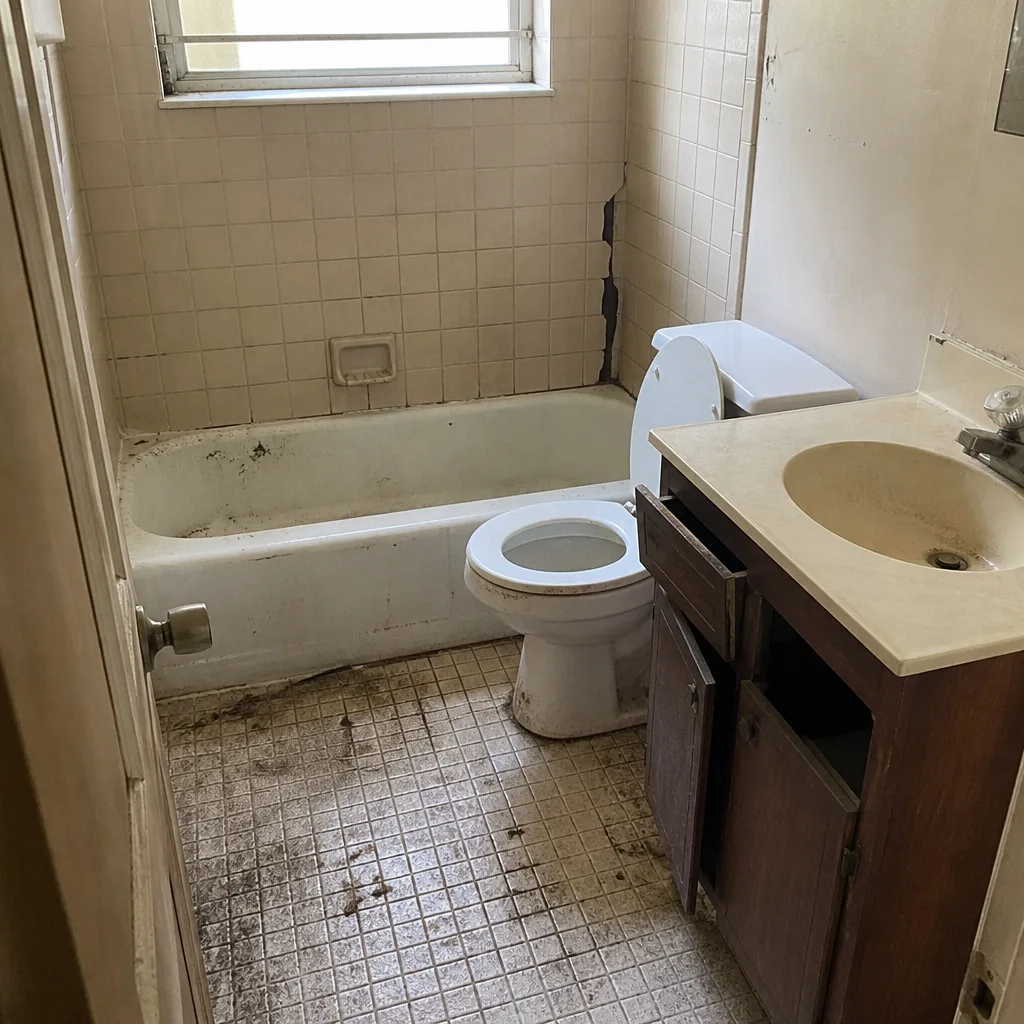 Before
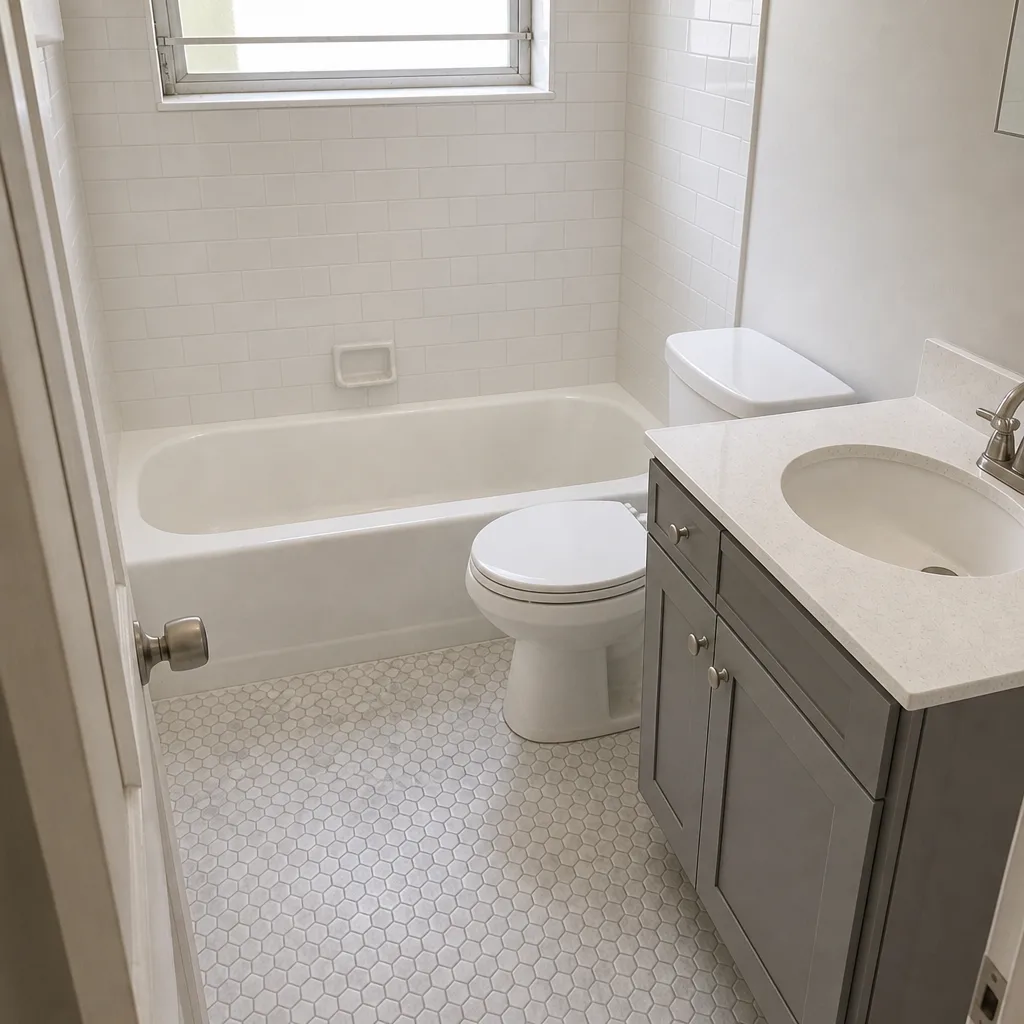 After
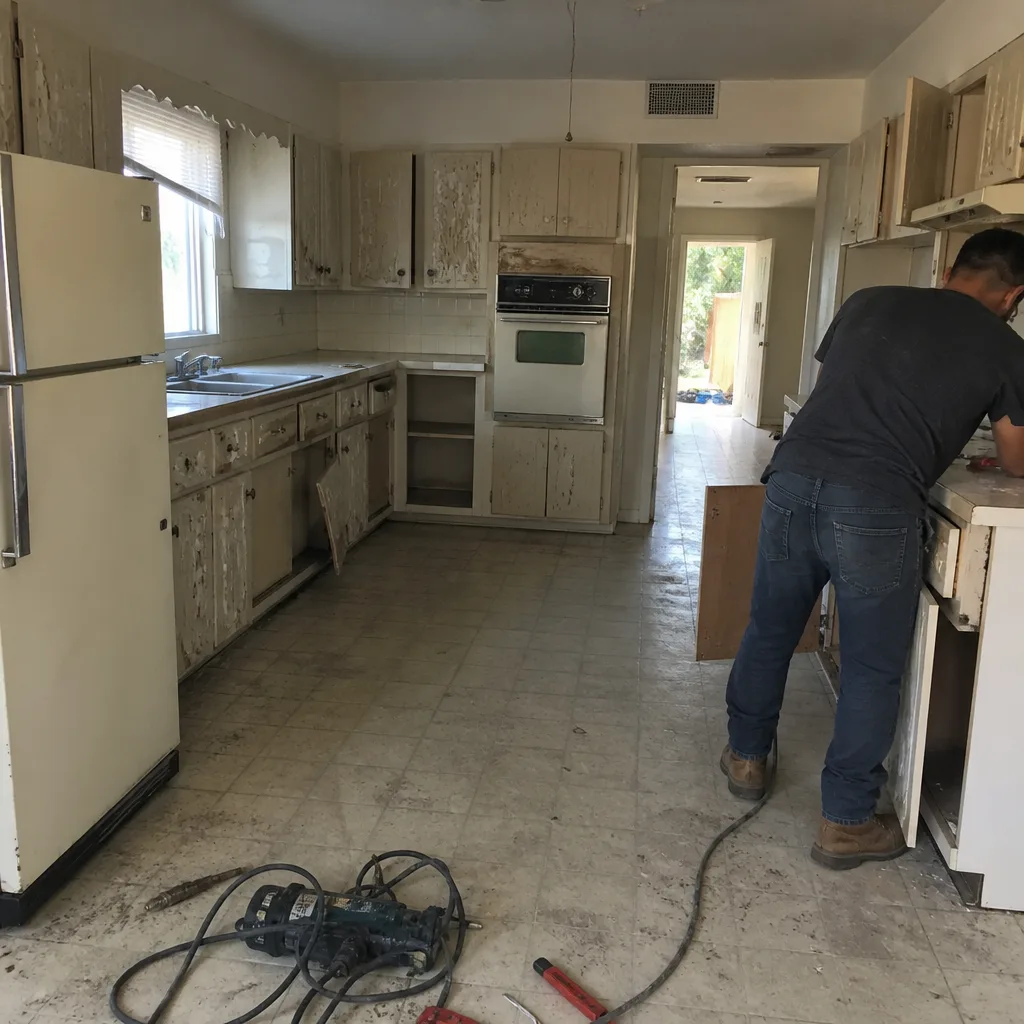 Before
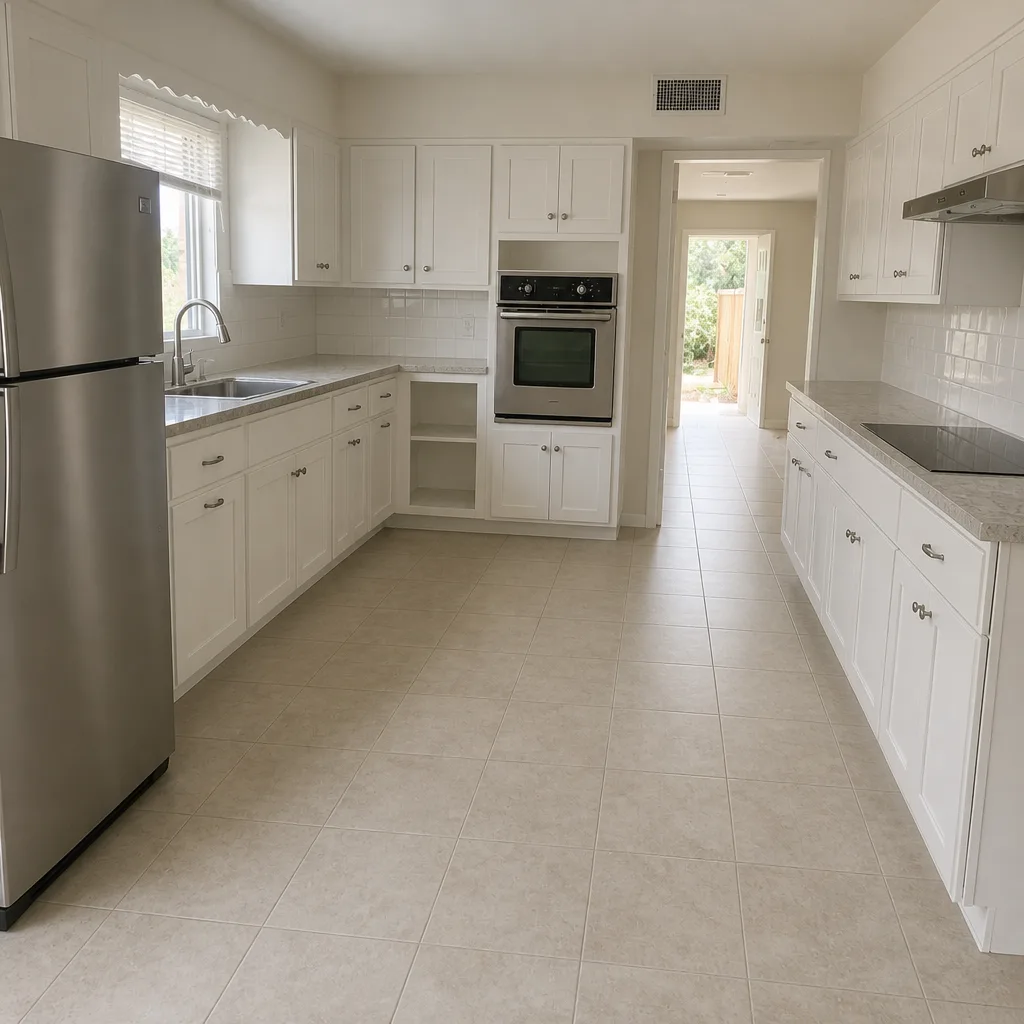 After
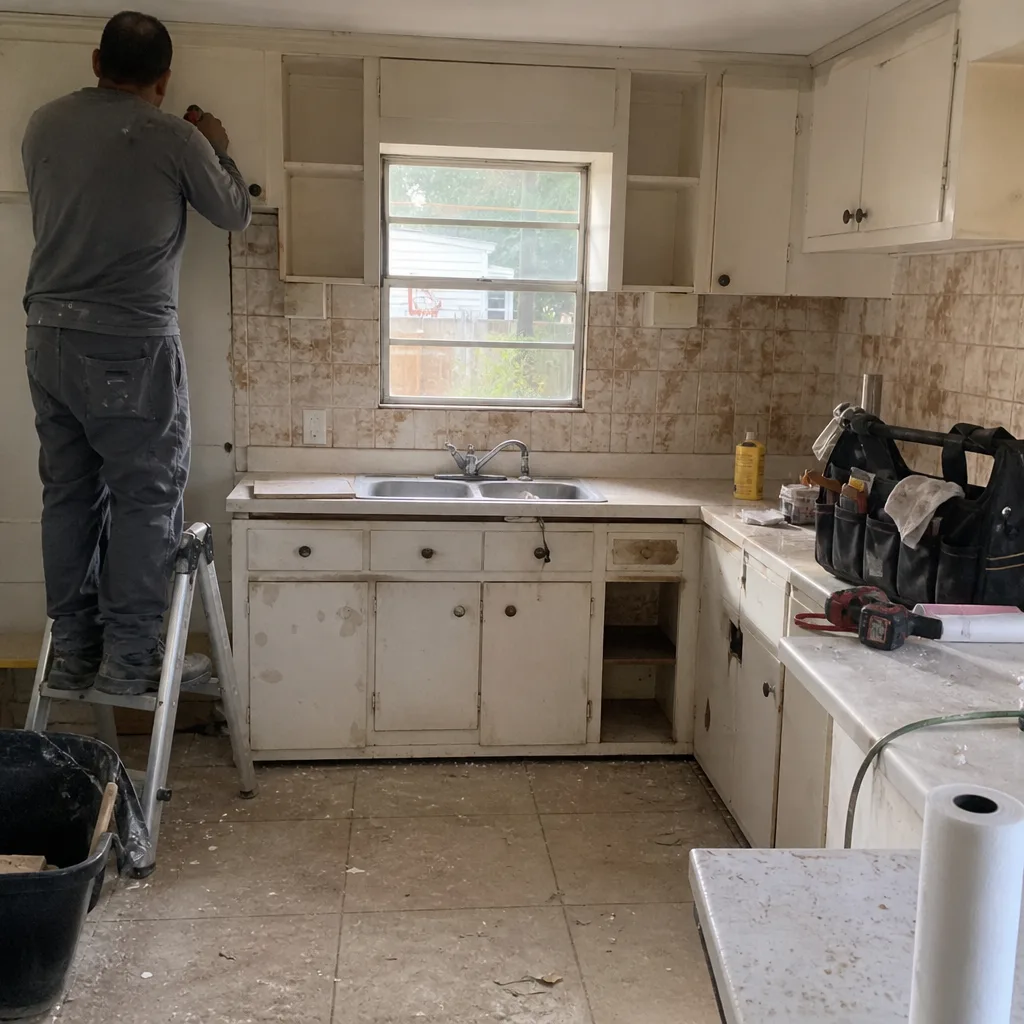 Before
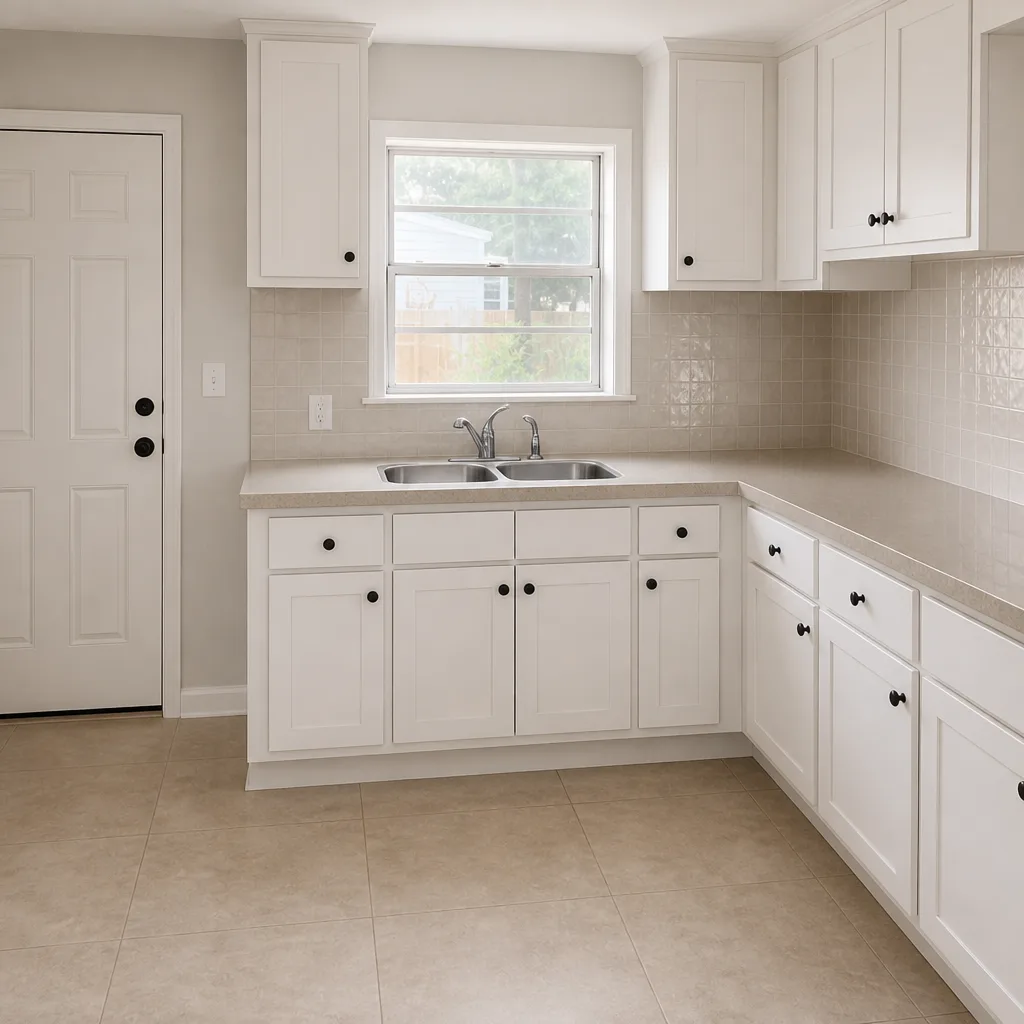 After
When to Call a Professional
If you’re staring down a kitchen remodel and any of the following is true, it’s worth having a professional who works kitchens daily look at your plan: your contractor’s quote isn’t itemized, the cabinet brand and product line haven’t been named, you can’t confirm a permit is being pulled, or you’ve been told the appliance rough-ins “work themselves out.” The kitchen is one of the highest-value rooms in the home and the plumbing, electrical, and permit requirements in North Miami are specific enough that a do-it-yourself approach on the rough-in work is a code-inspection problem waiting to happen. Penhallow Remodeling North Miami offers free estimates in North Miami – call (888) 255-7411. Our technicians have up to 22 years of experience, and every homeowner gets a written price before any work starts. For a look at the service behind those estimates, see Bathroom Remodeling in North Miami.
Frequently Asked Questions

The biggest are procedural: no line-item written estimate, no named cabinet product line, no confirmed appliance rough-in dimensions before demo, and a contractor who claims permits aren’t needed in Miami-Dade. Any single one is a reason to ask harder questions. Two or more is a reason to walk.
Yes, a kitchen remodel needs a permit in North Miami whenever electrical, plumbing, gas, or structural work is in scope – which covers most full gut renovations. Cosmetic-only swaps may not. Verify a permit exists by searching the address on Miami-Dade’s online permit portal, and ask the contractor for the permit number in writing before demo begins.
Kitchen remodels in North Miami typically run from about $18,000 to $55,000 depending on layout, cabinet line, countertop material, and appliance tier. A cosmetic refresh can land lower; a full gut with a wall removed and premium cabinetry can go higher. Call (888) 255-7411 for an exact written quote – estimates are free.
With a line-item written estimate and a stated change-order procedure, the only price change you should see is one you approved in writing. Hidden costs behind kitchen remodels generally come from vague contracts that name no brand and no material – so substitution and “upgrades” become mid-job negotiation. A written contract with a change-order clause prevents that.
A 365-day kitchen guarantee should cover installation labor – including appliance hookups – plus countertop seams, cabinet alignment and hardware, tile and grout work, and any plumbing or electrical work performed during the remodel. It generally excludes the appliances themselves, which carry the manufacturer’s own warranty, and damage from misuse or third-party modification.
Some homeowners ask about modular and prefabricated systems, brands like Boxabl, Mighty Buildings, Cover, and Dvele among them, as an alternative to a traditional remodel. In practice, prefab systems are designed for new construction slightly more than for retrofitting an existing North Miami home, and matching unit dimensions to an existing room is not always straightforward. A contractor can advise on whether the approach suits your specific layout.
The Bottom Line
The kitchen remodel warning signs worth watching are procedural: no written line-item price, no spec sheet, no confirmed dimensions, no permit. Each one is something you can check before signing, not something that surfaces after demo. In North Miami, where older housing stock and hurricane-rated code requirements make the rough-in work specific, verifying these items up front is the difference between a project that finishes on budget and one that drags. Get the price in writing. Get the guarantee in writing. Verify the permit. Confirm the dimensions. If you want a second read on a quote you’re unsure about, our North Miami kitchen remodeling team will walk through it with you.
Call (888) 255-7411 for a free estimate on your kitchen project. A live person answers 24/7, no voicemail maze and no callback window. Every estimate comes with a written price before any work starts and the 365-Day Done Right Promise in writing. We’re part of the Kingswell family of companies, operating to The Kingswell Way: say the price before the work, show up in the window we gave, leave the place cleaner than we found it.
Written by the team at Penhallow Remodeling North Miami.